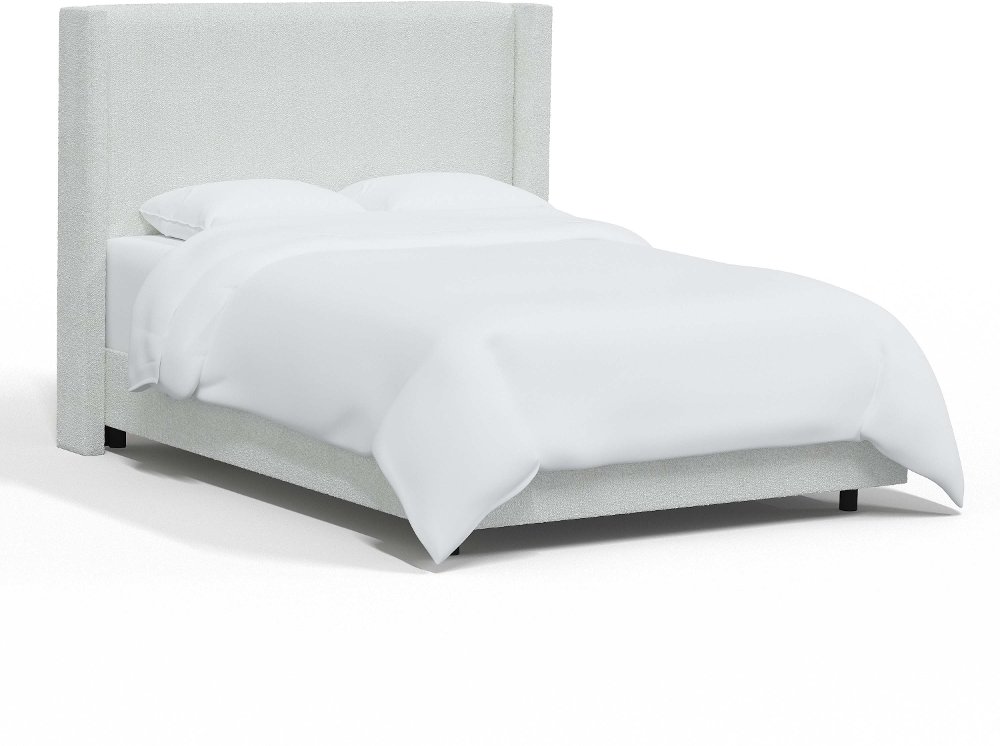
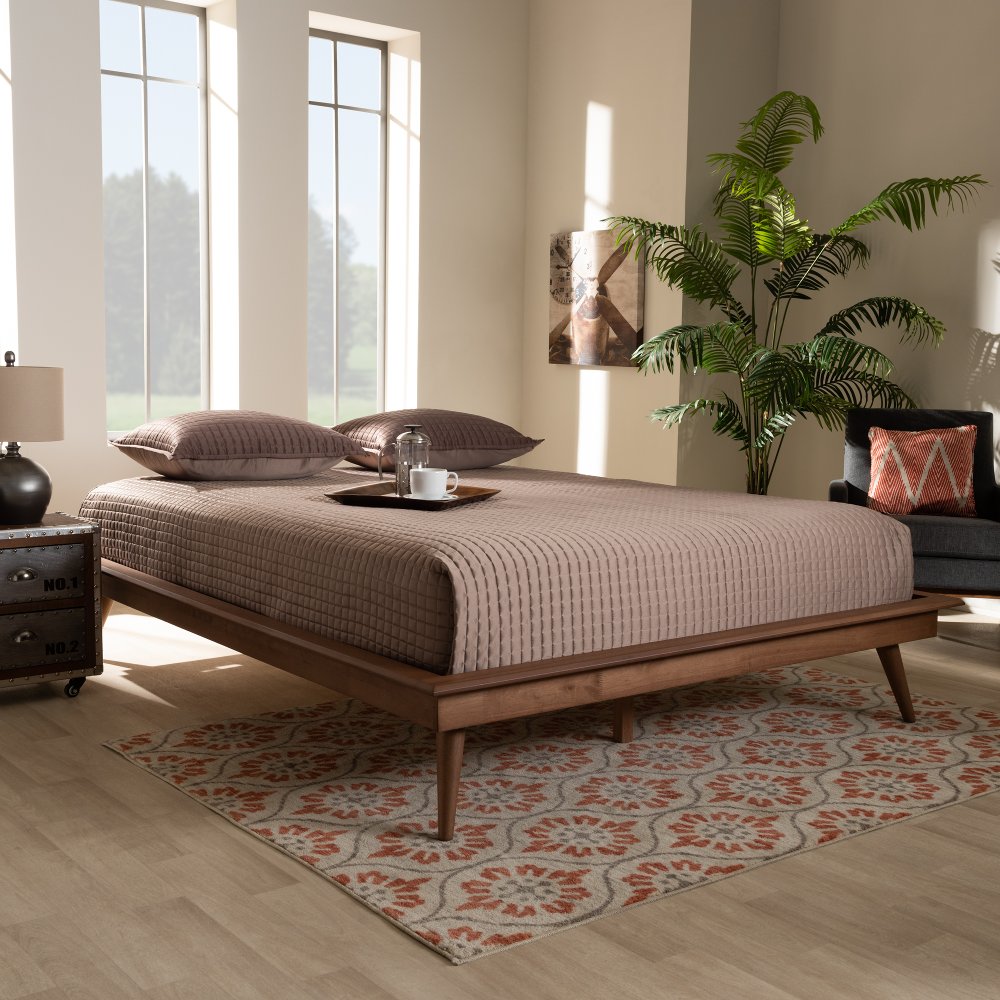
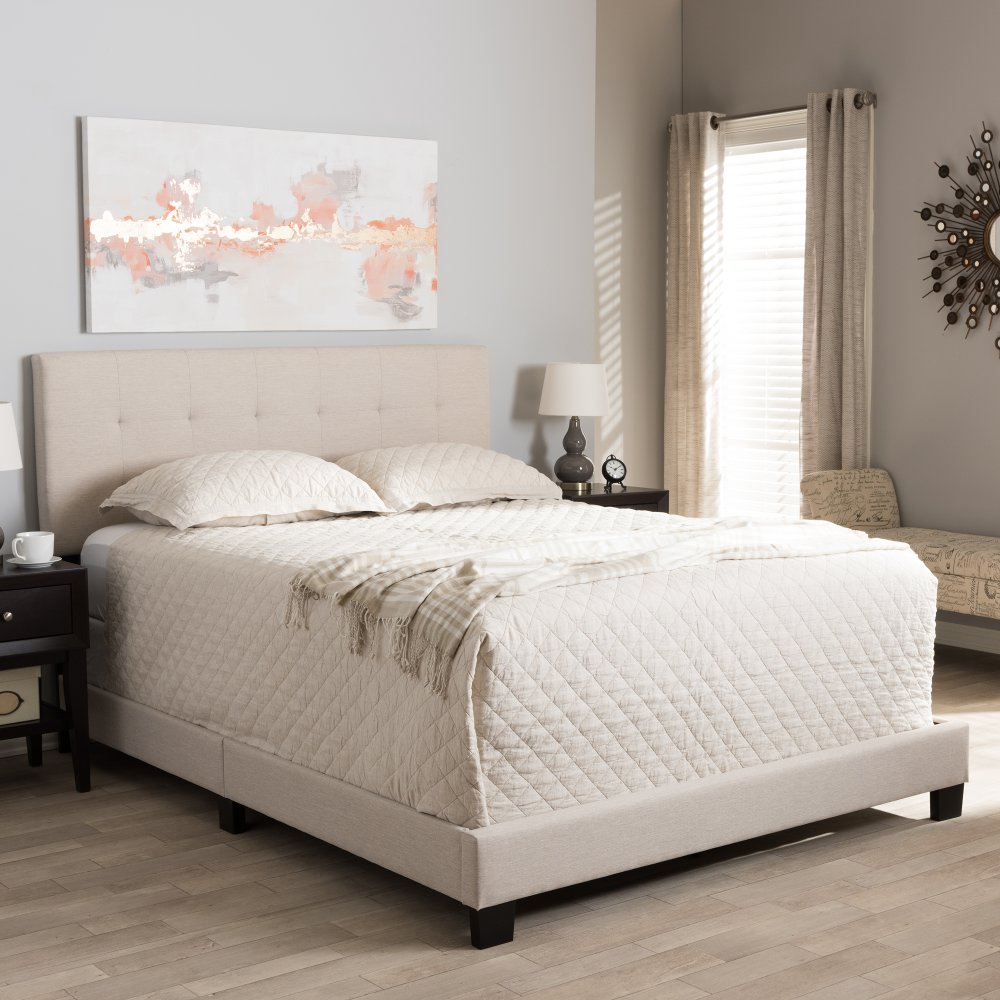
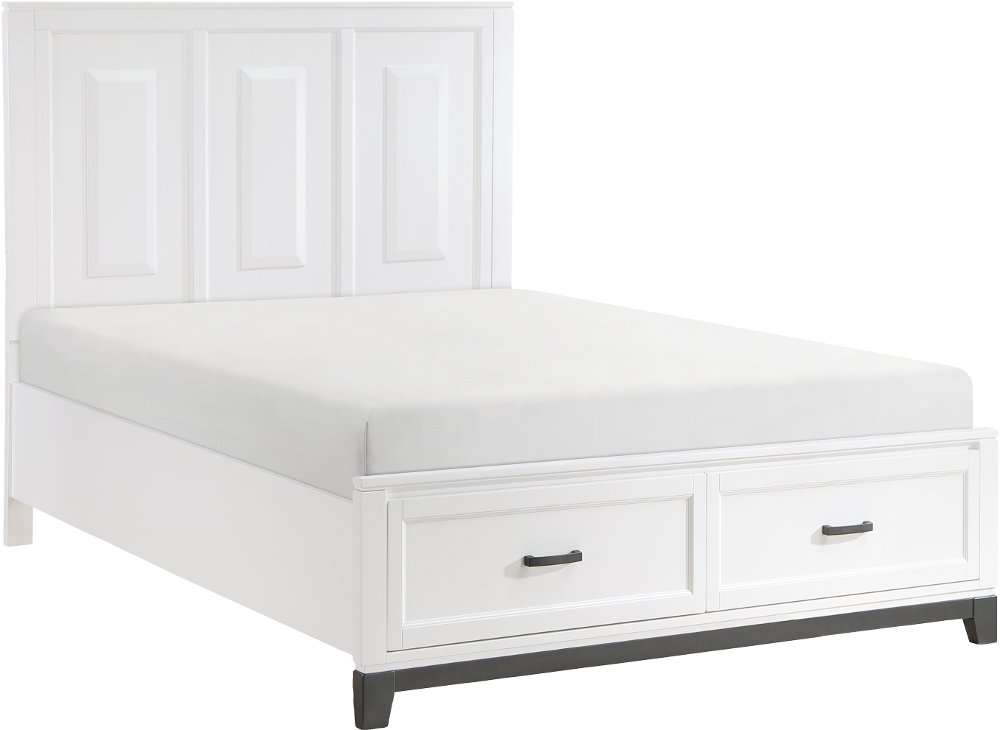
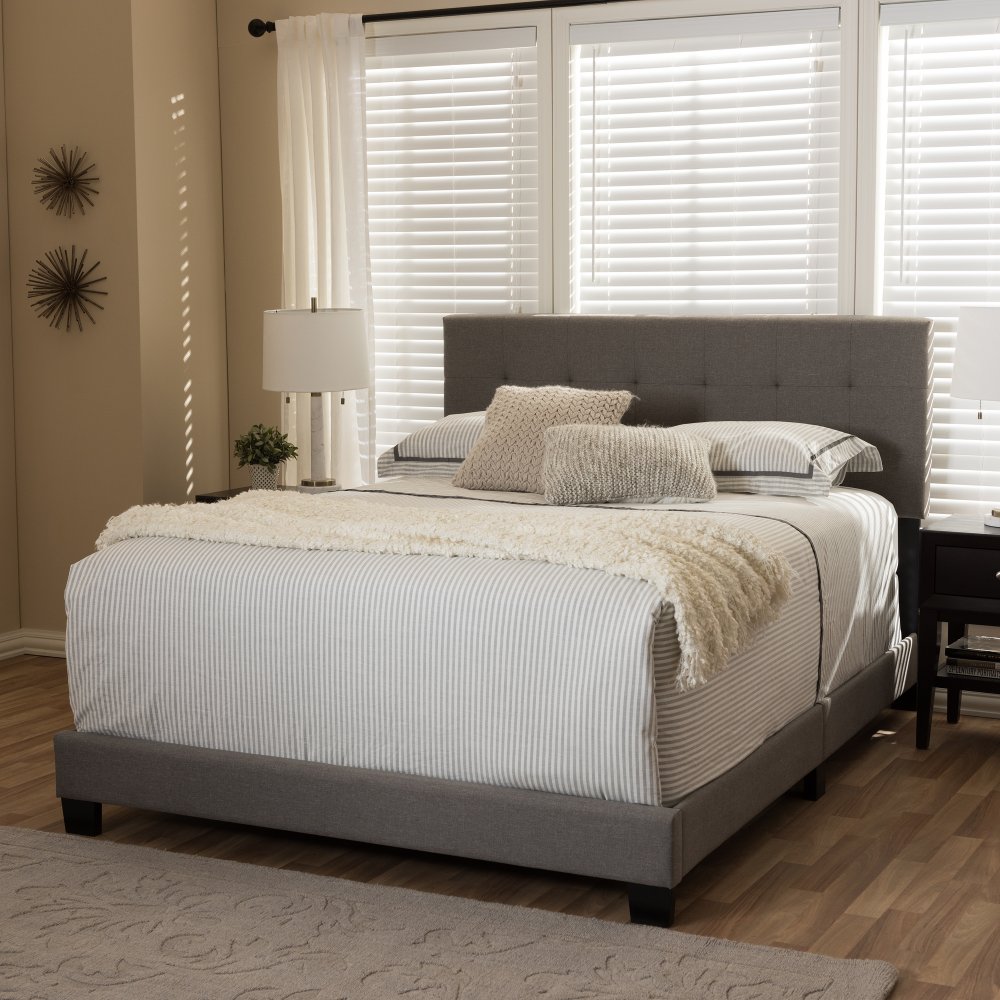
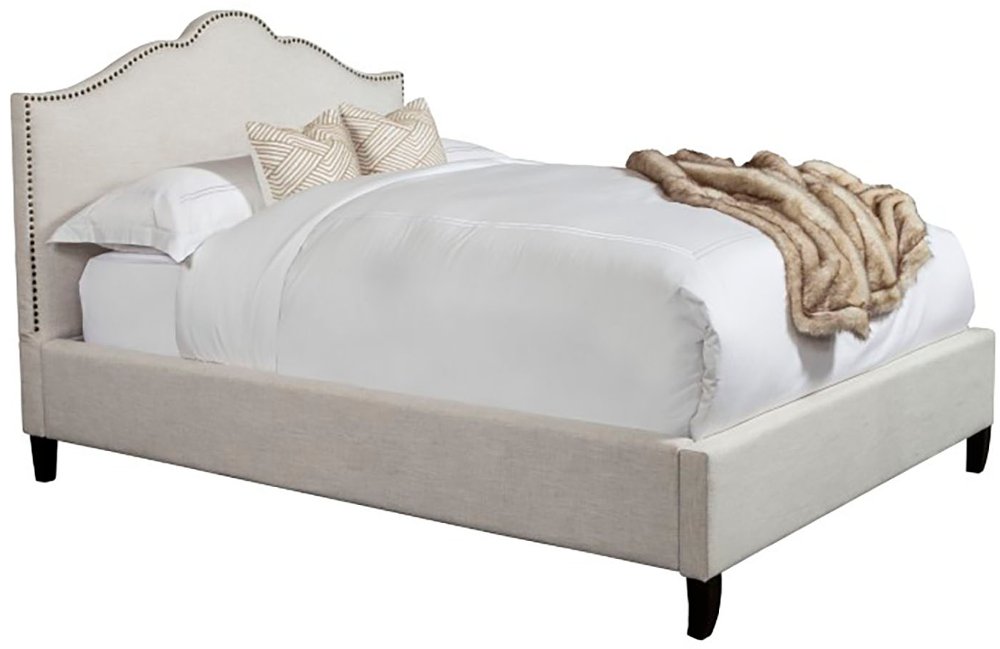
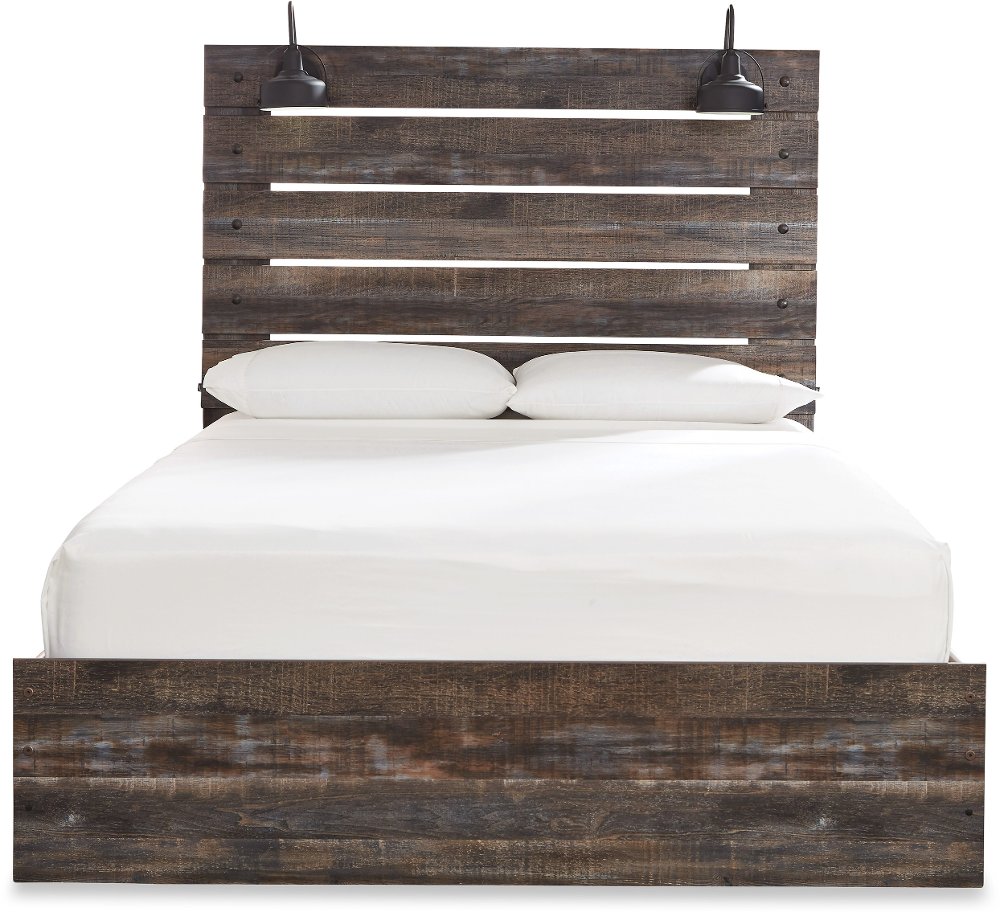
Queen beds offer a comfortable middle ground for many homes: they give one sleeper plenty of room to stretch out, while two sleepers can settle in without feeling crowded. Their generous sleeping surface also fits naturally in many primary bedrooms, guest rooms, apartments, and growing spaces where a king-size bed may feel too large. When you’re choosing a queen bed, start with the room itself. Measure the available floor space, including the area needed to open doors, move around the bed, and reach nearby drawers or windows. A queen mattress typically measures about 60 inches wide by 80 inches long, but the bed frame will add extra inches depending on its design. Leave enough walking space around the frame to keep the room comfortable and easy to use, especially if you’re furnishing a smaller bedroom. It helps to mark the bed’s approximate footprint on the floor with painter’s tape before you buy. That simple step can show whether a nightstand will fit beside it or whether the bed may make a doorway feel tight. Also consider the height of the frame. A taller bed can make getting in and out easier and may create useful space underneath, while a lower profile gives a room a relaxed, streamlined look. If you like the look of layered bedding, check the height of the headboard and footboard so your pillows, comforter, and decorative blankets feel balanced rather than hidden. For a polished bedroom, think about how the bed will work with the pieces you already own, from a dresser and nightstands to lamps, rugs, curtains, and wall color. A simple frame can let textured bedding take center stage, while a more detailed design can become the room’s focal point. Shoppers who prefer a clean, current look can explore Queen Contemporary Beds for silhouettes that pair easily with a range of bedroom décor.
The right queen bed should support the way you actually live, not just the way a staged bedroom looks. If you read before sleeping, choose a headboard with a comfortable surface or enough room to arrange pillows behind your back. If your bedroom doubles as a quiet place to watch television, catch up on messages, or help a child settle down, a sturdy frame and supportive headboard can make those routines more comfortable. For homes that need more organization, a design with built-in drawers or open space beneath the frame can help keep spare linens, seasonal clothing, and extra pillows close at hand without taking over the closet. Use storage thoughtfully, though. Drawers need clearance to open fully, and under-bed compartments work best when you can reach them without moving half the room. A bed with a solid foundation can also give the mattress a dependable surface, but always check the manufacturer’s requirements for slats, center support, box springs, or adjustable bases before completing your setup. These details affect how the mattress performs and how comfortable the bed feels over time. Pay attention to construction, too. Solid wood, engineered wood, metal, upholstered materials, and mixed construction each create a different look and feel. A solid frame can provide a substantial presence, while metal may bring an airy appearance and easy-to-coordinate finish. Upholstered headboards add softness and warmth, especially in bedrooms where you want a cozy retreat during cooler months. Look closely at the joinery, legs, support rails, and finish, and consider how much daily use the bed will receive. A primary bedroom may call for a durable design built for nightly use, while a guest room may prioritize easy upkeep and a welcoming appearance. If you’re furnishing a child’s room, a first apartment, or a newly shared home, a queen bed can offer room to grow and remain useful through changing routines. It can also make a thoughtful housewarming gift when you know the recipient’s space and style well enough to choose with confidence. For a guest room, the size gives visiting family or friends a familiar, comfortable place to rest, while fresh bedding, supportive pillows, and a small reading lamp complete the feeling of genuine hospitality.
Before bringing a queen bed home, compare its full dimensions, assembly needs, and care instructions with your plans for the room. Some frames arrive in several pieces and require careful assembly, so make sure the path from the entryway to the bedroom can accommodate the packaged components. Measure stairways, elevators, hallways, and tight corners, particularly when furnishing an upper-level room or older home. Once the bed is assembled, tighten hardware according to the instructions and check the frame periodically, since everyday movement can gradually loosen connections. Protect the finish by following the recommended cleaning method, and use coasters or soft barriers if you place objects near a wood or upholstered headboard. A supportive queen bed becomes even more inviting when you pair it with breathable sheets, a comforter suited to the room’s temperature, and pillows that match your preferred sleeping position. During the cooler months, layered blankets can add warmth without making the bed feel heavy, while lighter textures help the room stay comfortable as the weather changes. Keep proportions in mind when finishing the space: a large rug can anchor the bed, matching nightstands can create balance, and warm lighting can make early mornings and restful evenings feel more welcoming. Whether you’re replacing an old frame, preparing a bedroom for guests, moving into a new home, or creating a more peaceful place to recharge, queen beds give you a flexible foundation for everyday comfort. Take time to compare the fit, function, materials, and design details, then choose a bed that supports your routines and makes the bedroom feel like a place you’re happy to return to.
Read More