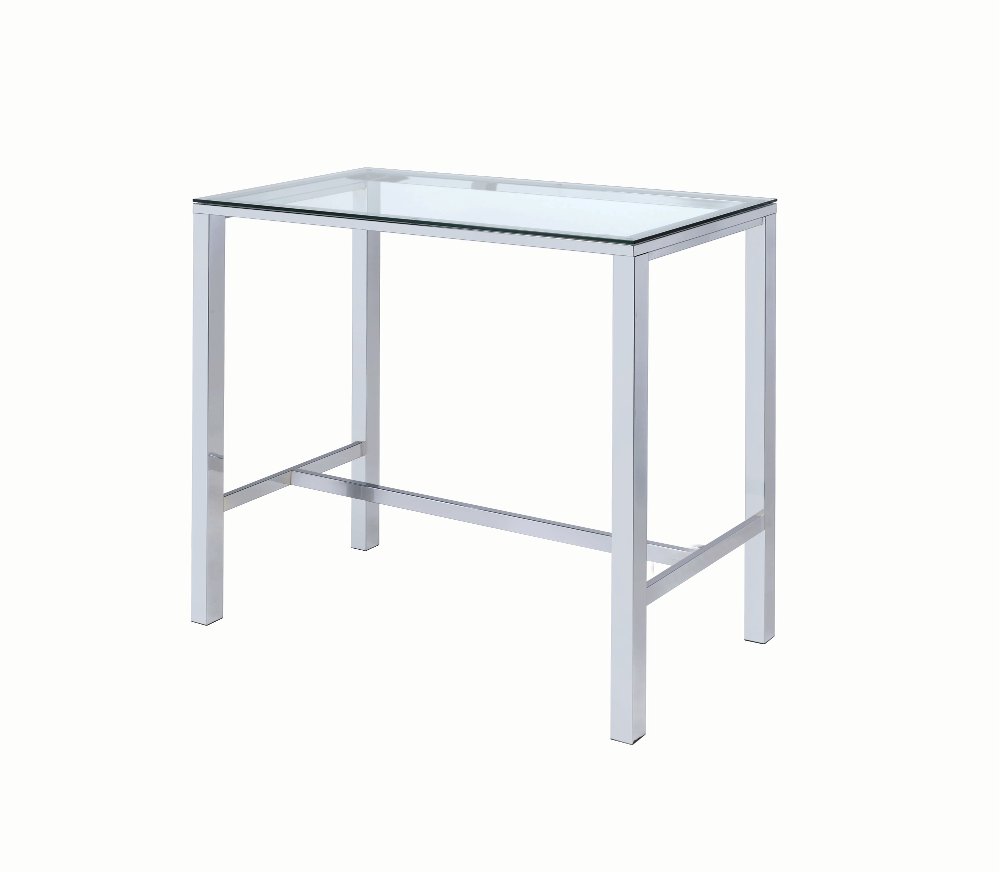
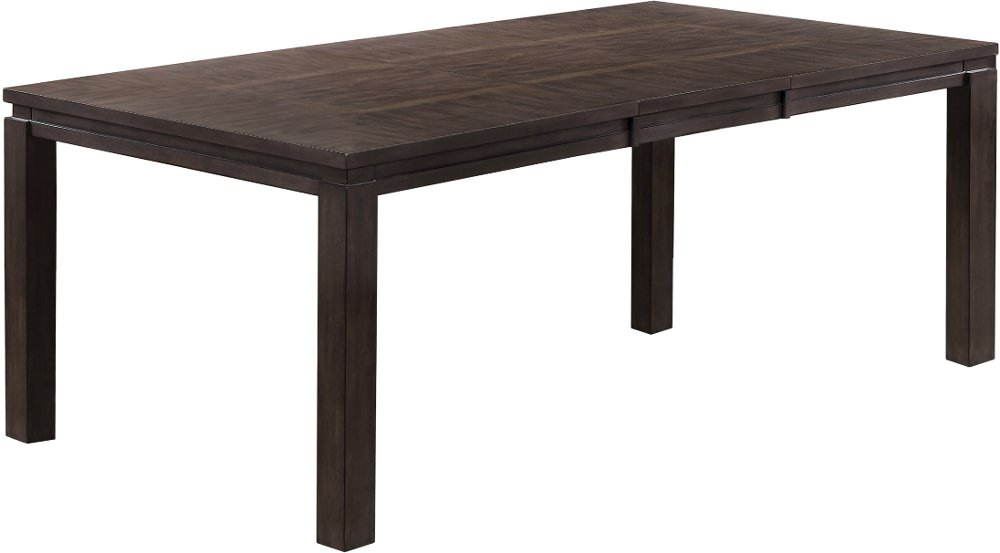
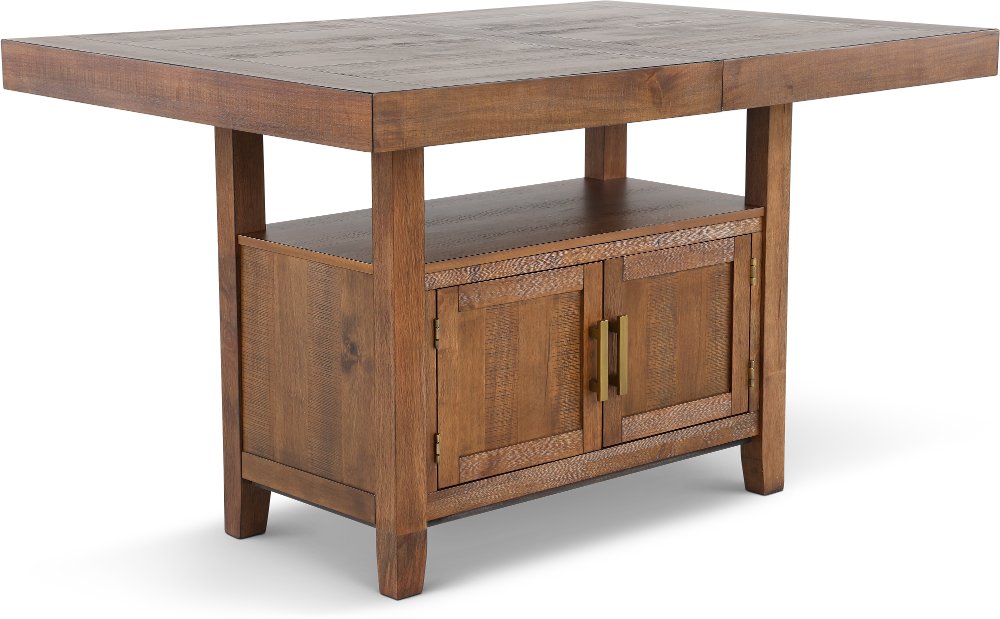
Rectangular bar tables give everyday gatherings a place of their own, whether that means coffee beside the kitchen, a casual dinner for two, or a spread of snacks during game night. Their long, straight edges make them a natural fit for rooms with defined corners, open walls, and narrow stretches of floor that need a little purpose. A slim table along a wall can create a dining spot in an apartment without requiring a separate breakfast nook. Set farther into the room, a rectangular bar-height table can help distinguish the eating area from the living area while keeping the layout open. The elongated surface also makes it easy to arrange plates, serving dishes, and drinks without putting everything in one crowded cluster. For people who enjoy hosting, that extra length can serve as a convenient spot for appetizers while guests move between the kitchen and conversation. In a game room, it offers a perch between turns; behind a sofa, a suitably sized table can give seated guests a place to eat while watching a movie. The best proportions depend on how the table will function day to day, not just how many seats can fit around it for an occasional gathering. A compact rectangle may be comfortable for two regular diners, while a longer top can accommodate a larger group when its base leaves enough room for stools and knees. Placement matters just as much as length: a table pushed against a wall gives up seating along that side, but it can make the rest of the room feel more spacious. Rectangular shapes are especially useful when furniture follows a room’s straight lines. If the space calls for seating arranged around a central point instead, round bar tables offer a different footprint worth considering. Either way, a comfortable setup should leave room for conversation, shared dishes, and the small routines that make a dining area feel personal.
Getting the height and spacing right helps rectangular bar tables feel as comfortable as they look. Bar-height tables commonly measure about 40 to 42 inches tall, while counter-height tables are typically around 34 to 36 inches tall, so those terms shouldn’t be treated as interchangeable. Matching stools to the actual tabletop height is more reliable than choosing by appearance alone. About 10 to 12 inches between the stool seat and the underside of the tabletop generally provides useful legroom, although a thick apron beneath the top can reduce that space. Footrests matter, too, since a raised seat feels more supportive when feet have somewhere to rest. For everyday dining, allow roughly 24 inches of table edge per person as a starting point, with more room for wider stools, arms, or diners who prefer extra elbow room. The position of the legs can change how much of that edge is genuinely usable. Corner legs may keep the center open but limit where stools slide in, while a trestle base or horizontal stretcher can affect knee and foot placement. A central base can open up seating positions, though its footprint still needs to work with the stools. Around the table, roughly 36 inches of clearance is a useful starting point for pulling out seating; busy walkways and routes behind occupied stools often need more. In a kitchen pass-through, picture someone carrying a laundry basket or opening a nearby cabinet while another person is seated. That everyday test can reveal a tight fit that measurements alone might miss. Backless stools often tuck away neatly, while stools with backs provide support for longer meals but may project farther into the room. Taller seating also takes more effort to get onto and off of, making accessibility an important consideration for households with young children or anyone with limited mobility. A bar table works best when its height suits the people who will use it most.
Materials and construction shape both the character of a rectangular bar table and the attention it needs over time. Solid wood brings visible grain and natural variation, with finishes ranging from smooth and refined to textured and casual. Wood can respond to changes in indoor humidity, and even a sturdy surface benefits from coasters, placemats, and protection from hot dishes. Veneer offers a real-wood surface over a supporting core, but care depends on the finish, and deep scratches can be harder to repair because the wood layer is thin. Laminate surfaces can be practical for frequent meals and quick wipe-downs, though standing moisture around seams and edges should be avoided. Metal bases lend a clean or industrial feel and can provide dependable support when their joints and fasteners are well made. Glass tops keep a taller table from looking visually heavy, but fingerprints show readily, and exposed edges deserve care in a busy household. Stone and stone-look tops vary considerably: natural stone may require sealing, while manufactured surfaces have their own heat, stain, and cleaning limitations. Following the manufacturer’s care directions is more useful than assuming every tabletop can handle the same cleaner. A soft cloth and prompt spill cleanup are sensible habits, and dragging rough-bottomed pottery or heavy serving pieces across the finish can leave marks. Durability also depends on details below the surface, including secure connections, appropriate bracing, and level contact with the floor. An adjustable leveler can help on an uneven surface, but persistent wobbling deserves attention rather than being accepted as part of a tall table. Visually, a narrow top with slender legs keeps a small room lighter, while thicker proportions create a stronger focal point in an open dining area. Rounded corners can soften the outline where people pass close by. Coordinating the finish with nearby cabinetry, flooring, or stools can tie the space together without matching every piece exactly. With comfortable seating, practical clearance, and a surface suited to daily use, a rectangular bar table can become an easy place to settle in for a meal or linger over conversation.
Read More