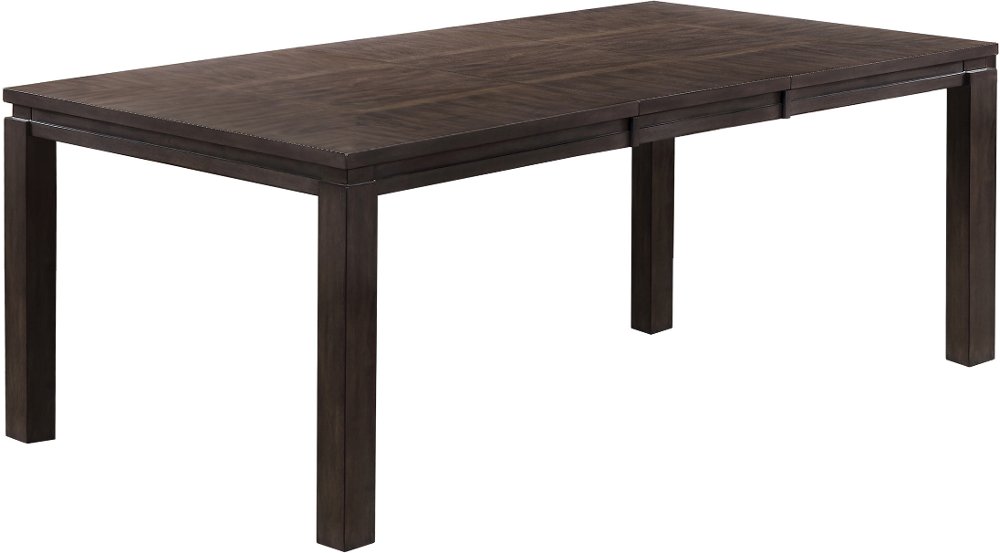
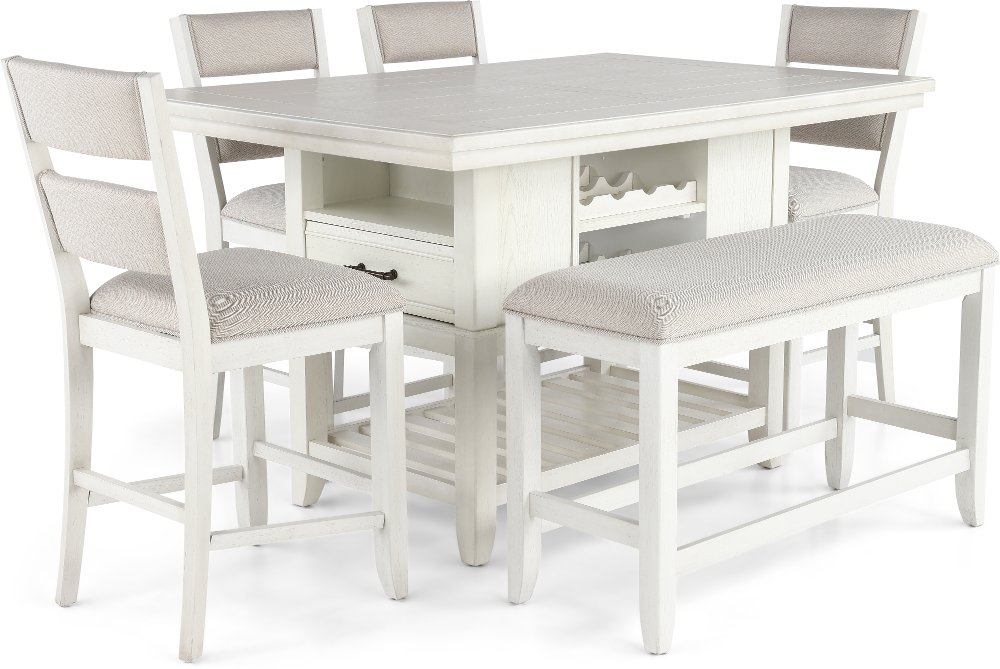
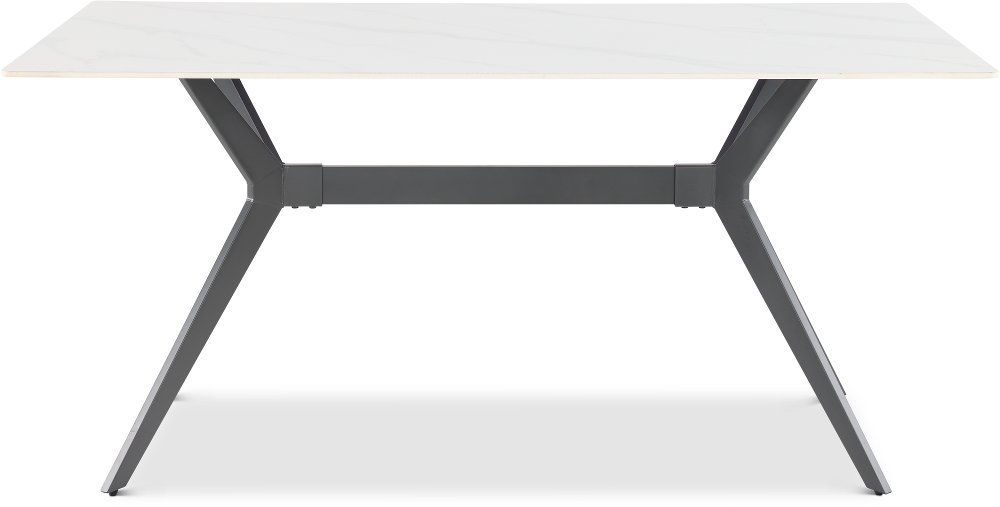
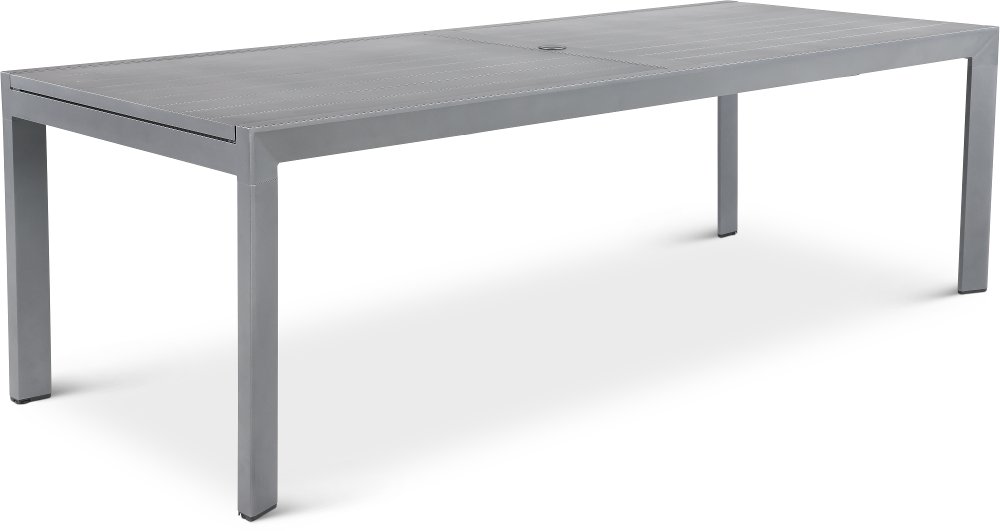
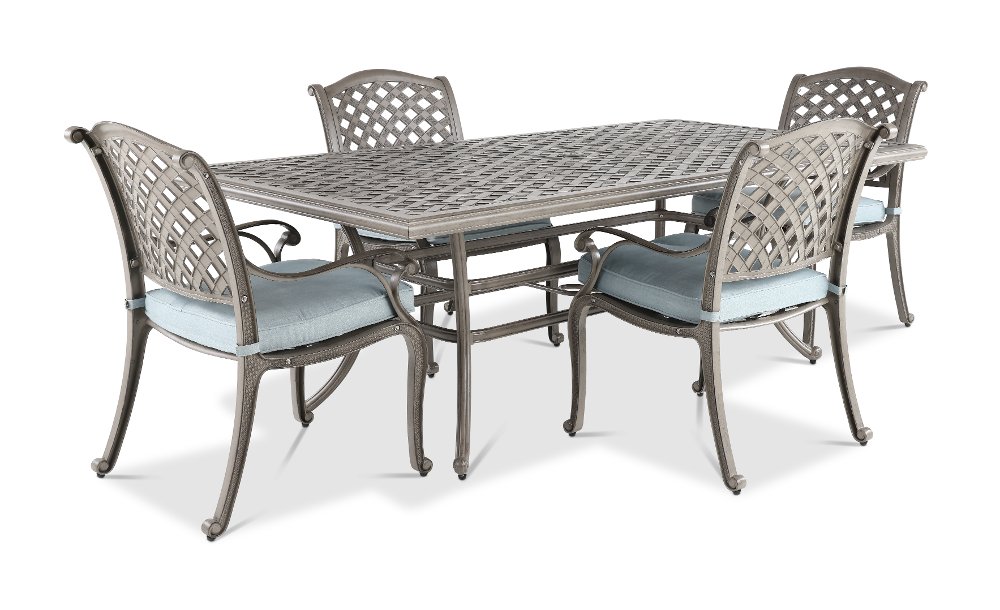
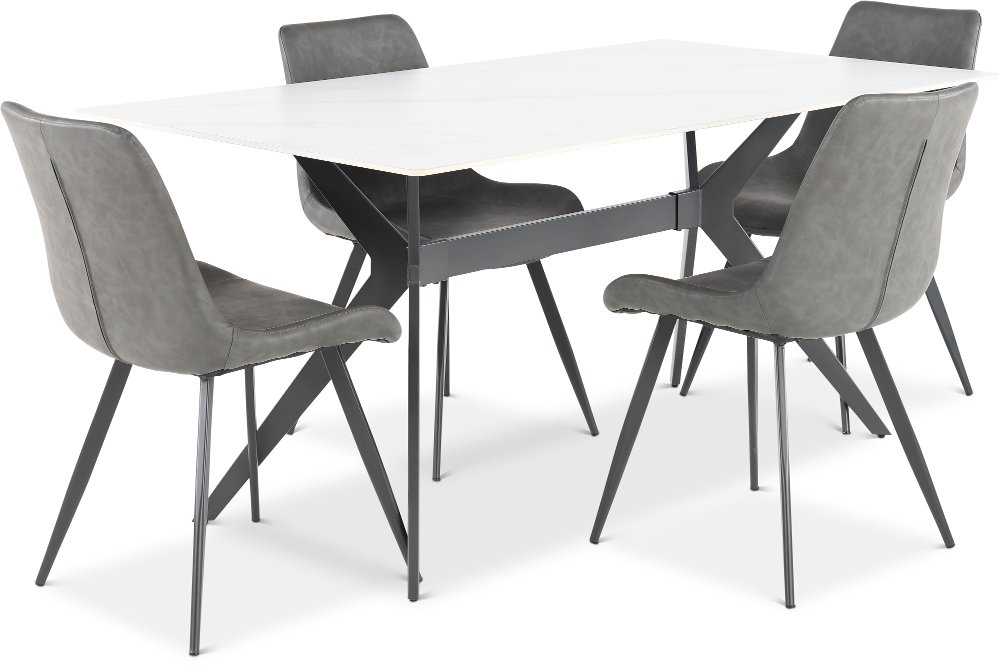
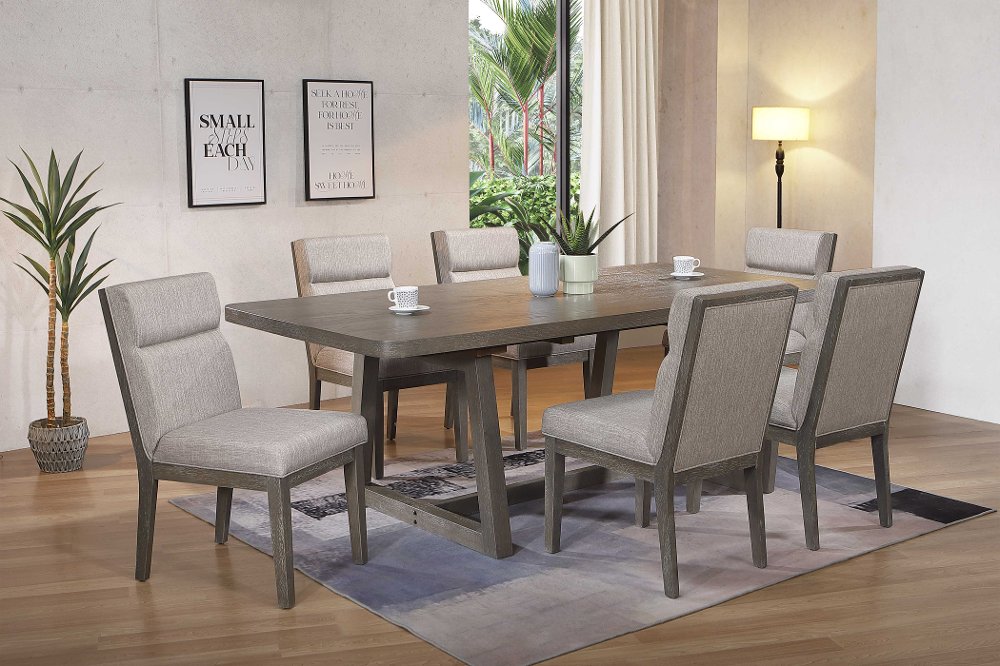
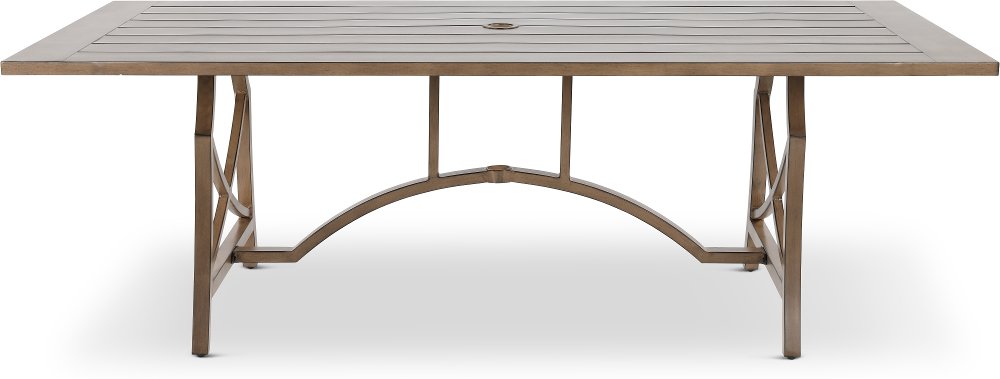
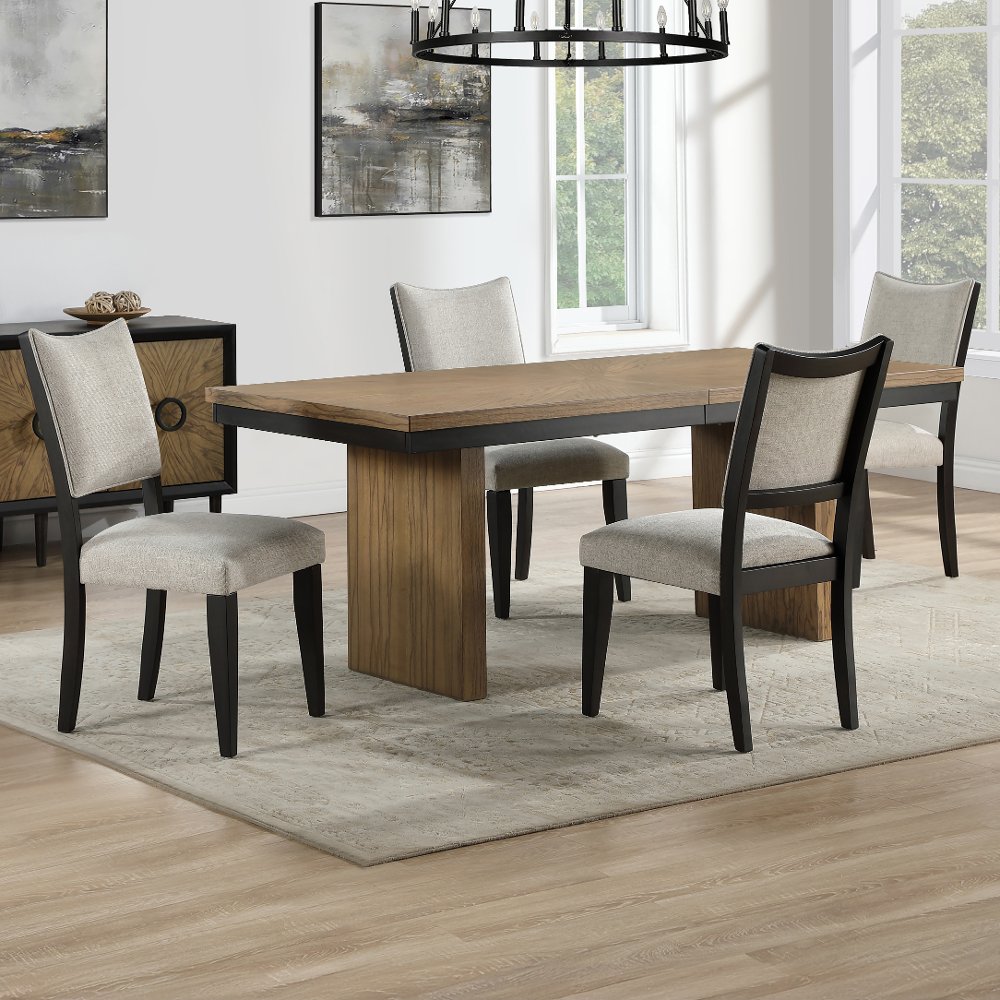
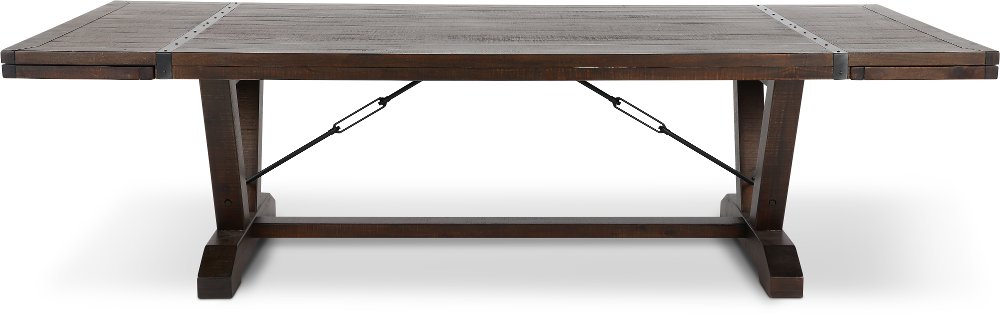
Rectangular patio dining tables give outdoor meals a familiar, comfortable layout, with room to sit along both sides and at each end. Their elongated shape works especially well on narrow patios, alongside a deck railing, or beneath a covered outdoor dining area where a round table might interrupt the walking path. In geometric terms, a rectangle has four 90-degree interior angles, opposite sides that are parallel and equal in length, and two equal-length diagonals that bisect each other. That straightforward shape creates an orderly footprint for arranging chairs, serving food, and planning the space around the table. Some rectangular tabletops have softened corners or rounded edges while keeping the same long, practical profile. For everyday use, the appeal is less about geometry and more about having a place for breakfast, a shared dinner, or a board game that stretches past the last bite. A longer tabletop can hold a serving platter in the center while leaving space for plates and glasses on either side. It can also help define a dining zone on a larger patio without dividing the area with another structure. Couples may prefer a compact rectangle that keeps meals close and conversation easy, while families and frequent hosts may appreciate a longer surface with room for additional place settings. Consider how the table will serve the household most often, rather than sizing it only for the largest gathering of the year. A table that comfortably handles daily meals can feel more welcoming than one that leaves too little space to move around it. If a coordinated table-and-chair arrangement better fits the space, Rectangular Outdoor Dining Sets offer another way to plan the dining area. Whether paired with existing chairs or used as the starting point for a new arrangement, a rectangular outdoor dining table should make sitting down, passing dishes, and getting up again feel easy.
A good fit starts with the whole dining area, not just the tabletop measurements. Measure the usable patio or deck space, including door swings, steps, railings, planters, and the route between the dining area and the house. Aim for about 36 inches between the table edge and a nearby wall or other obstruction so chairs have room to pull out; allow more space along a main walkway or where people need to pass behind seated diners. A long table may fit neatly against the dimensions of a deck yet feel crowded once all the chairs are occupied. Picture someone carrying a tray from the kitchen while another person gets up from an end seat, and leave room for both movements. For seating, roughly 24 inches of table edge per adult is a useful starting point, though wide chairs, generous place settings, and armrests may call for more. A table around 72 inches long often accommodates six diners comfortably, but its width, base design, and chair dimensions all affect the actual fit. Corner legs can limit end seating, while a pedestal or trestle base may change where knees and feet can rest. Check the apron beneath the tabletop, too, especially when pairing a table with chairs that have arms. Standard dining-height tables are generally about 28 to 30 inches tall, but checking both seat height and under-table clearance helps avoid an awkward combination. Benches can make room for flexible seating along a long side, while individual chairs give each person a defined place and back support. Table width deserves equal attention: a narrow top saves space, but a wider one offers more room for serving bowls between opposite place settings. If shade is part of the plan, look for compatibility with an umbrella and its recommended base. An umbrella hole guides the pole but doesn’t secure it on its own. For balconies and raised decks, also consider the table’s weight and confirm that the surface can safely support the full dining arrangement.
Materials influence how a rectangular patio dining table looks, feels, and holds up to outdoor use. Aluminum is relatively lightweight and doesn’t rust like iron or steel, making it useful when the layout needs occasional rearranging. A powder-coated finish adds protection, although scratches still deserve attention according to the manufacturer’s care instructions. Steel can provide a sturdy, substantial frame, but damaged coatings may expose it to rust, particularly where moisture collects around joints and fasteners. Wood brings natural grain and a warm, familiar texture to an outdoor dining area. Its upkeep depends on the species, construction, and finish: some woods develop a gray patina with exposure, while others need periodic refinishing to maintain their appearance and protection. Apply oils or sealers only when recommended for that particular surface. High-density polyethylene and other outdoor-rated synthetic materials can simplify upkeep, though their resistance to fading, staining, and heat varies. Stone and concrete tops have a substantial presence and may require sealing or special cleaning products; their weight also makes placement and moving more involved. Glass offers a smooth dining surface, but outdoor-rated tempered glass still needs careful handling and protection from hard impacts. Beyond the material itself, examine how the tabletop supports everyday meals. Slats can help water drain, while broad, level surfaces make it easier to set down glasses, write a note, or spread out a puzzle. Closely spaced slats generally provide better support for small objects than wide gaps. For routine care, remove crumbs and spills promptly, and use mild soap, water, and a soft cloth when the manufacturer recommends them. Avoid abrasive pads and harsh cleaners that could scratch finishes or damage protective coatings. Pay attention to underside surfaces and hardware, where debris and moisture can linger unnoticed. An appropriately fitted cover can reduce exposure when the table isn’t in use, but allow the furniture to dry before covering it and follow ventilation recommendations. With a comfortable layout, suitable materials, and care that fits the household’s routine, a rectangular patio dining table can become a dependable place for meals, conversations, and the small gatherings that make an outdoor space feel like home.
Read More