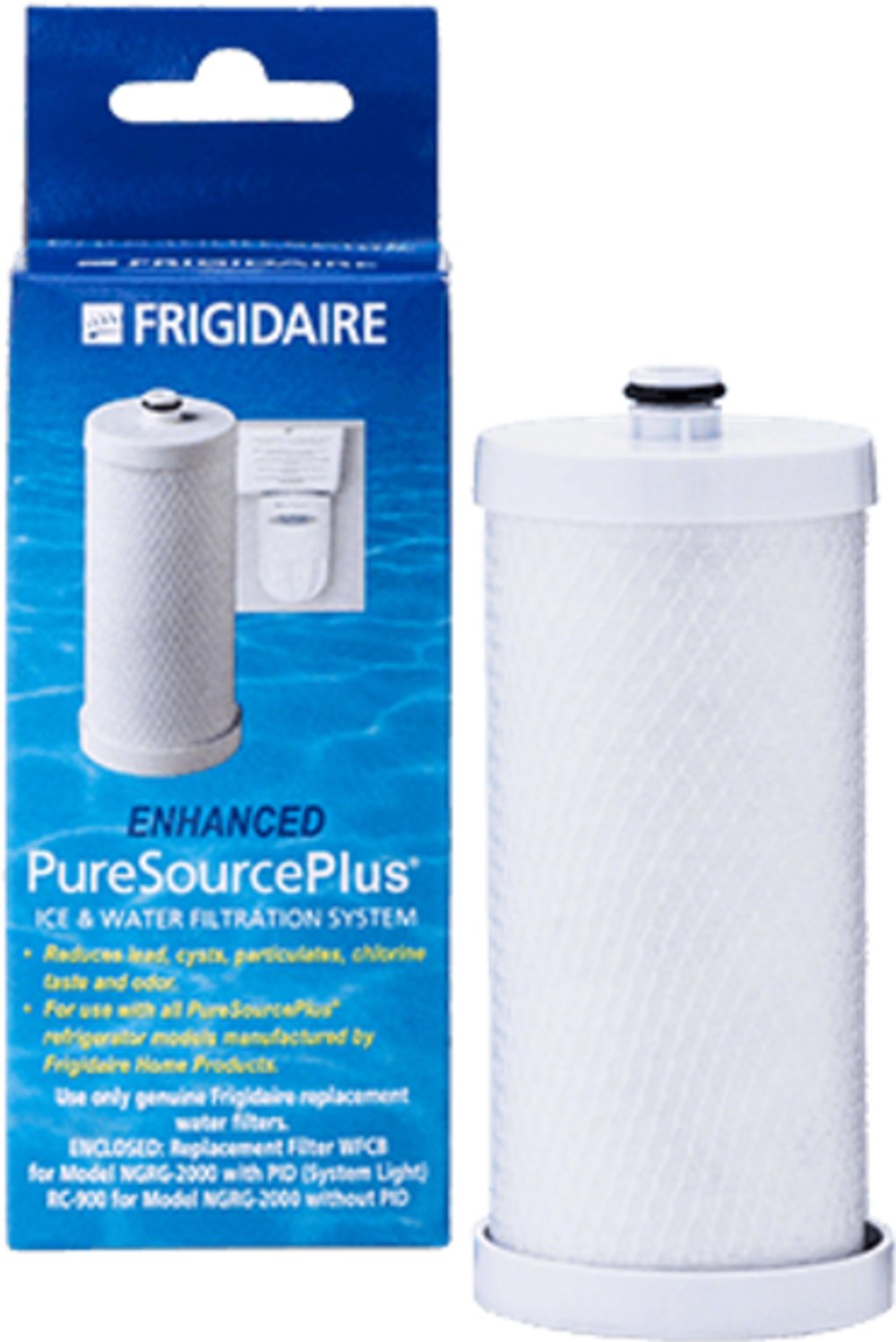
Refrigerator kits are accessory packages designed to connect, equip, or finish a compatible refrigerator. Depending on their purpose, they may include water supply tubing and fittings, ice maker components, decorative trim, hardware for pairing appliances, or specialized controls for certain installations. The right refrigerator kit depends on both the appliance model and the job you want it to do. A water line kit serves a different purpose than an ice maker kit, and neither replaces the hardware needed for a finished cabinet surround. For a refrigerator with a water dispenser or automatic ice maker, a water connection kit provides a path between the household water supply and the appliance’s inlet connection. Materials may include copper tubing, approved plastic tubing such as PEX, or a flexible connector with a braided stainless steel exterior. Each has its own installation requirements, so the appliance instructions and local plumbing requirements matter more than appearance alone. Copper needs room for gentle bends, while flexible connectors can simplify routing in tighter spaces when used within their specifications. Connection size, tubing length, pressure rating, and drinking-water suitability all deserve attention. A line should reach comfortably without stretching across the floor or collecting in a bulky coil behind the appliance. That extra thought is especially useful when a refrigerator needs to slide forward for cleaning or service. Kit contents vary: fittings, adapters, and shut-off hardware may be included, but a package labeled as a water line kit doesn’t necessarily contain every component your kitchen requires. Homes with reverse osmosis filtration also need compatible connections and sufficient water pressure for the refrigerator’s dispenser and ice maker. For a busy household filling water bottles before school or keeping ice ready for shared meals, a properly matched connection supports everyday convenience without adding unnecessary complexity behind the refrigerator.
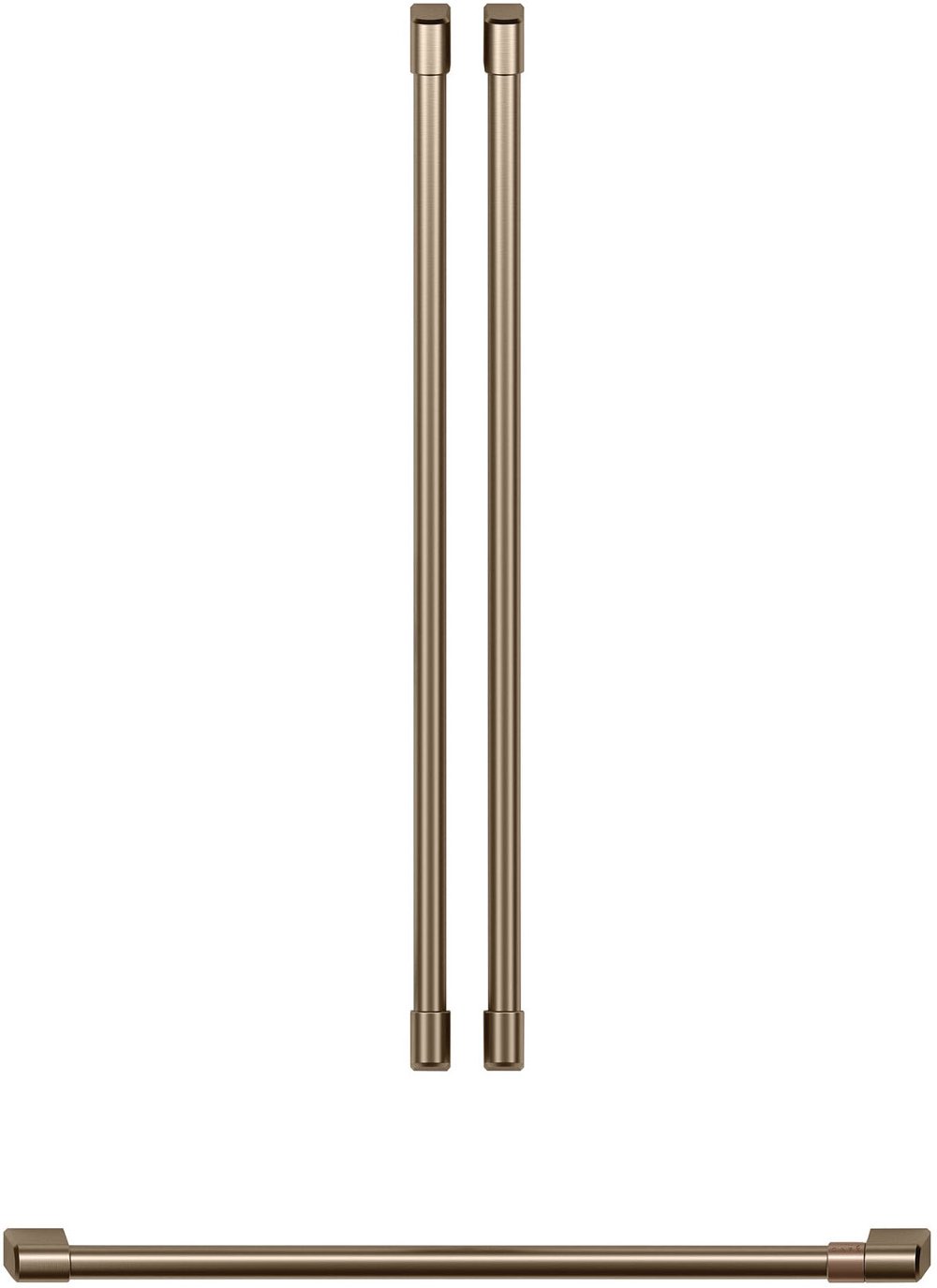
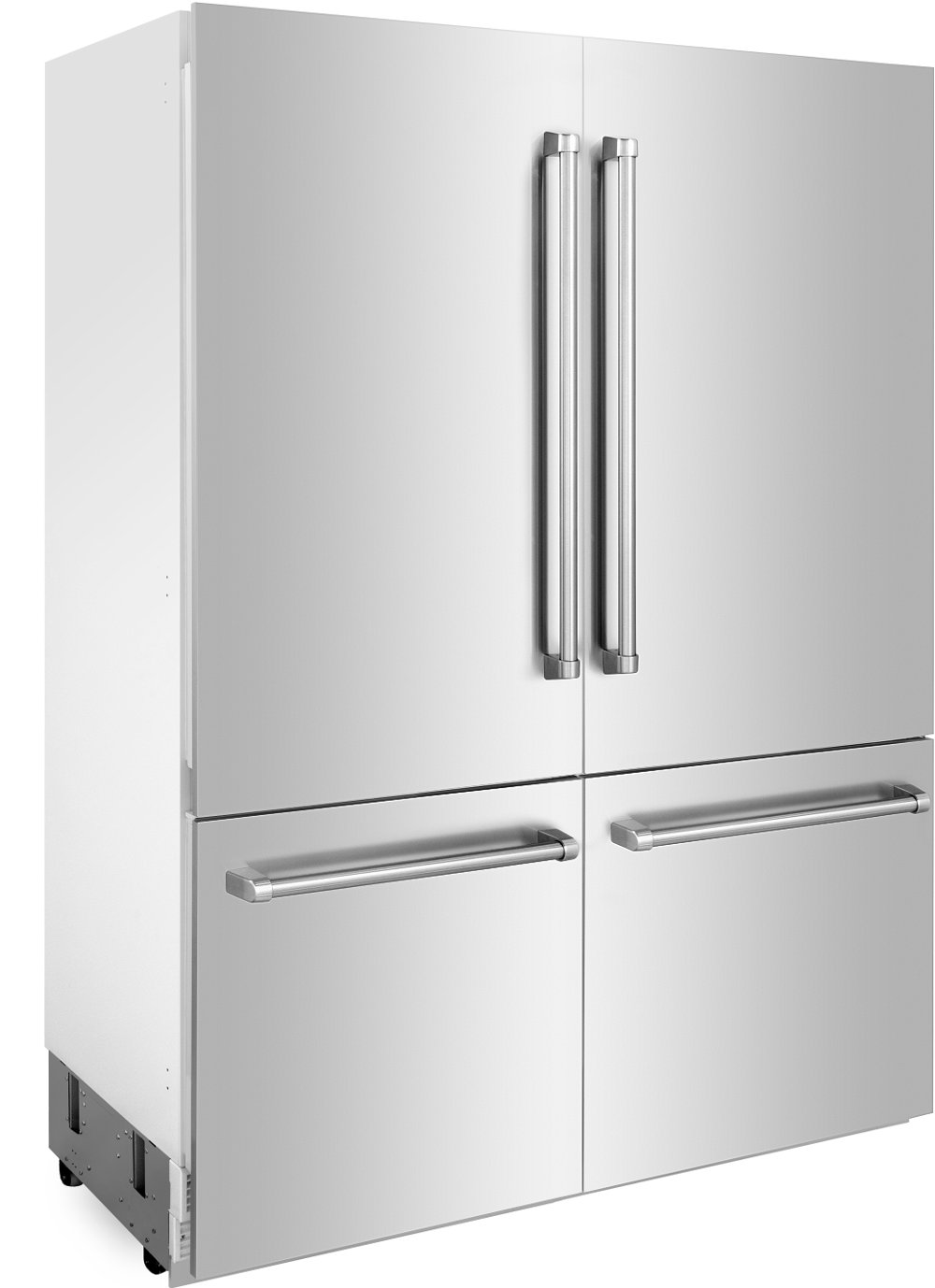
Refrigerator trim kits and pairing kits address the way appliances fit into the kitchen rather than how they receive water. A trim kit typically covers specified gaps around a compatible refrigerator or appliance combination, creating cleaner edges where the appliance meets the surrounding cabinetry. Depending on the design, trim components may use stainless steel, coated metal, or other manufacturer-specified materials. Finish, dimensions, attachment points, and required clearances determine whether the result looks intentional and allows the appliance to operate as designed. Trim isn’t a universal solution for making any freestanding refrigerator into a built-in model; the refrigerator still needs its specified ventilation space, door clearance, and service access. A pairing kit, sometimes called a joining or twin kit, is designed for compatible refrigerator and freezer units installed side by side. It may include brackets, spacers, trim, or other components that establish the correct relationship between the two appliances. Not every pairing kit includes the surrounding trim, and matching exterior dimensions alone doesn’t establish compatibility. Manufacturer-approved combinations account for details that are easy to overlook, including hinge movement and the spacing between adjoining units. These kits can be especially relevant in a kitchen planned around separate fresh-food and frozen-food storage, where aligned fronts and a consistent gap help the appliances feel like one coordinated arrangement. For a different approach to a cabinet-matched kitchen, Custom Panel Refrigerators are designed to accept compatible decorative panels; a standard trim kit doesn’t give an ordinary refrigerator that capability. Whether the goal is a neatly framed opening or a coordinated refrigerator-and-freezer pair, fit extends beyond the width of the cabinet space. Nearby drawers, projecting handles, baseboards, and walls can affect how comfortably doors open and interior bins slide out. A finish that complements cabinet pulls can bring the room together, but accurate appliance compatibility is what makes that finishing detail useful over time.
Ice maker kits add automatic ice production only to refrigerators designed to accept the specified assembly. Depending on the appliance, a kit may contain an ice maker, mounting hardware, wiring components, a fill tube, or a storage bin, while the household water connection may remain a separate requirement. A freezer with an empty shelf isn’t necessarily ice-maker-ready, and similar-looking assemblies can use different electrical connectors, brackets, or water delivery arrangements. For someone outfitting a first home, replacing a worn compatible assembly, or making a shared kitchen easier to use, the refrigerator’s complete model number is a more dependable starting point than a photo of the compartment. Garage refrigerator kits are another specialized category. Certain manufacturer-approved control kits help particular refrigerators operate within specified ambient conditions, but they don’t make every refrigerator suitable for an unconditioned garage or extend an appliance beyond its approved operating limits. Electrical compatibility and the manufacturer’s installation requirements are essential for these components, and professional installation may be appropriate when wiring or plumbing work is involved. Across refrigerator kit types, durability comes from suitable materials, secure connections, correct routing, and installation that leaves parts free from unnecessary strain. A braided water connector can still suffer damage if it’s crushed behind an appliance, just as decorative trim can loosen when it’s forced into an opening that doesn’t match its dimensions. Ongoing care is generally straightforward and specific to the component: accessible water connections deserve periodic checks for moisture, exposed finishes need manufacturer-approved cleaning, and ventilation openings should remain unobstructed. Harsh cleaners and abrasive pads can damage some metal finishes, while neglected leaks can affect flooring and nearby cabinetry. The most useful refrigerator accessories solve a clearly defined need, fit the appliance precisely, and remain practical when it’s time to clean, move, or service the refrigerator. Matching those details helps keep everyday tasks—from filling a glass to opening a fully loaded freezer drawer—simple and dependable.
Read More