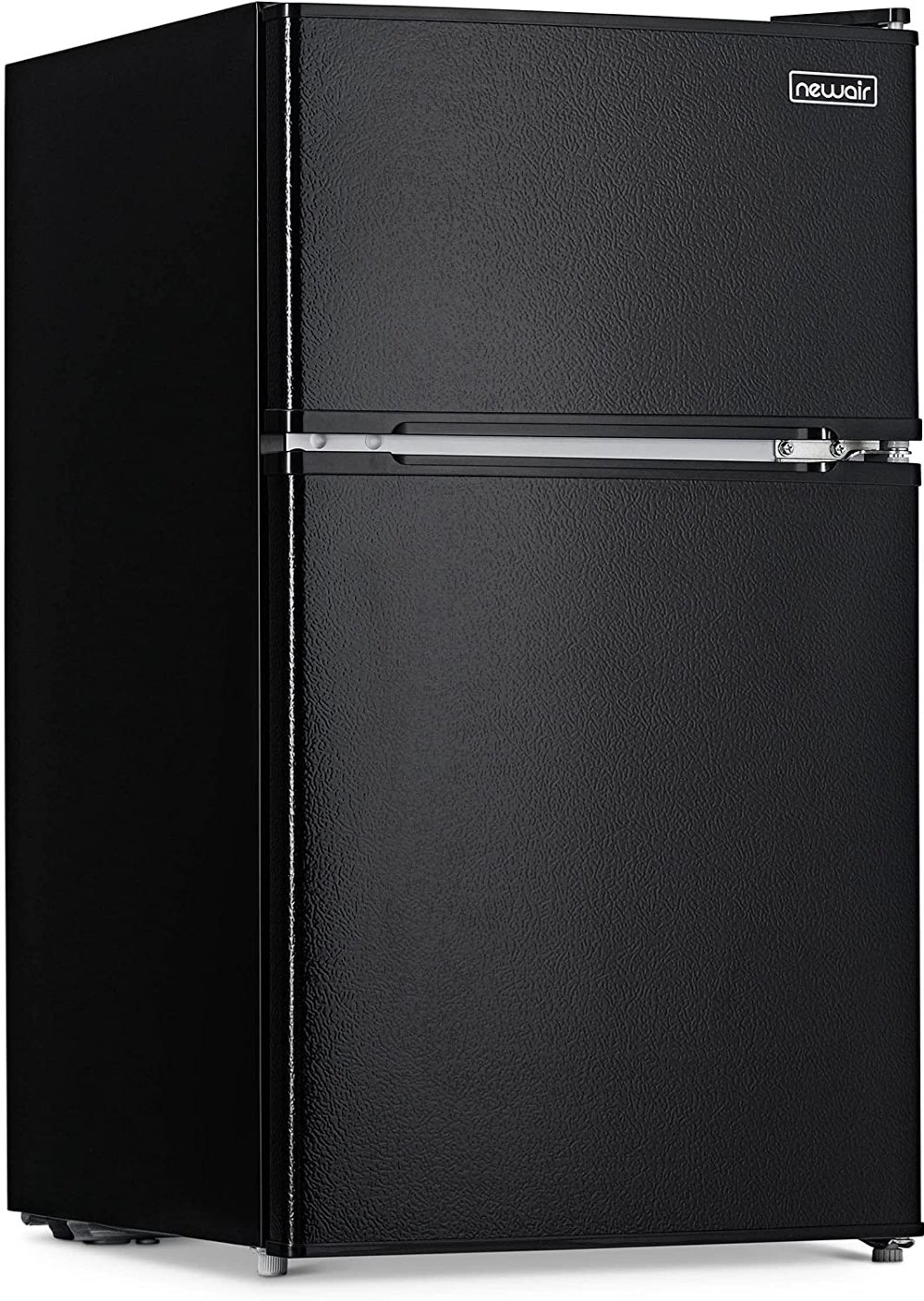
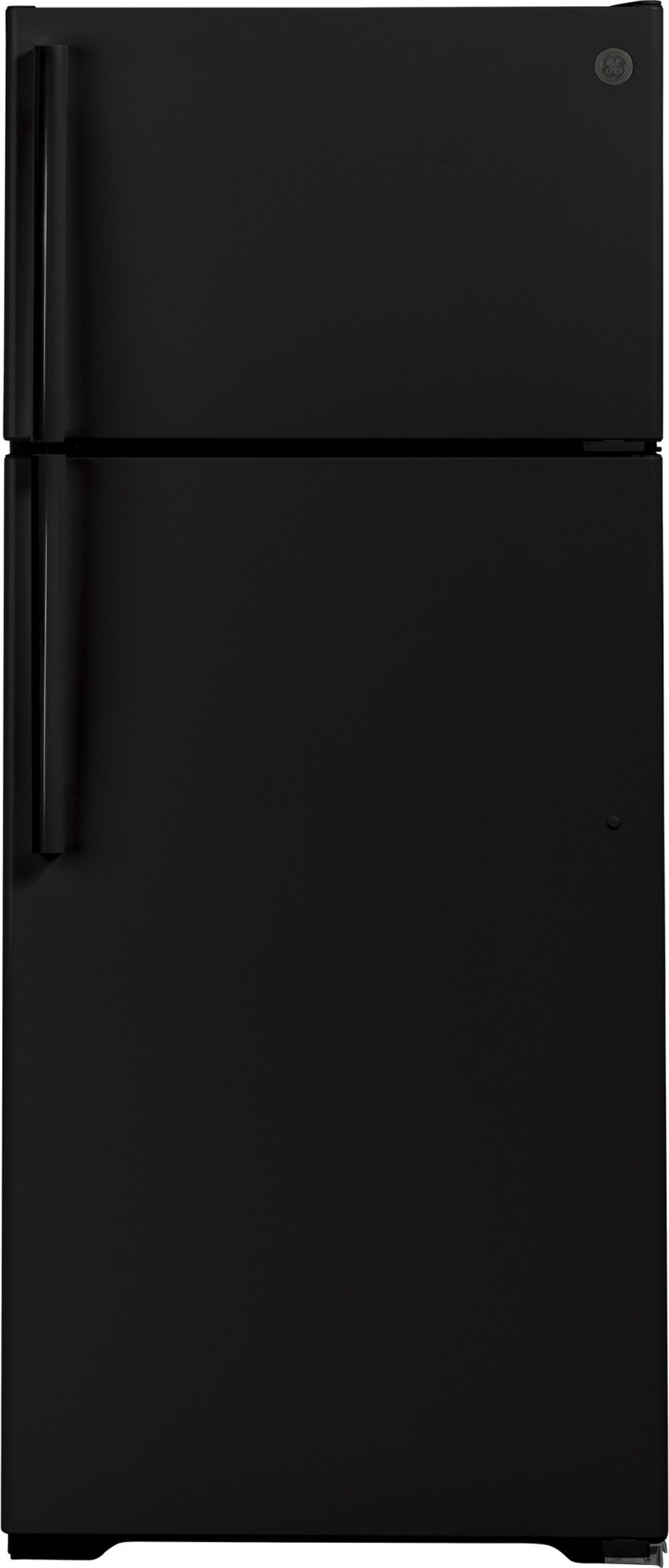
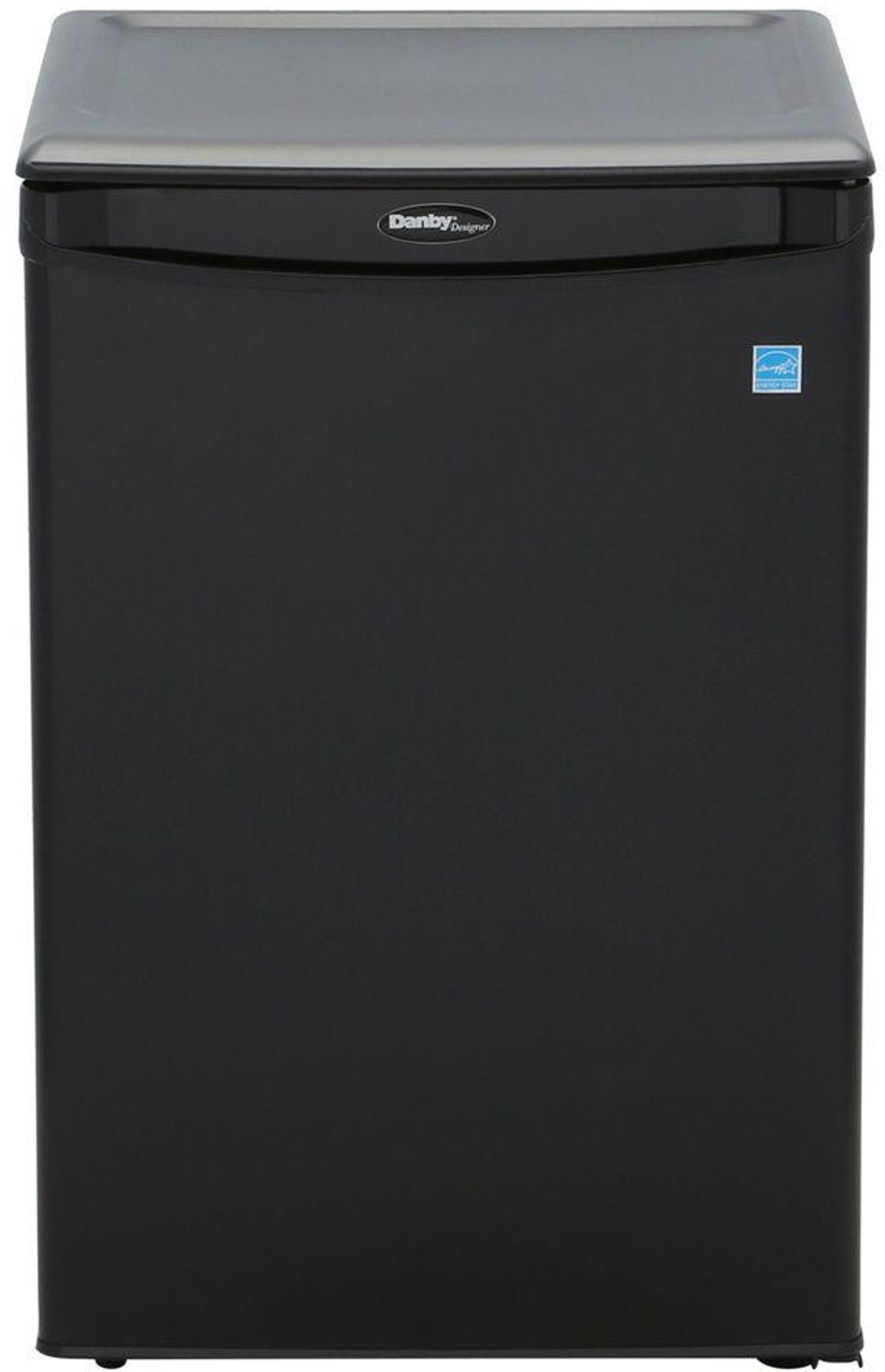
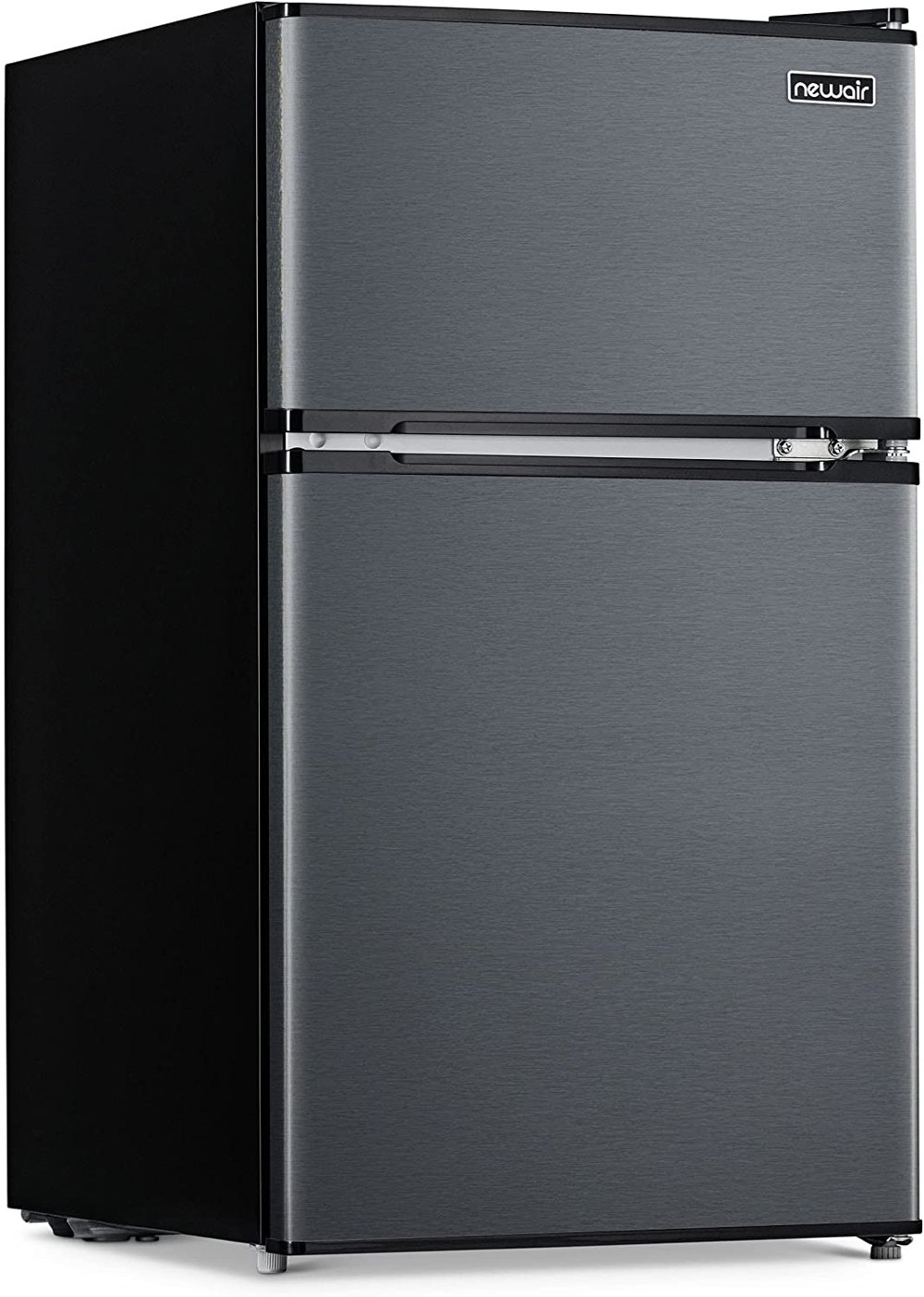
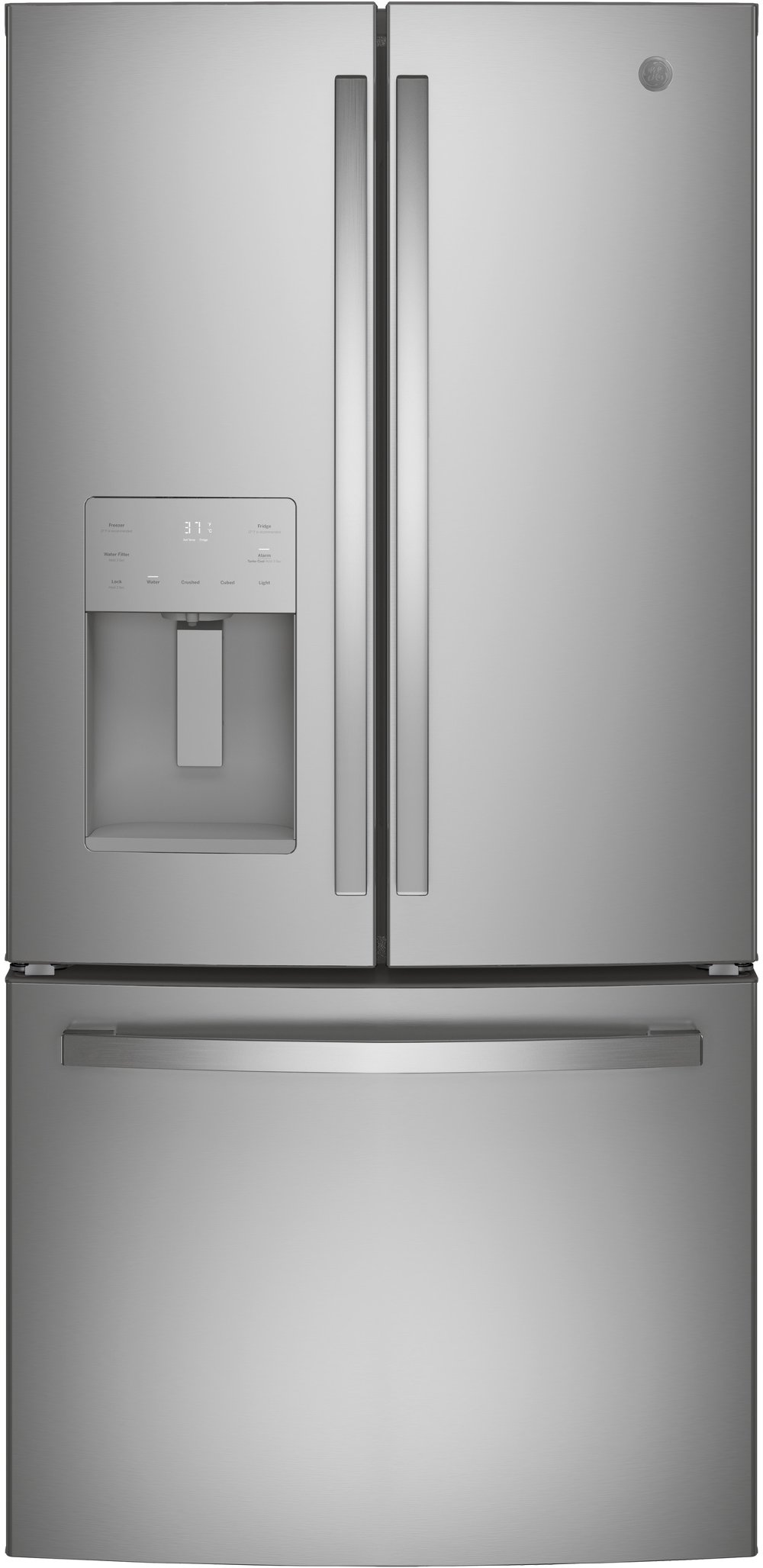
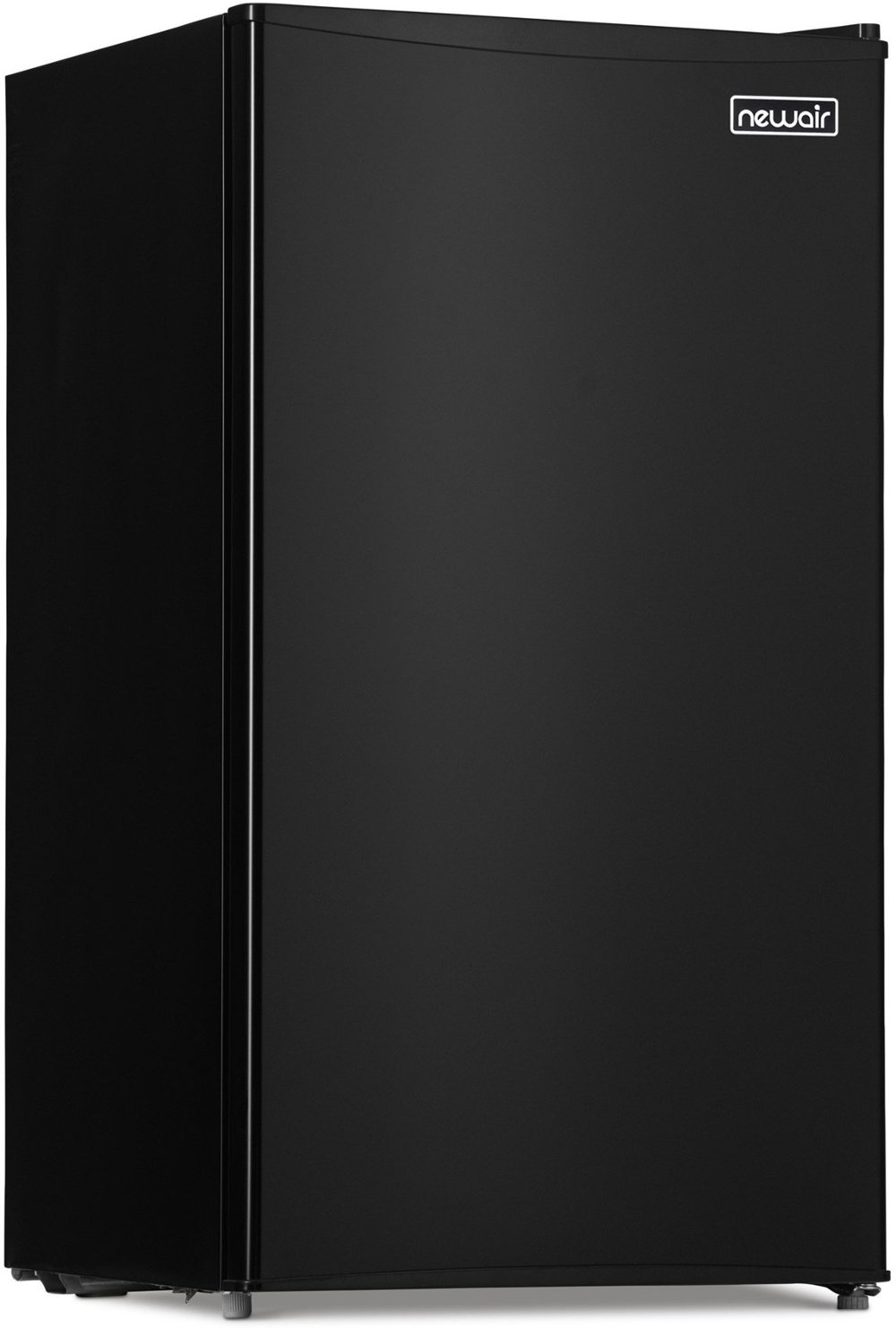
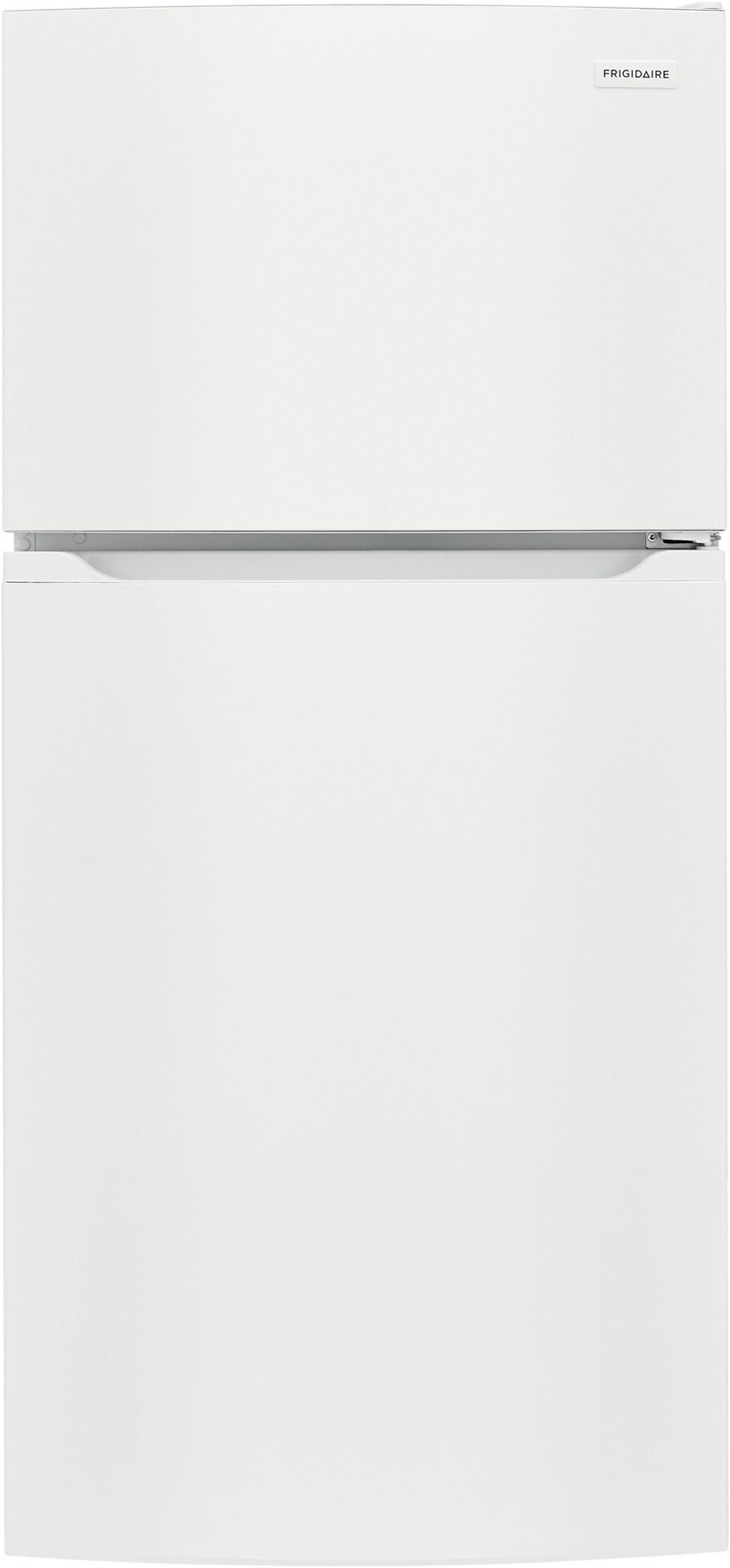
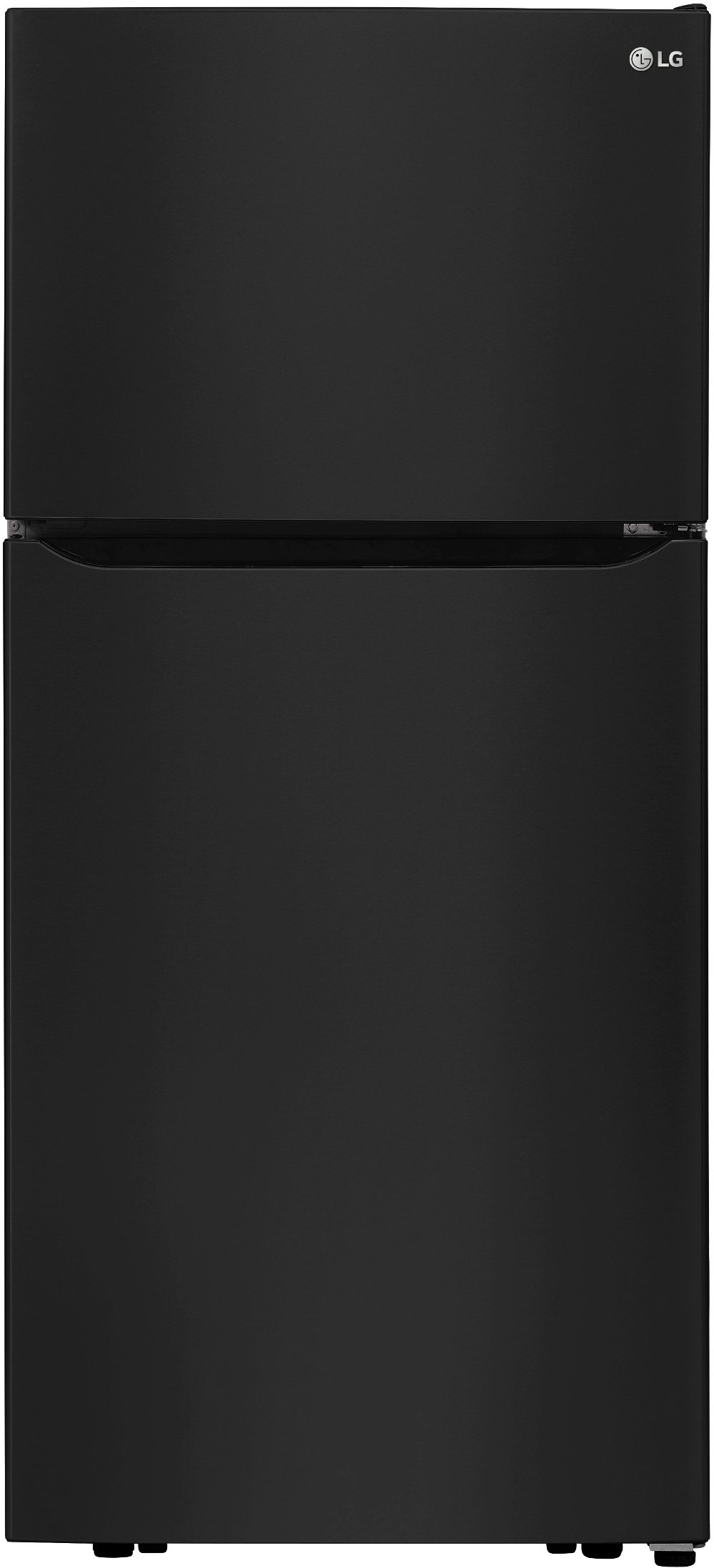
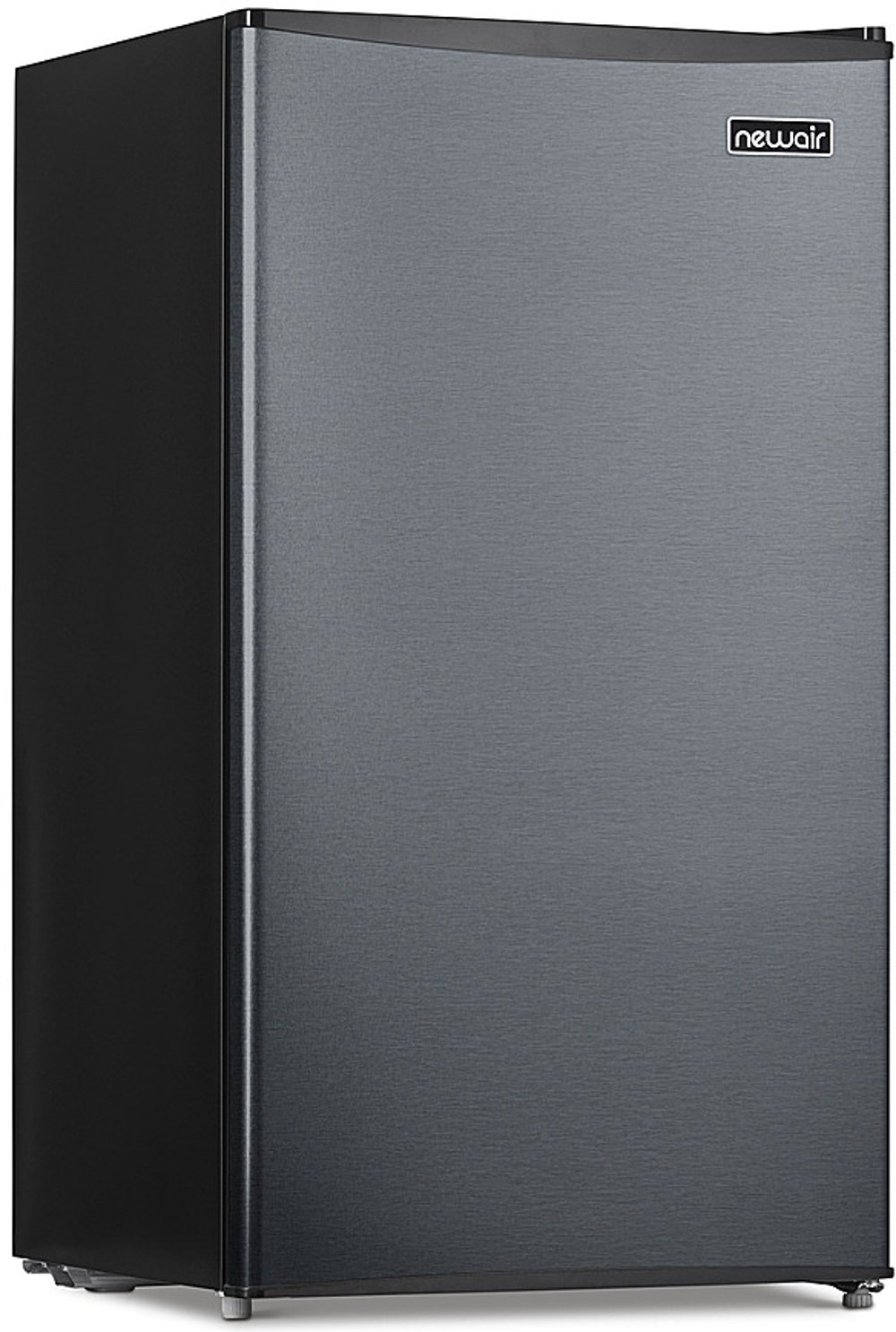
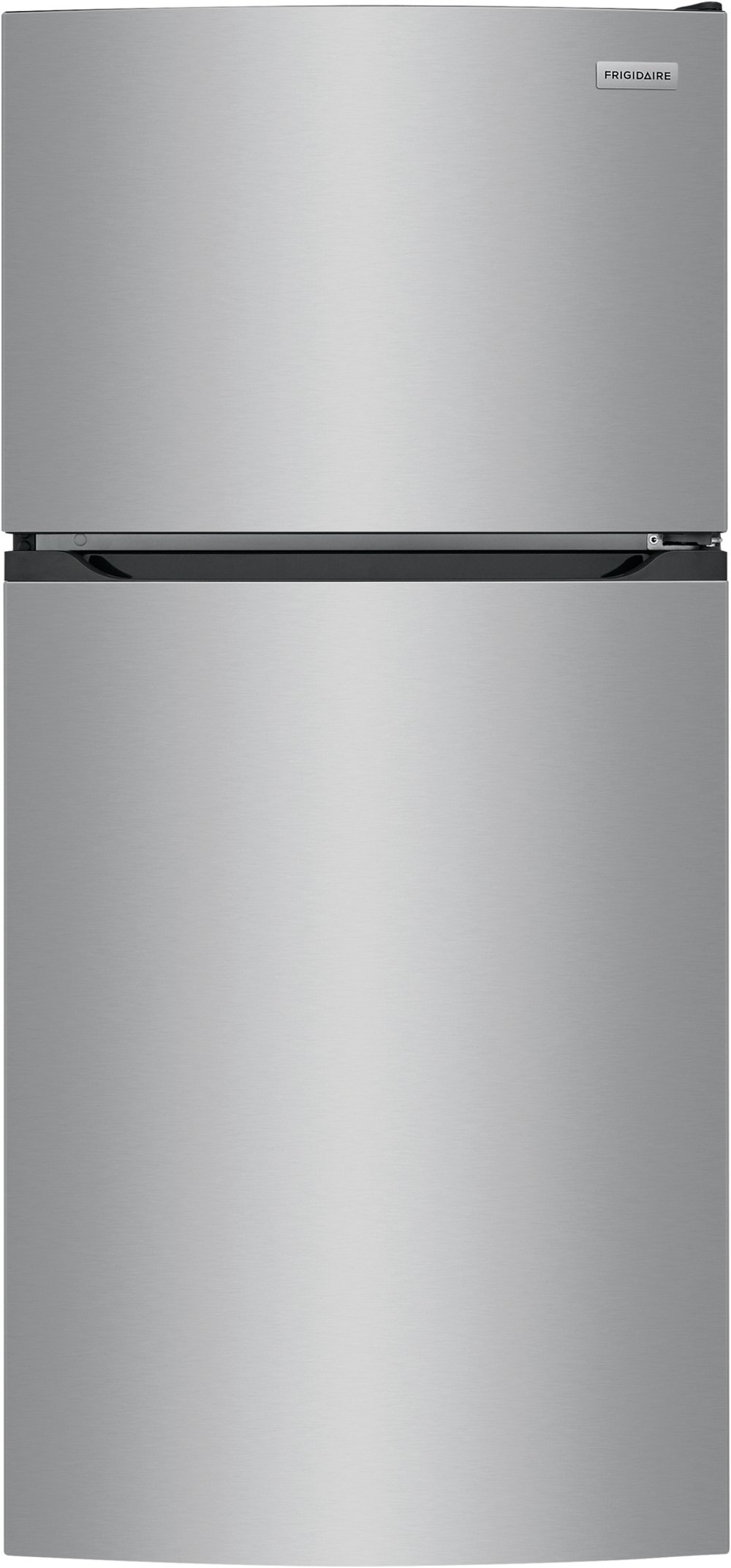
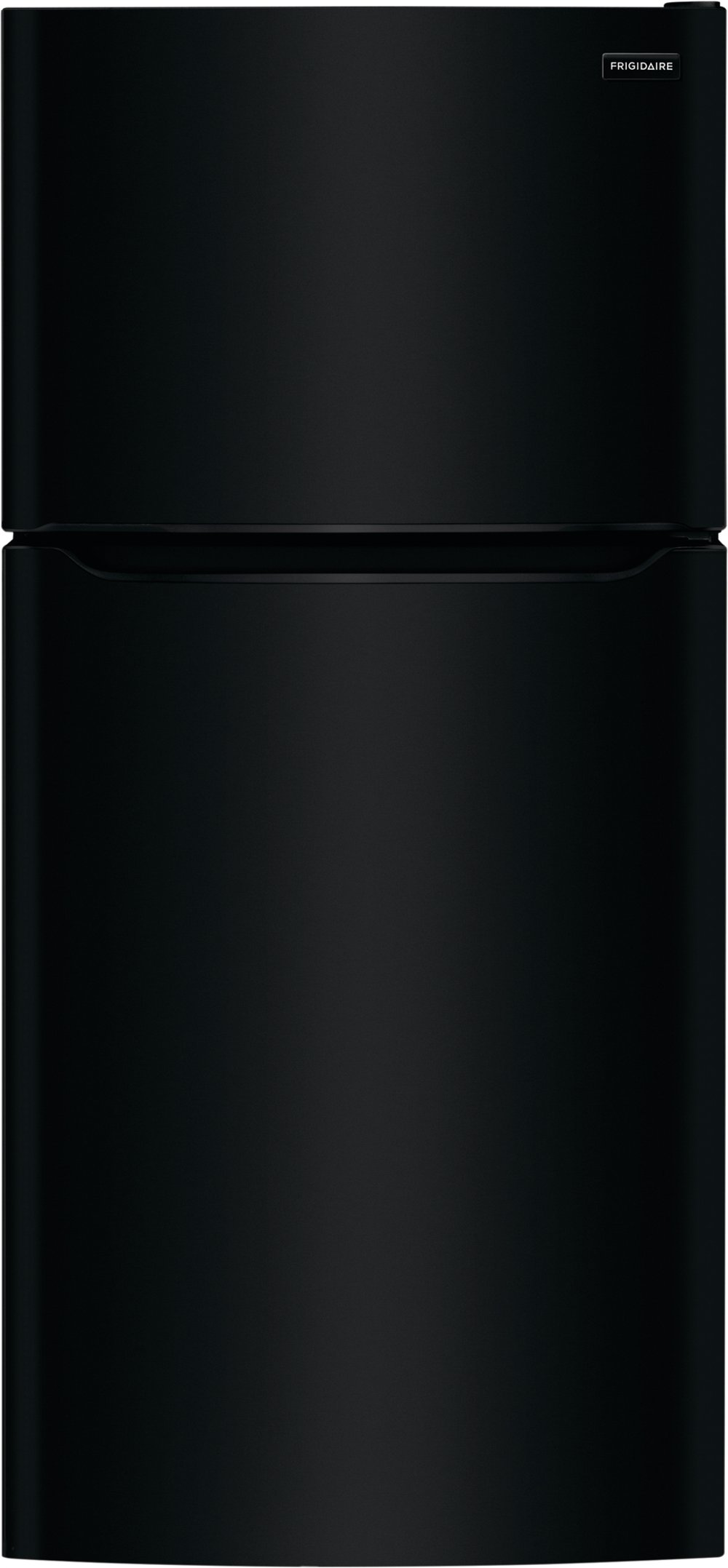
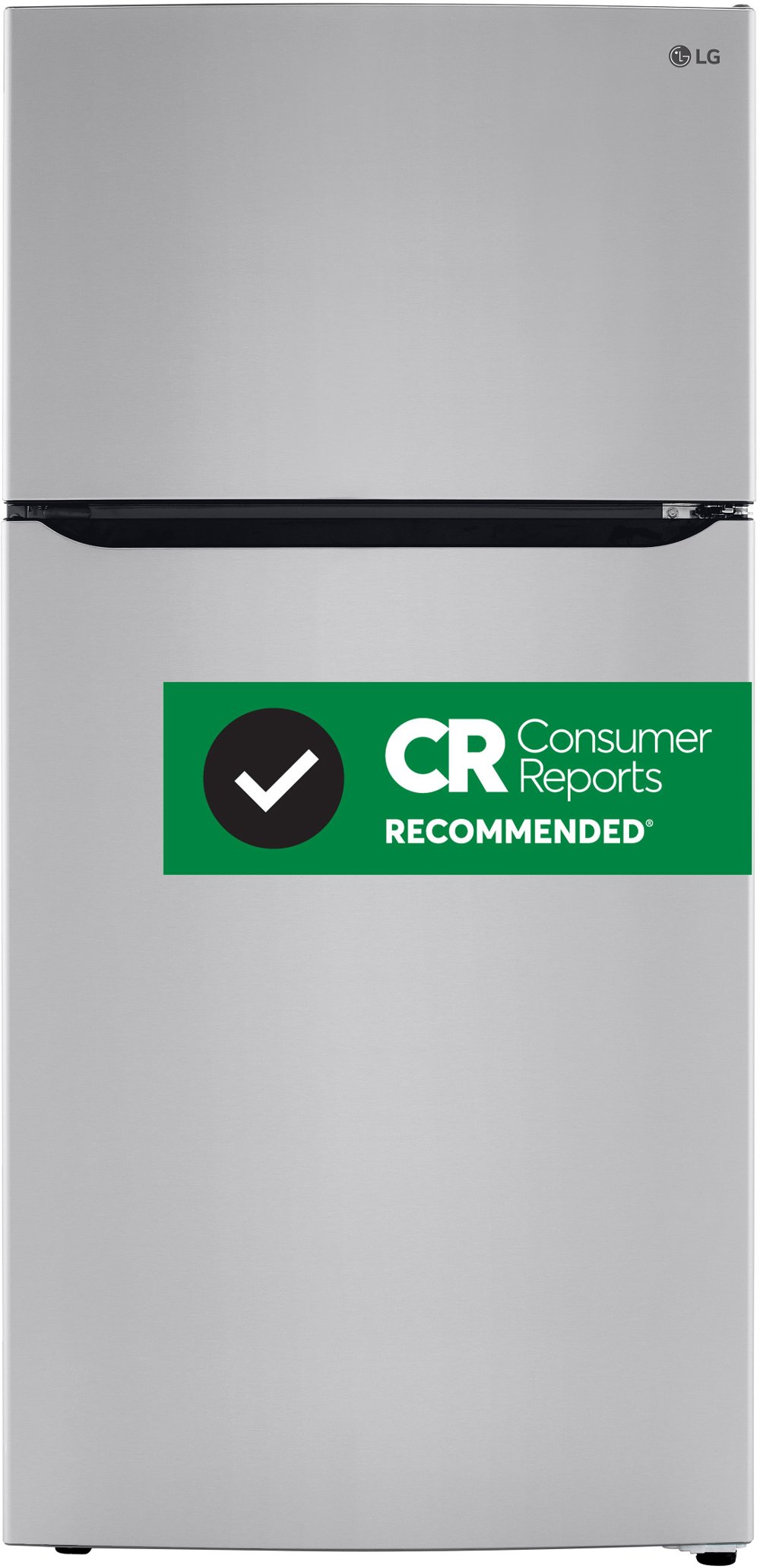
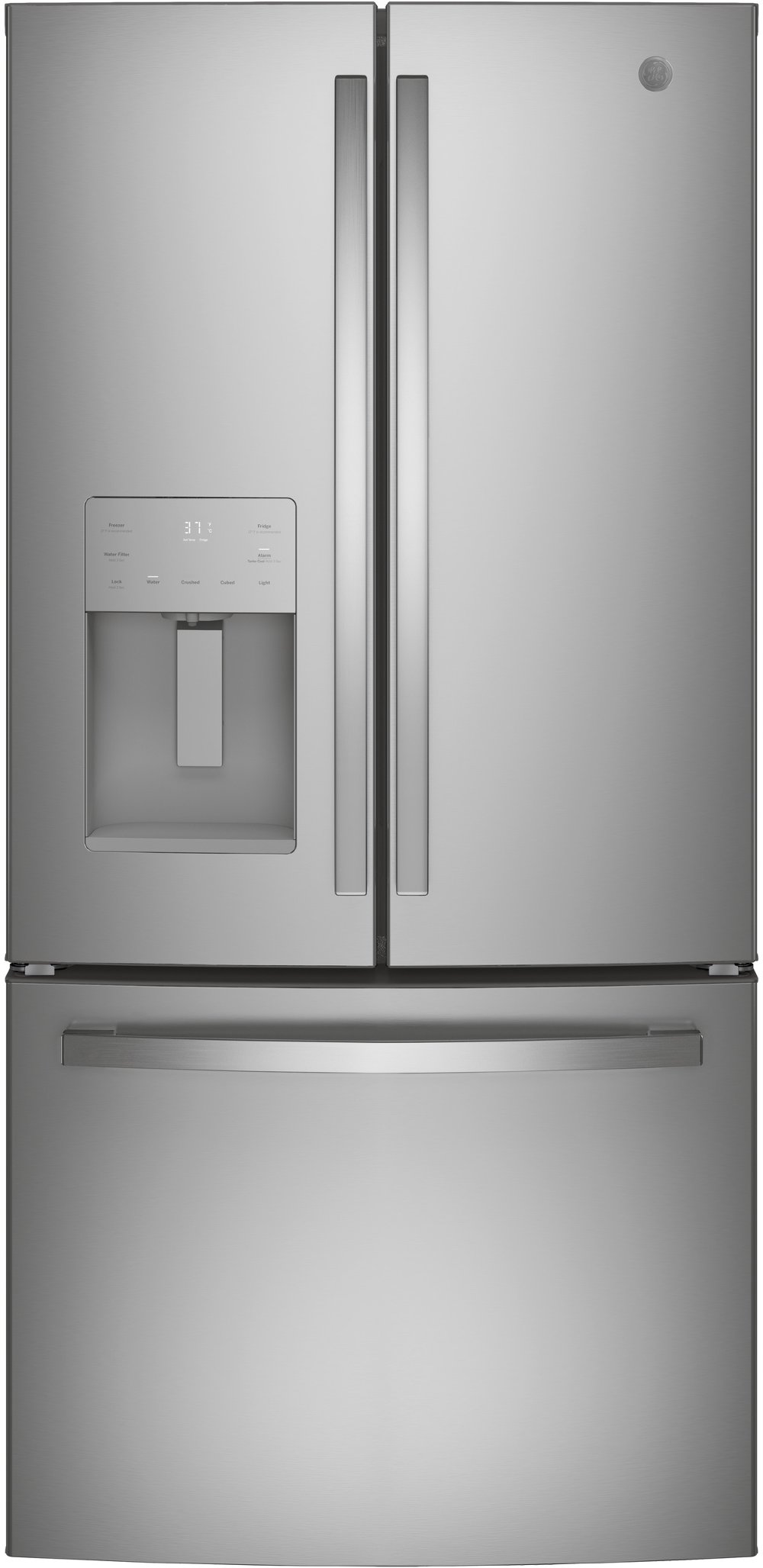
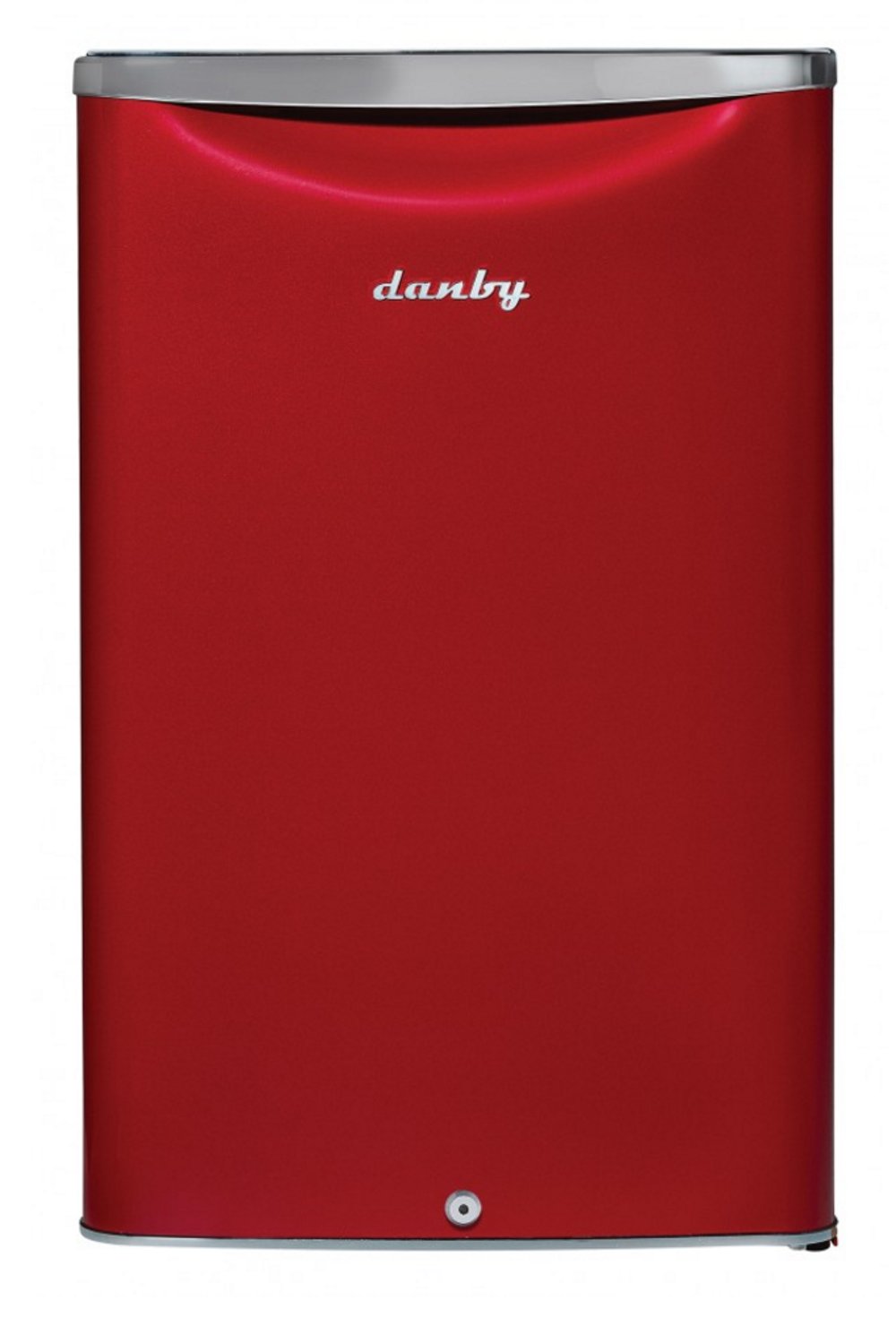
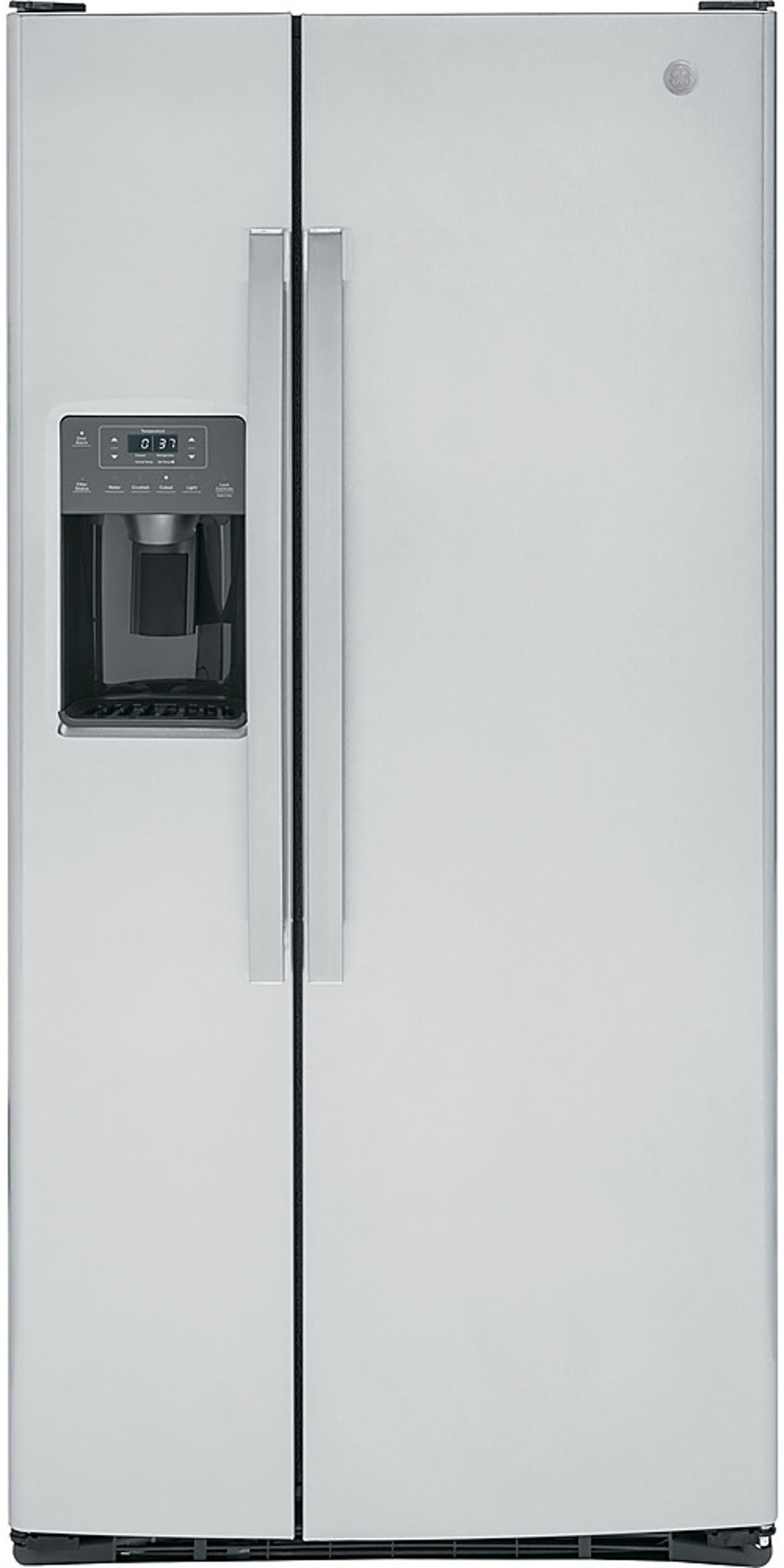
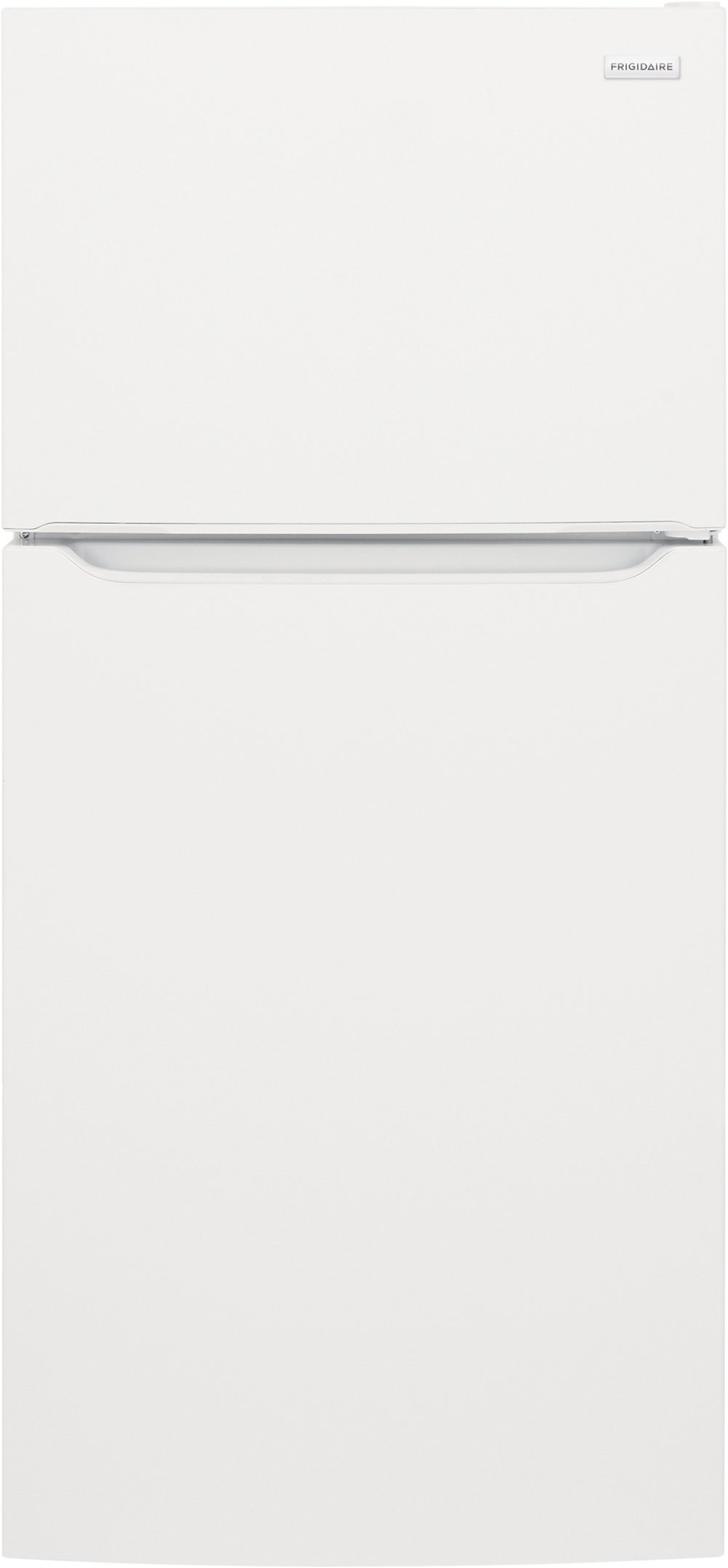
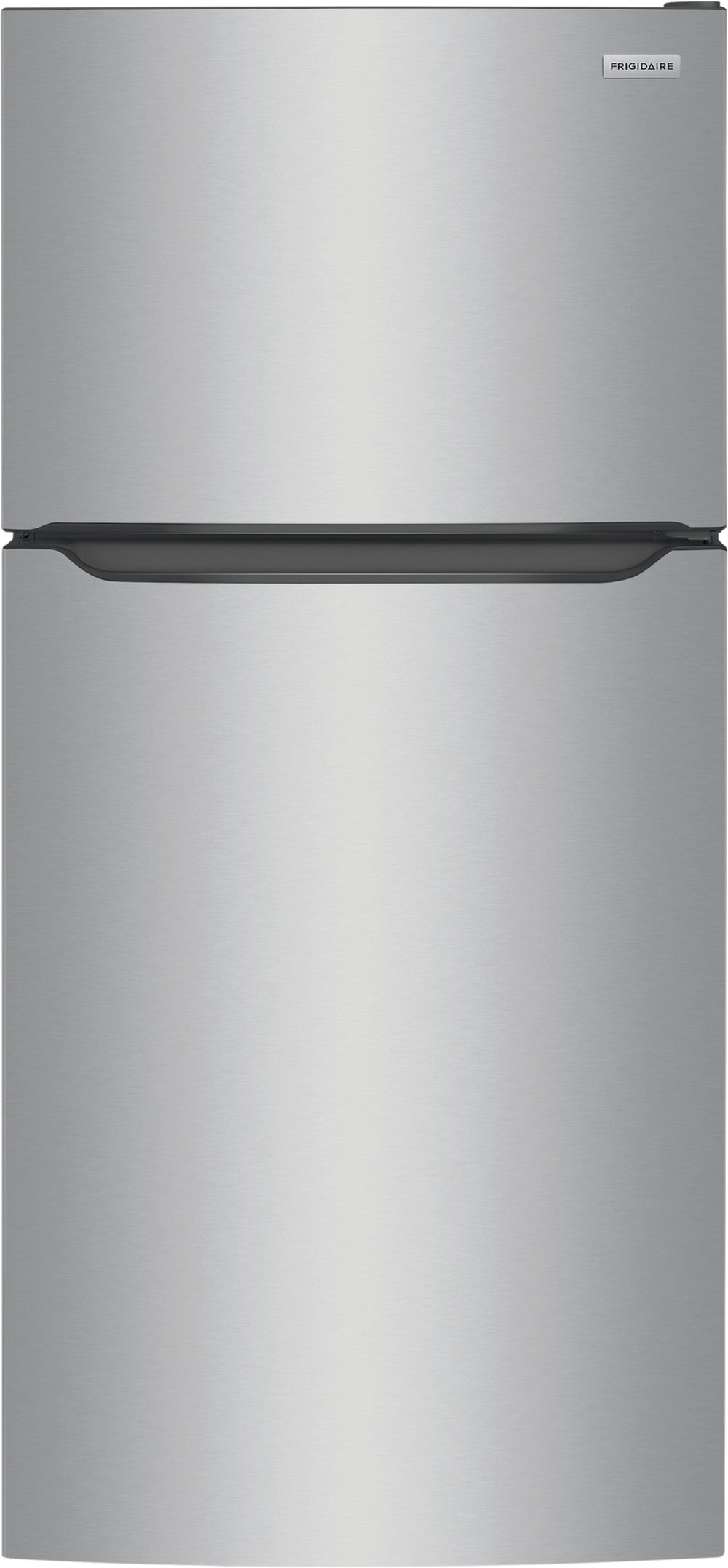
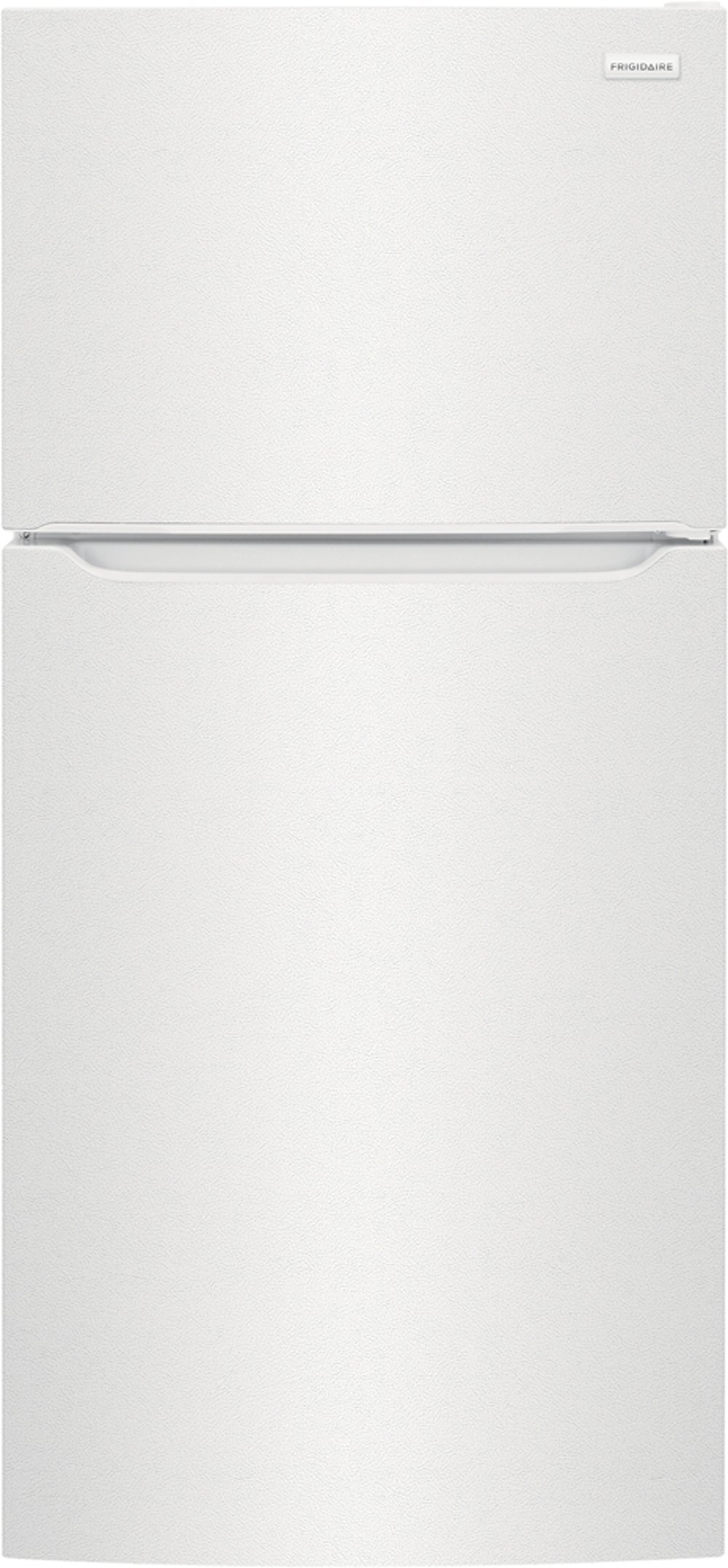
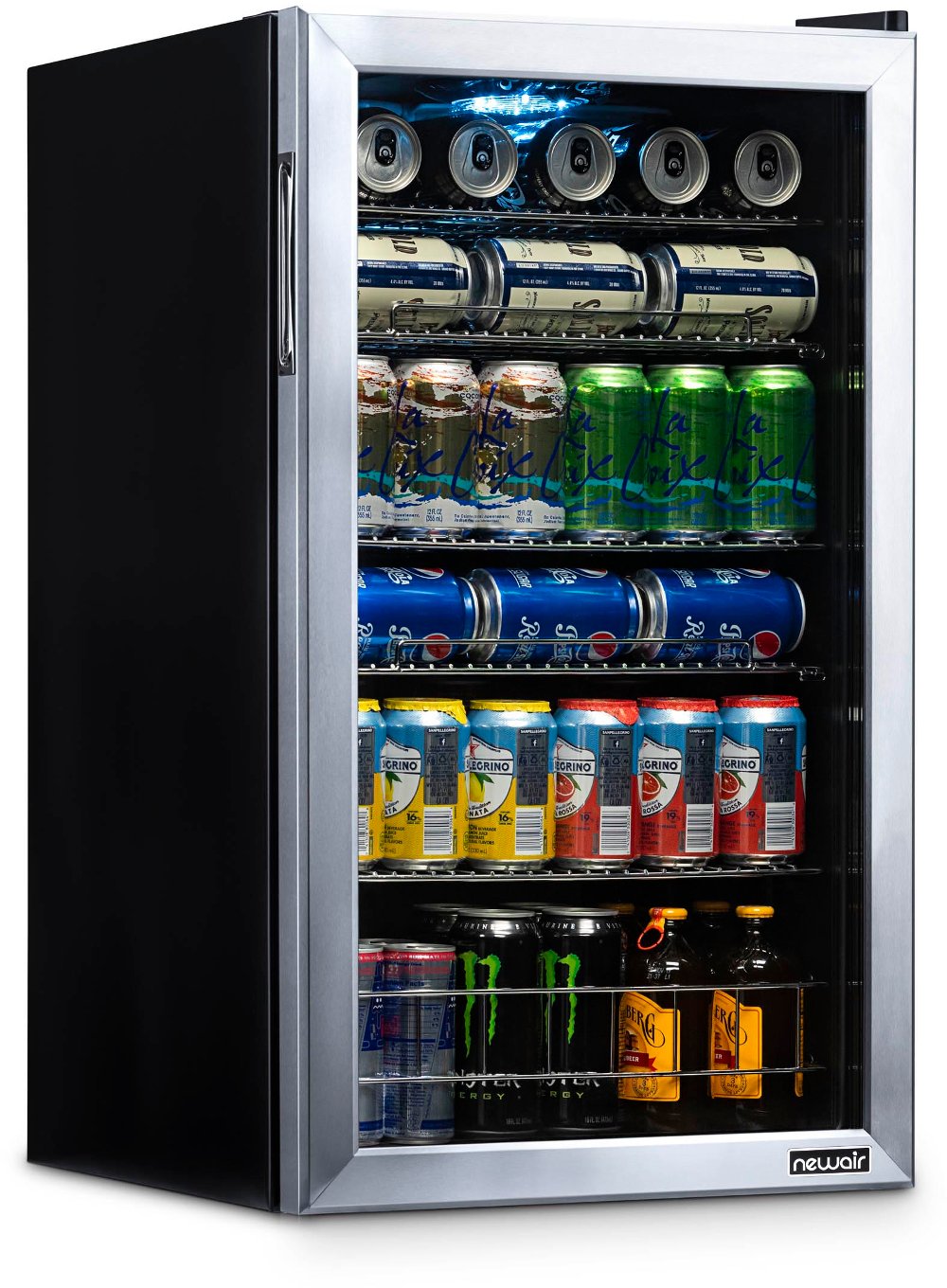
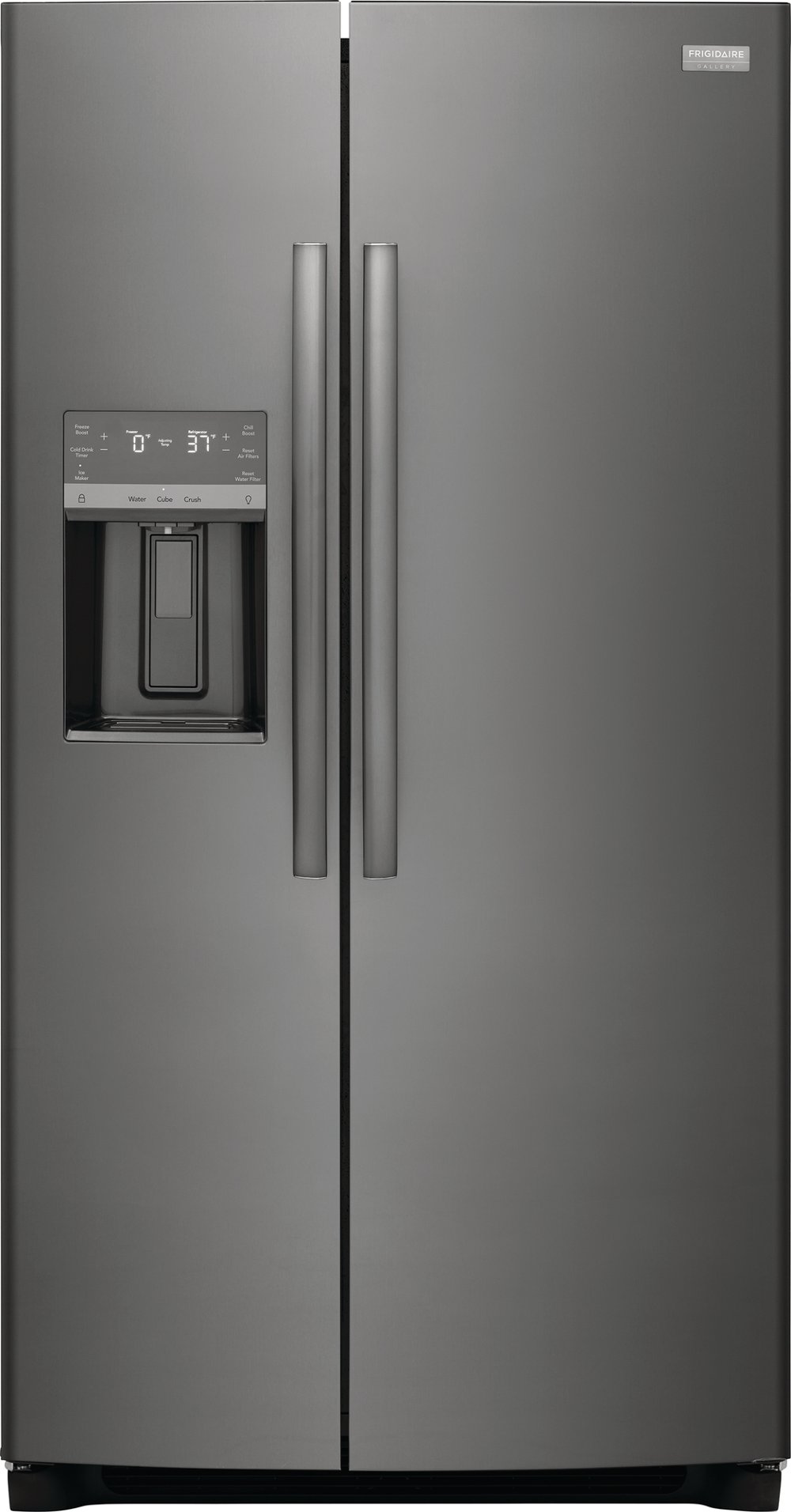
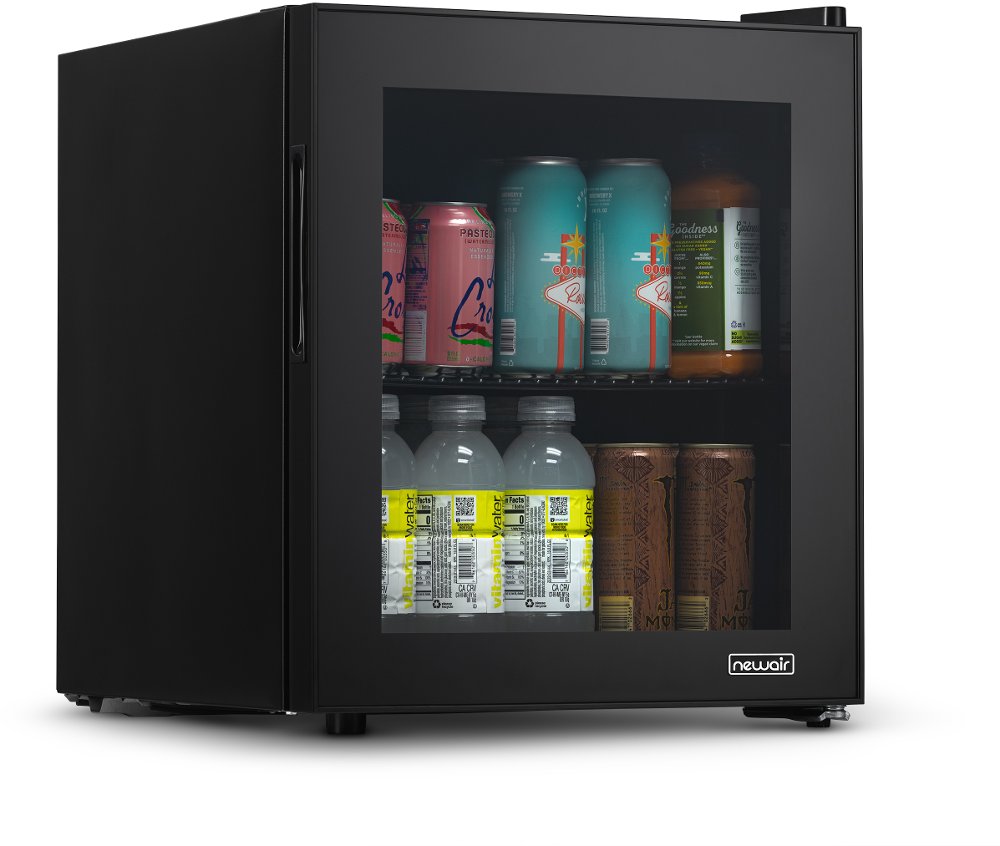
Refrigerators for tiny homes make it easier to enjoy fresh food without allowing a full-size appliance to take over the kitchen. In a small living space, every inch has a job, so a compact refrigerator can provide dependable cold storage while leaving room for a prep surface, sink, pantry shelves, or a comfortable walkway. These refrigerators typically range from roughly 1.8 to 10 cubic feet, with the right size depending on how often you cook, how many people share the home, and how much room you have for groceries. A smaller unit may suit one person who shops often and prepares simple meals, while a larger apartment-size refrigerator can be a better fit for a couple, a family, or anyone who likes to keep ingredients on hand. Compact upright refrigerators with separate freezer compartments offer a familiar everyday layout, while under-counter models can tuck neatly beneath a worktop. Some tiny-home kitchens benefit from a top-freezer design, and others work better with a refrigerator-only unit paired with a separate freezer or a chest-style cooler. You may also find top-opening options especially useful in mobile or off-grid homes, where holding cold air inside the compartment can matter when the lid opens frequently. As cooler weather arrives and the kitchen becomes a natural gathering place, thoughtful refrigerator placement can make meal preparation feel less cramped, whether you’re warming soup for one, storing packed lunches, or keeping ingredients ready for a relaxed dinner.
Before choosing a tiny home refrigerator, measure the space carefully rather than relying on an estimate. Record the opening’s width, height, and depth, then account for hinges, handles, ventilation clearance, electrical outlets, and the path from the entry door to the kitchen. A refrigerator that fits the cabinet opening still needs enough room for its door to swing and for air to circulate around the appliance. Measure exterior doorways and narrow hallways, too; getting a compact refrigerator through the home can be just as important as fitting it into place. Counter-depth and narrow models can help maintain an open feel, while an under-counter refrigerator may preserve sightlines across a small room. Think about storage in practical terms: adjustable shelves can accommodate tall bottles and pitchers, door bins can hold condiments, and a separate freezer compartment can keep frozen meals, ice, or seasonal ingredients within reach. Capacity is only useful when the layout makes it easy to see what’s inside. If you often cook from scratch, look for enough shelf area for produce and leftovers. If you spend more time traveling, entertaining, or eating out, a compact refrigerator may give you the essentials without using valuable floor space. An energy-efficient model can also help manage household operating costs, particularly in a tiny home where appliances may share a limited electrical system. ENERGY STAR certified refrigerators are designed to use less energy than comparable standard models, but always review the product specifications for estimated energy use and electrical requirements. Standard 110- or 120-volt plug-in models suit many grid-connected homes, while 12-volt direct-current refrigerators or powered coolers may work well with a battery and solar setup. Propane-capable or dual-fuel refrigeration can serve certain off-grid arrangements, but these installations require careful attention to ventilation, fuel connections, and local safety requirements. When your home uses solar power, compare the refrigerator’s starting and running demands with the capacity of your inverter, batteries, and panels. A qualified installer can help you confirm that the appliance matches your system before delivery.
The best refrigerator for a tiny home supports the way you actually live. A weekend cabin owner may prioritize a compact footprint and simple cleanup, while a full-time resident may want a freezer large enough for meal planning and fewer grocery trips. A traveling tiny-home owner may prefer a secure, durable design that works with a mobile power system, and someone creating an accessory dwelling unit may choose an apartment-size refrigerator that feels familiar to guests without overwhelming the room. These appliances can also make a thoughtful housewarming gift for someone settling into a compact home, renovating a studio, or outfitting a guest suite; a refrigerator is a practical upgrade that helps a new space feel ready for everyday life. Pay attention to noise ratings when the kitchen shares a room with the bed or living area, since compressor sounds that fade into the background in a large house can feel more noticeable at night. Reversible doors can make a meaningful difference when the layout is tight, and easy-to-clean shelves, smooth surfaces, and sturdy door storage can simplify the small routines that keep a home running well. If you’re furnishing a bedroom, office, or private guest area rather than a complete kitchen, explore Small Refrigerators for Bedrooms for additional compact storage ideas. Before ordering, confirm delivery access, installation needs, leveling requirements, and whether the refrigerator should rest before being plugged in after transport according to the manufacturer’s instructions. Then choose the capacity, configuration, power type, and finish that fit both your floor plan and your habits. With the right dimensions and dependable storage, a tiny home refrigerator can keep fresh food close, reduce unnecessary trips outside, and make the most of a kitchen where thoughtful design matters every day.
Read More