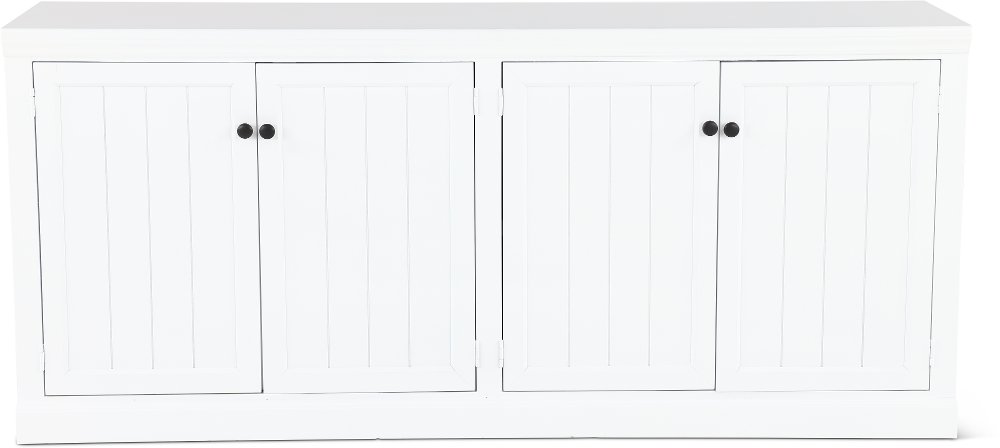
Replacing a television stand can refresh an entire room with a surprisingly simple change. Whether the original legs were misplaced during a move, a base cracked over time, or a wall-mounted television is ready to return to a tabletop setup, replacement TV stands offer a practical way to create a secure viewing station without replacing the screen itself. Tabletop bases, pedestal stands, and replacement legs can work well in apartments, bedrooms, guest rooms, family rooms, and smaller entertainment areas where a full media console may feel too large. A replacement stand can also help adjust the height of a television, making the screen easier to see from a sofa, recliner, bed, or gaming chair. Some designs keep the television stationary, while others swivel from side to side so viewers can turn the screen toward a dining area, reading nook, or seat at the edge of the room. Before choosing a replacement TV stand, identify how you plan to use the space. A compact pedestal can leave more of a dresser or console surface open for a soundbar, game system, streaming device, or decorative accents. A wider base can provide a more traditional look and may distribute the television’s weight across a larger area. If you’re furnishing a spacious wall or need room for components, explore Wide TV Stands for additional surface area and storage options. During the cooler months, the television often becomes part of a comfortable gathering place, with movie nights, sports, and favorite shows bringing people together. A thoughtfully chosen replacement stand helps keep that setup organized while giving the room a finished, welcoming appearance.
Compatibility is the most important detail when selecting a replacement TV stand. Start with the television’s screen size, total weight, and mounting-hole pattern, commonly called the VESA pattern. The VESA measurement is the distance between the mounting screw holes on the back of the television, measured horizontally and vertically in millimeters. A stand should support the television’s VESA pattern and carry more weight than the television weighs without its original base. Check the manufacturer’s specifications whenever possible, especially for larger screens or heavier models. Screen size alone doesn’t tell the whole story; two televisions with the same diagonal measurement can have different widths, depths, weights, and mounting patterns. Measure the surface where the stand will sit, too. A central pedestal needs enough room to rest flat and securely, while wide-set replacement legs need adequate space between the television’s mounting points and the edges of the furniture. Leave enough clearance for the screen, cables, ventilation, and any soundbar below it. The finished height matters as well. Ideally, the center of the screen should sit near eye level from the primary seating position, which helps create a more relaxed viewing experience and reduces the need to tilt your head upward. Swivel movement can be especially useful in open-concept rooms, but allow space for the television to rotate without bumping a wall, lamp, shelf, or nearby décor. Look for sturdy construction, a stable footprint, secure hardware, and clear installation instructions. If the stand includes brackets or adjustable components, confirm that they lock firmly before placing the television on the furniture. It’s also wise to route cords after the stand is assembled, keeping power cables and connection cables neat without pinching them beneath the base. A few minutes spent measuring and checking specifications can prevent the familiar frustration of opening a package only to discover that the mounting holes or furniture surface don’t align.
Replacement TV stands suit many households and can make a considerate gift for someone settling into a new home, updating a guest room, or creating a more comfortable entertainment area. They’re useful for college students and renters who need a flexible setup that doesn’t require permanent wall installation, as well as older adults who may appreciate a television positioned at a more comfortable height. A replacement base can also help a family repurpose an existing television for a playroom, basement, bedroom, or seasonal gathering space after the original stand has been lost or damaged. For a newly moved friend, pair the stand with practical installation help: measure the furniture together, organize the cables, and make sure the screen is stable before settling in for the first movie. In a home with children or pets, prioritize a broad, balanced footprint and follow recommended anchoring guidance for the furniture and television. Keep heavy components low, avoid placing objects where they could pull the screen forward, and maintain clear walkways around the entertainment area. Style plays a role, too. Clean lines can blend into a modern room, warm finishes can complement wood furniture, and enclosed storage can keep remotes, controllers, discs, and extra cables out of sight. Open shelving makes frequently used devices easy to reach, while a simple tabletop base can suit a room where the television should remain visually light. The best replacement TV stand is one that matches your television’s technical requirements, fits your furniture and floor plan, and supports the way you actually relax at home. With the right measurements and a secure installation, it can turn a temporary-looking television setup into a comfortable, organized part of the room.
Read More