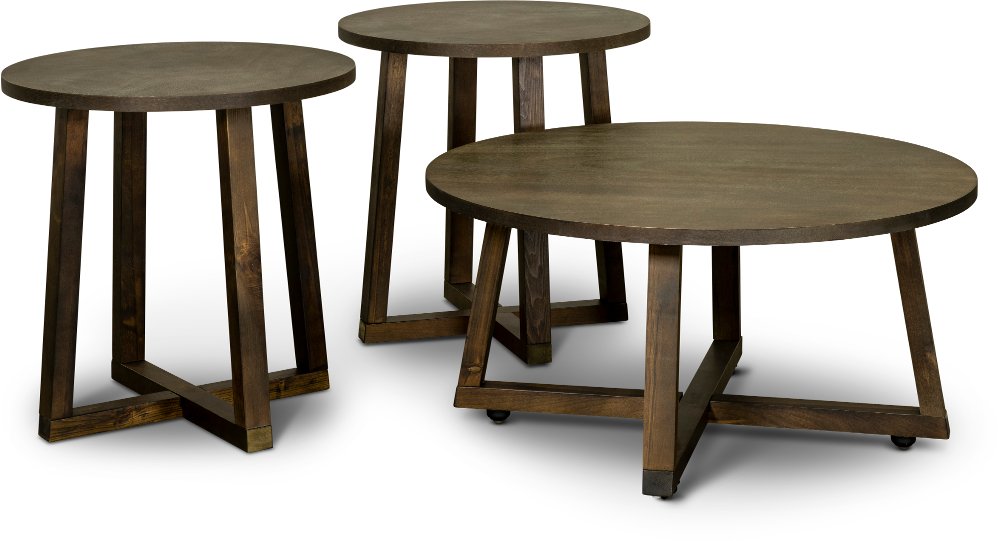
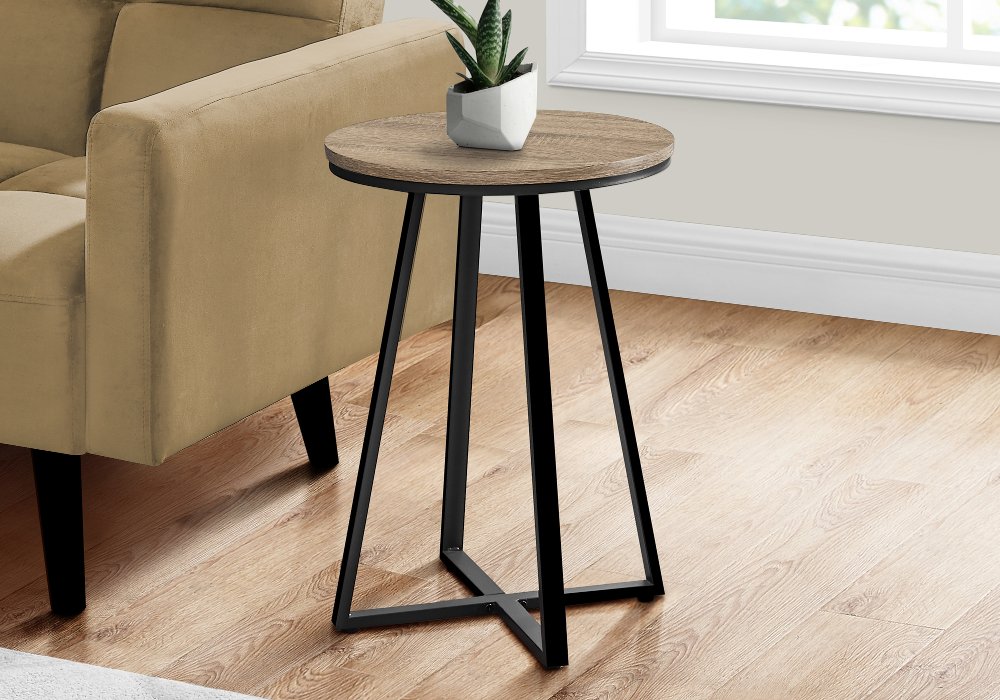
Round nesting tables give you extra surface space without asking you to keep every tabletop spread out all day. Typically designed as a coordinated set of two or more tables, they tuck together in a compact arrangement and separate when you need another spot for a drink, a book, or a guest’s plate. Their circular tops bring a softer line to rooms filled with rectangular sofas, cabinets, and rugs, helping a seating area feel less boxy without changing its overall style. Beside an armchair, a nested pair can hold a reading lamp on the taller table while keeping the smaller one ready for a cup of coffee. In front of a loveseat, larger round nesting tables can create a layered alternative to a single coffee table, with surfaces that shift to suit a quiet evening or a conversation with friends. That flexibility makes them especially useful in apartments, multipurpose living rooms, and homes where the same seating area handles reading, entertaining, and everyday downtime. Smaller pieces can move closer to individual seats, then return to their tucked-away position when the floor needs to be clear. Not every set nests completely, though; some designs leave part of the lower tabletop visible, creating a stepped arrangement even when the tables sit together. That distinction affects both the look and the amount of floor space the set occupies. For a placement primarily beside a sofa or chair, Nesting End Tables offer a related category to consider, with tabletop height and reach playing an important role in everyday comfort. Round shapes have no sharp tabletop corners, but they still need thoughtful placement so their legs and bases stay out of walking paths. A well-proportioned set makes the room easier to use: a drink stays within reach, a small stack of books has a home, and an extra surface doesn’t have to become a permanent obstacle. The appeal is as much about how the tables work together as how they look.
Materials give round nesting tables much of their character and influence how they hold up to daily use. Wood brings visible grain and a familiar warmth, whether the finish is pale and understated or deep and richly toned. Solid wood can develop small marks over time, and its response to moisture and humidity makes sensible care important. Wood veneer offers a real wood surface over a supporting core; its durability depends on the quality of that construction, the finish, and how the table is used. Painted and laminate surfaces offer different looks and care requirements, with smooth finishes that can suit casual family rooms or clean-lined contemporary spaces. Metal frames range from slender, airy supports to substantial pedestal bases, changing the visual weight of a set even when the tabletop sizes are similar. Glass tops keep more of the floor and rug visible, which can help a compact seating area feel open, though fingerprints and smudges may show readily. Stone tops add distinctive pattern and texture, but they can also make individual tables heavier to reposition. Natural stone, engineered stone, and stone-look surfaces aren’t interchangeable, so the material description matters more than appearance alone. A marble surface, for example, may need protection from acidic spills and periodic sealing according to its care instructions. Mixed-material round nesting tables balance these qualities: a wood top with a slim metal frame can feel relaxed but structured, while glass over a sculptural base puts more attention on the shape underneath. For durability, look beyond the tabletop to the way the whole piece comes together. Secure connections, an even stance, and a finish suited to the intended use all matter when tables will be moved frequently. Weight capacity also varies by design, especially between the larger and smaller pieces in a set. A table meant for a remote and a beverage shouldn’t be treated as a seat or step stool. In a busy living room, sturdy construction and a surface you’re comfortable maintaining often matter more than an elaborate finish.
Fit starts with the full arrangement, not just the diameter of the largest table. The nested footprint tells you how much space the set needs when tucked together, while the separated dimensions help you picture where each piece can go during use. Near a sofa, a tabletop close to the arm height generally makes setting down a glass more comfortable; in a coffee-table arrangement, a height near the seat cushion usually feels more natural. Allow enough room between the table and seating for knees and movement, and account for reclining footrests, nearby drawers, and doors that swing into the area. Base shape deserves attention, too. A wide ring or splayed legs may extend farther than expected, while some open frames allow the smaller table to slide neatly underneath without requiring much repositioning. If you plan to move the pieces often, manageable weight and a shape that’s easy to grasp are practical advantages. Lift rather than drag them, and use floor protection appropriate for the flooring and table feet. Everyday care is usually straightforward when it follows the manufacturer’s directions: wipe up spills promptly, use coasters beneath drinks, and place a protective layer under anything hot. A soft cloth helps remove dust without unnecessary abrasion, while cleaners should match the surface rather than serve as a one-size-fits-all solution. When styling the tables, leaving usable space keeps their flexibility intact. A lamp or low bowl on the larger top and an uncluttered smaller table can look finished without making every move a rearranging project. Households with children or pets may prefer stable bases and fewer breakable accessories within reach. For someone furnishing a first apartment or settling into a new home, a nesting set can also be a thoughtful housewarming gift when the room’s measurements and the recipient’s taste are known. Whether the goal is a compact bedside arrangement, a flexible conversation area, or a useful spot beside a favorite chair, round nesting tables bring coordinated surfaces to the places where daily life happens.
Read More