Nesting Tables

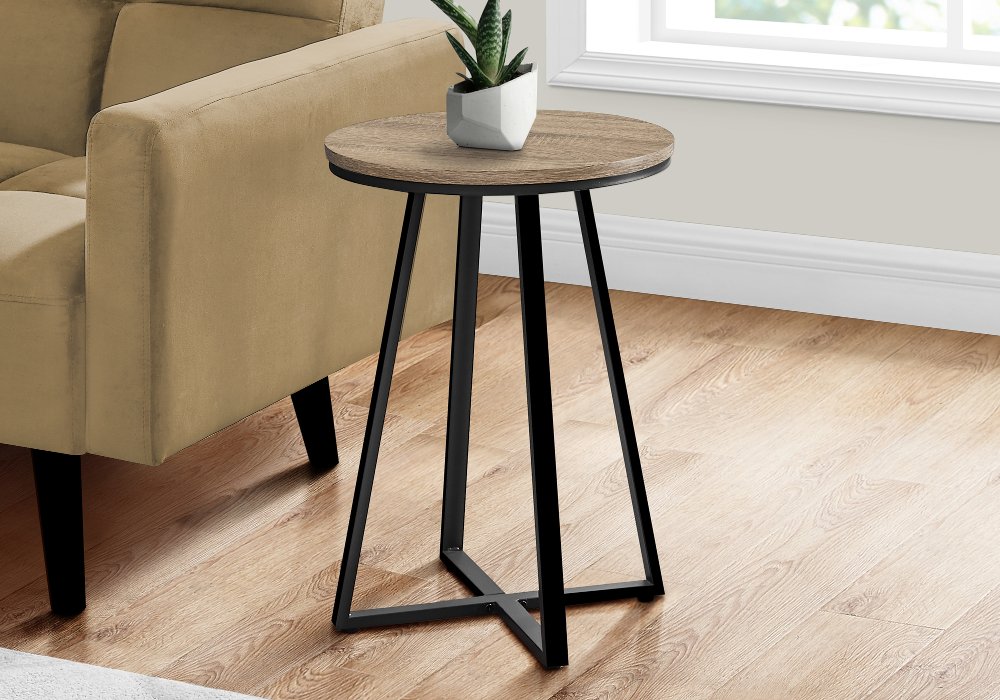
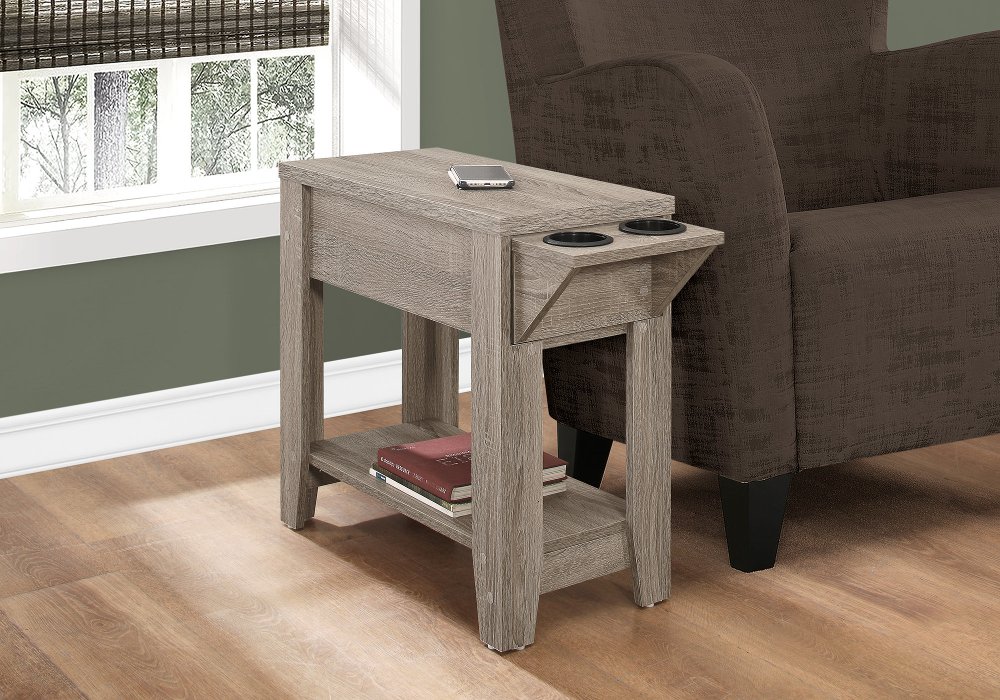
Nesting tables give you extra surface space when you need it and tuck together to save room. Browse nesting table sets at RC Willey for flexible accent tables you can place beside a sofa or chair. Consider both the nested footprint and each table’s size to find a fit for your space and everyday needs.

Read More

Nesting Tables

Nesting tables are sets of two or more coordinated tables in different sizes and heights that tuck beneath or partially overlap one another. They give you extra surface space when you need it and a compact arrangement when you don’t. Beside a sofa, a nested set can hold a reading lamp and a favorite book without taking up the footprint of several separate end tables. When friends come over, the smaller tables can move beside individual seats, giving everyone a convenient place for a drink or small plate. That flexibility makes nesting tables especially useful in apartments, living rooms with limited floor space, and multipurpose rooms where the furniture needs to accommodate different activities. They’re equally at home in a spacious seating area, where a coordinated set can connect a sofa, accent chairs, and an ottoman without making every piece match. Some designs nest almost completely, while others keep part of each tabletop visible, creating a layered arrangement even when the tables sit together. Round nesting tables soften the lines of a room filled with rectangular furniture and can work well between angled chairs. Square and rectangular shapes sit neatly beside sofa arms or along a wall, with straight edges that make the most of a narrow spot. Larger nesting coffee tables can serve as the center of a seating area, while smaller nesting end tables offer flexible surfaces around its edges. The right proportions depend on how you’ll use them: a tabletop near the height of a sofa arm makes a comfortable landing place for a glass, while a lower table may suit a central grouping. The smallest table deserves attention, too. It should offer enough usable space for the things you actually set down, rather than simply looking appealing beneath the larger piece. Whether you’re furnishing a first apartment, adding function to a reading corner, or making a shared living room easier to enjoy, nesting tables bring useful versatility without requiring a permanent spot for every surface.

Materials influence both the appearance of nesting tables and how they fit into everyday life. Wood brings grain, texture, and warmth to a seating area, with finishes that can feel relaxed, traditional, or clean and contemporary. Solid wood can develop small variations over time, while wood veneer offers a real wood surface over a supporting core; either construction benefits from thoughtful handling and care suited to its finish. A wood look alone doesn’t tell the whole durability story. Secure joints, well-supported tops, stable bases, and a protective finish all matter when a table will see frequent use. Metal frames can create a slim, open profile, which helps a group of tables feel less visually crowded beside upholstered furniture. Painted, plated, and other metal finishes have different care requirements, and their edges deserve protection from repeated bumps as the tables move in and out. Glass tops keep the arrangement visually light and allow a rug’s pattern to remain visible beneath them. They also show fingerprints and smudges readily, making regular wiping part of their upkeep. Tempered glass is stronger than ordinary glass, but it still needs careful handling and protection from sharp impacts. Stone surfaces add distinctive pattern and substantial weight; depending on the material and finish, they may need sealing or protection from acidic spills. For any tabletop, coasters and prompt spill cleanup help preserve the surface, while cleaning products should follow the manufacturer’s recommendations. A soft cloth is often useful for routine dusting, but abrasive pads and harsh cleaners can damage many finishes. Mixed-material nesting tables can balance these qualities, pairing a textured top with a slender base or combining warm wood with smooth metal. Beyond appearance, a set should feel steady when each table stands on its own. Level contact with the floor, secure connections, and enough clearance between nested pieces help make regular rearranging feel easy rather than fussy.

A good fit includes the space the tables occupy together and the space they need when separated. Measuring both arrangements helps preserve a comfortable route through the room, especially between a sofa and a television stand or near a frequently used doorway. Painter’s tape on the floor can make those footprints easier to picture before adding furniture. In a compact living room, the larger table might stay beside the sofa with a lamp, while the smaller one moves to an accent chair for an afternoon of reading. During a board game, separate tables can hold snacks outside the playing area; afterward, they slide back together and leave more open floor space. That usefulness depends on access, so a smaller table that’s trapped behind a sofa leg or under a low shelf may be less convenient than its dimensions suggest. A visible nesting gap also matters when tops have raised edges or textured finishes that could rub against one another. Tables should separate without forcing, and lifting rather than dragging helps protect their frames and the flooring. Appropriately fitted floor protectors can help reduce scratches, provided they don’t interfere with the nesting clearance. In homes with children or pets, rounded edges and sturdy bases are worth considering, though no occasional table should double as a step stool or extra seat unless it’s specifically designed for that purpose. Heavier tops may feel substantial but take more effort to reposition, so easy handling matters if you expect to move the tables often. For a wedding or housewarming gift, a nesting set can be a thoughtful choice when the recipient’s room dimensions and decorating preferences are known. Coordinating shapes and finishes can also connect these tables with other nesting furniture while leaving room for personal touches. A ceramic bowl, a small stack of books, or a single lamp can make the larger table feel settled without covering every surface. Leaving some tabletop clear preserves the everyday convenience that makes nesting tables such a practical addition to a home.
Read More

Frequently Asked Questions

Filter By