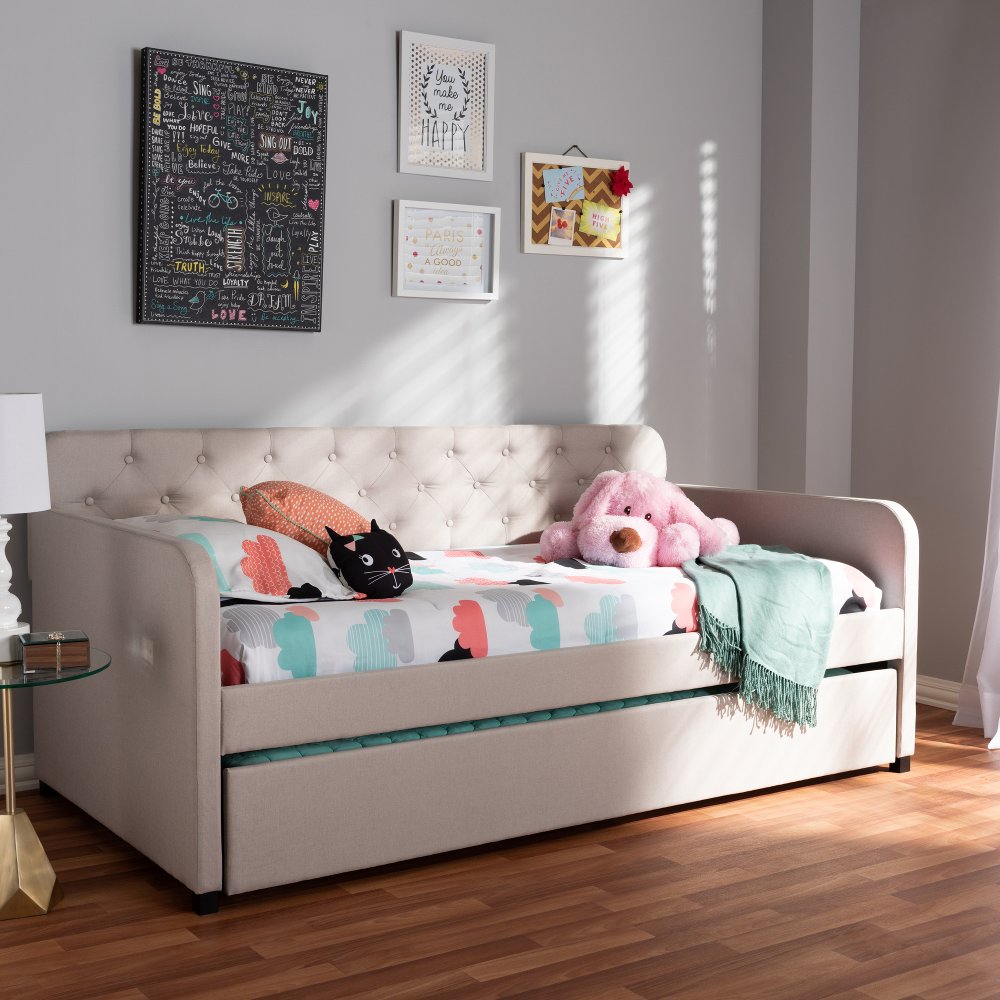
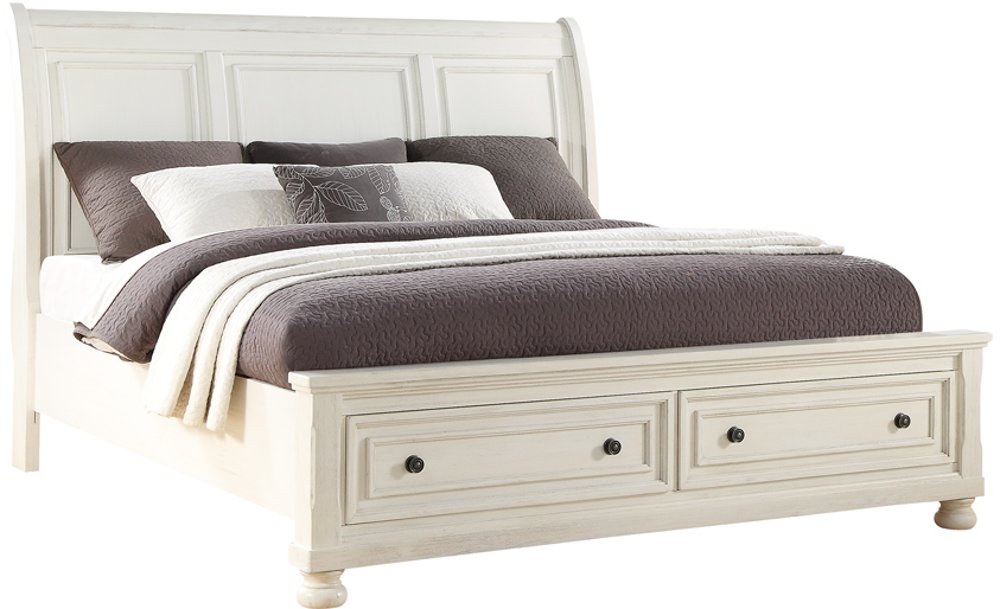
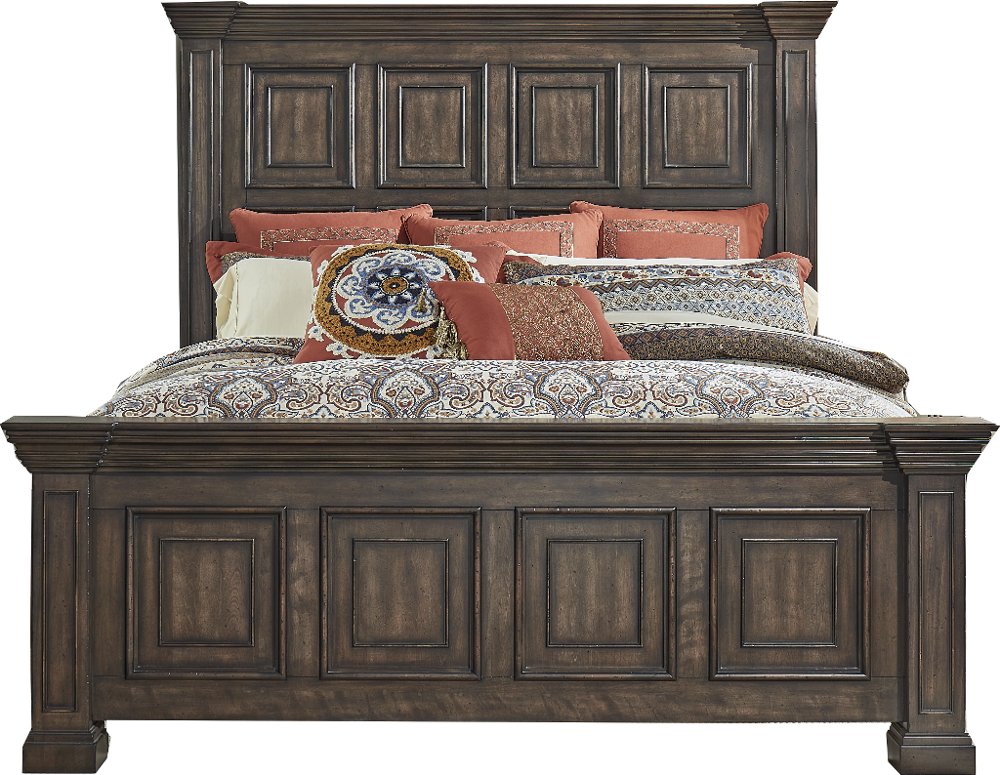
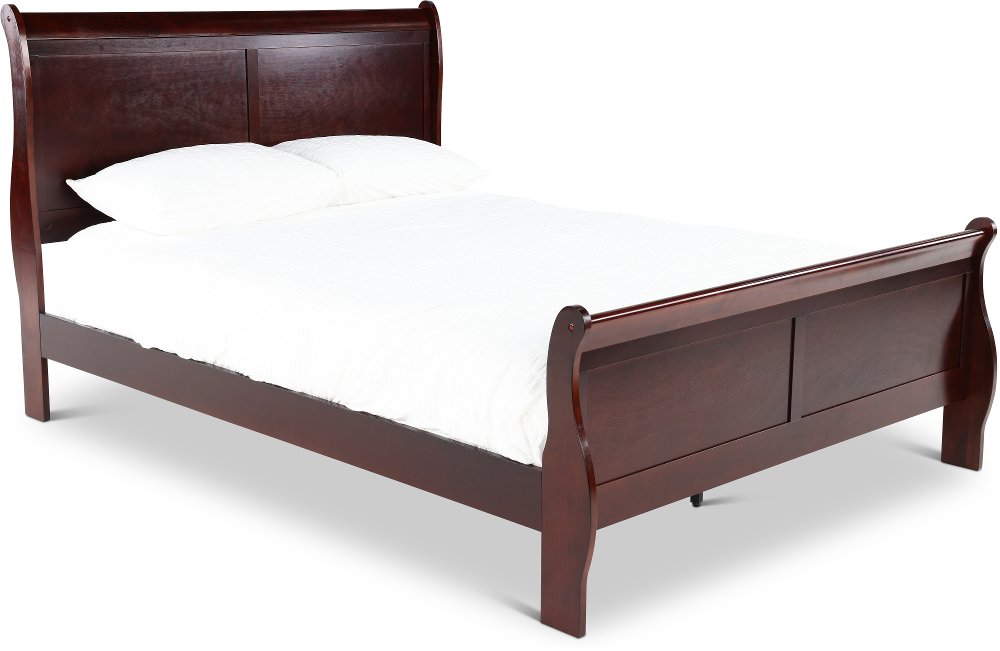
Rubberwood bed frames bring the warmth of real wood to a bedroom, with a fine grain that suits everything from a relaxed guest room to a carefully coordinated primary suite. Rubberwood is a hardwood from Hevea brasiliensis, the tree grown for natural latex. The timber is commonly harvested after the trees’ productive latex years have ended, giving the wood another use rather than relying on trees grown solely for lumber. That makes rubberwood a resource-conscious material choice, although responsible sourcing, manufacturing practices, and finishes also matter when considering a frame’s environmental impact. Despite its name, rubberwood isn’t soft or rubbery; properly dried and treated lumber provides a sturdy material for indoor furniture. Its naturally pale, creamy color takes stain well, allowing finishes that range from light and airy to deep and richly toned. A clear or lightly tinted finish lets the subtle grain show through, while darker stains can give the same wood a more formal presence. For a room with woven shades, linen bedding, and a soft rug, a lighter wood finish keeps the space feeling easygoing. Against crisp bedding and darker walls, a deeper finish creates a defined focal point without needing elaborate ornamentation. Rubberwood also works across different bed silhouettes, including clean-lined platform beds, paneled headboards, and more traditional shapes with curved or turned details. The wood species alone doesn’t determine how a bed looks or performs, so construction details deserve as much attention as the finish. A frame described as rubberwood may combine solid rubberwood legs and rails with veneers, engineered wood panels, or slats made from another material. Those combinations aren’t automatically a drawback, but the component descriptions help clarify what supports the mattress and what provides the decorative surface. For everyday use, the most useful distinction is between an attractive wood finish and a thoughtfully built support system; a dependable bed needs both the look that belongs in your room and construction suited to the way you sleep.
The right rubberwood bed frame fits your mattress, your room, and your daily routine. Start with the mattress size, then check the frame’s full outside dimensions rather than assuming a queen or king bed occupies only the mattress footprint. Headboards, projecting side rails, and substantial footboards can add several inches, which matters when a dresser drawer needs room to open or the path to a closet is narrow. In a smaller bedroom, a low footboard can leave the space feeling more open, while a taller headboard gives a larger room a stronger visual anchor. Measure headboard height against windowsills and wall features, and consider how much of the headboard will remain visible above a thick mattress and stacked pillows. Finished sleeping height matters, too. The combined height of the frame, any required foundation, and the mattress should make getting into and out of bed comfortable for the person using it. Rubberwood platform bed frames often support a mattress directly on slats, but not every rubberwood frame eliminates the need for a box spring or foundation. Check the bed’s support requirements alongside the mattress manufacturer’s specifications, especially for foam and hybrid mattresses that may need closely spaced slats. Slat spacing, slat attachment, center rails, and center support legs all contribute to a stable sleeping surface. For larger beds, look closely at how the center of the mattress is supported, not just how substantial the outside rails appear. Weight capacity is specific to the frame’s design and construction, so the wood species alone can’t establish a safe load limit. Confirm what any stated capacity includes before adding together the mattress, bedding, and sleepers. Underbed clearance is another practical detail: it determines whether storage bins slide underneath and whether a vacuum can reach the floor. If an adjustable base is part of the setup, verify compatibility and inside clearance before choosing a frame. A little attention to these measurements helps a bed work just as comfortably in a teenager’s room or a frequently used guest room as it does in a primary bedroom.
Rubberwood’s appeal extends beyond its appearance, but long-term durability depends on proper processing, sound joinery, a protective finish, and everyday care. Like other indoor furniture woods, it responds to moisture and changes in temperature; it isn’t waterproof or immune to dents, scratches, or movement. A bedroom with reasonably consistent humidity is a better setting than a damp space or a spot directly beside a heating vent. During the cooler months, keeping hot, dry air from blowing directly across the frame can help reduce abrupt changes around the wood. Routine care is straightforward: remove dust with a soft cloth, wipe spills promptly, and follow the finish manufacturer’s cleaning recommendations. When a damp cloth is appropriate, use it lightly and dry the surface afterward rather than leaving water along joints or panel edges. Harsh cleaners, abrasive pads, and unapproved polishes can damage or alter a finish, so gentle, finish-compatible care is the safer choice. Protect rails from scraping storage bins, and use suitable pads beneath legs to help protect flooring. If the bed develops a squeak or a slight wobble, inspect the connections and supports instead of assuming the wood itself has failed. Hardware can loosen with normal use, and checking it periodically according to the assembly instructions helps keep the frame steady. Moving the bed also calls for care: lift rather than drag it, and disassemble larger sections when the manufacturer recommends doing so. That protects joints from sideways stress and makes tight doorways easier to navigate. For a cohesive bedroom, coordinate the frame with surrounding furniture through finish undertones and proportions rather than trying to make every wood surface identical. A small seating area with Rubberwood Chairs can echo the bed’s natural texture while providing a place to sit when putting on shoes. Balanced with practical mattress support, comfortable proportions, and simple care, a rubberwood bed frame can offer a welcoming foundation for everyday rest and overnight guests alike.
Read More