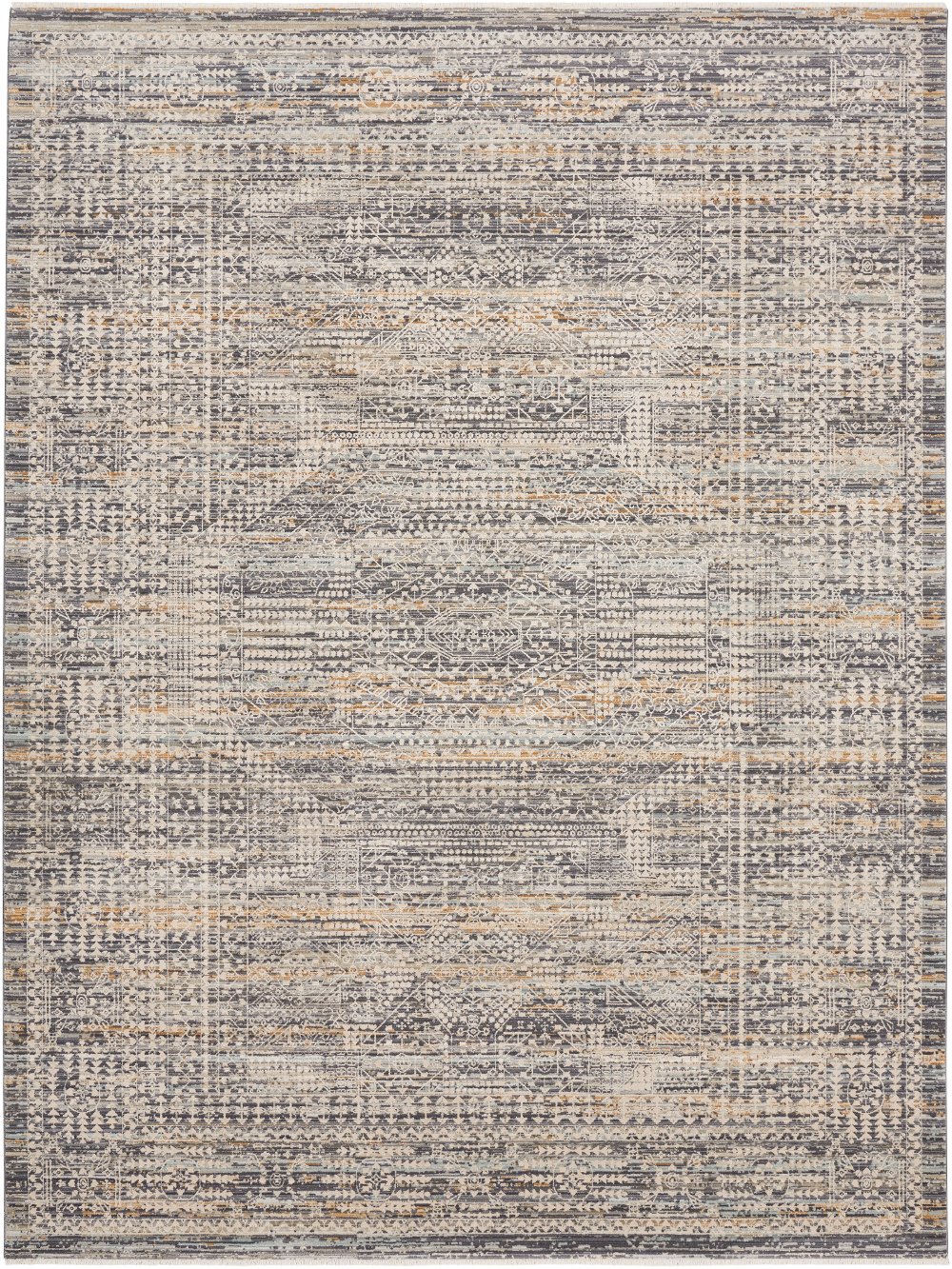
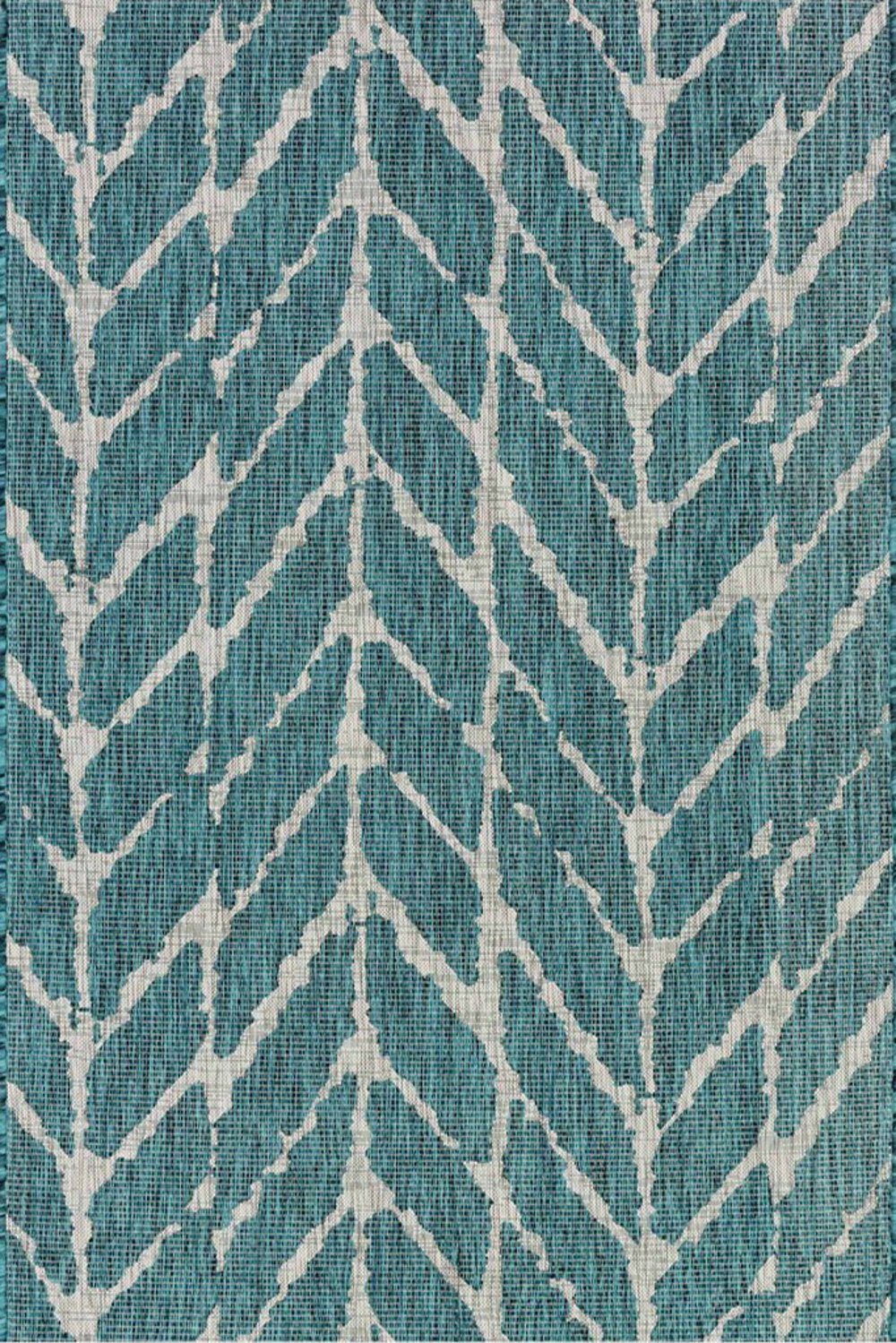
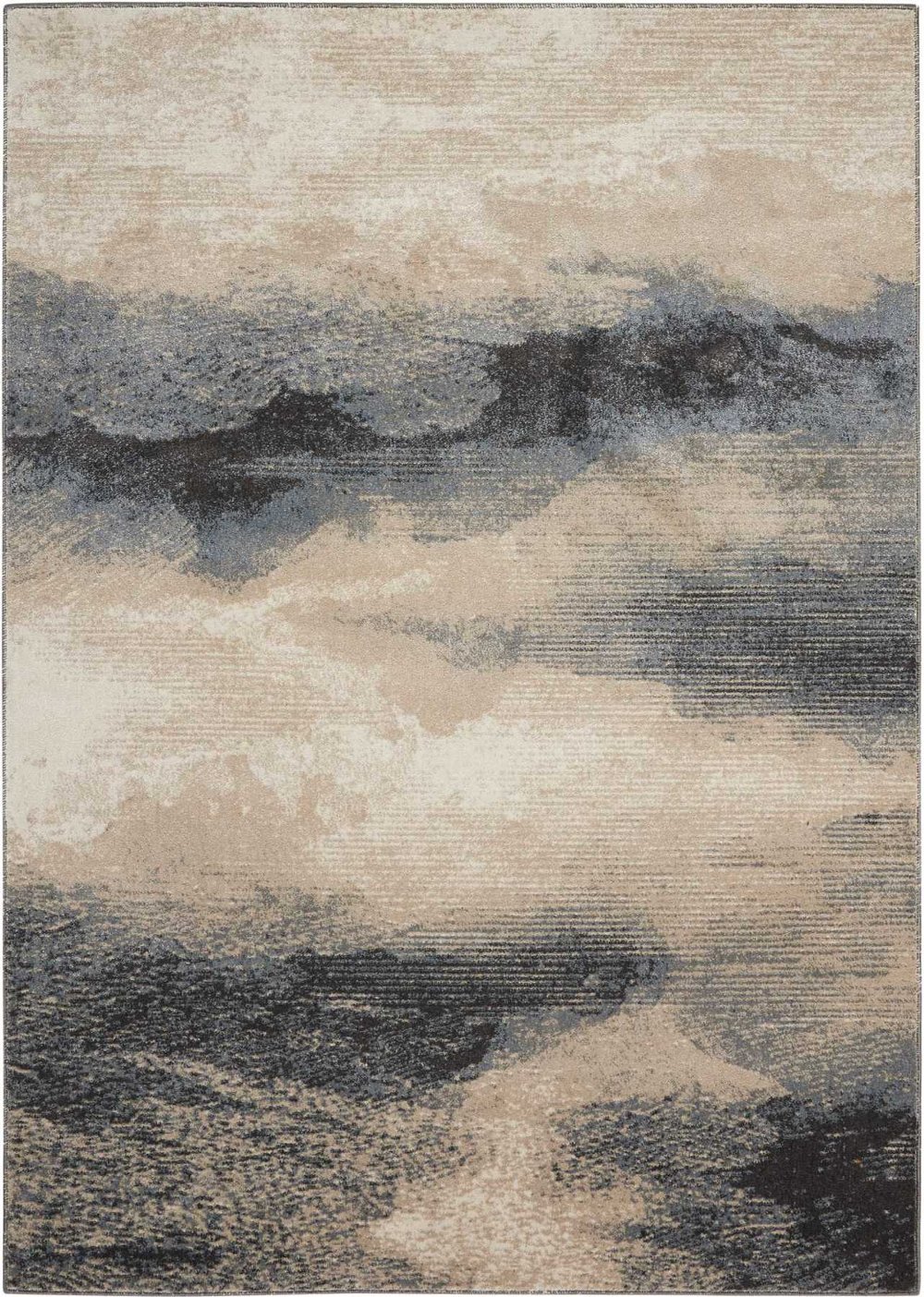
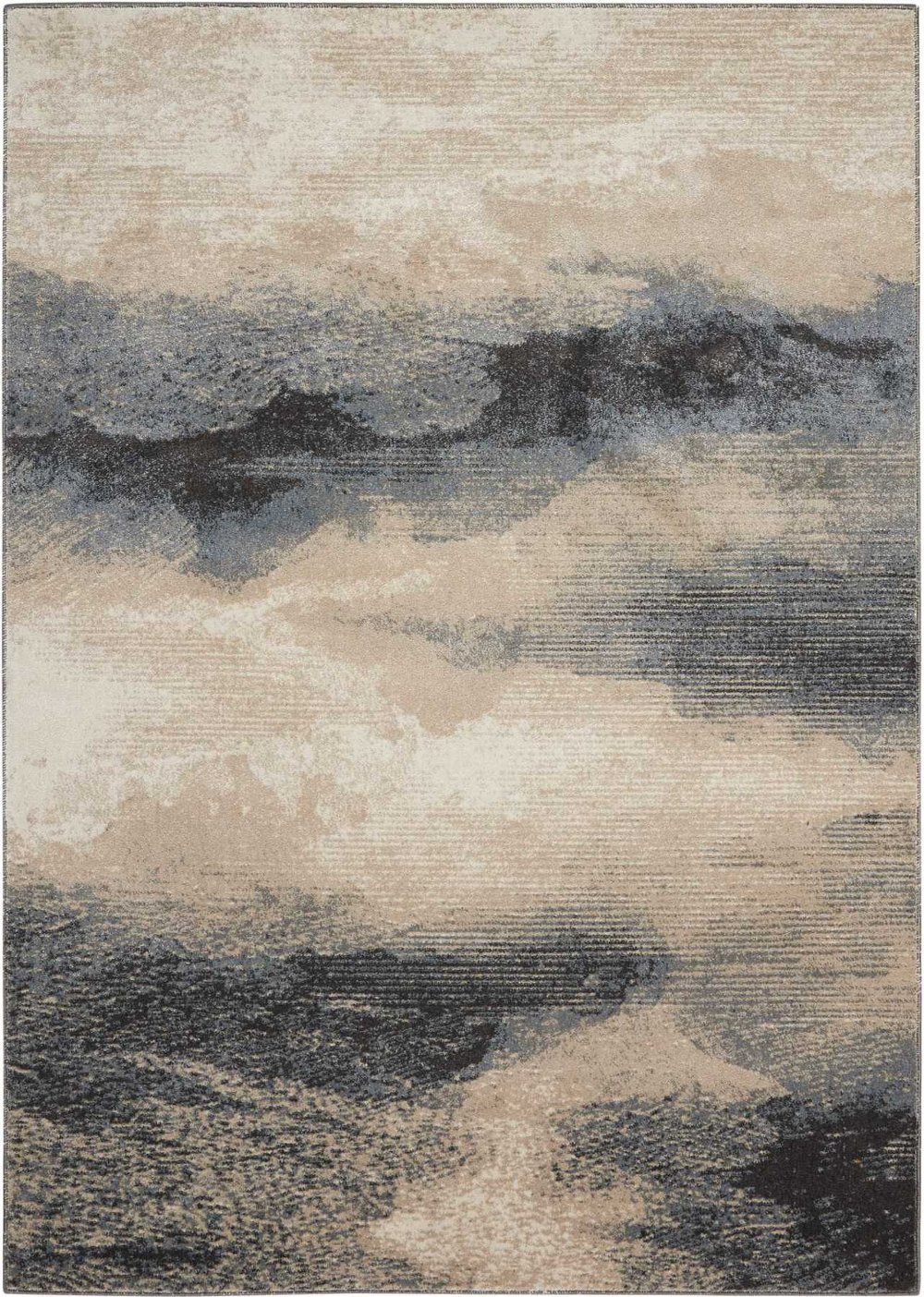
Popular rug styles include traditional, modern, transitional, bohemian, and natural-fiber designs, each bringing a different balance of pattern, color, and texture to a room. Traditional rugs often feature Persian-inspired medallions, scrolling florals, and detailed borders that give living rooms and dining spaces a sense of structure. Their layered patterns work beautifully beside wood furniture, upholstered seating, and collected accents, but they can also add warmth to a room with simple, contemporary pieces. Modern rugs lean toward clean lines, geometric shapes, abstract designs, and open space within the pattern. A bold grid can echo the lines of a streamlined sofa, while a softly blended abstract rug adds movement without competing with artwork. Transitional rugs bridge those looks, pairing familiar ornamental motifs with muted colors, softened outlines, or intentionally faded effects. They’re a comfortable fit when your furniture spans more than one style, such as a classic dining table surrounded by contemporary chairs. Bohemian rugs bring a relaxed mix of expressive patterns, fringe, earthy colors, and varied textures. They complement woven accents and casual seating without requiring every piece in the room to match. Natural-fiber rugs, including jute, sisal, and seagrass, emphasize the material’s texture rather than an elaborate printed design, making them a natural partner for coastal, rustic, and understated interiors. These categories can overlap: a wool rug might have a modern geometric pattern, while a synthetic rug can carry an intricate traditional design. Color and scale help narrow the choices further. A small, repeating pattern creates a different impression than an oversized medallion, even when both rugs share the same colors. Cream, taupe, and gray can let furniture take the lead, while rust, blue, or green can become the starting point for pillows and wall accents. If your sofa already has a strong pattern, a quieter rug gives the room breathing room. With solid-colored seating, a more expressive rug can bring the whole arrangement together. The best match feels connected to your home without making every surface look alike.
A rug’s material and construction matter just as much as its appearance, especially in rooms that get plenty of everyday use. Wool offers a resilient fiber, a comfortable feel, and natural texture that suits everything from detailed traditional patterns to simple contemporary designs. Some wool rugs shed loose fibers, particularly early in their use, so regular care helps keep them looking tidy. Cotton rugs tend to feel lighter and more casual; some are washable, but the care label determines whether they belong in a washing machine. Synthetic fibers such as polypropylene, polyester, and nylon offer different combinations of softness, stain resistance, and durability. Polypropylene generally resists moisture absorption, polyester often provides rich color and softness, and nylon is known for resilience under foot traffic. Performance still depends on the rug’s construction, backing, and finish, not just the fiber name. Low-pile rugs and flatweaves often make sense beneath dining tables, near entryways, or in busy family rooms because they’re easier to vacuum and less likely to interfere with moving chairs. Plush and shag rugs provide a softer surface for bedrooms or quiet seating areas, though their longer fibers can hold crumbs and pet hair. High-low designs create dimension through contrasting pile heights, adding interest even when the color palette stays neutral. Jute brings a relaxed, textured look but generally does best away from frequent spills and damp areas. Sisal has a firmer feel that may appeal in spaces where a cushioned surface matters less, while natural-fiber rugs overall need care suited to their moisture sensitivity. For households with children or pets, tightly constructed rugs, manageable pile heights, and clearly stated cleaning instructions can make daily upkeep simpler. A patterned surface may make small marks less noticeable, but it doesn’t replace prompt cleanup. Blot spills rather than rubbing, follow the manufacturer’s instructions, and check whether professional cleaning is recommended. If easy laundering is a priority, confirm both washability and whether the rug fits your machine. Outdoor placement calls for a rug specifically labeled for that use.
Size and placement give any rug style its place in the room. In a living room, an area rug often looks most connected when the front legs of the sofa and nearby chairs rest on it, bringing separate pieces into one seating arrangement. A rug that sits beneath only the coffee table can feel disconnected in a larger space, while a generously sized rug helps define the area without requiring more furniture. Beneath a dining table, allow roughly 24 to 36 inches of rug beyond the tabletop on each side when the room permits, so chairs can remain on the rug as they pull out. Check that clearance with your actual chairs, especially if they’re deep or have angled legs. In a bedroom, position the rug to give your feet a soft landing beside the bed, or use runners when a large area rug doesn’t suit the layout. Hallway runners should leave visible flooring along the edges and sit clear of doors that need room to swing. Measuring the space and marking a proposed rug outline with painter’s tape can make proportions easier to picture before you decide. Shape matters, too: a round rug can soften a compact seating nook, while a rectangular rug follows the lines of most sofas and dining tables. Layering a smaller patterned rug over a larger flatwoven foundation adds depth, provided both lie securely and don’t create raised edges in a walking path. A compatible rug pad can help limit movement, add cushioning, and protect flooring; choose one suited to your floor’s finish and the rug manufacturer’s recommendations. For a listening corner, a textured rug beneath a comfortable chair pairs naturally with Stylish Headphones, giving a small space a purpose beyond simply filling an empty spot. Across open floor plans, coordinating colors or textures can connect different rug styles without repeating the same pattern everywhere. Rotate rugs when practical to distribute wear, address curled corners, and keep doorways clear. Whether you prefer ornate borders, quiet neutrals, or bold geometry, thoughtful sizing and everyday comfort help your rug feel like it belongs.
Read More