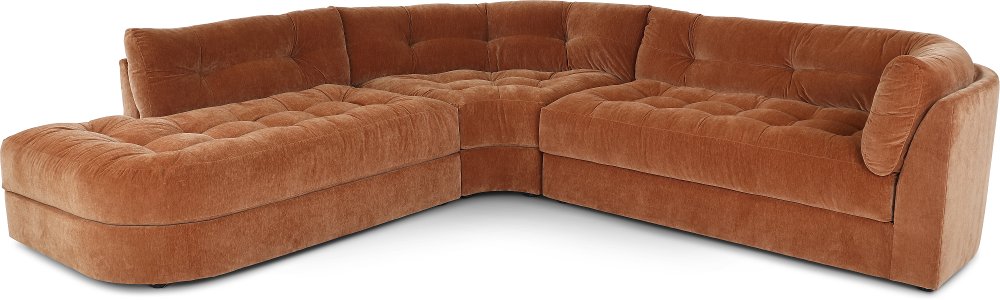
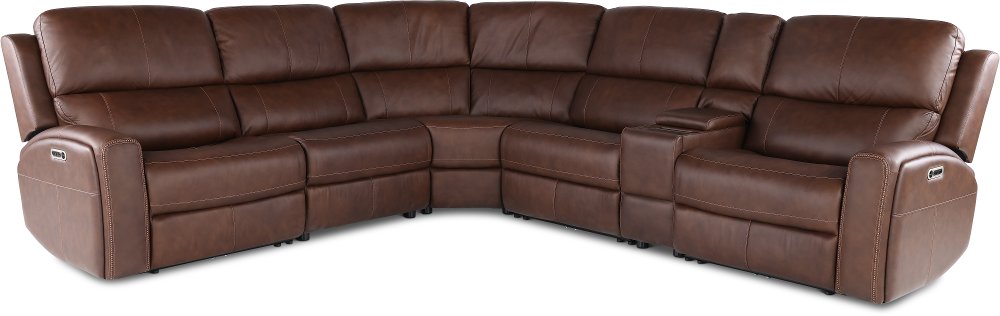
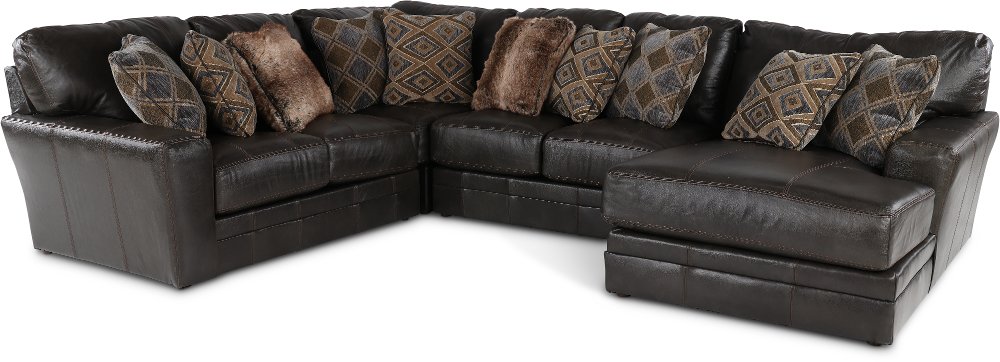
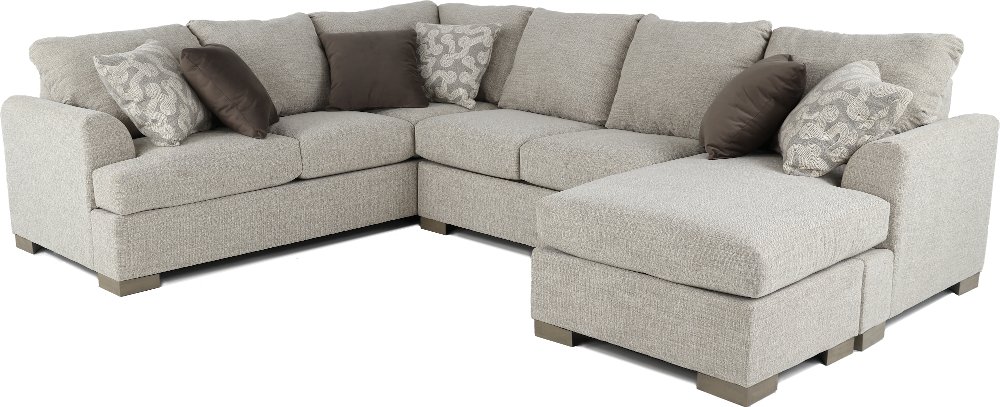
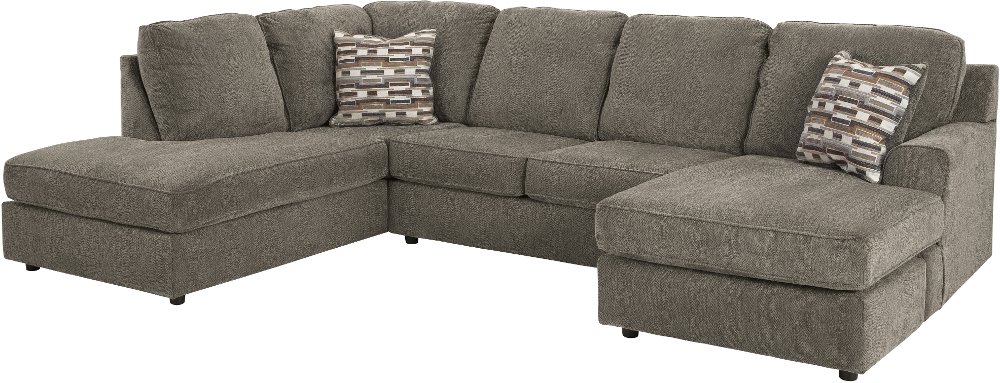
Rust red sectionals give a living room a rich, grounded focal point without the brightness of a true red sofa. The color sits between red, orange, and brown, with shades that can lean toward terracotta, brick, or deep cinnamon. That range makes rust an inviting choice for rooms with natural wood, creamy walls, woven rugs, and other earthy finishes. Against light oak and ivory upholstery, a rust red sectional feels relaxed and airy; alongside walnut furniture, charcoal accents, and brushed metal, it takes on a deeper, more tailored character. The shape matters just as much as the color. A low-profile sectional with clean arms can suit a contemporary room, while fuller cushions and rounded edges create a softer look that works well in casual gathering spaces. Because a sectional occupies a substantial part of the room, its upholstery helps set the mood for everything around it. A rust shade with noticeable orange undertones can bring out the golden tones in wood flooring, while a browner red may sit comfortably beside muted green or navy. Natural and artificial lighting can change how those undertones appear, so an upholstery sample viewed near your flooring and curtains can help you picture the finished space. Texture adds another layer: A smooth surface gives the color a more uniform appearance, while a nubby weave breaks it up with subtle variation. Velvet can show lighter and darker areas as its pile changes direction, creating depth across cushions and chaise seats. For a balanced arrangement, let the sectional carry most of the color and repeat smaller touches in artwork, a patterned pillow, or a ceramic lamp. A rug with rust woven into a neutral pattern can connect the seating to the rest of the room without making every piece match. The result is a seating area with personality that still leaves room for favorite books, collected objects, and the everyday details that make a home feel personal.
The appeal of a rust red sectional goes beyond its color: Connected seating can make a room feel organized and give different activities a comfortable place to happen. A chaise offers space to stretch out with a book, a corner seat can become a favorite spot for movie night, and a longer configuration can accommodate conversation when friends stop by. In a compact living room, a sectional placed along two walls may use the space more effectively than several separate seats. In an open floor plan, its back can establish the edge of the living area without adding a physical divider. Fit depends on more than the overall width, though. Seat depth, arm thickness, chaise length, and back height all affect how the piece feels and how much usable space remains around it. Deep seats suit lounging, while a shallower seat can make it easier to sit upright with feet on the floor. Someone who prefers a supportive perch may appreciate a firmer cushion and a higher seat, while someone who likes to curl up may favor a more generous seat depth. Leave enough room to move between the sectional and nearby furniture, and account for doors, drawers, and any reclining sections that need clearance. A chaise that looks well placed on paper can interrupt the route to a hallway if its extension reaches too far into the room. Confirm which side the chaise occupies using the configuration description or diagram, since left- and right-facing labels can be easy to misread. Delivery access deserves the same attention as the room layout, including doorway widths, stair landings, and tight turns. Modular construction can offer flexibility when arranging a space, but connection hardware and the dimensions of each section still matter. For households that gather often, the best fit is a layout that supports both comfortable seating and easy movement, so getting up for a snack doesn’t mean squeezing past knees or shifting the coffee table.
Upholstery and construction help determine how a rust red sectional handles everyday life. Woven fabrics offer a broad range of textures, from smooth and tailored to soft and visibly textured. Look closely at the weave if pets share the seating, since loose loops may catch on claws. Performance fabrics may offer stain resistance or easier cleanup, but those benefits vary by material and treatment; the care information should explain what the upholstery is designed to handle. Velvet brings a distinctive, plush appearance, though its pile may show pressure marks or changes in direction. Leather offers a different feel and can develop character with use, while its finish influences how it responds to scratches, moisture, and cleaning. For any upholstery, follow the manufacturer’s cleaning instructions rather than assuming a general household cleaner is safe. Regular vacuuming with a suitable attachment helps remove crumbs and grit before they work into seams, and blotting spills promptly is gentler than rubbing them into the surface. Removable cushions, when the design allows, can be rotated to distribute use; removable covers don’t necessarily mean they’re machine washable. Frame materials, joinery, seat support, and cushion construction also deserve attention, especially for a sectional that serves as the main gathering spot. Cushion feel varies, and softer fills may need more fluffing than firmer foam-based options. Keeping upholstery out of prolonged direct sunlight can help reduce fading and preserve the depth of the rust color. Finishing the room is an opportunity to balance that substantial seating with lighter shapes and useful surfaces. Pairing the sectional with Rust Accent Chairs can extend the color through a larger conversation area, especially when the chairs introduce a different texture or silhouette. A round coffee table can soften an angular arrangement, while a slim side table puts a drink within reach without crowding a walkway. With a thoughtful fit, suitable upholstery, and a few complementary pieces, a rust red sectional can feel equally at home during a quiet evening or a lively gathering.
Read More