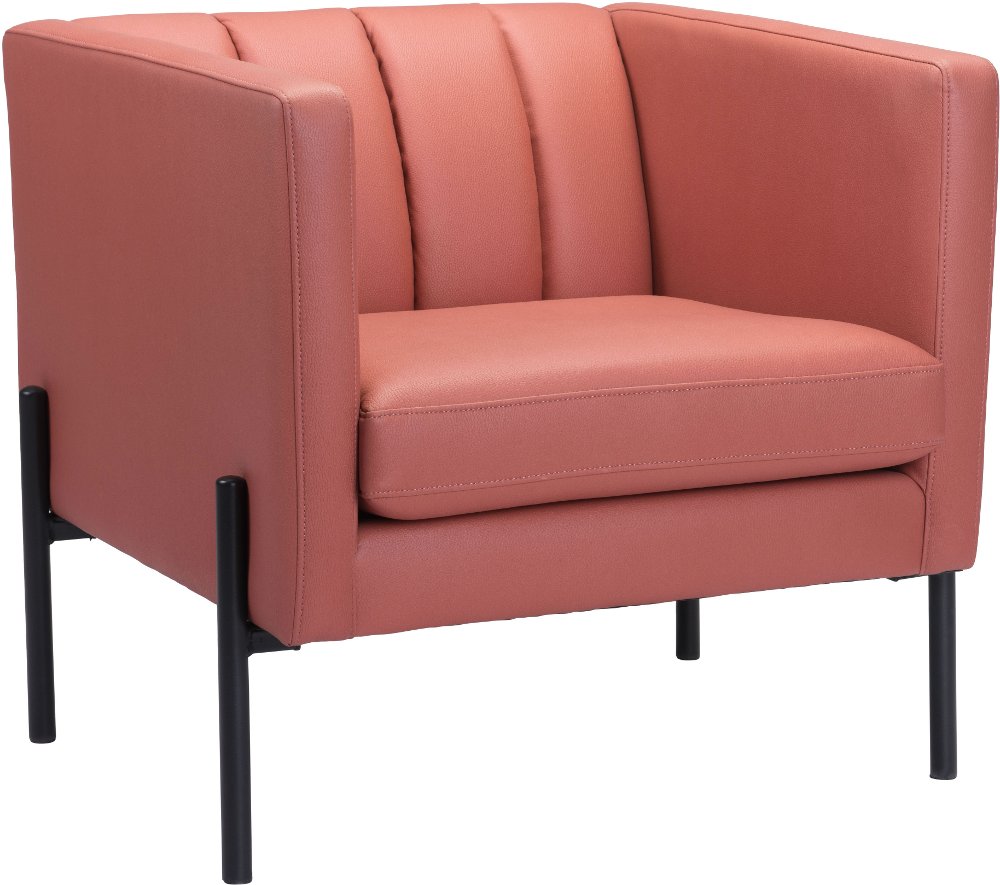
Rust accent chairs bring a rich, earthy color to a room without asking every other piece to match. Somewhere between burnt orange, copper, and reddish brown, rust has enough depth to stand out against a cream sofa and enough softness to feel at home beside natural wood. The exact shade makes a difference: a muted, clay-like rust creates a quieter look, while a more saturated orange-red becomes a stronger focal point. In a living room with beige upholstery, an oak coffee table, and a woven rug, a rust chair adds color that feels connected to the existing materials rather than layered on as an afterthought. Against charcoal, navy, or deep green, the same color can look especially rich. It also pairs comfortably with ivory, oatmeal, black metal, and warm brass finishes. Texture gives the color another dimension. Velvet can show subtle shifts in tone as light moves across the surface, while a woven fabric tends to create a more even, relaxed appearance. Leather and leather-look upholstery bring a different character, often emphasizing the chair’s shape and stitching. A curved back and rounded arms can soften a room full of straight lines; a squared silhouette with exposed legs can keep the look clean and tailored. These chairs work across several decorating styles, from a simple modern apartment to a room with vintage artwork and well-loved wood furniture. One chair beside a sofa creates a place for conversation without introducing another large piece. A pair facing a couch can give a larger living room a balanced seating arrangement, especially when a small table sits between them. In a bedroom, a rust accent chair can make an empty corner feel intentional and offer a comfortable spot to read or put on shoes. Beside a bookcase, its color helps define a reading area even when that space shares a room with other activities. The appeal is both practical and visual: an extra seat that contributes something distinctive to the room.
The right fit depends as much on how the chair will be used as on how it looks. A chair meant for long stretches with a book benefits from supportive cushioning, an accommodating back, and arms that let your shoulders relax. A seat used mainly for conversation may work better with a more upright posture that makes sitting down and standing up comfortable. Deep seats can suit people who like to curl up, but shorter users may find that their feet no longer rest comfortably on the floor when they sit against the back. A small lumbar pillow can help adjust the feel, though it shouldn’t substitute for a chair that fits its main user well. Seat height, arm height, and the width between the arms all matter, particularly when several people in the household will share the chair. Overall dimensions matter, too. A compact chair with slender arms can provide useful seating in an apartment without crowding the walkway, while a broader design may feel more proportional beside a large sectional. Measure the space with nearby furniture in place, and account for doors, drawers, and the route people take through the room. Swivel chairs need clearance to turn, and reclining designs need room for their moving parts. A footstool adds comfort but also extends the seating area’s footprint. Construction and upholstery deserve equal attention. A well-built frame, secure joints, and supportive seat suspension contribute to durability, while cushion materials influence whether the chair feels firm, plush, or somewhere in between. Fabric choice should reflect everyday use. Tightly woven upholstery can be a practical consideration in a frequently used family room, while textured fabrics may help soften the appearance of minor marks. Performance upholstery can offer added resistance to certain spills or stains, but its capabilities depend on the material and finish. Leather offers a distinct surface feel and may develop character with use; leather-look materials have different care needs and wear characteristics. For homes with pets, consider how claws, shedding, and favorite lounging spots might affect the upholstery rather than assuming any single material is damage-proof.
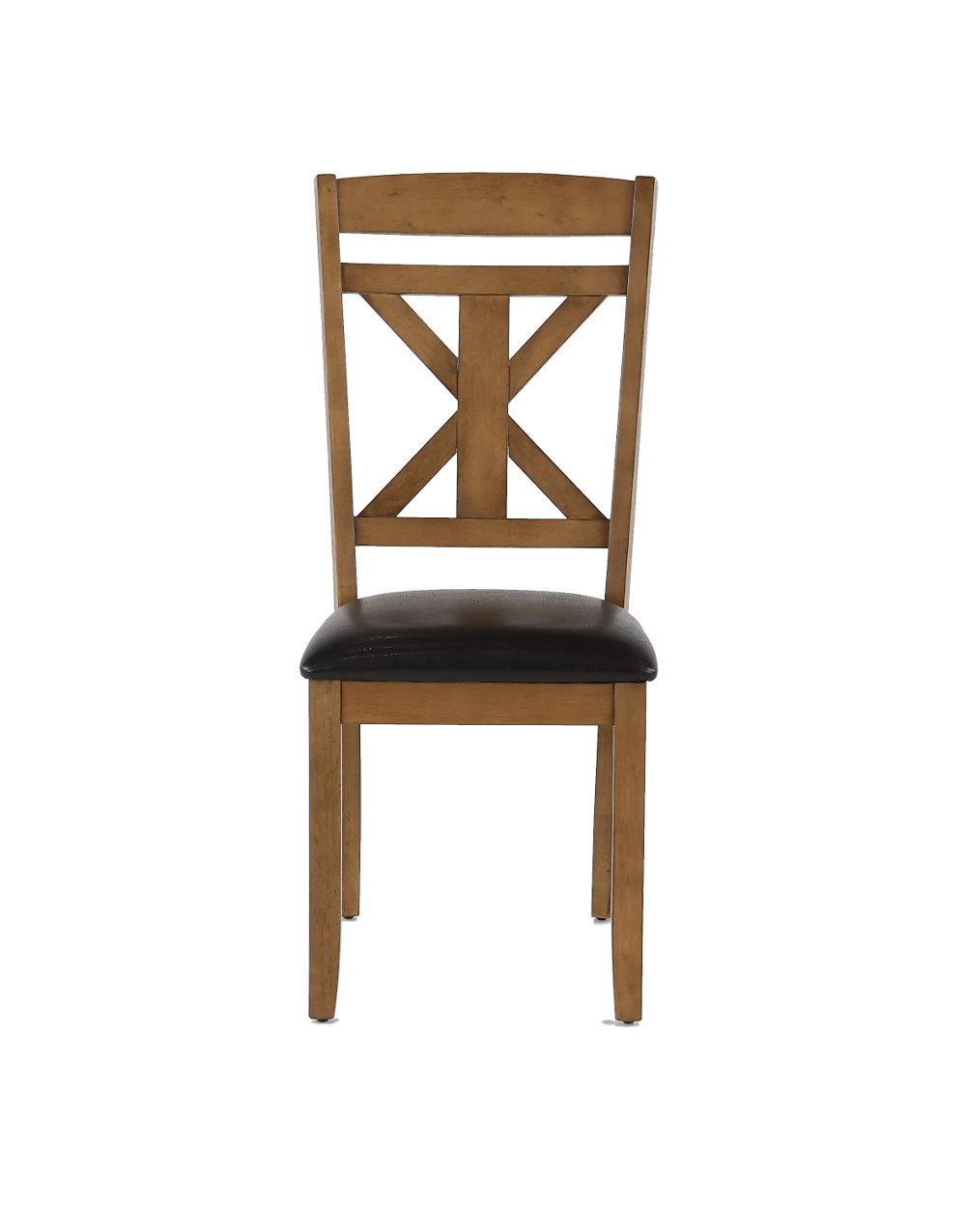
Small details help a rust accent chair settle naturally into everyday life. A side table within easy reach gives a cup, book, or pair of glasses a dependable place to land, and a nearby lamp makes the seat more useful for reading or quiet tasks. A pillow in cream, olive, or a restrained pattern can connect the chair to the rest of the room without hiding its color. If a rug anchors the seating area, placing the chair’s front legs on it can help the arrangement feel connected rather than scattered. In an open living and dining space, wood tones offer another way to create continuity. Pairing rust upholstery with rustic brown dining chairs can carry an earthy palette across both areas while allowing each space to serve its own purpose. The colors don’t need to match exactly; a shared sense of depth and texture often feels more natural than a perfectly coordinated set. Keeping that look inviting takes care suited to the upholstery. Regular vacuuming with an appropriate attachment helps remove dust and crumbs from seams and cushion edges. When a spill happens, gentle blotting is generally preferable to rubbing, which can spread the liquid or work it farther into the fabric. Always follow the manufacturer’s care instructions before applying a cleaner, and test any approved treatment in an inconspicuous area. Some upholstery requires professional cleaning, while leather may need products formulated for its particular finish. Removable cushion covers aren’t automatically machine washable, so the care label remains the best reference. Placement also affects long-term appearance: direct sunlight can alter upholstery color, and repeated contact with rough clothing or pet claws can leave wear in favorite spots. A rust chair can be a thoughtful housewarming gift when the recipient’s space, seating preferences, and decorating style are already known, but comfort and dimensions deserve more weight than color alone. Whether it becomes a guest seat, a reading companion, or the place someone chooses at the end of a busy day, a well-chosen accent chair earns its place through both character and everyday comfort.
Read More