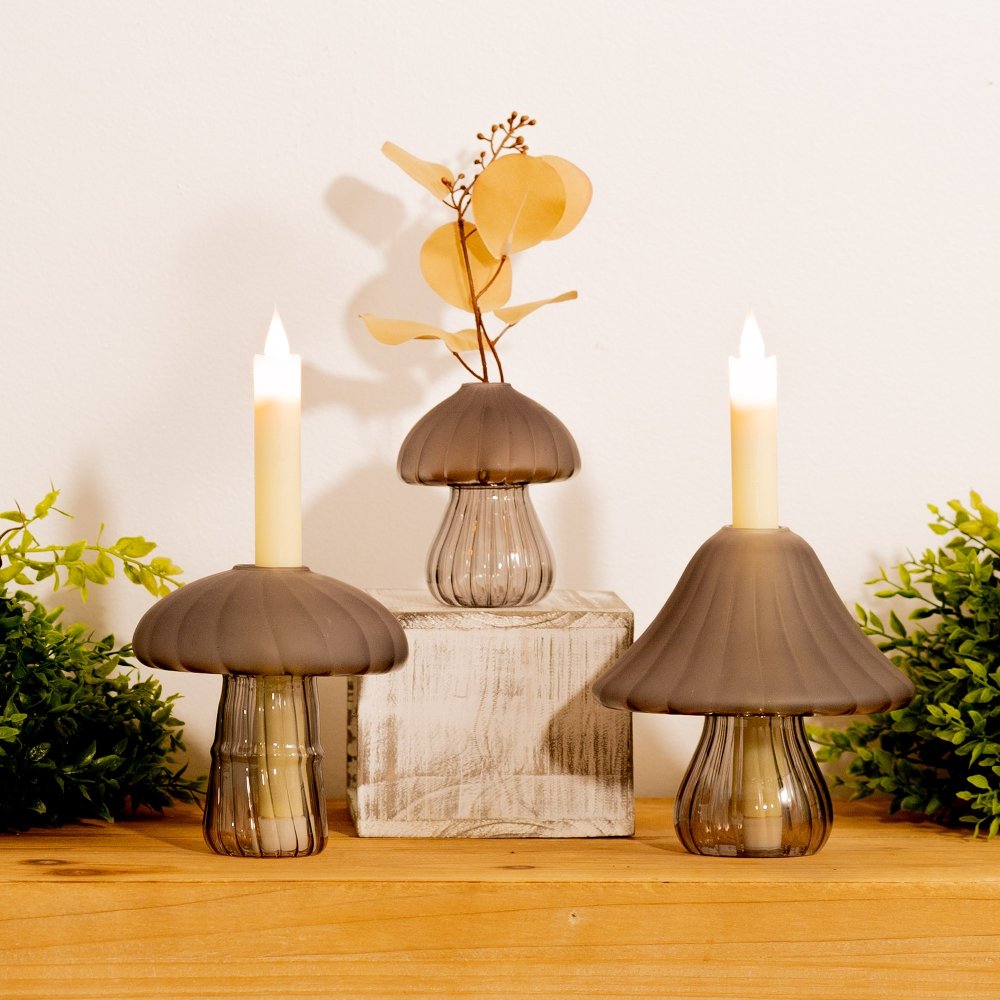
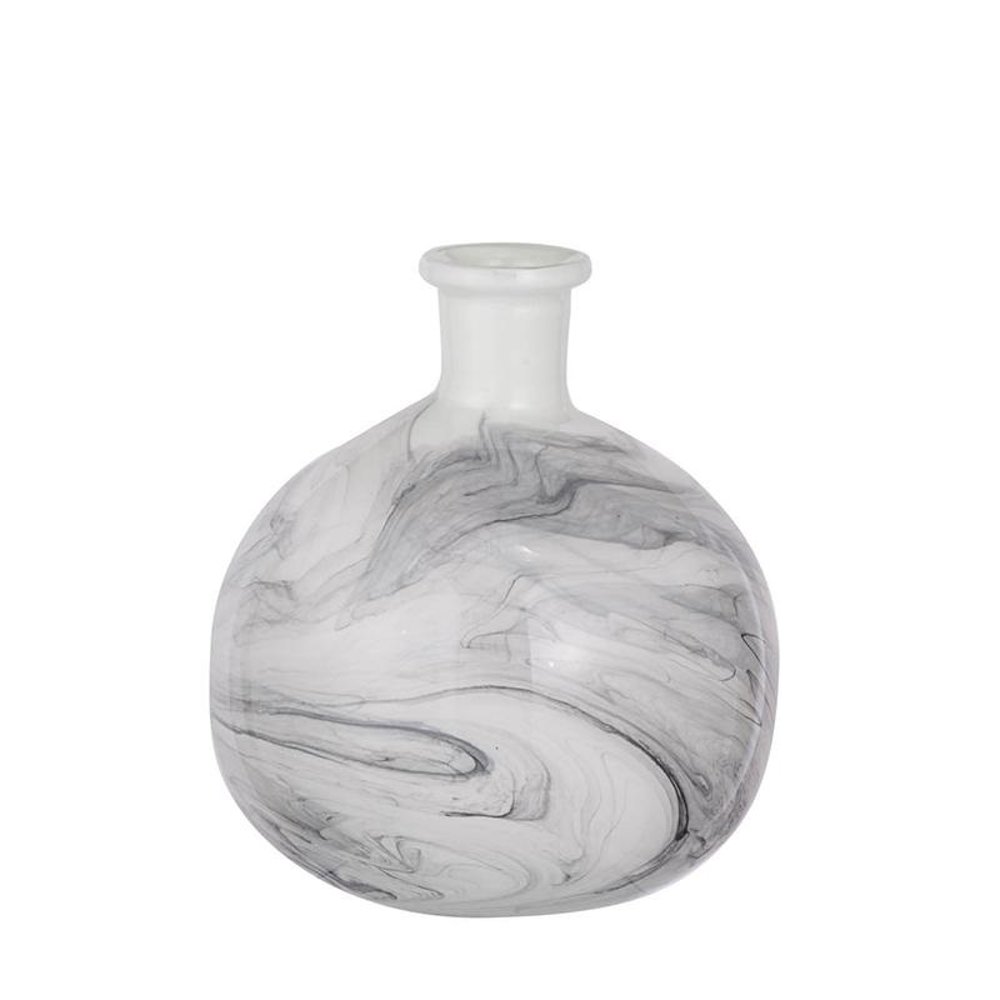
Rustic decorative vases bring texture and a relaxed, lived-in feel to a room without asking you to change everything around them. Their appeal often comes from surfaces that feel a little less polished: softly weathered finishes, earthy clay tones, subtle glaze variations, and shapes inspired by traditional pottery. Against a smooth console or a neatly upholstered sofa, those details add contrast and give the eye somewhere to settle. Rustic style can lean toward farmhouse, country, lodge, or a more understated look, depending on the material and silhouette. A rounded ceramic vessel in a chalky neutral feels different from a tall metal vase with a distressed finish, even when both share the same easygoing character. Ceramic and stoneware can provide visual weight and substantial texture, while terracotta introduces the familiar warmth of natural clay. Glass offers a lighter appearance, especially when its surface has gentle ripples, a smoky tint, or an aged-looking finish. Metal can add contrast alongside wood furniture, though its care needs and suitability for holding water depend on its construction and coating. These differences matter as much as color when you’re choosing a vase for your space. A rough, matte surface can soften the look of a glossy cabinet, while a lightly glazed finish can stand out against reclaimed wood without making the arrangement feel busy. Cream, sand, brown, charcoal, and muted green work comfortably with many rustic interiors, but the best match doesn’t need to repeat every color already in the room. Picking up a single tone from a rug, a piece of wall art, or the grain of a nearby table can make the vase feel connected to its surroundings. Rustic character also doesn’t require an antique or handmade piece; distressed effects and textured finishes can create that familiar, timeworn appearance in a new decorative accent. The result can feel comfortable and personal, whether your room features exposed wood and traditional furniture or clean-lined pieces that need a little texture.
Size and shape help determine how comfortably a rustic vase fits into everyday life. On an entryway console, a medium-height vessel can give the surface a focal point while leaving room for keys, mail, and a lamp. A broad vase on a dining table feels settled and substantial, but its height matters if you want people to see one another across dinner. A narrow neck naturally gathers a few stems into a compact arrangement, while a wider opening gives fuller bouquets more space and may call for extra support to hold individual stems where you want them. Taller floor vases can make sense beside a substantial cabinet or in an open corner, provided they sit on a level surface outside the path of doors, feet, and busy household traffic. On shelves, the overall height includes whatever extends from the opening, so a vase that fits on its own may feel crowded once branches or greenery are added. Visual weight matters, too: a dark, broad vessel can dominate a small shelf, while a lighter finish or slimmer shape may leave the display feeling more open. Rustic decorative vases work well alone when the silhouette or surface has enough interest, and an empty vase can be just as intentional as one filled with flowers. For a grouped display, varied heights and a shared color or material create a connection without making every piece identical. A little breathing room helps each shape remain visible rather than disappearing among books, picture frames, and other accents. In rooms that mix decorating styles, contemporary decorative vases can offer a smooth, simple counterpoint to more weathered textures. That balance suits a home where a rustic wood table sits near modern seating or a streamlined media cabinet. Your vase doesn’t have to match every furnishing; it just needs a scale, finish, and presence that feel comfortable where you’ll see it most often.
Intended use is especially important with decorative vases because a beautiful exterior doesn’t tell the whole story about what a vessel can hold. Some are suitable for fresh flowers and water, while others are designed only for dried stems, artificial greenery, or display on their own. Porous clay, unsealed interiors, seams, and certain decorative finishes can make a vase unsuitable for direct contact with water, so the product’s care and use information should guide that choice. Even a glazed surface isn’t enough by itself to confirm that a vase is watertight. For fresh arrangements, a water-safe interior and an opening that’s accessible for cleaning make regular use easier. A removable waterproof insert may be an option when the vase’s design and care instructions allow it, but it should fit securely without putting pressure on the vessel. Dried arrangements need less upkeep, though delicate stems can shed and collect dust; artificial stems offer another choice for spots where changing water would be inconvenient. Everyday care usually starts with gentle dusting and handling that protects raised textures, handles, and narrow necks. Abrasive scrubbers and strong cleaners can damage painted, distressed, or specialty finishes, and prolonged moisture may affect some materials. A protective pad beneath the base can help shield furniture from scratches, while any water-filled vessel deserves extra attention on wood surfaces. Durability depends on more than how solid a vase looks: ceramic and glass can chip or break if knocked over, metal finishes may scratch, and tall shapes need a stable position. In homes with children or pets, a broad base and a location away from table edges can make a meaningful difference. These practical details also help when choosing a rustic vase as a housewarming, wedding, or host gift. A manageable size, versatile color, and straightforward care routine make it easier for the recipient to find a place for it. Whether it holds a few stems on a kitchen counter or stands empty on a bedroom dresser, the right vase adds a useful layer of texture without making the room feel overdecorated.
Read More