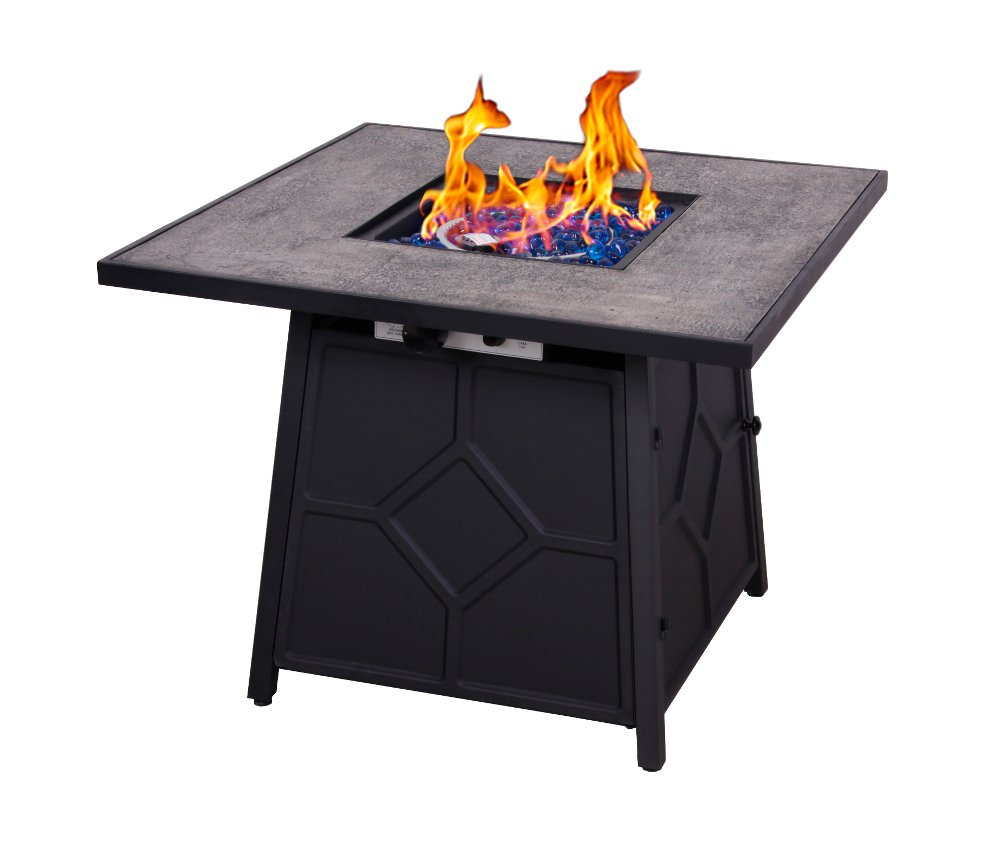
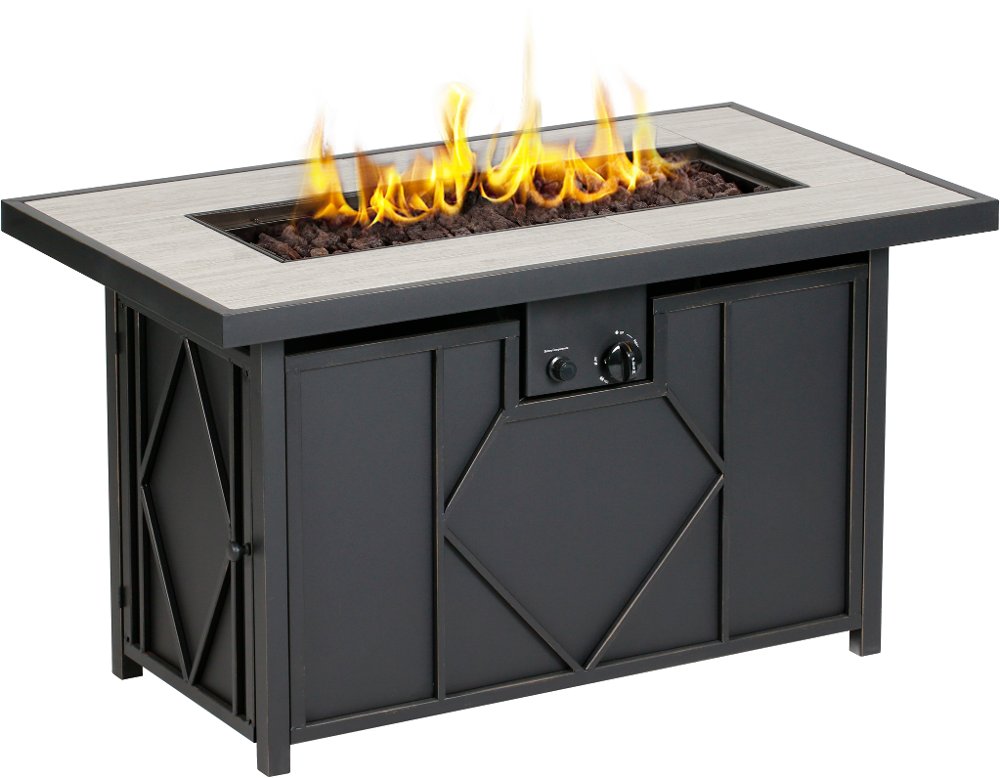
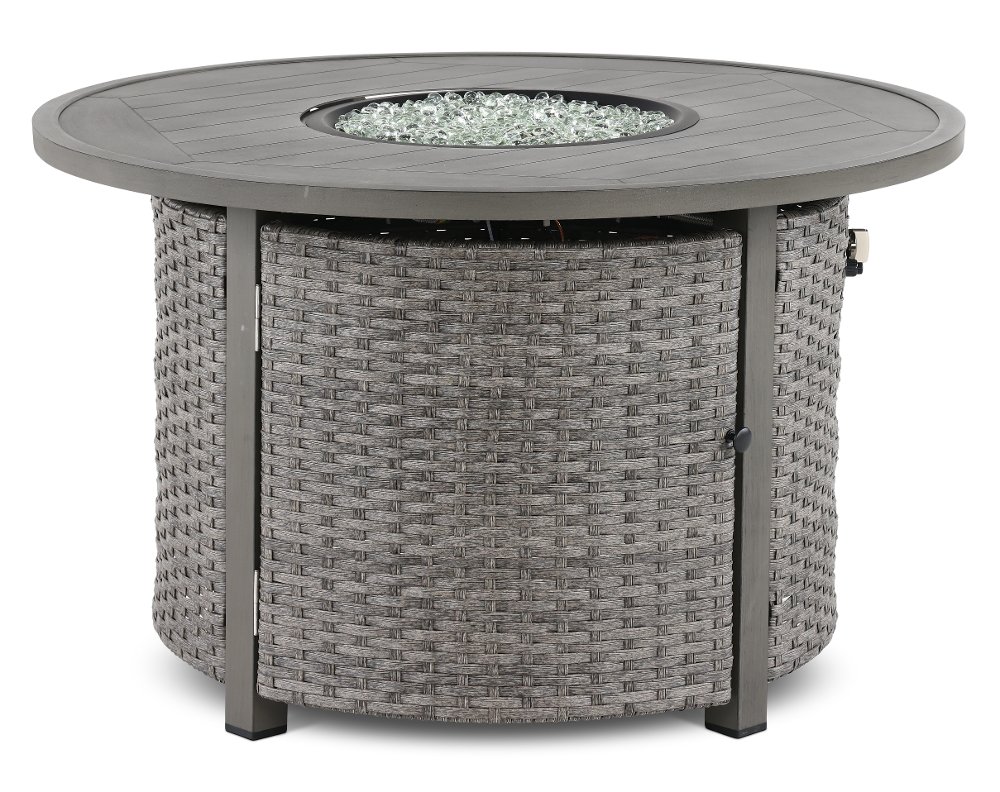
Rustic fire pits bring an easy, welcoming character to outdoor spaces, blending the warmth of a campfire with the natural textures of a backyard, patio, or cabin-inspired retreat. Their appeal often comes from materials that look right at home outdoors, including weathered steel, cast iron, natural stone, river rock, tumbled pavers, and other finishes with an earthy, timeworn appearance. A metal bowl with a deep patina can serve as a simple centerpiece, while a stone-ring design creates the feeling of a long-established gathering place. Pairing a fire pit with a gravel base, decomposed granite, or a surface designed for outdoor use helps define the area and supports drainage, while log-style stools, wooden benches, Adirondack chairs, and woven outdoor seating can make the space feel relaxed and complete. The best choice depends on the way you plan to enjoy your yard. A portable fire pit gives you flexibility when you want to shift the conversation area, store the fire pit during harsh weather, or bring warmth to different parts of the patio. A larger, more substantial design can anchor a dedicated outdoor room where family and friends gather for conversation, roasting marshmallows, or lingering after dinner. Rustic styling works especially well in settings surrounded by trees, stone, gardens, or natural landscaping, but it can also add welcome contrast to a more finished deck or contemporary patio. If your taste leans toward cleaner lines and streamlined finishes, explore Modern Fire Pits for another way to create a comfortable outdoor focal point.
Fuel type is one of the most important considerations when selecting a rustic fire pit. Wood-burning designs deliver the classic experience many people picture when they imagine an outdoor fire: a lively flame, the soft snap of burning logs, glowing embers, and the unmistakable scent of campfire smoke. They’re a natural fit for spacious yards and for households that enjoy gathering around a fire for longer stretches. Wood-burning fire pits do require more preparation and care, including a supply of properly seasoned firewood, a way to manage smoke, and regular ash removal once the bowl has cooled completely. Gas and propane options offer a more streamlined experience, with flames that start quickly and can be adjusted with greater precision. They can be especially convenient on patios where you want the atmosphere of a fire without hauling logs or cleaning up loose ash. When comparing options, consider the size of your outdoor area, the number of people you typically host, and how much room you have for safe clearance around the flame. Check local fire regulations, homeowner association requirements, and manufacturer instructions before placing or operating a fire pit. Set it on a stable, level, noncombustible surface, keep it a safe distance from structures, overhanging branches, fencing, and outdoor furniture, and make sure children and pets have a clear path around the gathering area. A spark screen, protective cover, and suitable tools can add everyday convenience, while a cover helps shield a cooled fire pit from rain, leaves, and moisture between uses. For wood-burning models, clearing ash regularly helps prevent buildup and moisture retention. For gas or propane models, inspect connections and follow the recommended care instructions so the fire pit stays ready for a comfortable evening outside.
A rustic fire pit can become part of the rhythm of home life as the weather shifts and evenings grow more comfortable for outdoor gatherings. It might be the spot where neighbors share a late conversation, where a family warms up after a walk, or where someone enjoys a quiet cup of coffee while the first light reaches the yard. The atmosphere feels personal because the fire pit changes with its surroundings: flames flicker against natural stone, warm light falls across a weathered bench, and a simple circle of chairs turns an ordinary corner into a place people naturally gravitate toward. These fire pits can also make thoughtful gifts for new homeowners, families with outdoor entertaining space, couples settling into a cabin or rural property, or anyone who enjoys creating an inviting backyard retreat. A portable design may suit someone who likes to rearrange their outdoor space, while a more substantial fire pit can be a meaningful choice for a household building a permanent patio or garden gathering area. Before purchasing, measure the intended location and think about how the fire pit will work with existing walkways, seating, lighting, and dining areas. Allow enough room for guests to move comfortably without crowding the heat source, and choose a scale that feels balanced rather than oversized for the space. During the cooler months, a rustic fire pit can extend the usefulness of an outdoor area and add a natural place to gather, but comfort and safety should remain part of the design. Keep blankets, cushions, firewood, and other combustible items well away from the flame, extinguish every fire completely, and let the unit cool before covering or storing it. With the right size, fuel type, materials, and placement, a rustic fire pit can offer more than outdoor warmth—it can give your home a memorable setting for unhurried time together.
Read More