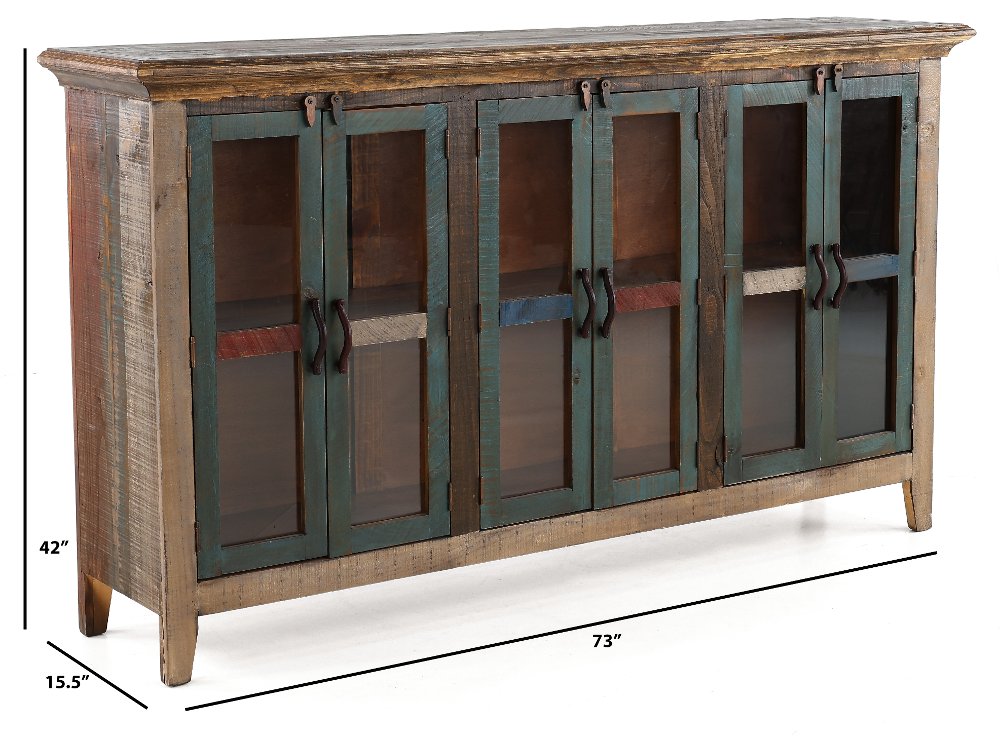
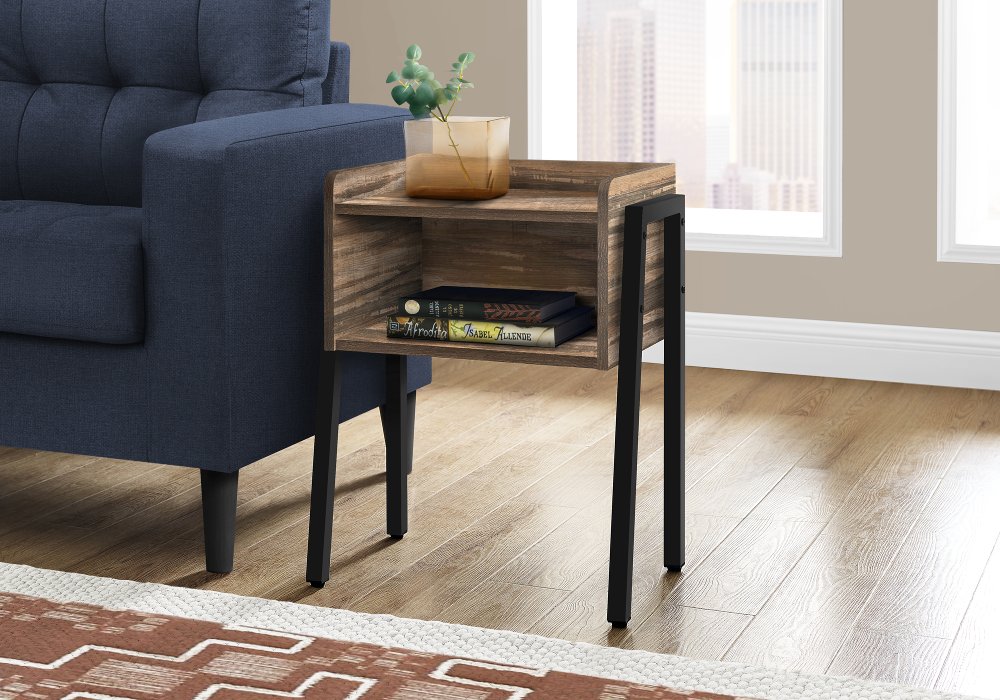
Rustic industrial console tables combine the warmth and texture of wood with the clean lines and practical character of metal. Their look draws from two familiar design traditions: rustic furniture, with its visible grain and gently weathered finishes, and industrial furniture, with its exposed framework and straightforward construction. Together, those details create a slim, useful piece that feels equally at home beside a brick wall, beneath an entryway mirror, or behind a comfortable upholstered sofa. Common features include wood or wood-look tops, dark metal legs, open lower shelves, and cross-braced supports. Some designs also include drawers or enclosed storage for everyday essentials. The contrast is part of the appeal: a honey-brown surface softens a black steel frame, while a deeper wood tone gives simple metal legs a grounded, substantial presence. Materials make a difference in both appearance and everyday care. Solid wood offers natural variation and can develop character with use, although it still needs protection from moisture and excessive heat. Wood veneer provides a real wood surface over a supporting core, while engineered wood with a decorative finish can offer a more uniform wood-grain appearance. Reclaimed wood may show marks from its earlier use; a distressed finish creates a weathered effect without necessarily using reclaimed material. Those differences matter when deciding how much texture suits your space. A smoother top works well for a frequently used landing spot, while a more textured surface can add interest to a display area. Metal frames may have painted or powder-coated finishes, and their strength depends on construction, joints, and proper assembly—not simply on an industrial appearance. Rustic industrial style can feel substantial without looking bulky, especially when an open base leaves the floor visible. That balance makes these console tables a natural fit for homes that favor comfortable furnishings, useful storage, and finishes that feel relaxed rather than overly formal.
A console table’s long, relatively narrow shape gives it several useful roles throughout a home. In an entryway, it creates a designated place for keys, mail, and a small lamp, helping the space feel settled as soon as someone walks through the door. A shallow drawer can keep charging cables and other small necessities tucked away, while a lower shelf can hold baskets for accessories. In a hallway, a slim profile provides room for framed photographs or a decorative bowl without taking over the passage. The most comfortable fit leaves enough space for people to pass easily, doors to swing fully, and nearby drawers or cabinets to open. Overall depth deserves particular attention in tight spaces, especially when legs or handles extend beyond the tabletop. Behind a sofa, a rustic industrial console table can make an open living area feel more intentional. It gives lamps, books, and drinks a convenient resting place and adds a finished view of the seating area from the other side of the room. A height close to, or slightly below, the sofa back generally creates a balanced arrangement; the table’s length should also work with the sofa rather than extend awkwardly into a walkway. Access to an outlet matters when the surface will hold lighting or charging devices, and cords should stay clear of foot traffic. Along a dining room wall, a console can serve as a display surface or a place to set serving pieces, provided its finish is protected and its stated weight capacity supports the intended use. Open shelving keeps objects accessible, while drawers help reduce visible clutter. For apartments and multipurpose rooms, that combination can add useful organization within a modest footprint. In a living room, pairing a console with industrial rustic coffee tables can carry similar wood tones and metal details through the space without requiring every piece to match exactly. Repeating one finish or frame color often provides enough connection, leaving room for upholstered seating, a patterned rug, and personal accents to give the room its own character.
Everyday usefulness comes from the details that are easy to overlook in a photograph: shelf clearance, drawer movement, leg placement, surface texture, and a stable frame. A basket that fits comfortably between shelves is more helpful than one that catches on a support bar, and a drawer needs enough clearance to open when the table sits beside a chair or near a doorway. For a display arrangement, a lamp at one end and a short stack of books at the other can give the surface balance while leaving room for everyday use. A mirror or artwork above the table adds height without crowding the top. Dark metal and richly grained wood work well with woven baskets, ceramic vessels, and softer textiles, which keep the overall look welcoming. Durability depends on how the table is built and how it’s used. Properly tightened hardware, level placement, and attention to the manufacturer’s load limits help a console perform as intended. Heavy objects belong only on surfaces rated to support them, and a console should serve as a television stand only when its specifications explicitly allow that use. In homes with children or pets, follow any included anchoring instructions and keep tempting or fragile objects away from exposed edges. Routine care is generally straightforward: dust with a soft cloth, wipe spills promptly, and use coasters or protective pads beneath drinks and decorative objects. Follow the care instructions for the particular finish, since solid wood, veneer, decorative surfaces, and coated metal can require different cleaners. Avoid soaking wood surfaces, and lift objects rather than dragging them across the top. Floor protectors can also help prevent marks when positioning the table. With a size that suits the room, storage that supports daily habits, and materials that fit your preferred level of upkeep, a rustic industrial console table becomes more than an accent. It gives the small things a place to land and brings warm texture, practical structure, and a sense of order to the spaces you use most.
Read More