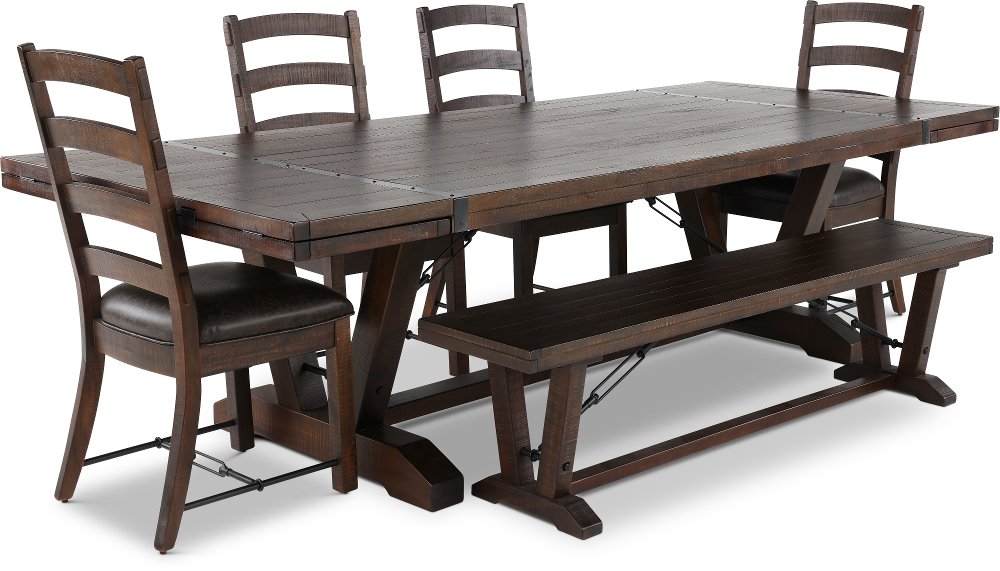
Rustic industrial dining sets bring together the warmth of wood and the sturdy character of metal, creating a dining space that feels welcoming without looking overly polished. The style draws from workshop tables, warehouse architecture, and well-used farmhouse furniture, with details such as visible wood grain, dark steel frames, exposed hardware, and straightforward shapes. A wood tabletop with a matte black base is a familiar combination, but the look can also include brown metal finishes, wire-brushed surfaces, upholstered chairs, and benches with substantial wooden seats. These dining table and chair sets work especially well in lofts, open-concept homes, and casual dining rooms where furniture needs to hold its own alongside brick, concrete, or simple painted walls. The balance matters: a warmer wood finish softens the metal, while a slim frame can keep a substantial tabletop from overwhelming the room. Materials also make a difference in how a set looks and lives. Solid wood offers natural grain variation and may develop additional character with use, while wood veneer brings a real wood surface to a constructed core. Engineered wood with a decorative finish can provide a consistent appearance, though its care requirements and repair options differ from those of solid wood. A distressed finish describes an appearance, not necessarily the age or source of the material; reclaimed wood, by contrast, has been used before and may retain nail holes, color changes, or other evidence of its past. Metal components may be steel, iron, or another material, so construction details are worth checking rather than judging strength by appearance alone. For everyday dining, a stable base, secure chair joints, and a well-sealed tabletop matter more than a rugged-looking finish. A relatively smooth surface can still have plenty of rustic character while giving plates, glasses, and serving dishes a level place to rest.
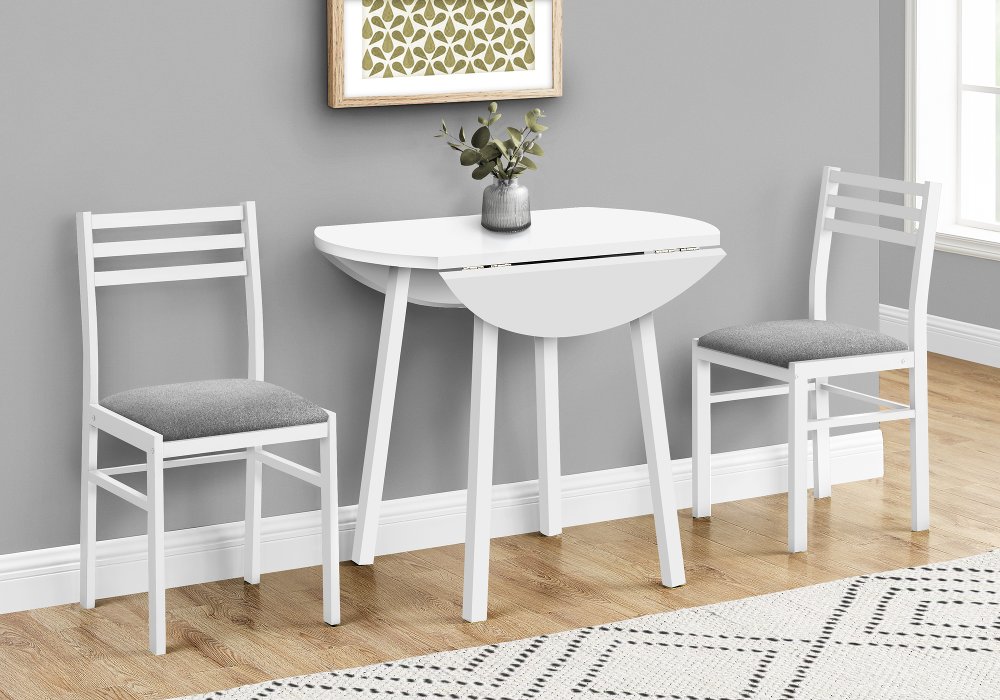
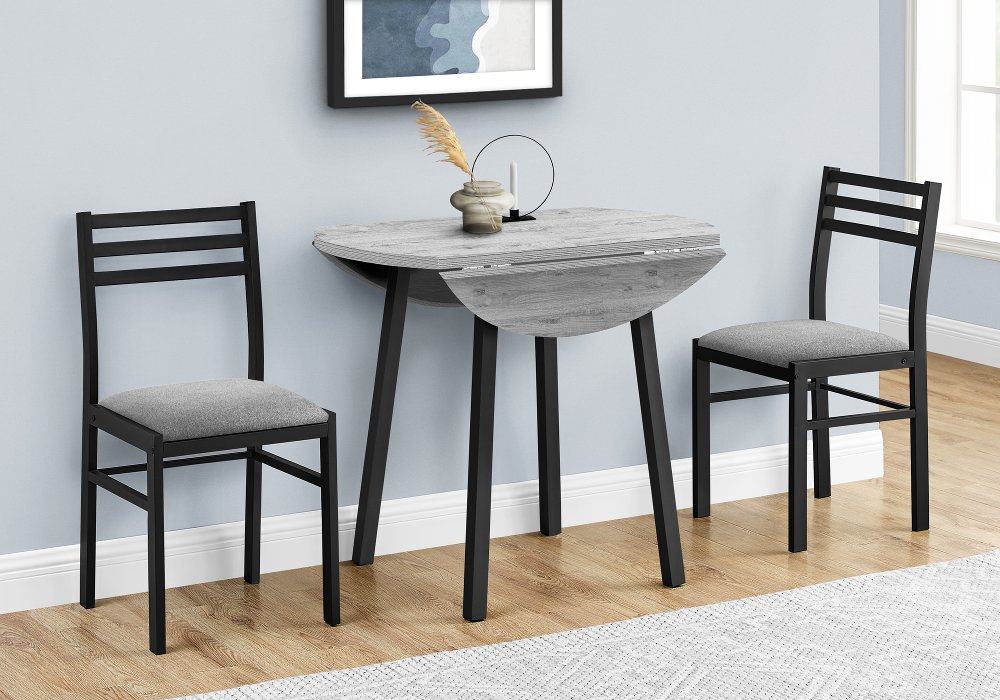
The right rustic industrial dining set fits both the room and the way meals happen at home. A compact table with two chairs can create a comfortable breakfast spot in an apartment, while a four-person set suits many eat-in kitchens and smaller dining areas. Sets designed for six or more diners give households additional space for shared meals, homework, and having friends over, provided the room allows everyone to move comfortably. Seating capacity depends on the tabletop dimensions, chair width, and base placement, not simply whether a table is round or rectangular. Allowing roughly 24 inches of table edge per person is a useful starting point, with more space often needed for wide chairs or generous place settings. About 36 inches between the table edge and a wall or nearby furniture usually gives diners room to pull out chairs; a busy walkway behind occupied seats benefits from closer to 42 to 48 inches. Those measurements are especially helpful near a kitchen island, a sliding door, or a sideboard that needs opening space. Round tables make conversation easy across a smaller group and eliminate projecting corners, while rectangular tables often suit long rooms and offer a natural place for a bench. An extension table can accommodate a larger gathering without taking up its full footprint every day, though the expanded dimensions and leaf storage still need consideration. Seating changes the experience just as much as table shape. Upholstered chairs offer cushioning for lingering over dinner, and wood or metal seats provide a firmer feel with surfaces that may be simpler to wipe clean, depending on the finish. A bench keeps the arrangement visually open, but it only tucks beneath the table when its height, length, and the table base allow it. Individual chairs make it easier for each person to get up independently. For comfortable everyday use, check the distance between the seat and tabletop, along with any apron beneath the table; roughly 10 to 12 inches between the seat and the underside of the tabletop is a common starting point, with apron clearance checked separately.
Durability in rustic industrial dining room furniture comes from construction and care working together. A substantial appearance doesn't make a tabletop resistant to every spill, scratch, or hot serving dish, and an intentionally weathered surface still benefits from protection. Coasters, trivets, and placemats help preserve the finish during everyday meals, while prompt cleanup keeps liquids from settling into seams or soaking into exposed edges. A soft cloth, lightly dampened when appropriate for the finish, is often useful for routine cleaning, followed by drying; the manufacturer's care instructions should determine which cleaning products are suitable. Abrasive scrubbers and harsh chemicals can damage wood finishes, metal coatings, and upholstery. Deep grooves and textured plank surfaces may collect crumbs, so the amount of texture is worth considering if the table will also serve as a puzzle station or homework spot. A smooth writing pad can make pencil-and-paper projects easier without changing the look of the furniture. Felt pads beneath suitable chair feet can help protect hard flooring, and periodically checking accessible fasteners can help keep seating steady with regular use. The surrounding room can stay simple: a washable rug suited to the space, a pendant with a metal shade, or a sideboard with clean lines can complement the dining set without repeating every industrial detail. Rugs work best when they're large enough for chairs to remain on them as diners pull back from the table. Softer accents, such as upholstered seats or woven window coverings, balance the harder surfaces and help the room feel comfortable. For a related look with less emphasis on metalwork, Modern Rustic Dining Room Sets pair natural character with cleaner, more contemporary styling. Whether the dining area hosts quick breakfasts or long conversations after dinner, the most satisfying set combines an appealing finish with practical proportions, comfortable seating, and materials that suit daily life.
Read More