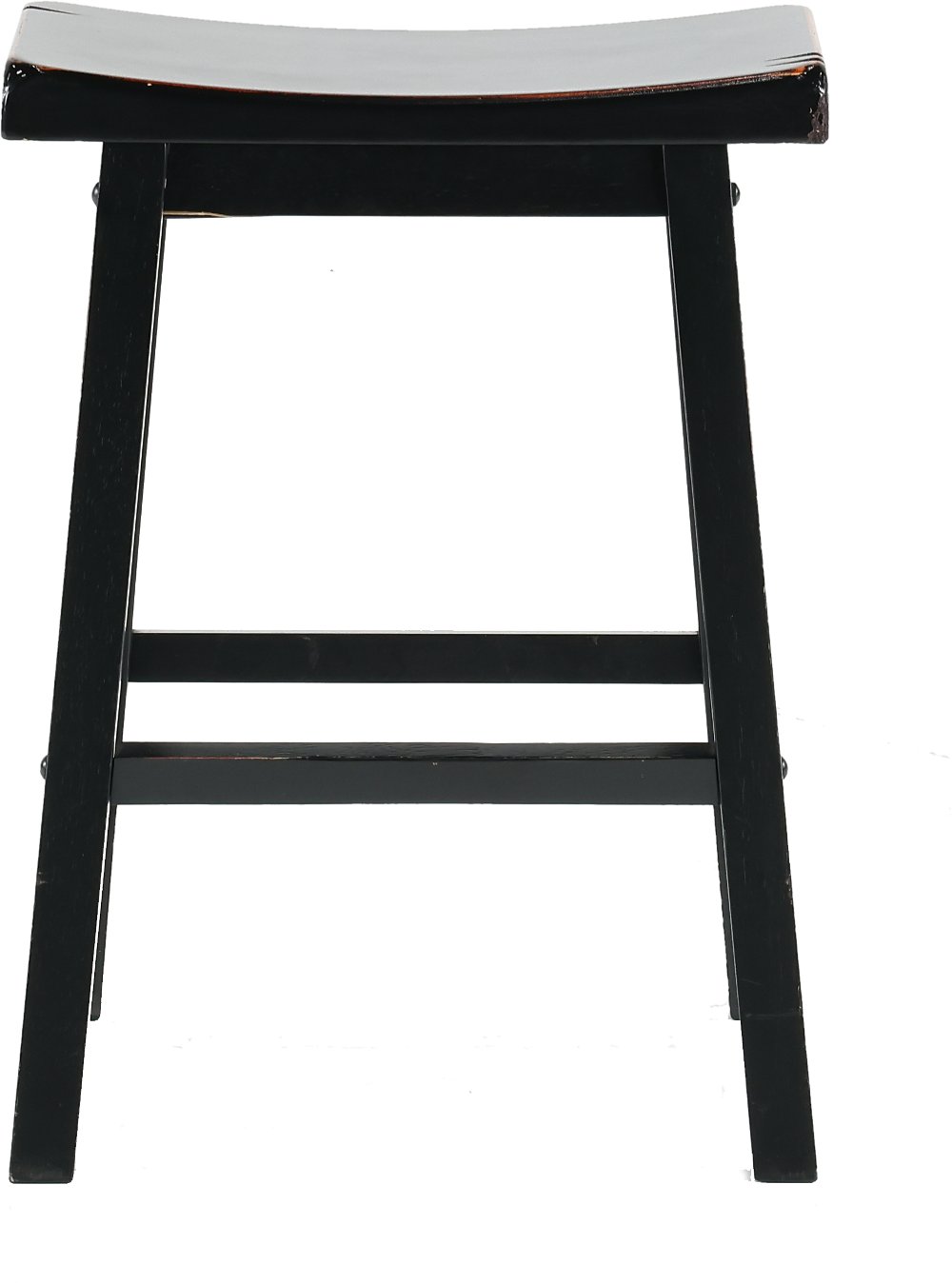
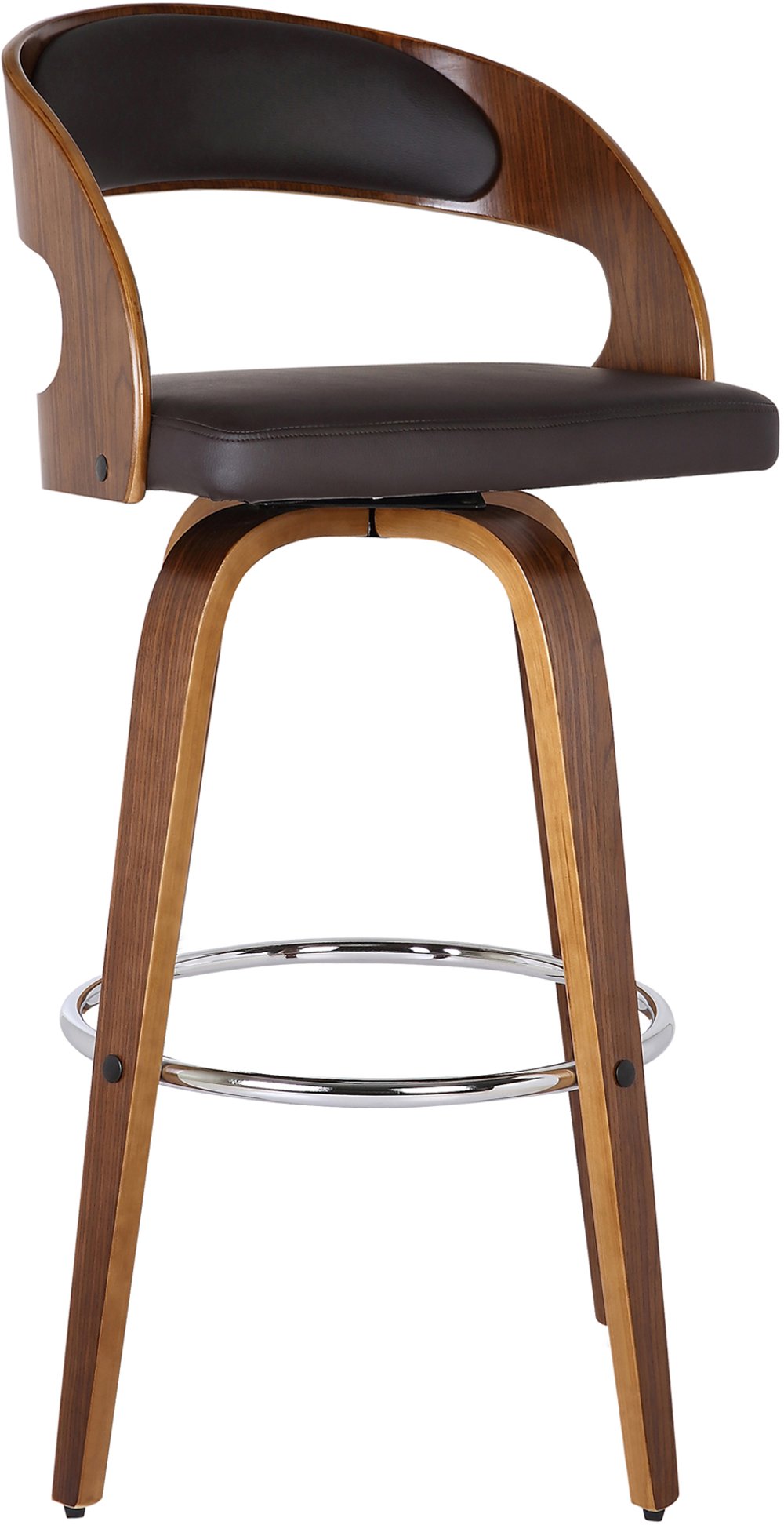
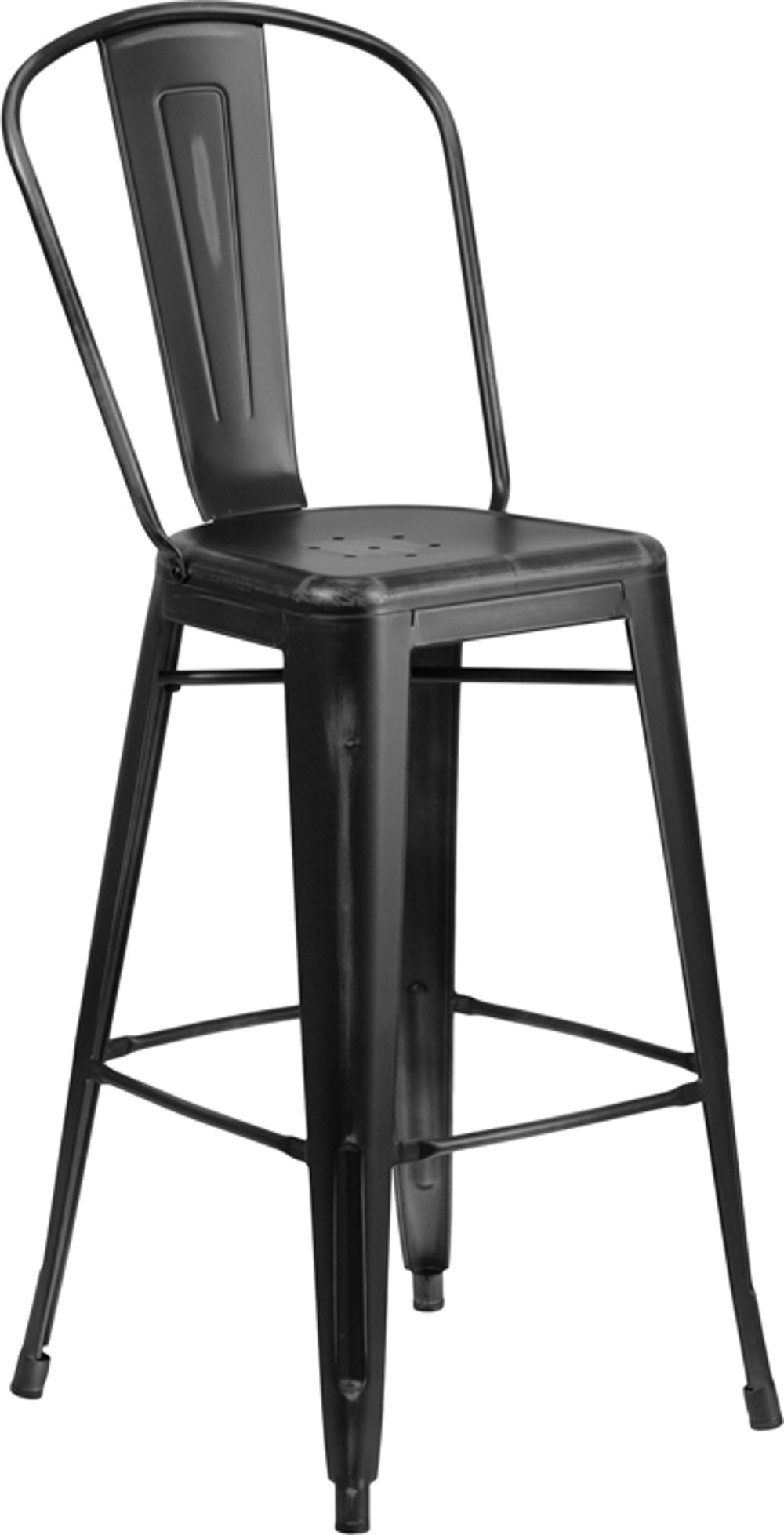
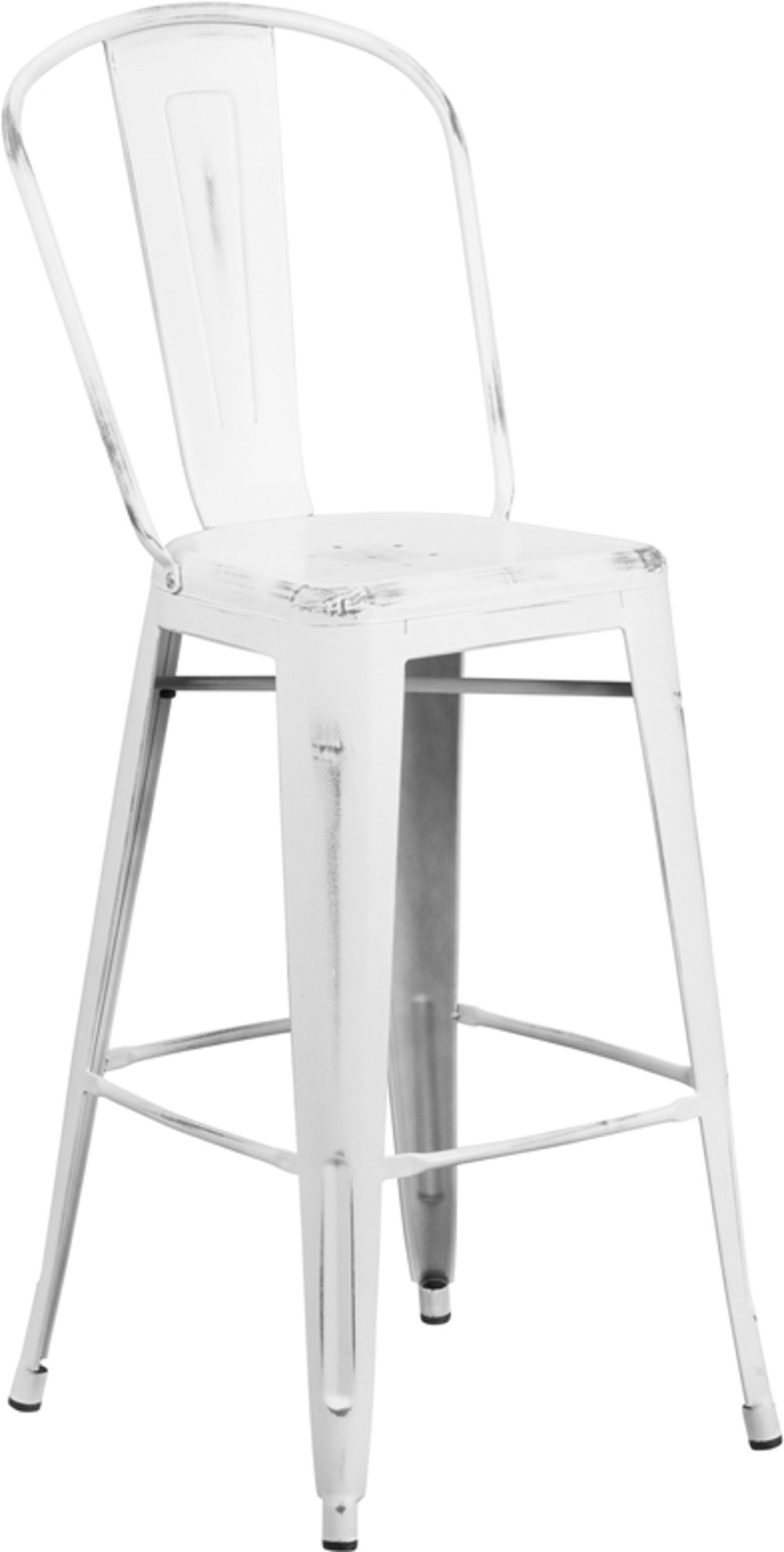
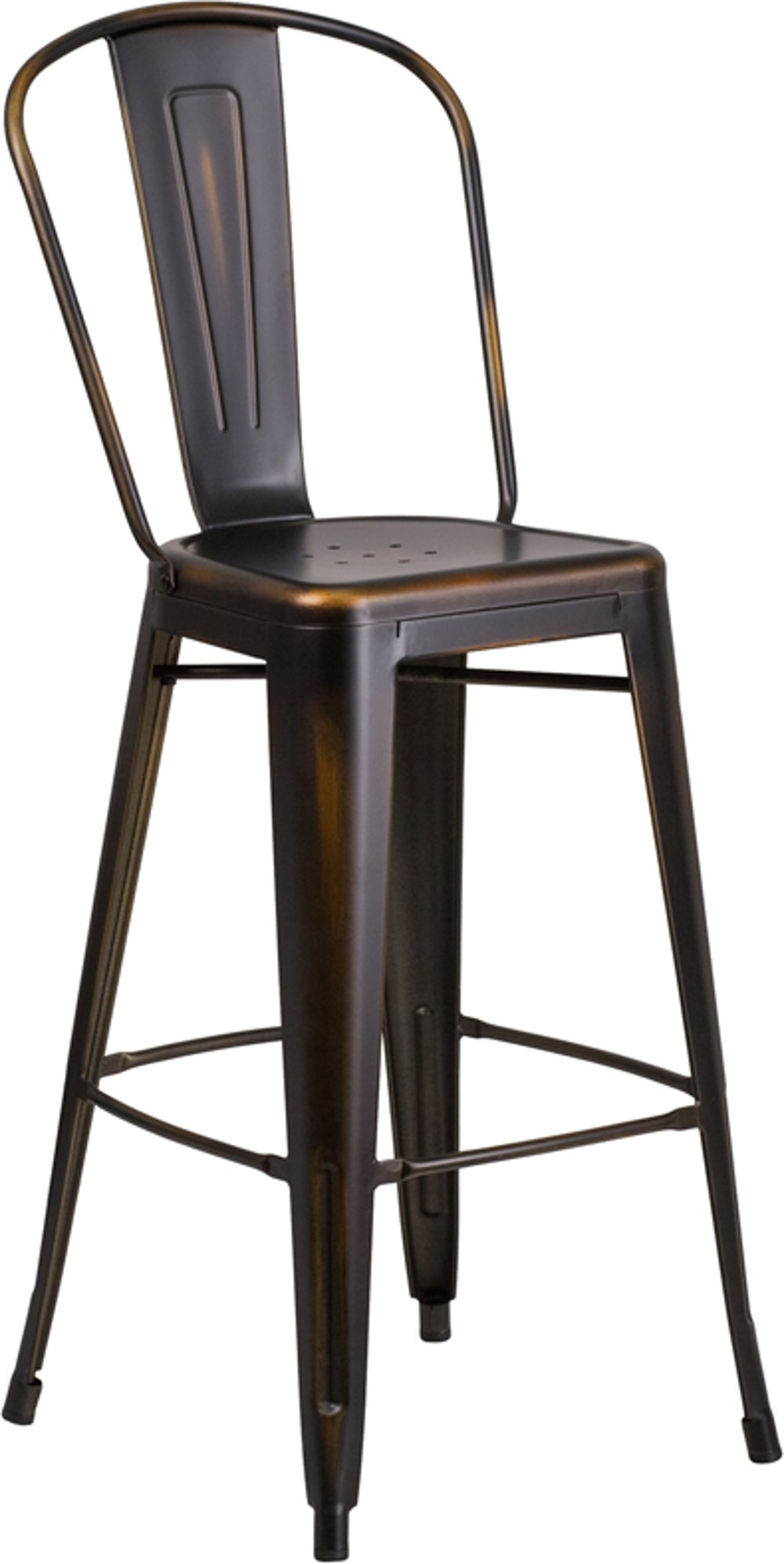
Rustic kitchen counter stools bring the texture of wood, the strength of metal, and an easygoing sense of character to everyday seating. Their defining details often include visible grain, distressed finishes, simple joinery, and earthy colors that feel at home beside painted cabinets, stone countertops, or a butcher-block work surface. The look can lean farmhouse, industrial, traditional, or Western, depending on the combination of materials and shapes. A wood stool with a gently curved saddle seat keeps the silhouette simple, while a slatted back adds a familiar farmhouse touch. Dark metal legs paired with a textured wood seat create a more industrial feel without making the kitchen look overly coordinated. For a softer contrast, upholstered seats in oatmeal, charcoal, or warm brown sit comfortably alongside wood cabinetry. Rustic doesn’t have to mean rough or heavily weathered; a smooth seat with subtle grain and a muted finish can offer the same welcoming character in a cleaner, more understated form. Solid wood can develop small marks through everyday use, though its finish and construction influence how well it handles spills and wear. Oak often shows prominent grain, while other woods may have quieter patterns or stronger color variation. Reclaimed wood can include old nail holes and uneven coloration, but a distressed appearance alone doesn’t mean the material is reclaimed. Check the material description when that distinction matters to your space. Metal frames offer another way to balance visual weight, especially around an island with substantial cabinetry. Slender legs can leave the room feeling open, while thicker wood legs make a more grounded statement. Rather than matching every wood tone exactly, connect the stools to one or two existing details, such as dark cabinet hardware or the warm undertone of a dining table. That approach lets rustic counter seating feel like a natural part of your kitchen instead of a separate decorating project.
The right fit starts with the distance between the floor, the seat, and the underside of the counter. Counter-height stools generally have seats about 24 to 26 inches high and typically suit counters around 36 inches tall. Bar-height stools are taller, commonly with seats around 28 to 30 inches, so the two categories aren’t interchangeable. Aim for approximately 9 to 12 inches between the top of the seat and the underside of the counter, accounting for any apron or support that reduces legroom. Measure your actual counter rather than relying on the room’s layout or the word “island,” since islands can have different surface heights. Width matters just as much when several people sit together. Allow roughly 24 to 30 inches of counter frontage per person as a starting point, then adjust for the stool’s widest point, armrests, and swivel movement. A row of broad seats may fit beneath the countertop but still leave elbows crowded at breakfast. Backless rustic counter stools are especially useful where the kitchen opens onto a walkway, provided their height and depth allow them to tuck beneath the overhang. Saddle seats add a shallow contour while keeping that compact profile. Stools with backs offer support for more leisurely meals, homework, or conversation while dinner comes together. A low back preserves more of the sightline across an open room, while a taller back makes seating a stronger visual feature. Armrests can provide another place to settle in, but check that they clear the counter before planning to push the stools underneath. Swivel seats can make turning toward the room easier, although they need space to rotate without hitting nearby cabinetry or neighboring seats. For seating centered on a gathering spot, explore Rustic Kitchen Island Stools with the same attention to seat height, clearance, and everyday movement. A well-positioned footrest also matters: it gives feet a comfortable landing place instead of leaving legs dangling during a meal.
Comfort and care help determine which rustic kitchen stools will work best once the kitchen gets busy. A smooth wood seat makes wiping away crumbs straightforward and suits quick breakfasts, snack breaks, or a perch beside the meal-prep area. For longer stretches at the counter, cushioning and back support can make a noticeable difference, though seat depth and shape remain important. Woven upholstery adds softness and texture, but spills may require prompt blotting and a cleaner approved for the fabric. Leather and synthetic leather have different care requirements, even when they look similar; neither should be treated as automatically stainproof or maintenance-free. Follow the manufacturer’s cleaning instructions, and test any permitted cleaning product in an inconspicuous spot first. On finished wood, a soft cloth and prompt attention to moisture help protect the surface. Avoid soaking joints or using abrasive scrubbers that can dull a finish. Decorative grooves, nailhead trim, and carved details bring character, but they also create extra places for crumbs and dust to collect. In a household with frequent snacks or craft projects at the island, simpler surfaces may be easier to maintain. Durability depends on more than a substantial appearance. Look at the stated weight capacity, frame construction, connections, and care requirements, and follow assembly instructions carefully. Check fasteners periodically, particularly on stools that get moved often, and replace worn floor protectors before exposed feet can scratch the flooring. Distressing can make small cosmetic scuffs less noticeable, but it doesn’t prevent loose joints or structural damage. For households with children, a stable stool and appropriate supervision matter, and footrests shouldn’t serve as steps for climbing. Adults who need extra support may prefer a supportive back and a stationary seat over a backless swivel design. Think about the moments the seating needs to handle: a quiet cup of coffee, a shared lunch, a visitor keeping the cook company. Rustic kitchen counter stools feel most at home when their proportions, comfort, and upkeep fit those everyday routines as naturally as their finish fits the room.
Read More