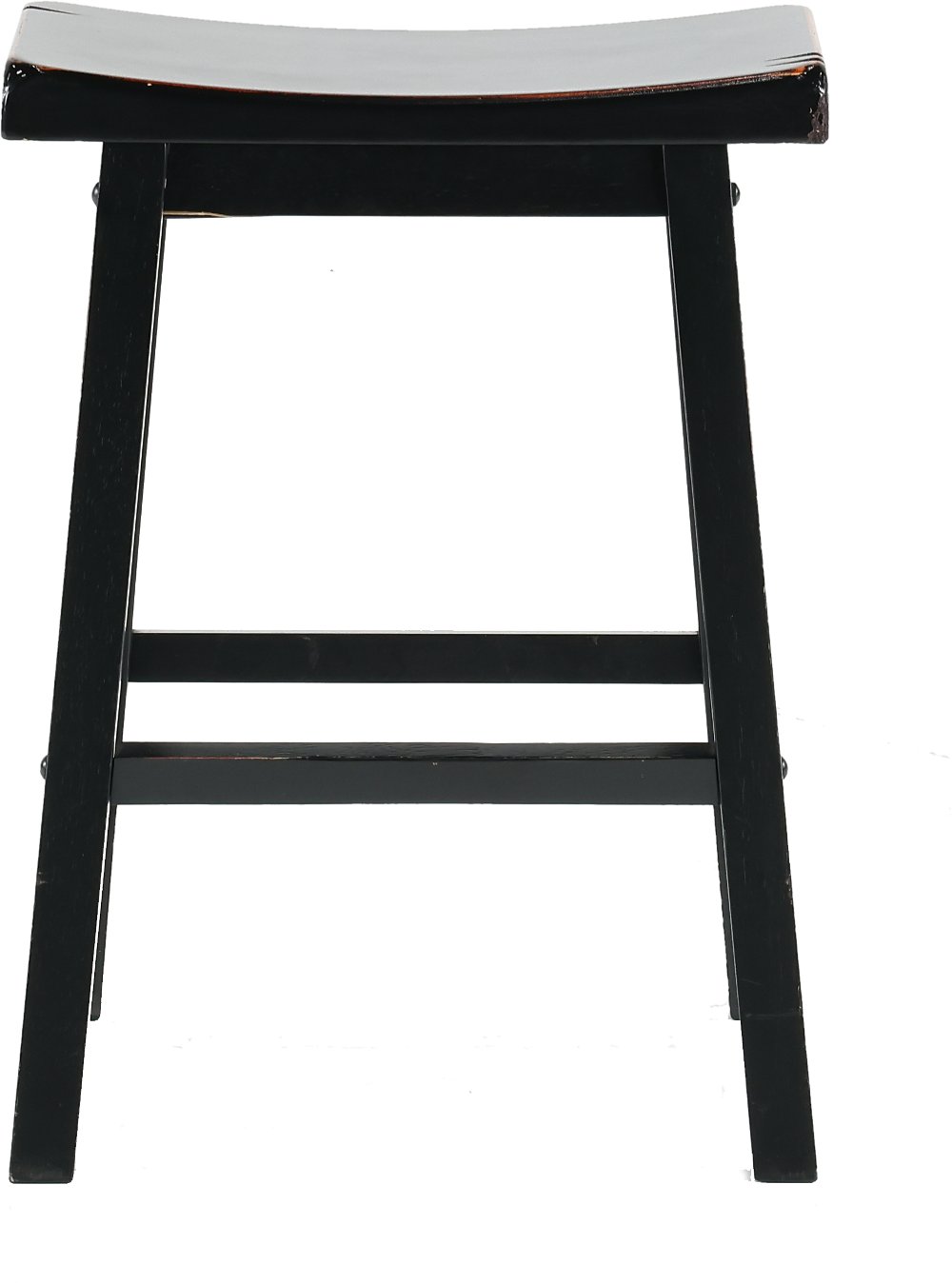
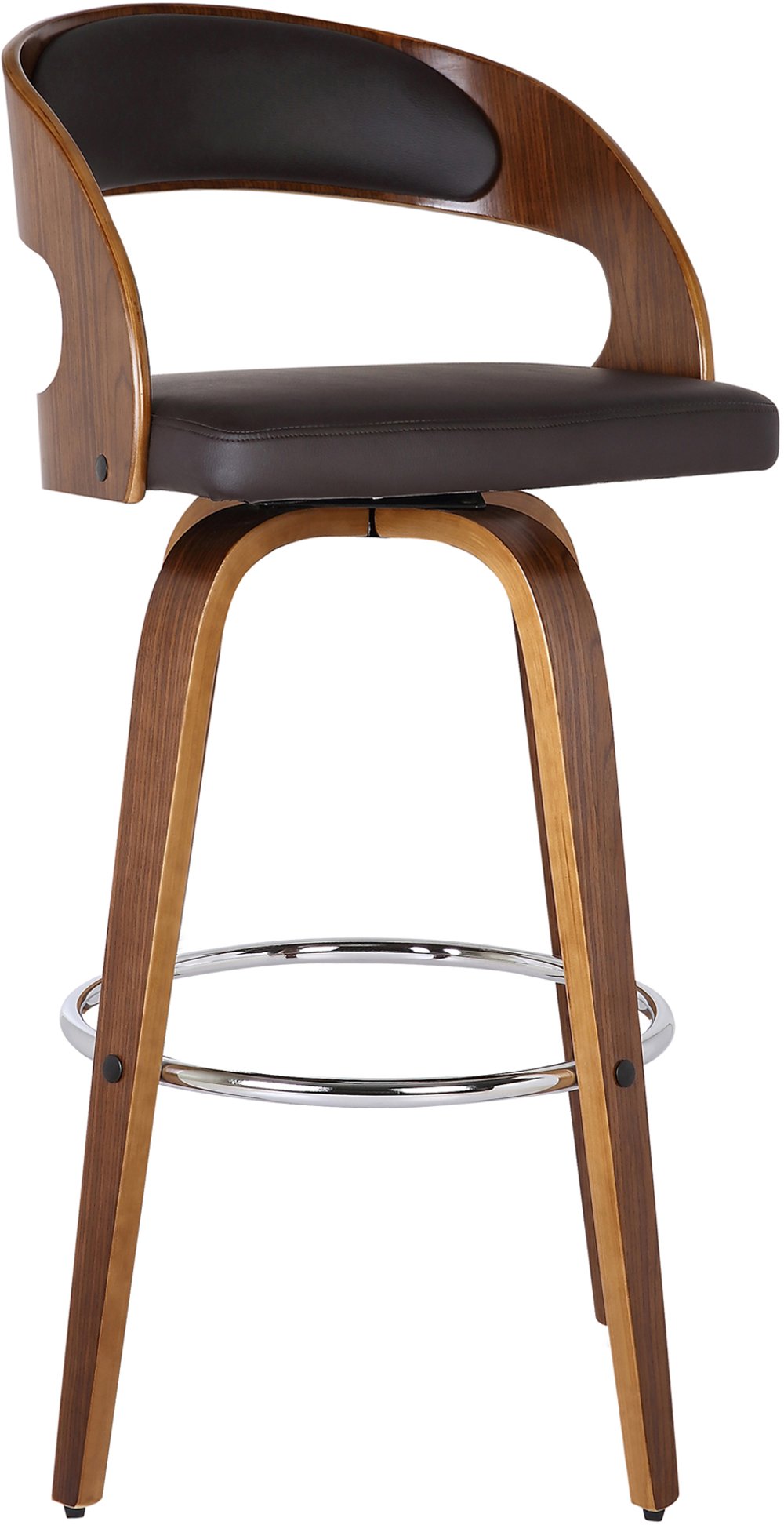
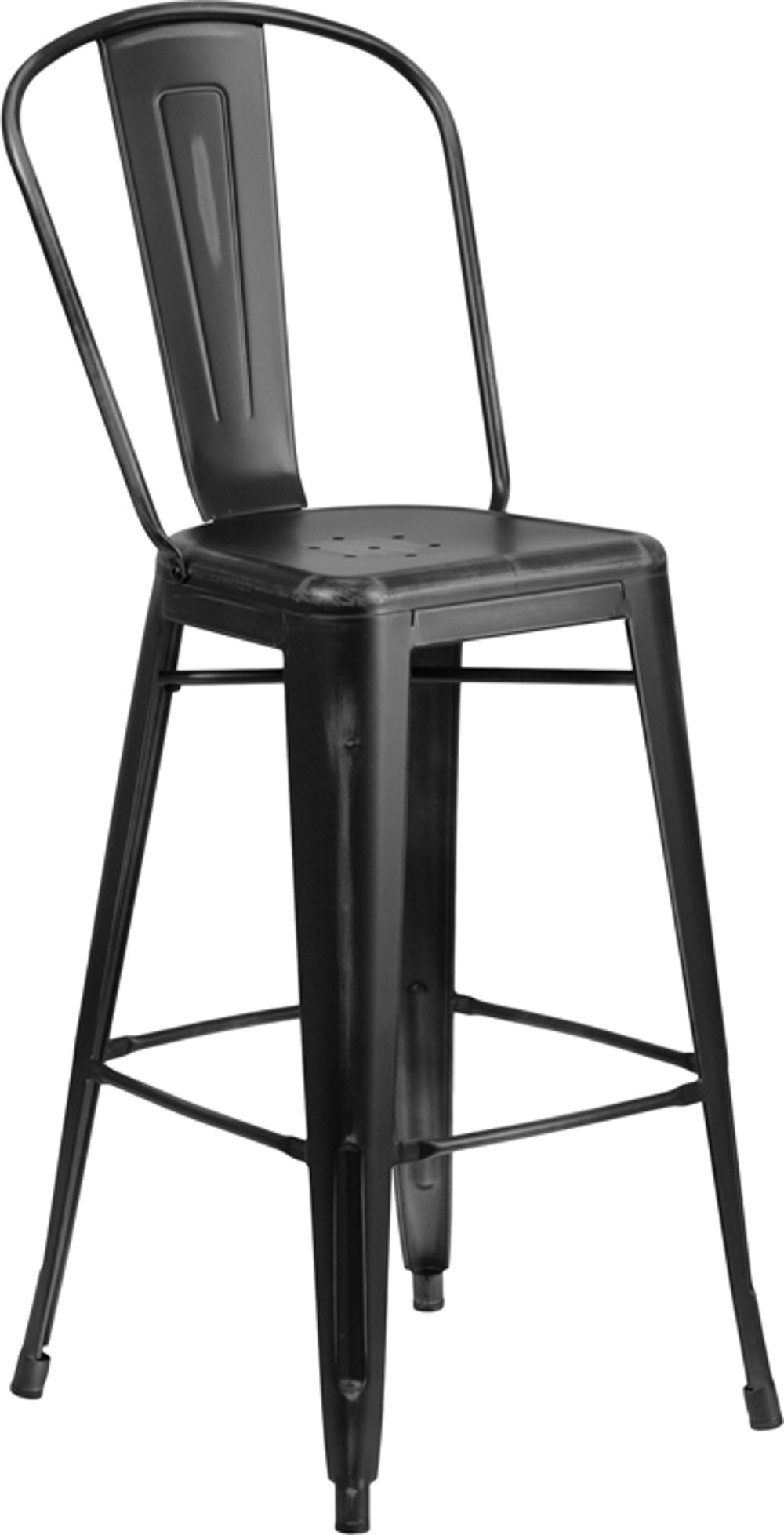
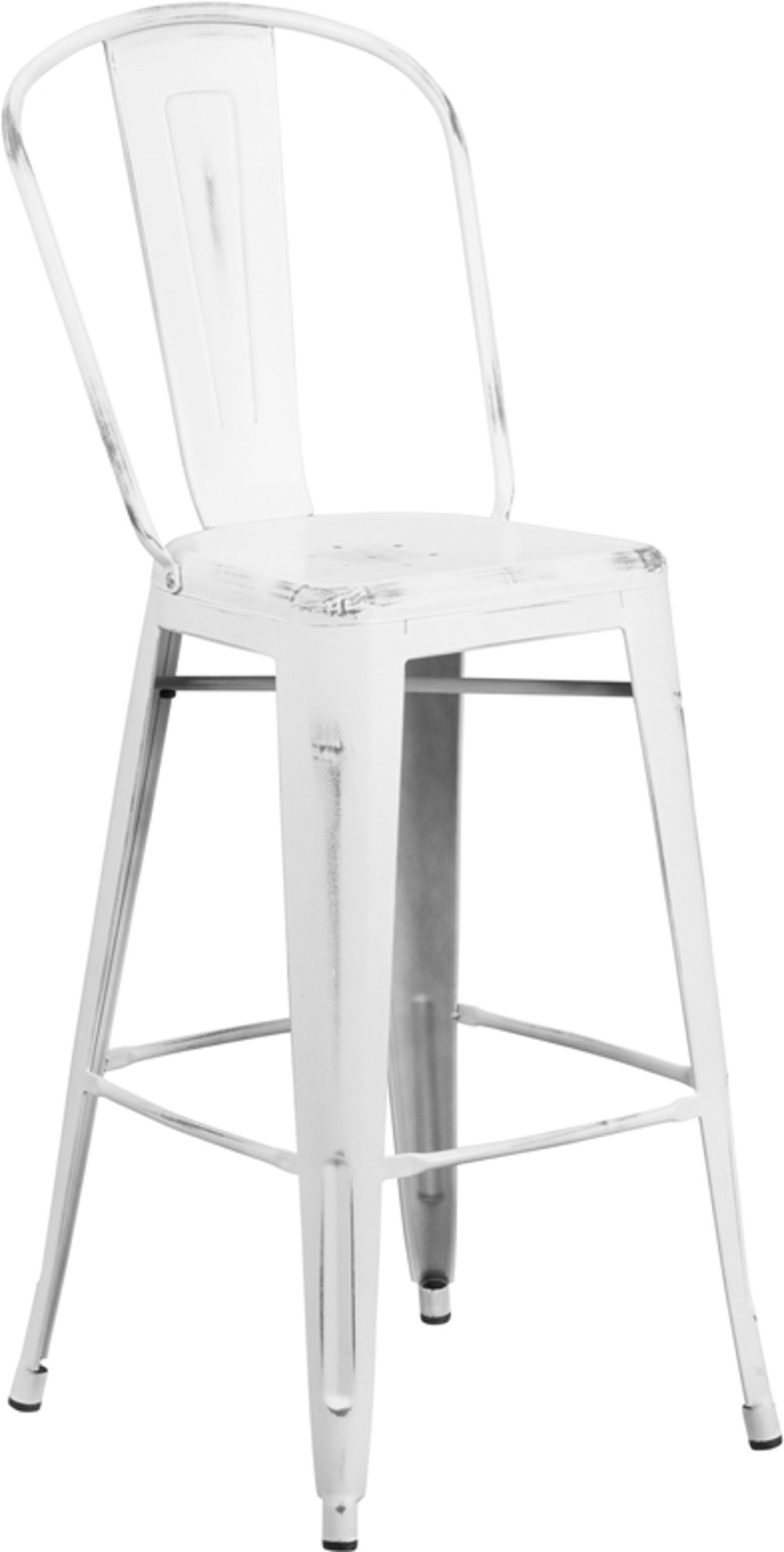
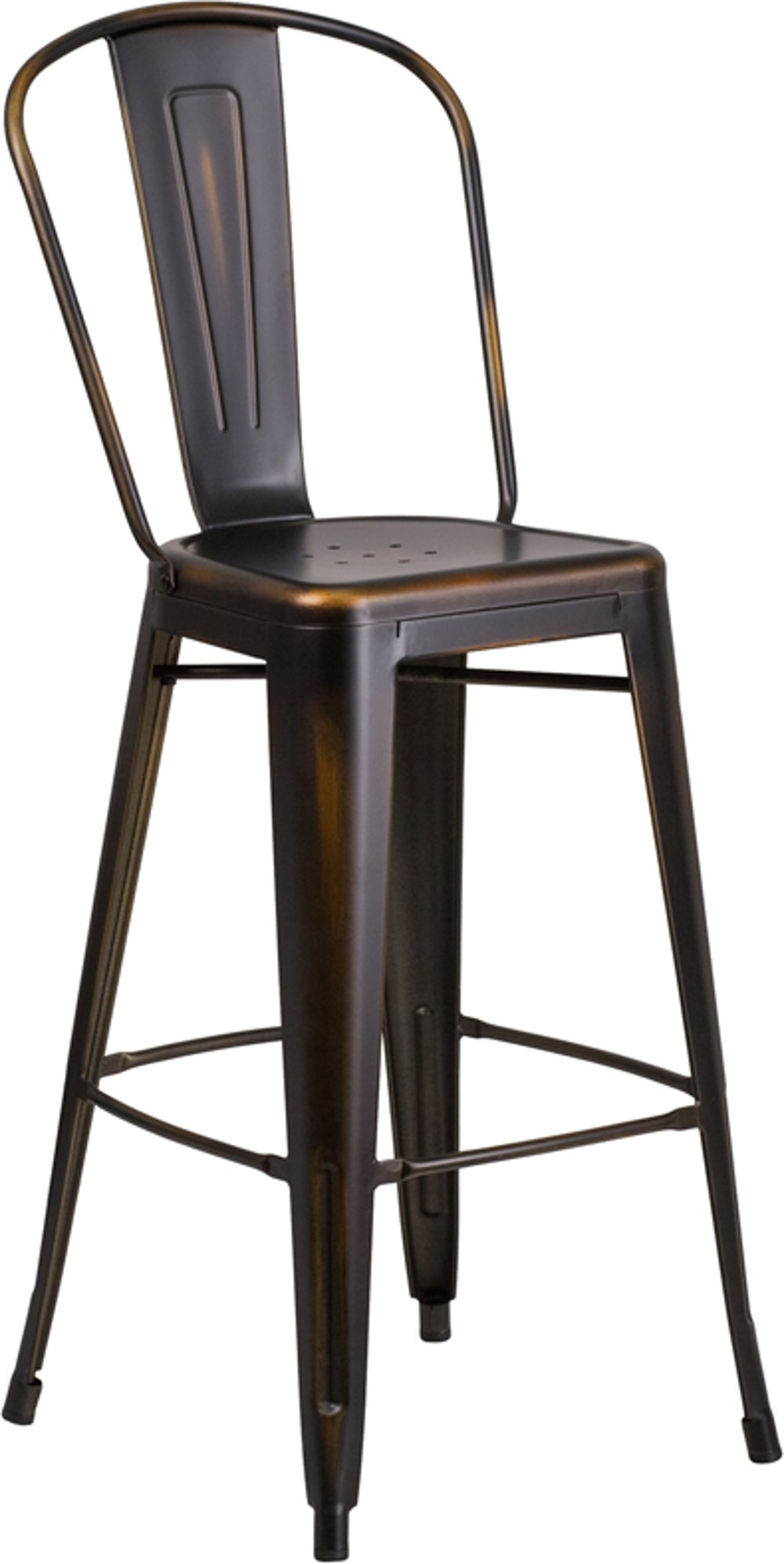
Rustic counter height stools combine natural texture, earthy finishes, and practical seating for kitchen islands, breakfast counters, and counter-height dining tables. Most have seats about 24 to 27 inches high, making them a common match for countertops around 36 inches tall. Weathered wood, dark metal, visible grain, and softly distressed finishes give these stools their relaxed, countryside-inspired character. The appeal goes beyond a farmhouse kitchen: a wood seat can soften the look of white cabinetry, while an iron frame can connect with dark cabinet hardware or pendant lighting. In a kitchen with stone counters and clean-lined cabinets, rustic seating adds texture without requiring a complete change in style. Finishes ranging from light, washed wood to rich brown create different effects, whether the goal is an airy breakfast nook or a dining space with deeper, more grounded tones. Matching every wood finish isn’t necessary. Repeating an undertone, such as golden brown or muted gray, helps the stools feel connected to nearby flooring, shelving, or a dining table while leaving room for variation. For a streamlined take on this look, Modern Rustic Counter Stools bring together rustic textures and simpler silhouettes that work well in contemporary spaces. Backless shapes keep the view across an island open, while stools with backs give the seating area a more substantial presence. Details such as cross backs, turned legs, metal stretchers, or woven seats can shift the mood from farmhouse to industrial or casual cottage. These are useful seats for the everyday moments that happen around a kitchen: breakfast before work, a conversation while dinner comes together, or a place for guests to settle with a snack. A rustic finish makes the setting feel easygoing, but the best fit still depends on how the seat supports the person using it and how comfortably it fits the room.
Comfort starts with the relationship between the stool, the counter, and the space around them. Counter height and bar height aren’t interchangeable; bar stools generally sit higher and are intended for taller surfaces. Measure from the floor to the top of the seat when comparing heights, then check the space between the seat and the underside of the counter. About 9 to 12 inches of clearance is a useful starting point for comfortable legroom, although thick countertops, support brackets, and aprons can reduce the usable space. An island overhang also matters because knees need somewhere to go. A stool may be the right height yet still feel awkward if a shallow overhang keeps the sitter too far from the counter. Width deserves the same attention. Allowing roughly 24 to 30 inches of counter length per person often provides a comfortable starting point, with wider seats, arms, and swivel designs needing more room. Leave enough separation for someone to sit down without bumping an adjacent stool, and keep the walkway behind the seating clear when the seats are occupied. In a compact kitchen, a backless stool that tucks beneath the counter can help preserve walking space, provided its full dimensions fit under the overhang. For lingering over coffee or helping with homework, a supportive back and a comfortable footrest can make a noticeable difference. A contoured wood seat offers a different feel from a flat seat, while cushioning adds softness for longer visits. Upholstered backs can also make an island feel more like a casual dining area. Swivel seats let people turn toward a conversation without dragging the entire stool across the floor, though they need clearance from nearby cabinets and neighboring seats. For households with children, consider how easily they can get on and off the seat, and choose a stable design suited to its intended use. The most inviting arrangement leaves people room to move rather than filling every available inch of counter.
Materials and construction shape how rustic kitchen stools look, feel, and hold up to daily use. Solid wood brings distinctive grain and natural variation, with oak, pine, and other woods each contributing a different texture and character. Wood species, protective finish, and construction all affect durability; a distressed appearance alone doesn’t indicate how well a stool will handle everyday wear. Some woods dent more readily than others, which may suit a relaxed, timeworn look but still calls for thoughtful handling. Wood veneers can provide an attractive grain surface, and their care needs depend on the underlying construction and finish. Metal frames introduce a different texture and can give rustic seating a lighter visual profile, especially when paired with a wood seat. Look beyond the finish to details such as secure joints, supportive stretchers, and a footrest positioned for comfortable use. Follow the stated weight capacity rather than judging strength by appearance. Woven seats add visual interest, though crumbs can settle into their texture and cleaning methods vary by fiber. Upholstery brings another layer of comfort, with smooth, wipeable surfaces offering different maintenance needs from textured fabrics. In a busy kitchen, everyday habits are worth considering: a seat used for quick breakfasts may face frequent spills, while a homework spot may need regular attention for pencil marks and snack crumbs. Blot spills promptly, remove crumbs with an appropriate soft brush or vacuum attachment, and use cleaning products approved for the material. A soft cloth is often suitable for routine dusting, but wood, metal, fabric, and leather each require their own care. Avoid soaking wood or woven surfaces, and follow the manufacturer’s directions before applying polish, conditioner, or stain treatments. Protective floor glides can help limit scratches and make stools easier to reposition; check them periodically for grit and wear. With suitable dimensions, comfortable support, and manageable upkeep, rustic counter stools can make an everyday gathering spot feel thoughtfully finished and ready for regular use.
Read More