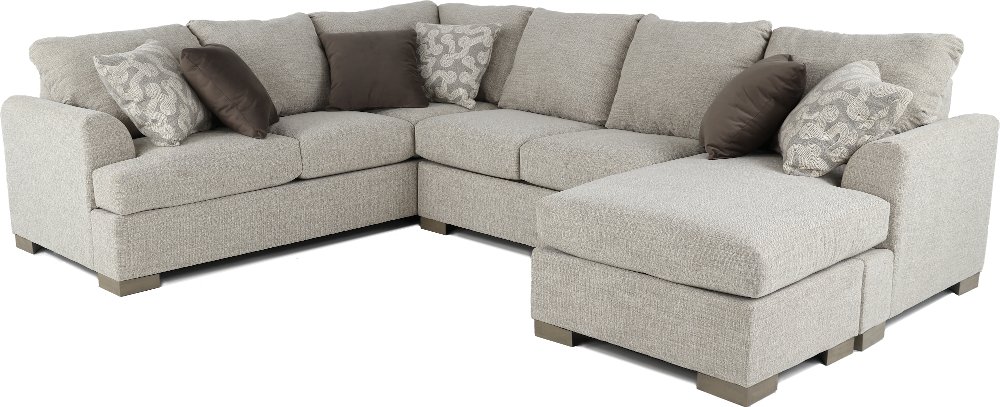
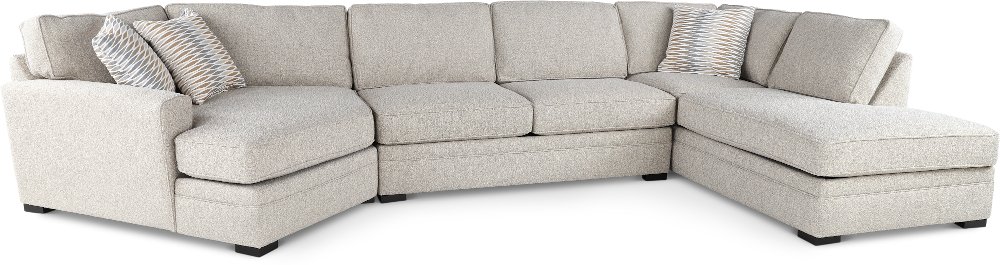
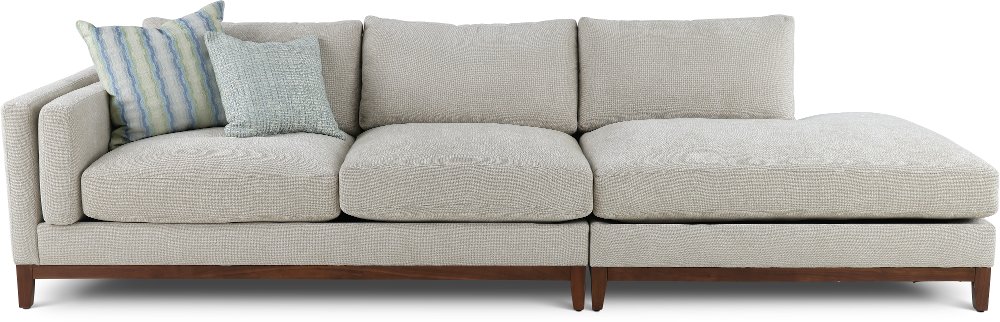
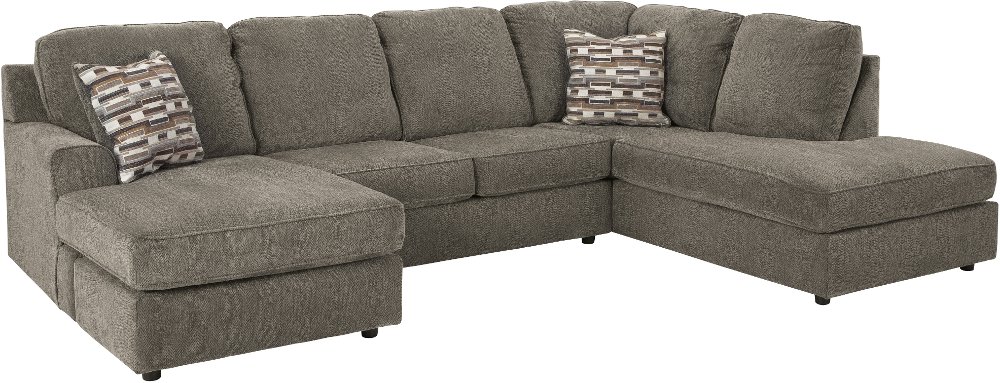
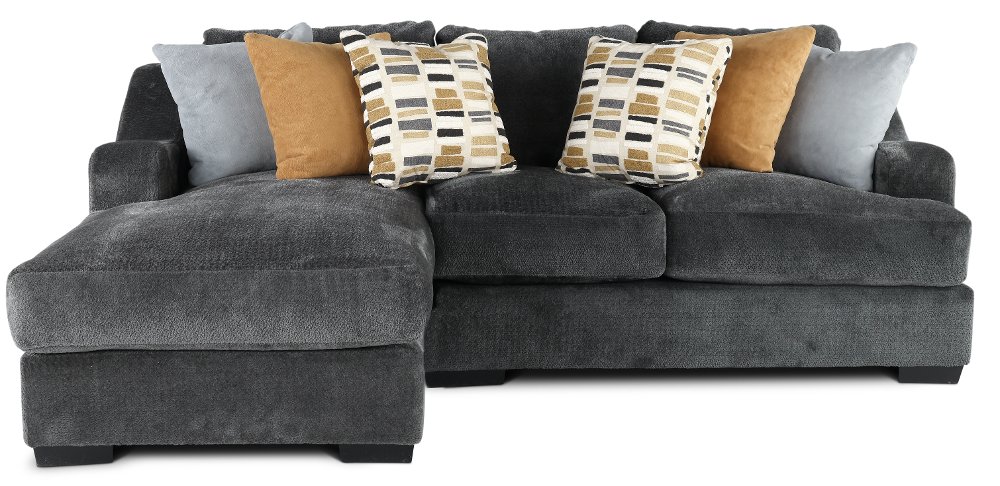
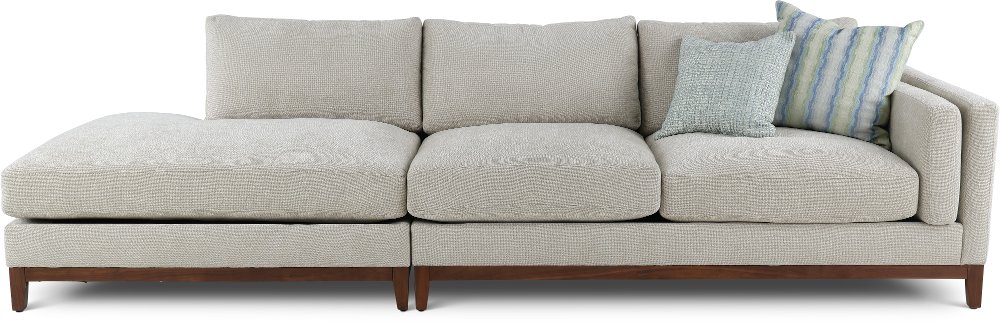
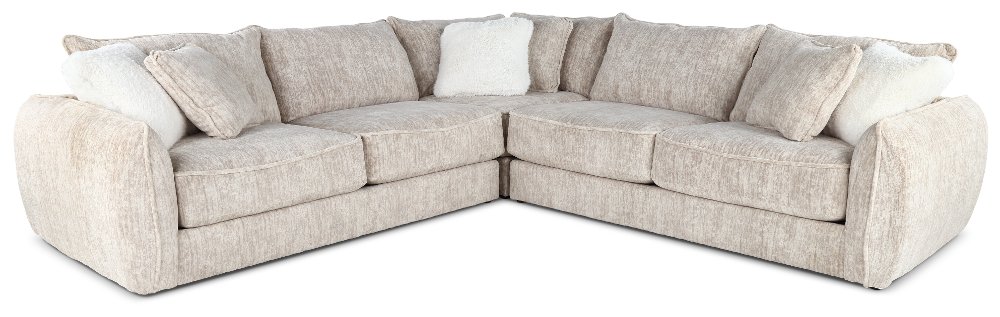
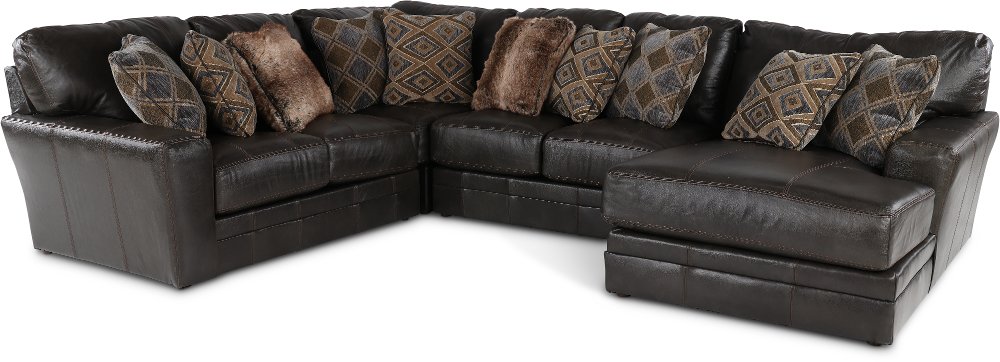
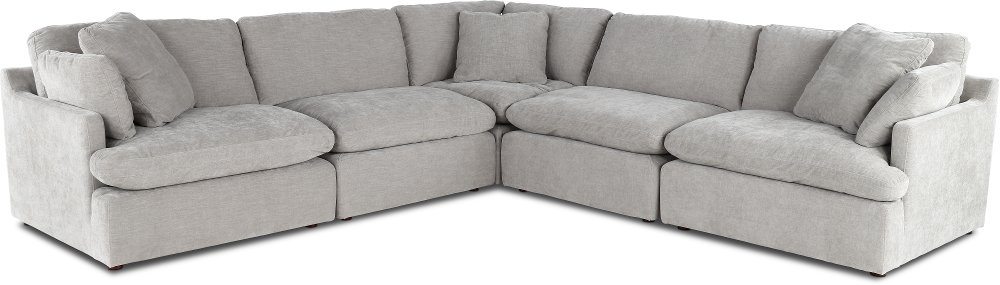
A sectional with a reversible chaise is a sofa that lets you place the extended lounging seat on either the left or right side, depending on its design. That flexibility makes it easier to arrange comfortable seating around your room rather than arrange the entire room around your sofa. In many designs, a movable ottoman base supports a long chaise cushion that can switch ends. Other designs use interchangeable sectional components to change the layout. The exact method varies, so the configuration instructions matter: a reversible chaise isn’t necessarily the same as reversible cushions, and a modular sectional doesn’t automatically allow every possible arrangement. For an apartment living room, the chaise might sit beside a window while leaving a clear path to the kitchen. After a move, that same extended seat could work better against the opposite wall. In a shared family room, switching sides may help accommodate a new media console, a reading chair, or a different conversation area. The appeal is simple: you get a place to stretch out without committing to one permanent corner. These sectionals suit renters, first-time homeowners, and anyone who likes the freedom to rearrange furniture as everyday needs change. They also give couples and families a comfortable spot for movie nights, reading, or relaxing together, though someone stretching out along the chaise will occupy more space than someone sitting upright. A chaise provides leg support as part of the seating arrangement, so a separate footrest may not be necessary. For a broader look at this layout, explore L Shaped Sectional Sofas With Chaise. When comparing configurations, pay attention to how left-facing and right-facing positions are described. Retailers commonly identify the side while facing the sofa, but checking the layout diagram helps confirm that the chaise will sit where you expect it. A clear diagram also helps distinguish a genuinely reversible design from a sectional made in two separate, fixed orientations.
The best fit depends on more than the width of the wall behind the sofa. Overall width, sofa depth, chaise projection, and arm height all affect how a sectional feels in the room. A chaise can extend well beyond the regular seat depth, so its outer edge deserves special attention near doorways, hall openings, and frequently used walkways. Painter’s tape on the floor makes the footprint easier to picture, including how much room remains between the chaise and a coffee table. If the chaise will switch sides occasionally, consider both arrangements before settling on the size. A layout that works beautifully beside a blank wall may block a cabinet or crowd a doorway when reversed. Delivery access matters, too: door openings, tight hallway turns, stairs, and elevators can limit what reaches the room, even when the assembled sectional fits comfortably inside. Check component dimensions and whether legs or other parts are designed to detach. Seat proportions deserve the same attention as the footprint. Deeper cushions encourage curling up, while a shallower seat can make upright conversation more comfortable for someone whose feet otherwise wouldn’t reach the floor. Seat height, back support, and arm shape also influence everyday comfort. A broad, padded arm offers a soft place to lean, while a narrow track arm leaves more of the overall width for seating. Low backs can preserve sightlines across an open living space; taller backs may appeal to someone who prefers more support while sitting. Upholstery changes both the look and the experience. A textured woven fabric brings visual softness, while smoother upholstery creates a cleaner outline. Leather offers a distinct feel and develops wear differently from fabric, with characteristics that vary by leather type and finish. Color and texture should suit the room’s daily activity as well as its style. A subtly patterned or heathered fabric may make everyday lint less noticeable than a smooth, solid surface, while tightly woven upholstery may be less inviting to snagging than a loose weave.
Long-term satisfaction comes from matching construction and care needs to the way your household actually lives. A sectional used for several hours every evening needs dependable support beneath the cushions, not just an inviting surface on the first sit. Frame materials, reinforced joints, the suspension system, and cushion construction all contribute to how seating holds its shape over time. Foam density and firmness describe different qualities, so a firm cushion isn’t automatically more durable, and a softer cushion isn’t automatically less supportive. Fiber-wrapped cushions can create a softer initial feel, while some loose-fill designs need regular fluffing to maintain their shape. Product construction details help clarify those differences without relying on appearance alone. For homes with children, pets, or frequent visitors, look closely at upholstery care requirements and any documented performance features. Stain resistance doesn’t mean stainproof, and a removable cushion cover isn’t necessarily machine washable. Follow the upholstery care label, blot spills promptly rather than rubbing them, and use only cleaning methods approved for the material. Regular vacuuming with an appropriate upholstery attachment helps remove crumbs and grit from seams and cushion edges. Rotate or flip cushions only when their design allows it, and remember that a chaise cushion may have a particular shape or orientation even when the chaise itself is reversible. Leather needs its own approved care routine, and both leather and fabric benefit from thoughtful placement away from prolonged direct sunlight and concentrated heat sources. When changing the chaise position, follow the assembly instructions and secure any connectors before using the sectional again. Lifting components as directed, rather than dragging the assembled sofa, helps protect the frame, connections, and flooring. With the right proportions, supportive seating, and a manageable care routine, a reversible chaise sectional can give your living space a comfortable anchor while leaving room for a different arrangement down the road.
Read More