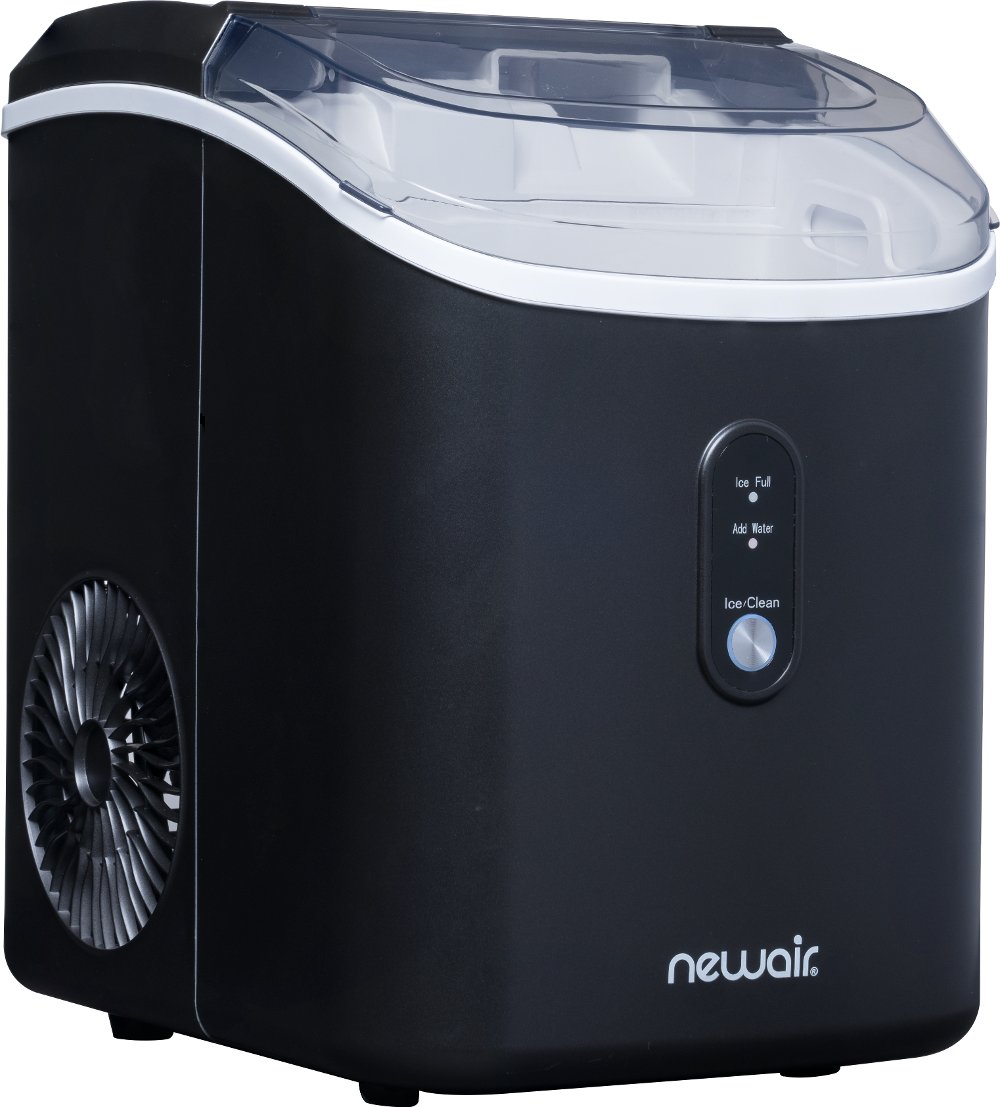
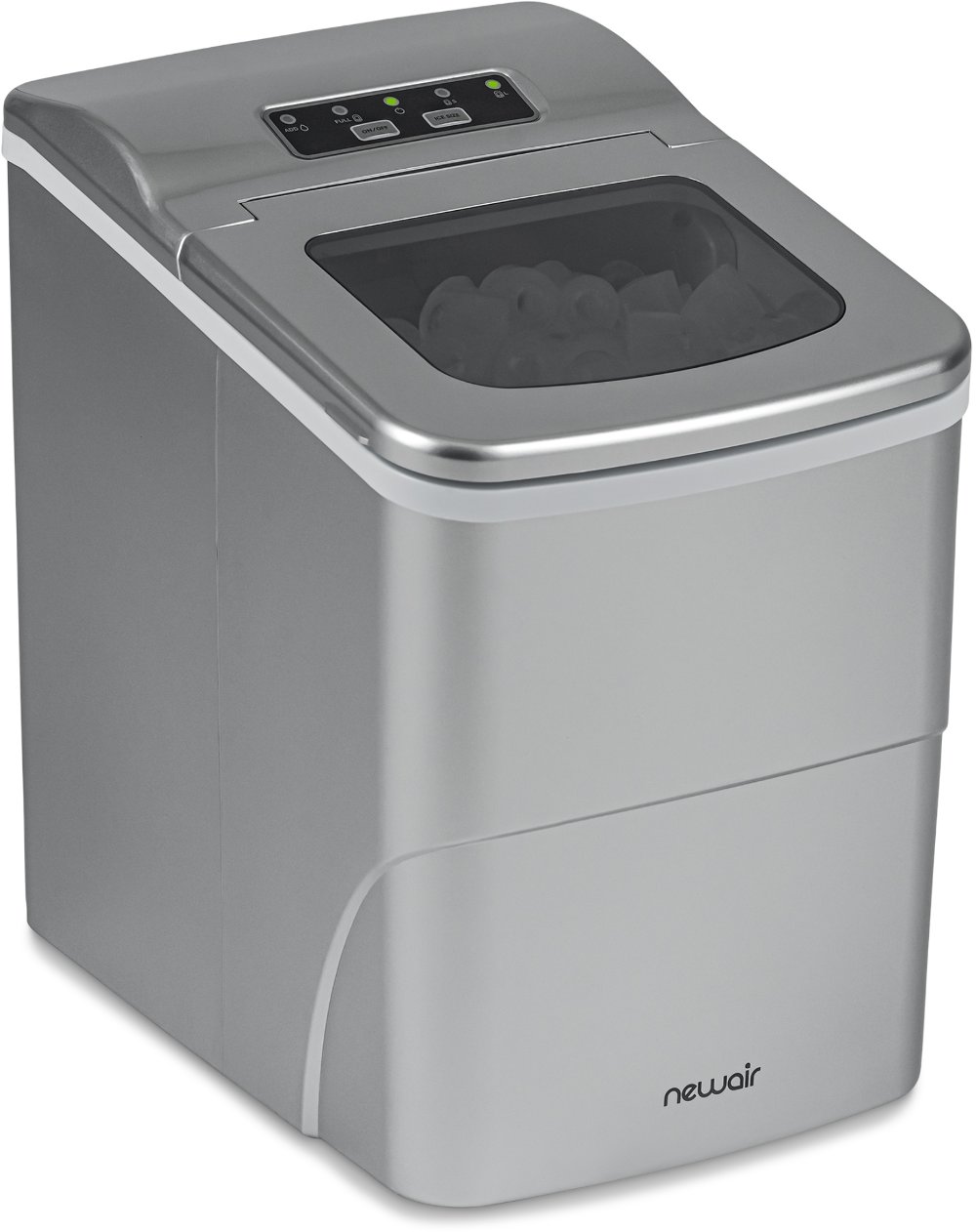
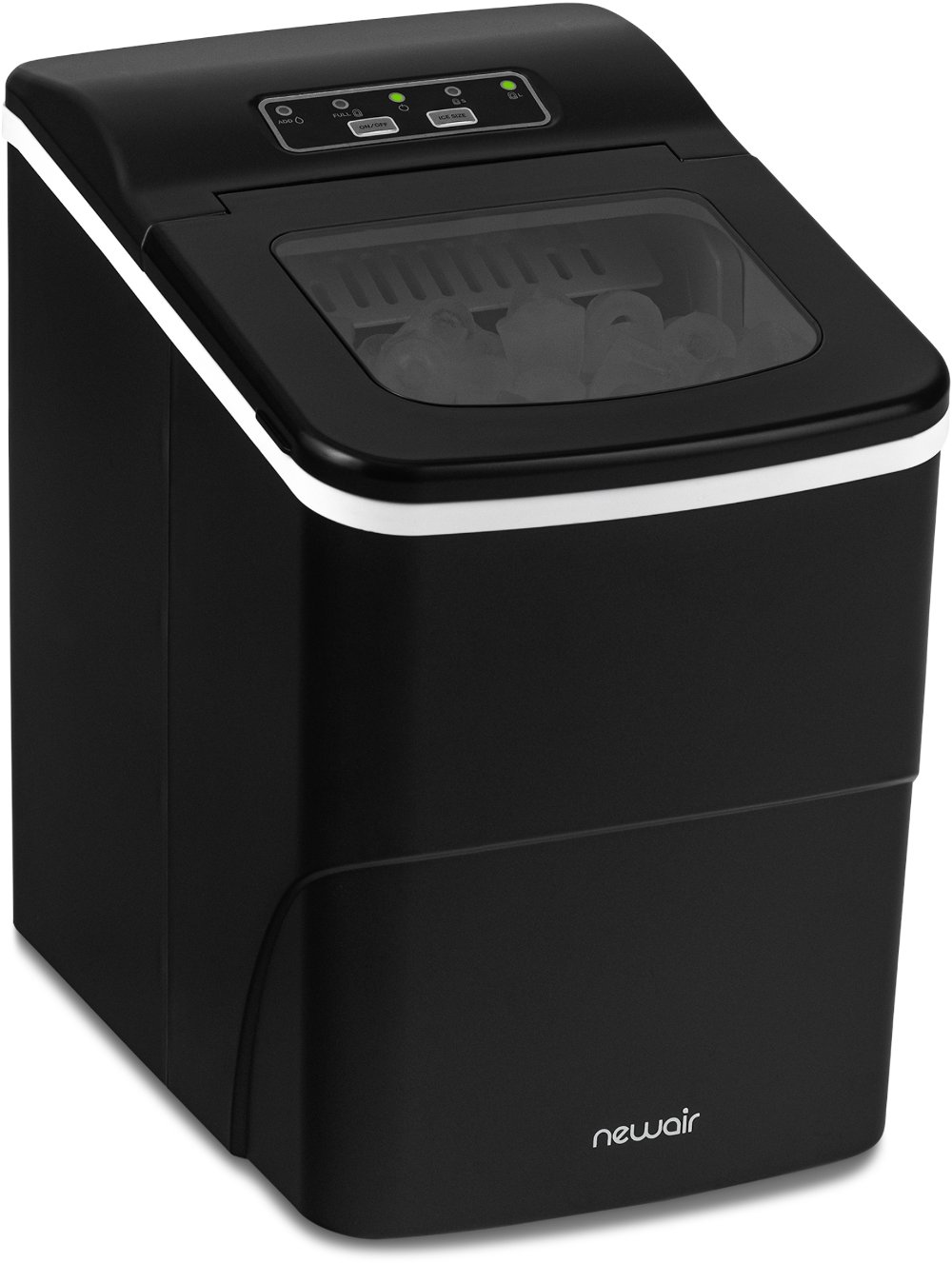
Self-cleaning ice makers bring the convenience of fresh ice closer to the places you pour, sip, and gather, with an automated cleaning cycle that simplifies part of the upkeep. A self-cleaning ice maker circulates water and, when the manufacturer specifies it, an approved cleaning solution through portions of its internal water system. That cycle helps clean areas that are difficult to reach by hand, but it doesn’t replace washing removable parts, draining old water, or addressing mineral buildup. Cleaning times, button sequences, and approved solutions vary by model, so the appliance’s instructions matter more than a universal routine. For everyday use, these machines can take pressure off a refrigerator ice maker, keep a home coffee station supplied, or make it easier to fill glasses when friends stop by. The type of ice shapes the experience as much as the cleaning feature does. Nugget ice consists of small pieces of compressed ice flakes, giving it the soft, chewable texture many people enjoy in fountain-style drinks and iced coffee. Bullet ice has a rounded shape with a hollow center and works well for everyday beverages, water bottles with suitably sized openings, and quick refills. Cube-style ice offers a more traditional option for mixed drinks and other beverages, though cube size and clarity depend on the machine. Not every self-cleaning model produces every ice shape, and selectable ice sizes aren’t the same as selectable ice types. A household that fills several tumblers each morning may value steady production and an easy-to-reach basket, while someone furnishing a small beverage nook may care more about footprint and simple controls. For a housewarming gift or a shared household upgrade, an ice maker makes the most sense when its dimensions, water requirements, and ice style match the recipient’s routine. The best fit is an appliance that earns its space through regular use, whether that means a scoop for afternoon sparkling water or enough ice to serve drinks around the dinner table.
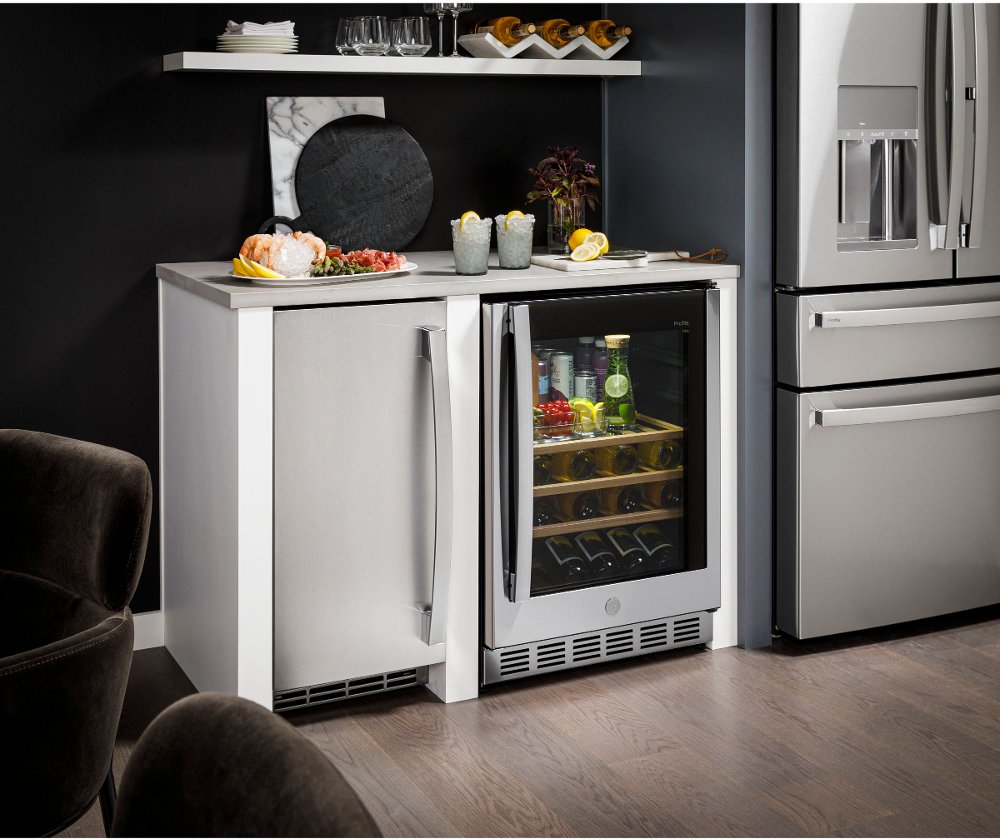
Size, placement, and production capacity help determine how comfortably a self-cleaning ice maker fits into your home. Countertop ice makers generally use a reservoir that you fill manually, making them convenient for kitchens, home bars, and other indoor spaces without a dedicated water connection. Some models connect to a water line instead, and built-in or undercounter designs may also require a drain. A freestanding countertop appliance shouldn’t be enclosed in cabinetry unless its manufacturer expressly permits that installation; its ventilation openings need the specified clearance to release heat. Measure the full space, including room to lift the lid, remove the ice basket, refill the reservoir, and reach any drain plug. An appliance that fits beneath a cabinet may still be awkward to use if the lid can’t open fully. Daily ice production and basket capacity are separate measurements, and the distinction is important. A machine’s stated production in pounds per day describes its potential output over a full day under specified test conditions, not how much ice it holds at once. Actual output varies with operating conditions and water supply. A smaller basket may need frequent emptying even when the machine can produce substantial amounts over time. For households that fill several large bottles or regularly serve a crowd, High Capacity Ice Makers are another category worth considering alongside cleaning features and storage space. Many countertop machines have insulated rather than refrigerated baskets, so finished ice gradually melts if it isn’t used. Some return that meltwater to the reservoir to make more ice. If you want to save a batch for later, transfer it to a suitable freezer container, keeping in mind that pieces may freeze together. Also consider the sound of the fan, water pump, and ice dropping into the basket. In an open kitchen or near a work desk, those everyday operating sounds can matter as much as the control panel or exterior finish.
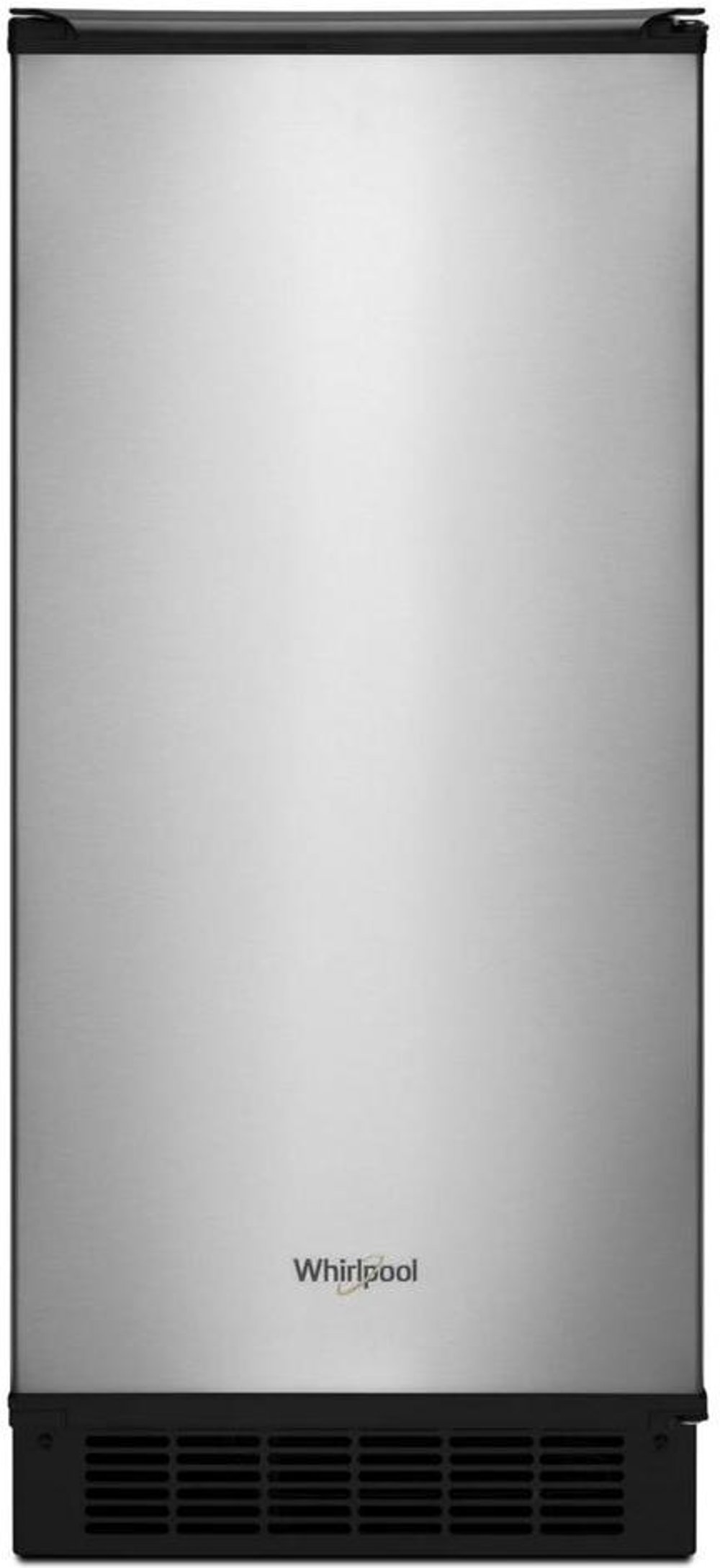
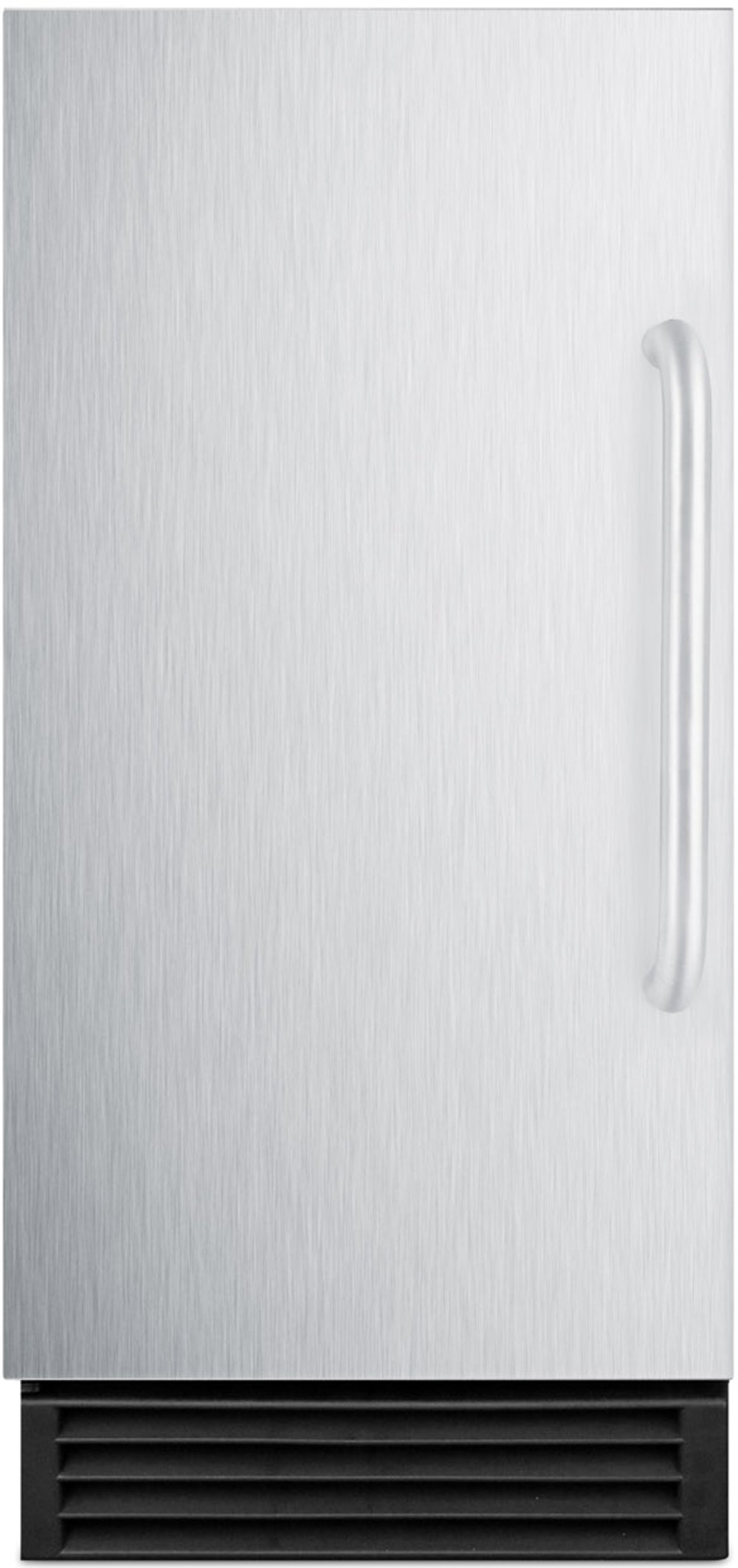
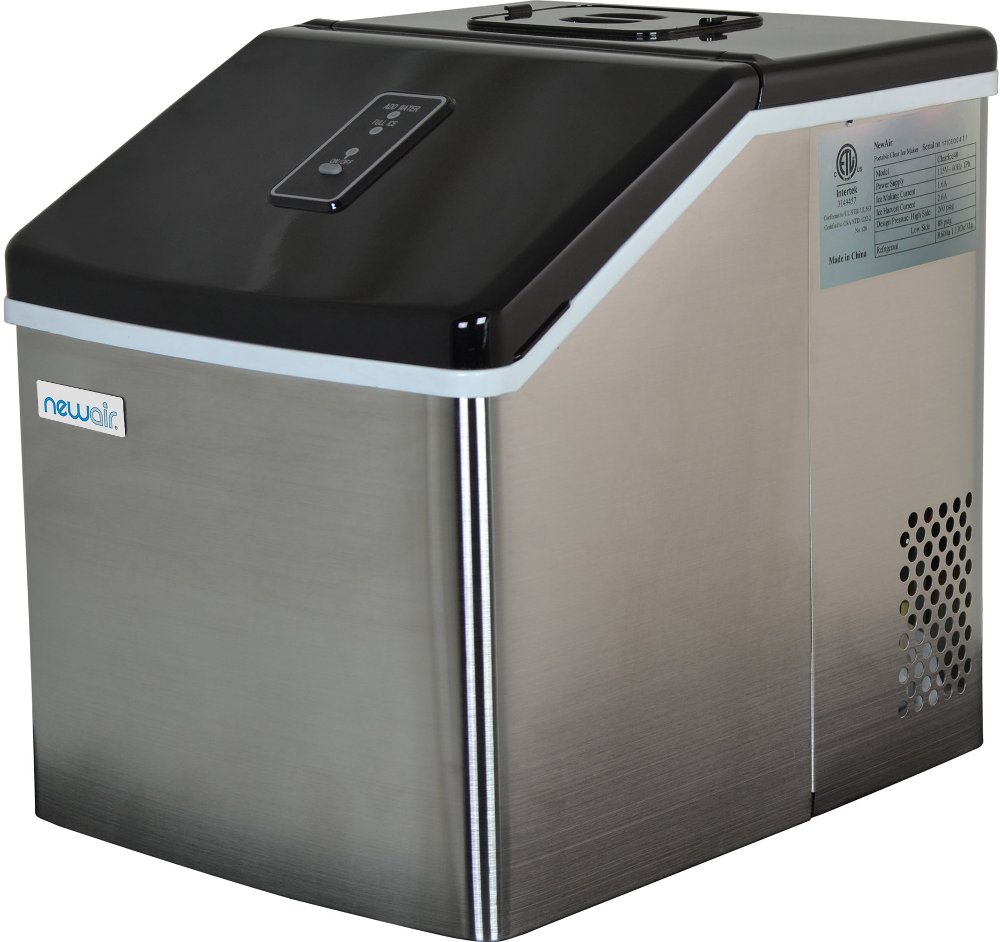
Materials and maintenance details make a real difference in how easy an ice maker is to live with over time. Stainless steel exteriors coordinate well with many kitchen appliances and offer a sturdy surface, while molded plastic housings can make smaller machines easier to move. Neither finish tells the whole durability story. A well-fitting lid, a stable basket, accessible drainage, and clearly marked controls all contribute to an appliance that feels manageable day after day. Removable baskets and scoops make regular washing simpler, but dishwasher safety varies, so check the care instructions before placing either part on a rack. Wipe the exterior with an appropriate soft cloth and keep ventilation openings clear. Inside the machine, water quality affects mineral deposits, odor, and the amount of maintenance needed. Hard water can leave scale on surfaces that contact water, and a self-cleaning cycle may require a manufacturer-approved descaler to remove it effectively. Filtered water may improve taste, but not every filter reduces hardness. Distilled or reverse-osmosis water isn’t suitable for every ice maker, particularly when its sensors require some mineral content to operate correctly. Follow the specified water requirements rather than assuming the most heavily purified option is always best. Cleaning frequency also depends on the appliance, usage, and water conditions; a cleaning indicator is helpful, but it doesn’t replace the recommended schedule. Use only approved cleaning products at the stated dilution, never mix cleaners, and complete the required rinsing steps before making ice for drinks. Fresh water, clean hands, and a clean scoop help keep the basket ready for daily use. Before an extended break, drain and dry the appliance as directed rather than leaving standing water inside. When comparing self-cleaning ice makers, look beyond the cleaning button to the entire routine: how easily water goes in, how comfortably ice comes out, and how thoroughly the machine can be emptied and cleaned. Those practical details turn a convenient feature into lasting everyday usefulness, with less fuss between making ice and enjoying your next drink.
Read More