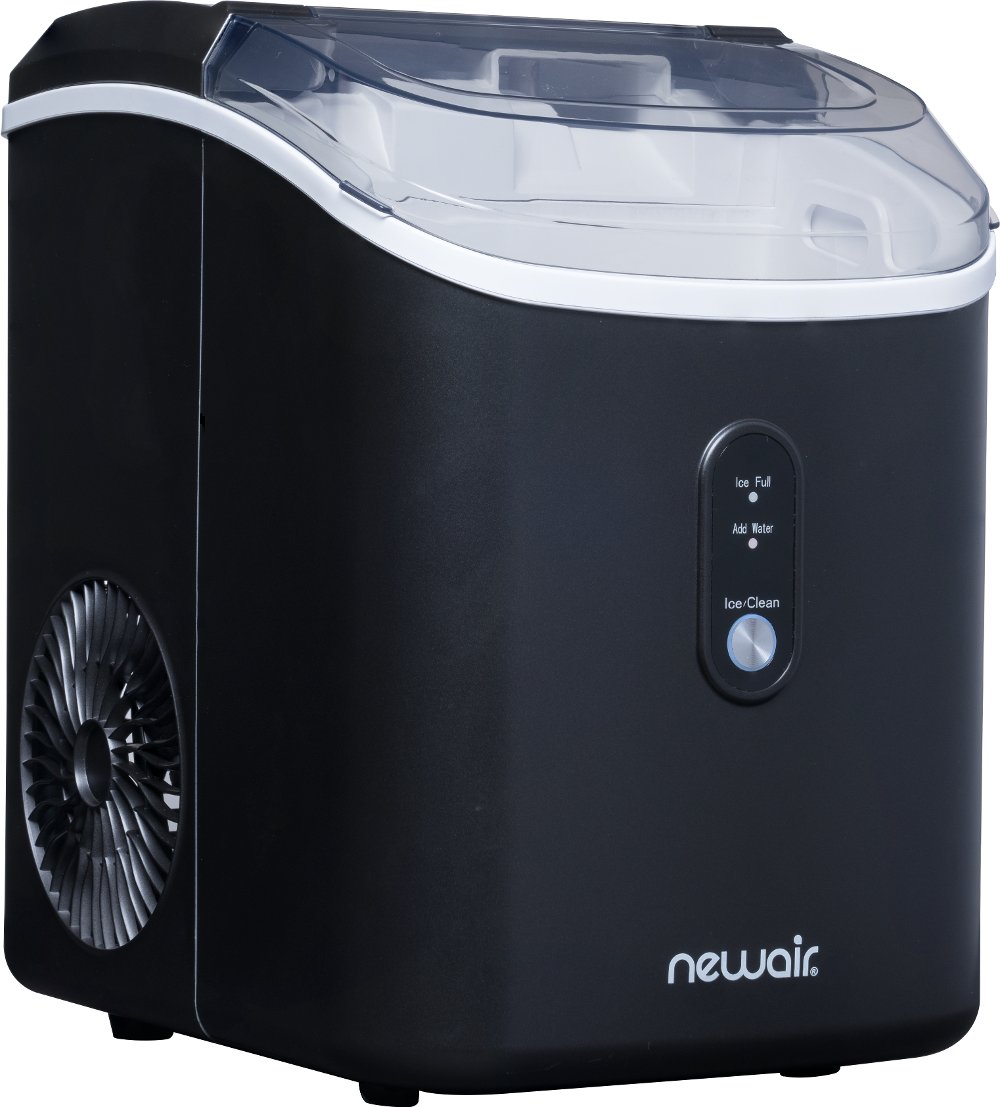
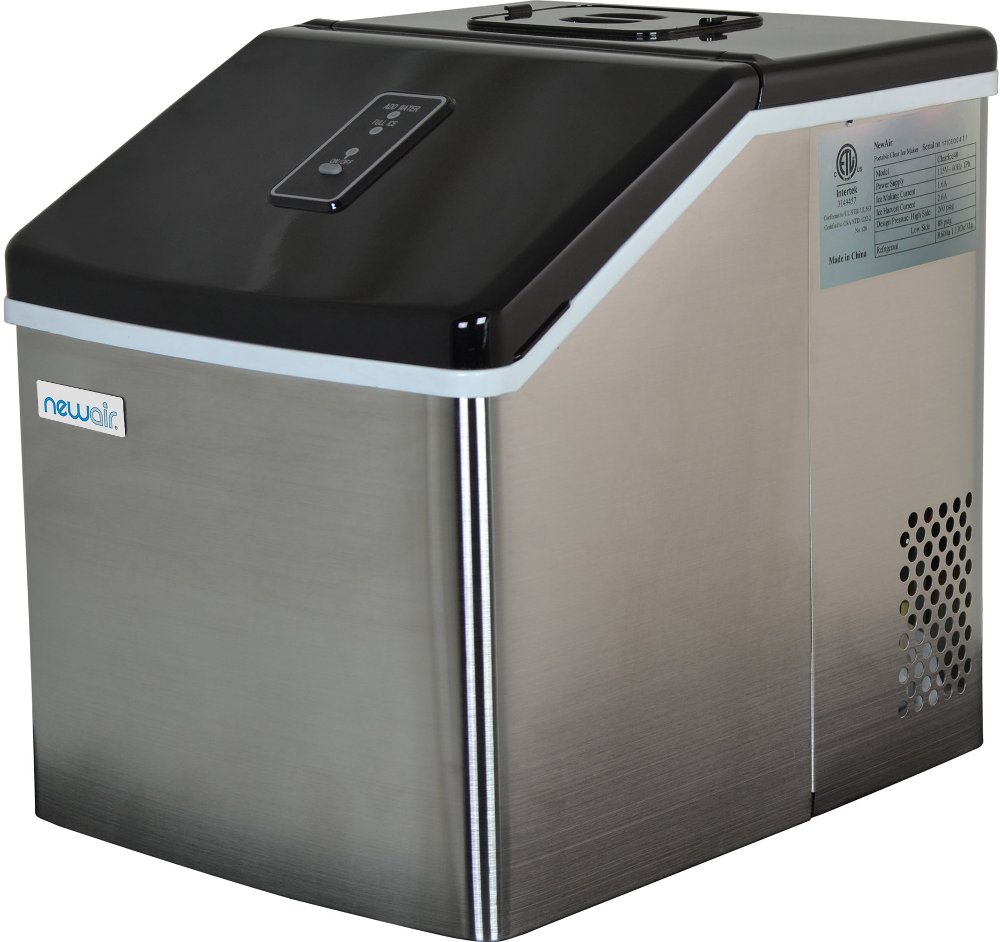
Ice maker brands offer several ways to keep ice close at hand, from compact countertop machines for everyday drinks to built-in units that make a beverage station feel complete. The most useful differences come down to ice shape, installation style, production capacity, storage, and care requirements—not simply the name on the appliance. For a household that fills water bottles before heading out the door, quick access and a roomy ice basket may matter most. Someone who enjoys making cocktails may prefer dense, clear cubes that look polished in a short glass and generally melt more slowly than smaller pieces with more exposed surface area. Nugget ice has a porous, chewable texture that works well in fountain-style drinks and fills the spaces around a straw. Bullet ice, common in countertop ice makers, has a rounded shape with a hollow center and suits many everyday beverages. Crescent ice fits easily into glasses, while cube styles vary in size and clarity depending on how the machine freezes the water. Ice shape alone doesn’t tell the whole story: Actual output, operating sound, and the time needed to make the first batch can differ considerably. A daily production rating describes how much ice a machine can make over a stated period under specified test conditions, not how much it holds at once. Storage capacity describes the amount the bin can accommodate, making it especially relevant when several people fill their glasses together. A machine that produces plenty of ice throughout the day may still need time to replenish a small basket after a gathering. Looking across ice maker brands with those distinctions in mind helps connect appliance features to familiar routines, whether that means an iced coffee at breakfast, a pitcher of tea at dinner, or drinks for a table full of friends. The right fit supports the way a household actually uses ice rather than offering capacity or features that rarely get used.
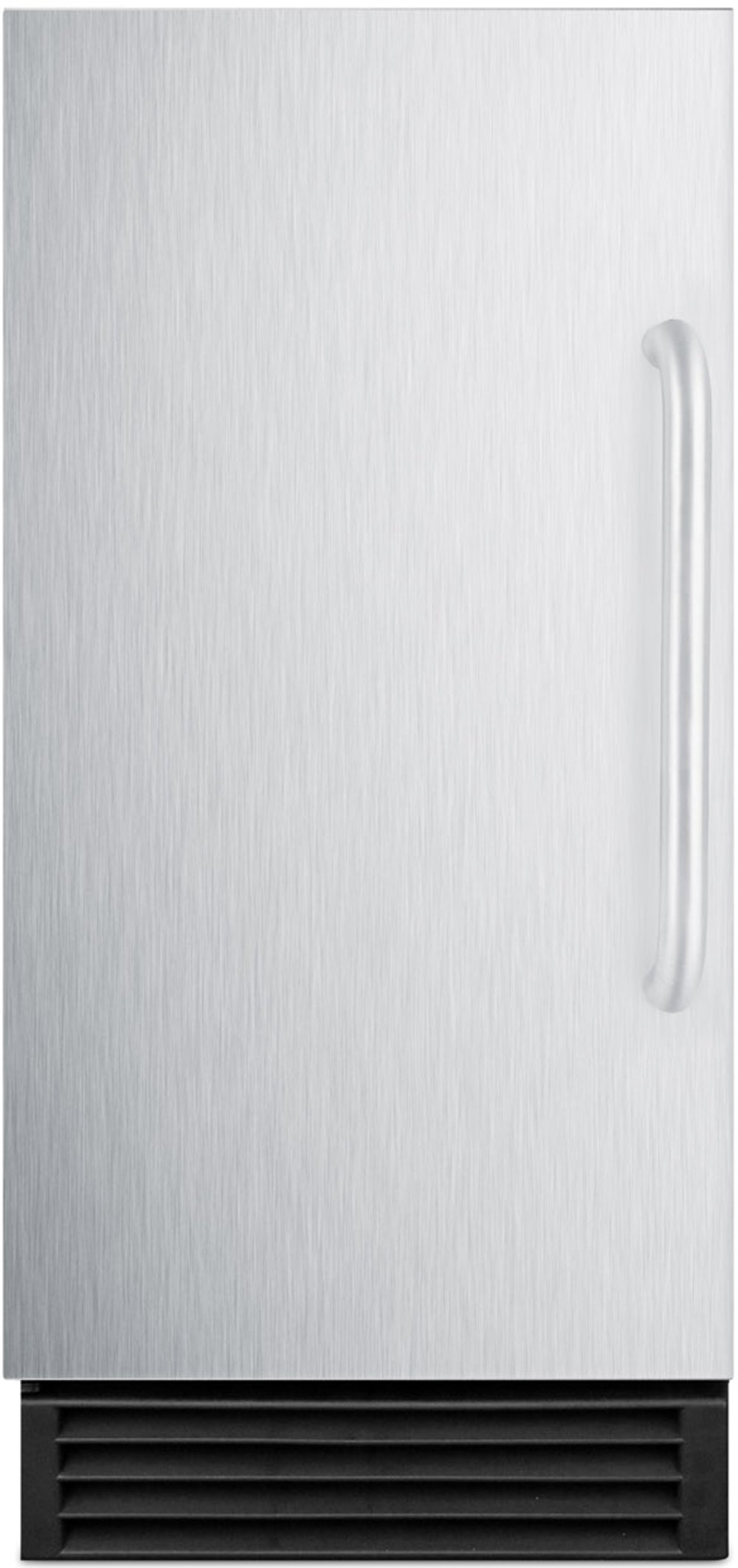
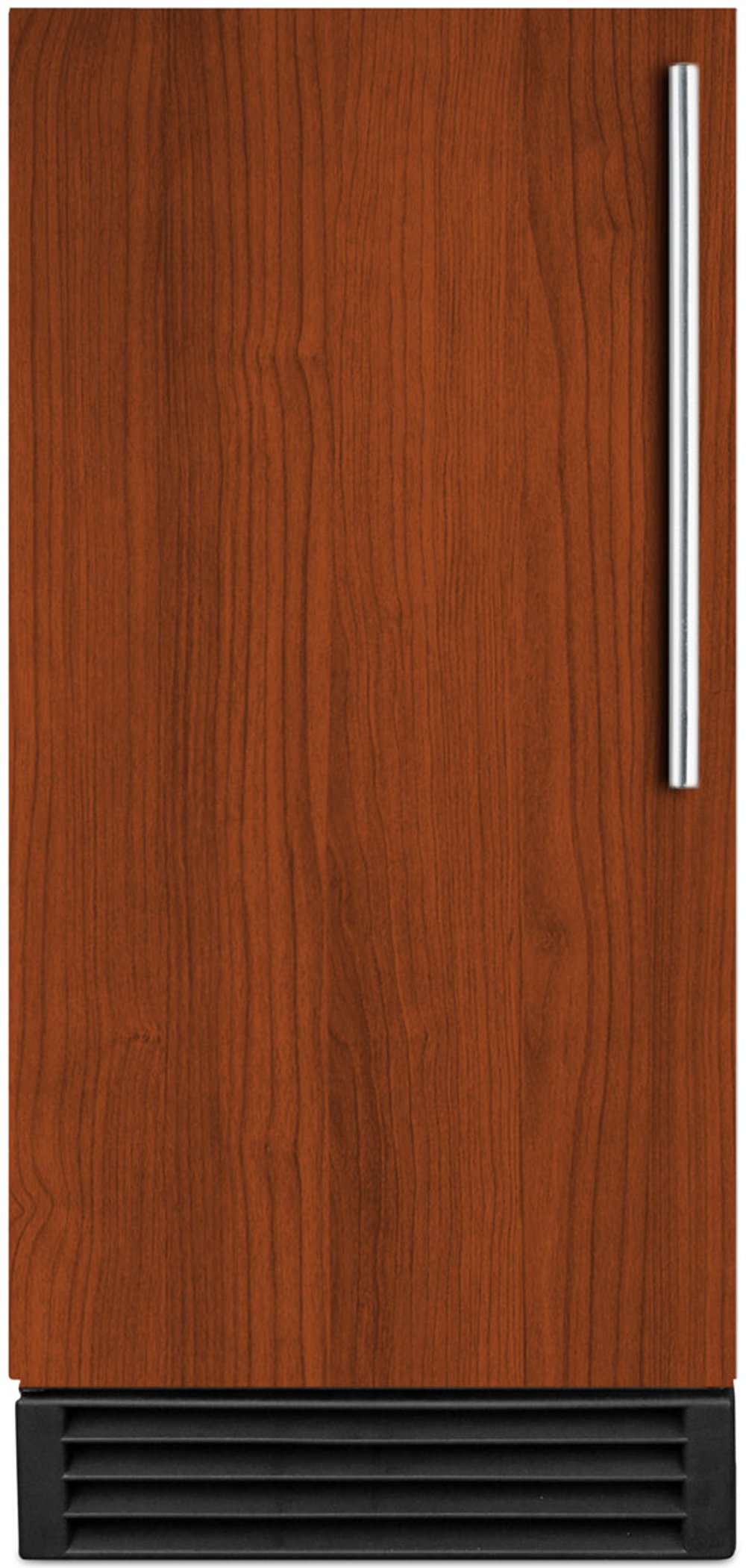
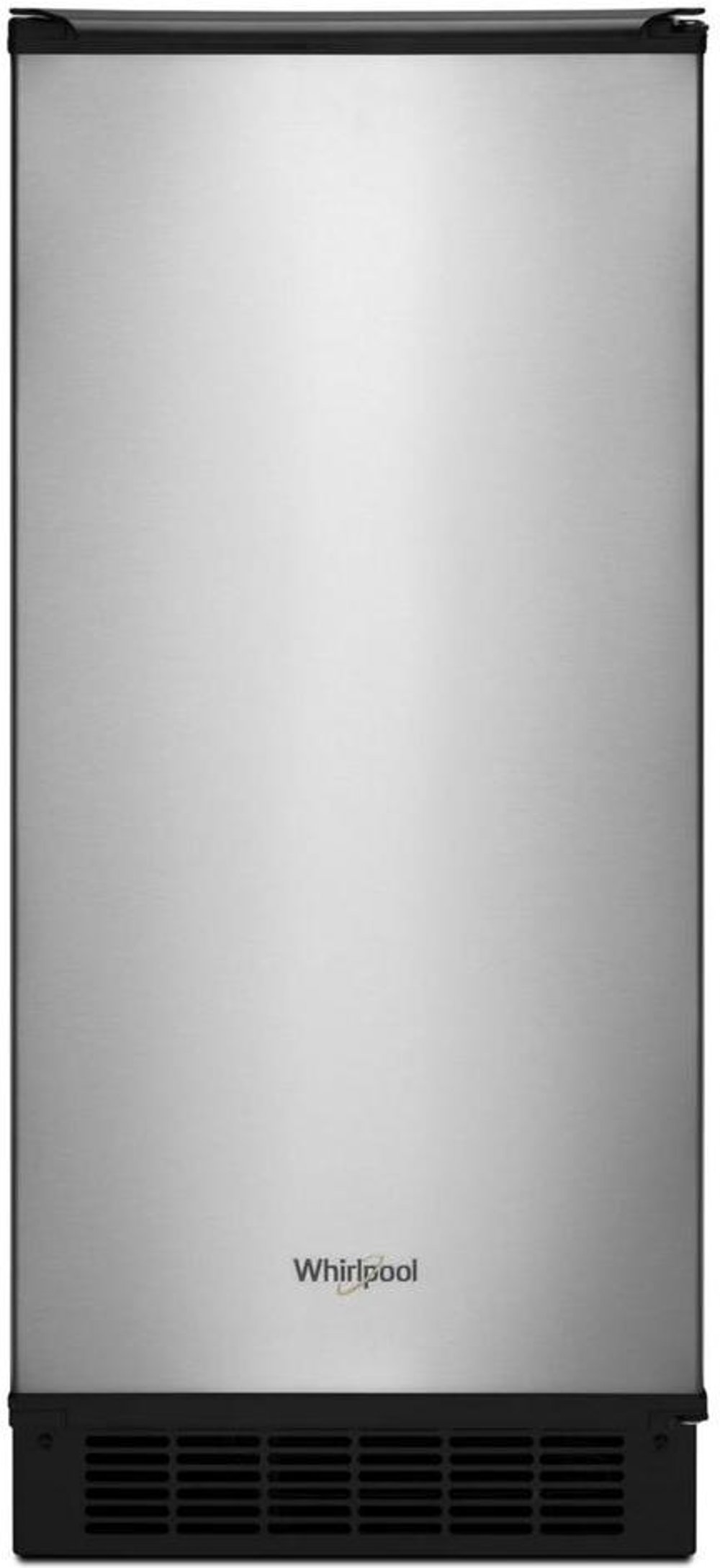
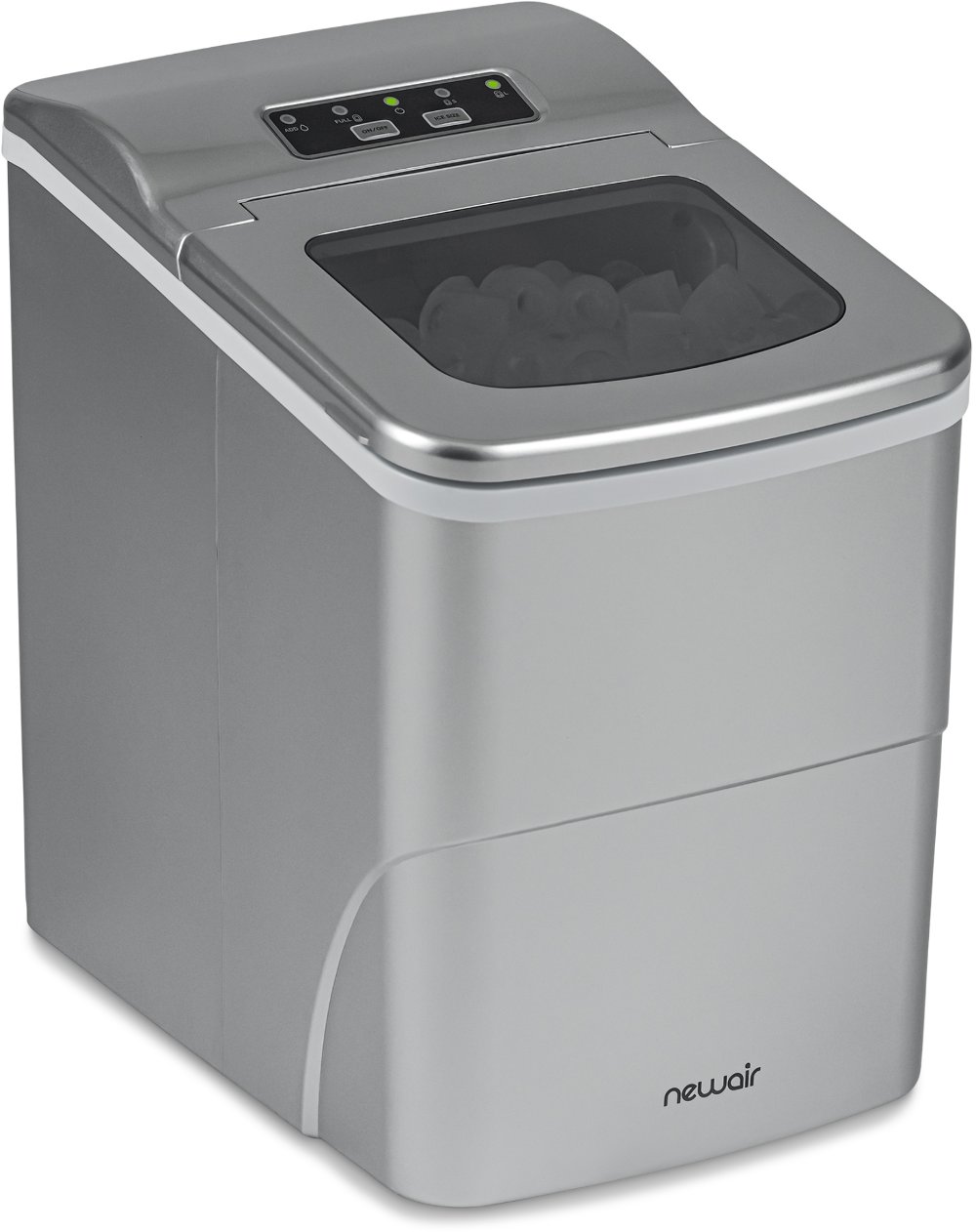
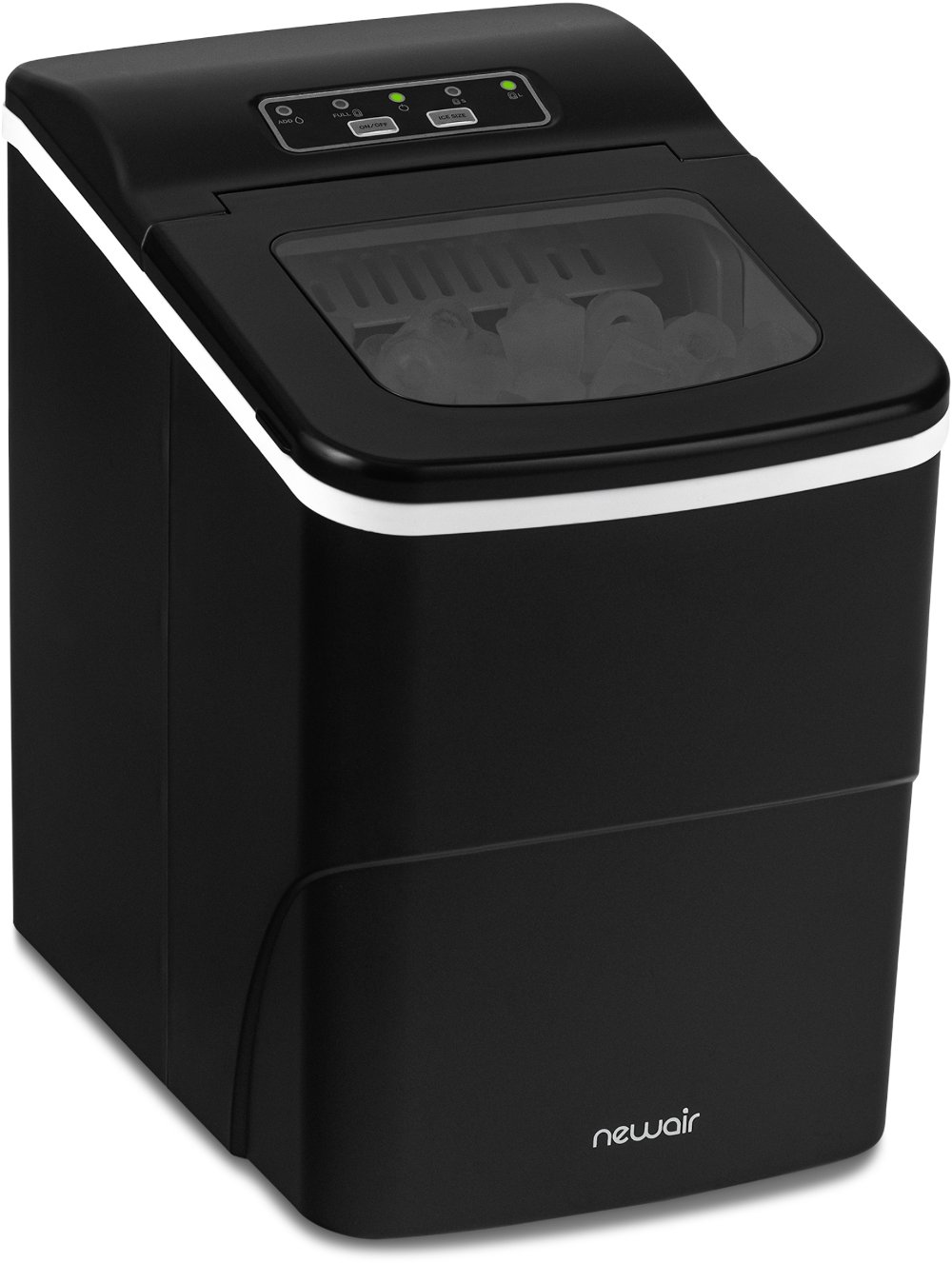
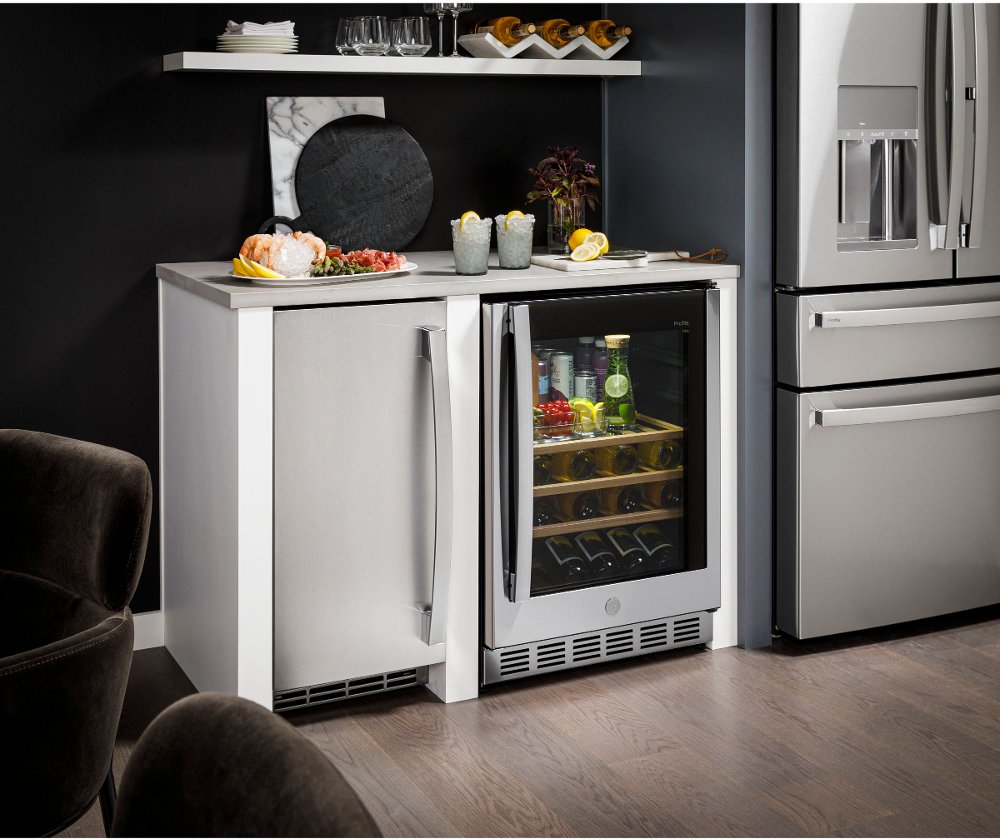
Placement gives an ice maker its role in the room, and a few inches can make a meaningful difference in daily comfort. Countertop ice makers usually have a manually filled reservoir, making them practical for kitchens, home offices, and beverage areas without a dedicated water connection. Some designs use a direct water supply, so the installation requirements deserve attention even with a compact appliance. A top-opening lid needs clearance beneath upper cabinets, and a removable basket needs enough space to lift out without bumping a shelf. The footprint should also leave room for the machine’s required ventilation and nearby tasks, such as setting down a glass or preparing coffee. Portable generally means easier to relocate, not suitable for operating anywhere; the appliance still needs a stable, level surface, an appropriate electrical connection, and the conditions specified by its manufacturer. Undercounter ice makers create a more permanent serving area and can reduce countertop clutter. Designs intended for built-in installation typically manage airflow differently from freestanding-only machines, which shouldn’t be enclosed unless the manufacturer allows it. For a coordinated cabinet layout, Integrated Ice Makers bring ice production into the kitchen or beverage area without making a countertop machine the focal point. Depending on the design, installation may require a water supply, a drain, and either gravity drainage or a compatible pump. Cabinet opening dimensions, door swing, handle projection, and access for service all affect the finished fit. Stainless steel exteriors offer a familiar match for many kitchen appliances, while panel-ready designs can accept compatible cabinetry panels when specified. Neither finish replaces the need to check installation details. Indoor and outdoor use are also distinct: A covered patio still calls for an appliance specifically rated for that setting. For an open-plan room, sound deserves consideration alongside appearance, since fans, pumps, and ice dropping into a bin can become noticeable during a quiet conversation. A comfortable location balances convenient access with the practical needs of the machine.
Day-to-day ownership depends just as much on cleaning access and construction as it does on ice production. Ice maker brands differ in how they arrange reservoirs, baskets, filters, and internal components, and accessible parts can make routine care easier to maintain. Removable scoops and baskets simplify cleaning when the manufacturer permits removal, while a reservoir that’s easy to reach makes it simpler to spot buildup. Stainless steel can provide a durable exterior, but it isn’t immune to scratches, fingerprints, or damage from unsuitable cleaners. Interior food-contact surfaces need the cleaning products and methods specified in the appliance manual. A self-cleaning cycle can help with part of the process, but it doesn’t necessarily replace manual cleaning, descaling, or sanitizing. Mineral deposits can affect performance, particularly with hard water, and any water filter needs replacement on its recommended schedule. Filtration may improve taste and reduce certain impurities, but its capabilities depend on the filter; it doesn’t automatically eliminate mineral buildup. Ice storage is another important distinction. Many countertop machines and some undercounter designs use insulated bins rather than freezer compartments, so stored ice gradually melts. Depending on the design, meltwater may return to the reservoir or leave through a drain. These machines are intended to replenish ice, not necessarily preserve a batch indefinitely. That matters for someone hoping to prepare ice well ahead of a party or leave a machine unused between occasional gatherings. Controls that signal a full basket or low water level can make everyday operation more convenient, while straightforward maintenance instructions, warranty terms, and access to service help clarify long-term ownership. A countertop ice maker can also make a thoughtful housewarming or wedding gift for someone who enjoys specialty drinks, provided the recipient has suitable space and welcomes the upkeep. Larger built-in appliances are better matched to a planned kitchen or entertaining-area project, where plumbing and cabinetry can be considered together. Across ice maker brands, lasting satisfaction comes from a practical combination: the ice texture people enjoy, enough production and storage for their routines, a comfortable fit in the room, and care requirements they can keep up with.
Read More