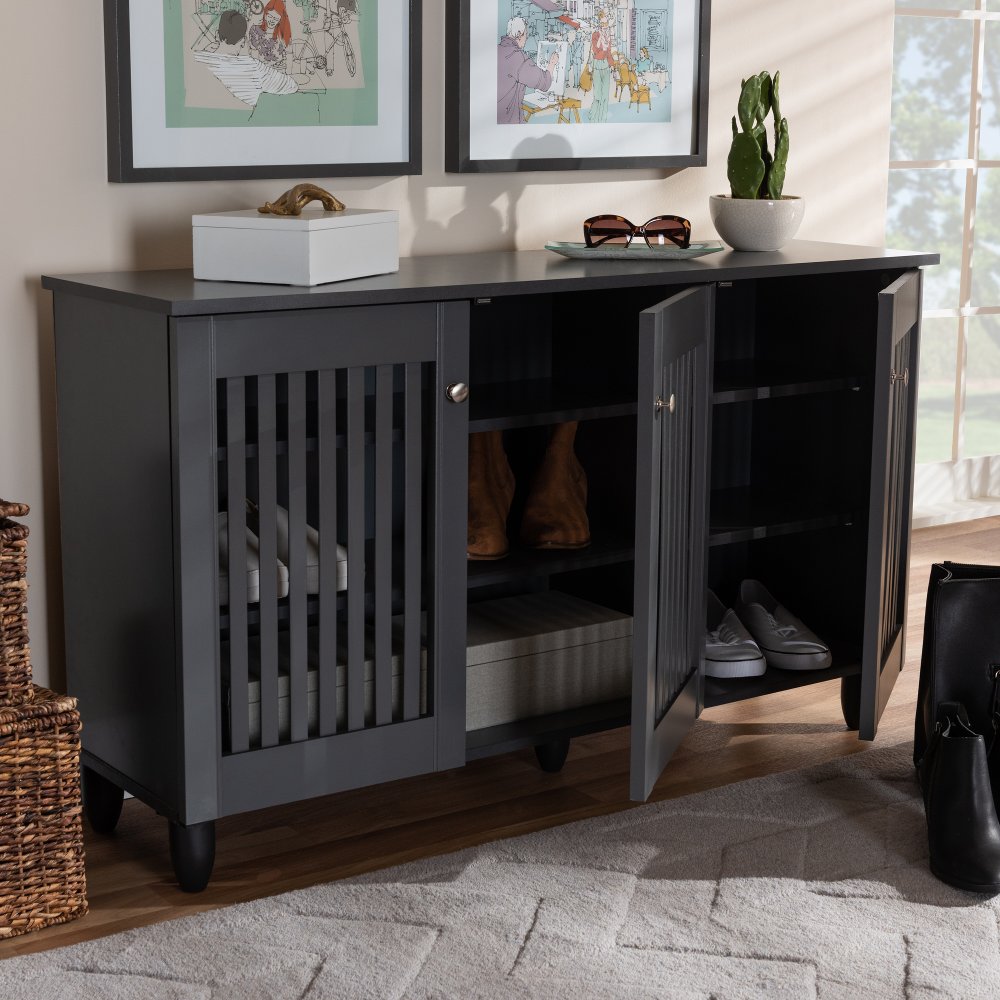
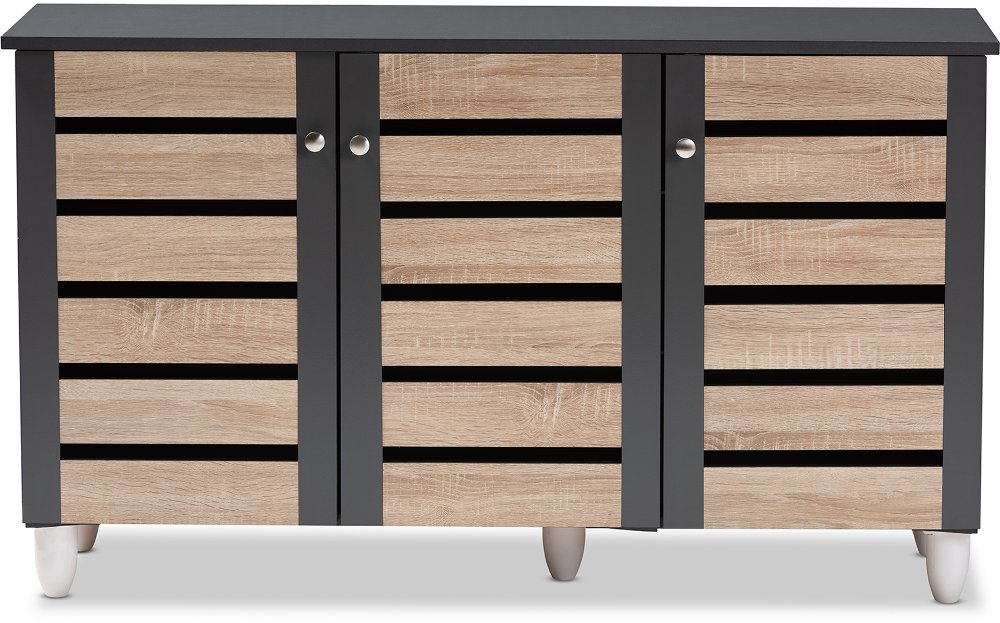
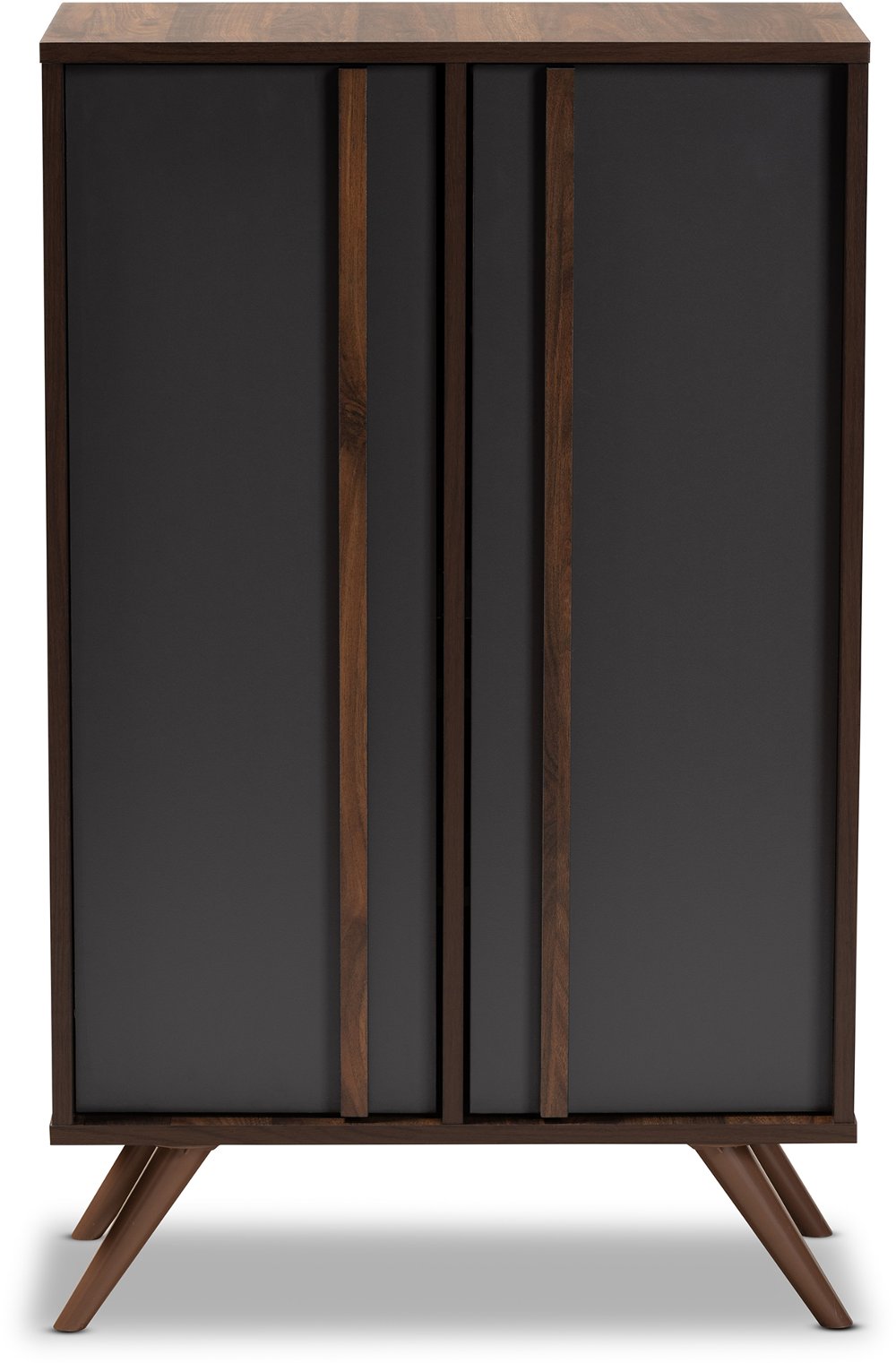
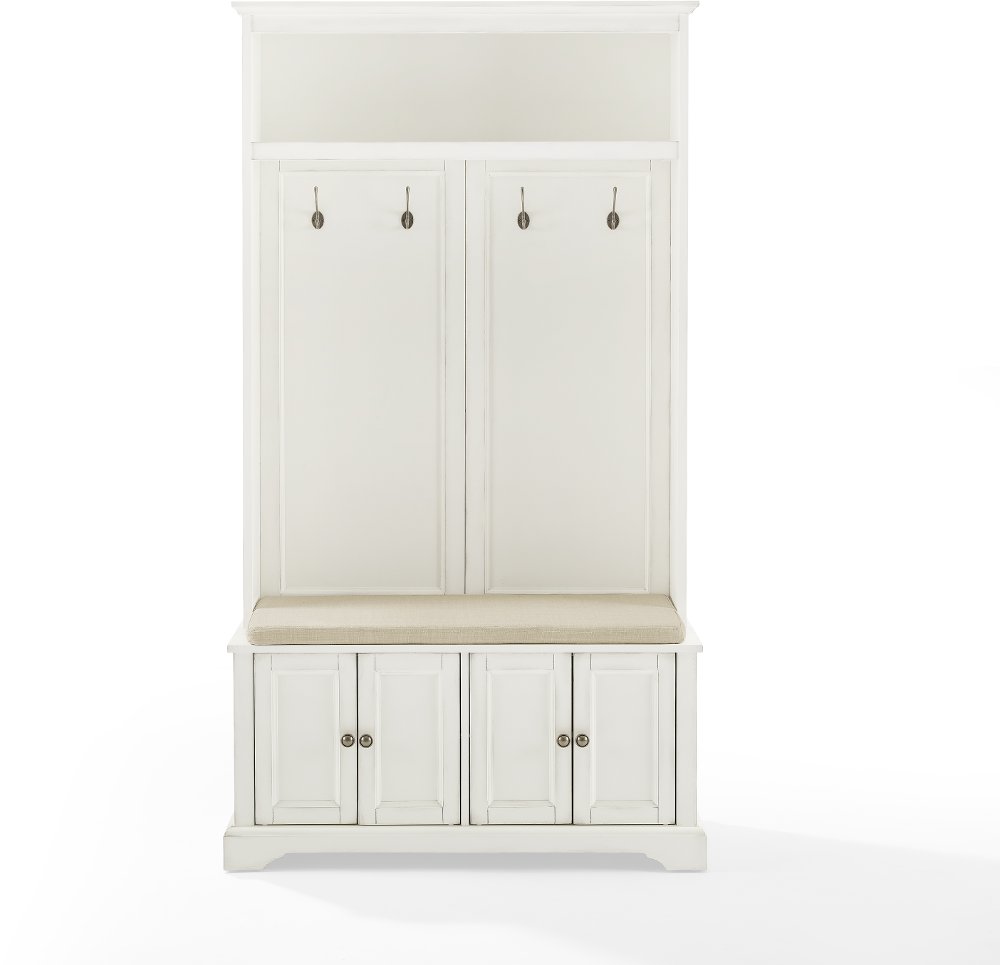
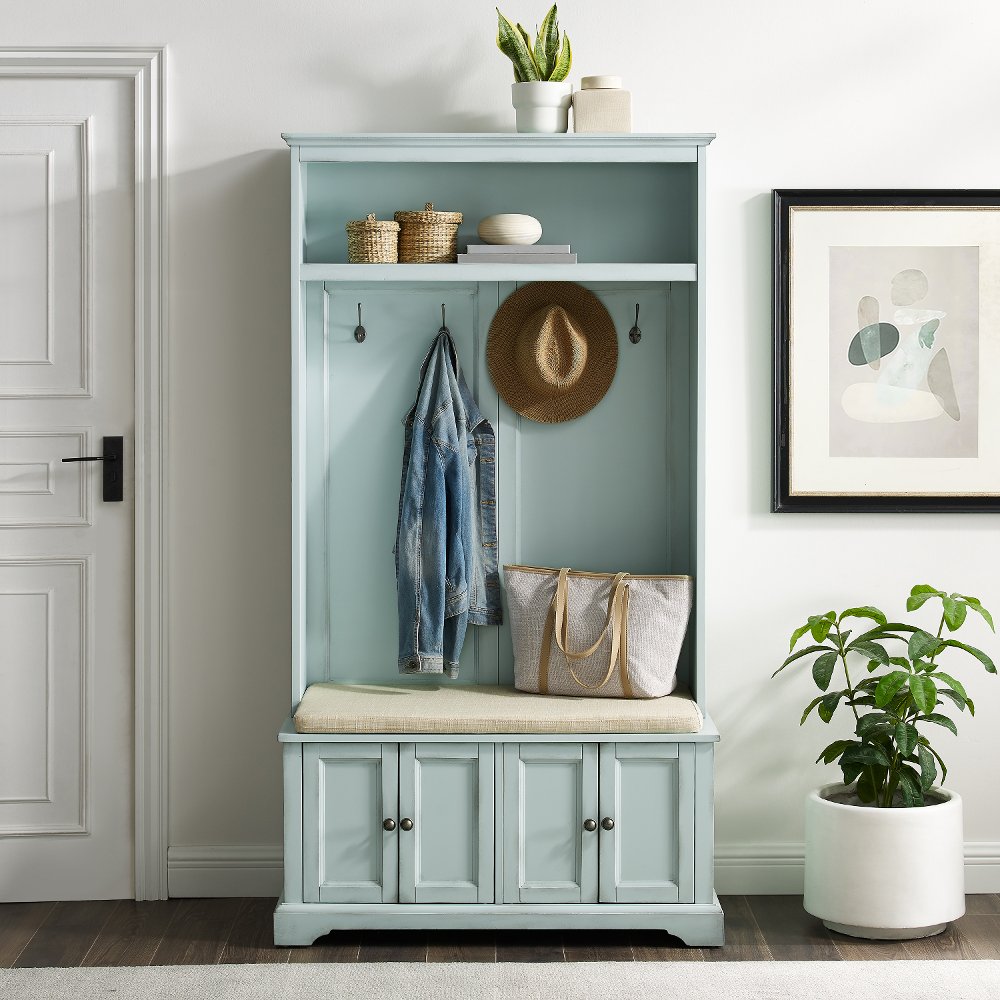
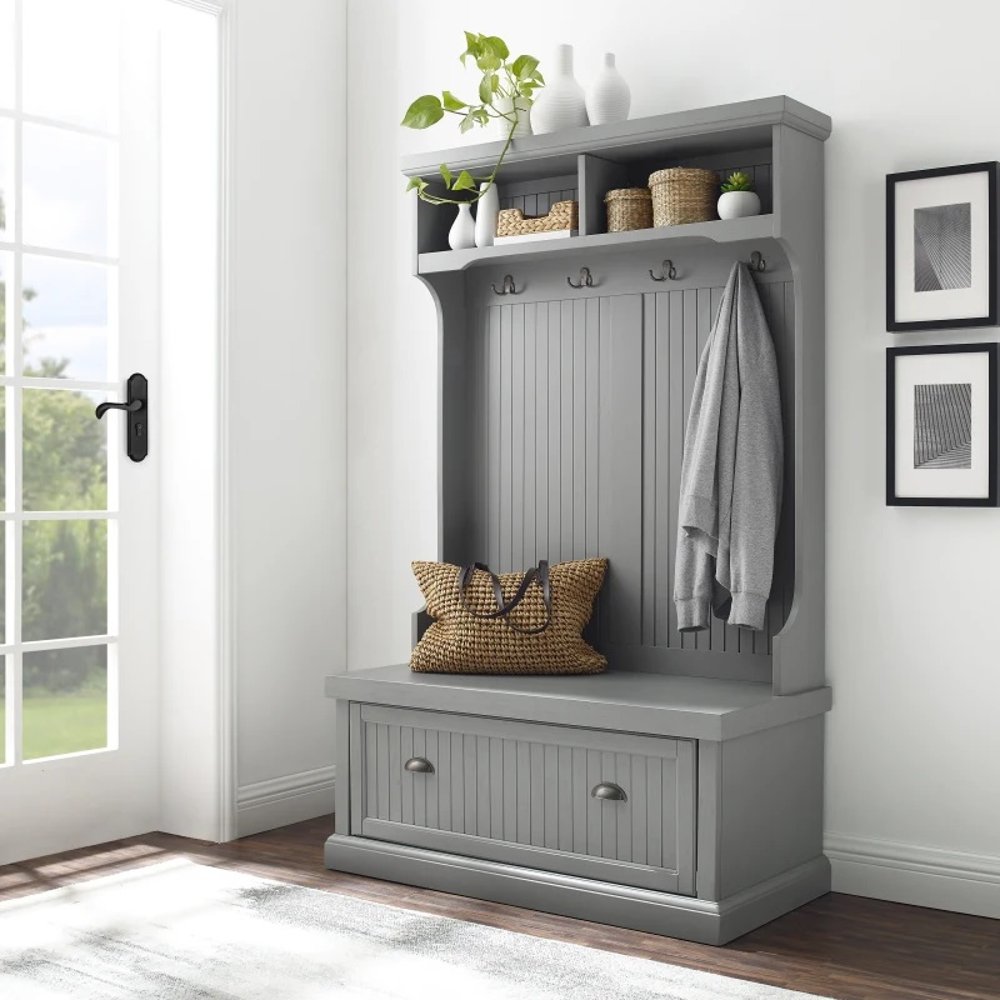
Shoe cubbies give everyday footwear a place to land, helping turn a pile by the door into an orderly part of your home. Their divided compartments make it easier to see what’s ready to wear, keep pairs together, and give each person a familiar spot for the shoes they reach for most. In a busy entryway, that can mean less searching for a missing sneaker before school or stepping around sandals on the way inside. In a bedroom closet, cubbies help separate footwear from hanging clothes and make better use of space beneath a clothing rod. The appeal is straightforward: each opening creates a small, defined home for a pair of shoes without requiring a separate box or a stack that needs rearranging. Open designs put everything in view, while cubbies set within a cabinet can create a more tucked-away look. Low, wide configurations often suit the space along an entry wall; taller, narrower designs may make more sense where floor space is limited. A cubby bench can bring seating and storage together, provided the piece is designed and rated for sitting. That combination is especially useful for anyone who prefers to sit while tying laces, as well as households with children learning to put on their own shoes. Shared apartments benefit from designated compartments, too, since assigning each roommate a row keeps everyday footwear from blending into one collection. For a guest room, a few open spaces give visitors somewhere to place shoes without taking over the floor beside the bed. The right arrangement depends less on having a large home than on putting storage where shoes naturally come off. A compact unit near the most-used entrance may serve your routine better than a larger one across the house. When storage fits the way you move through a room, putting shoes away becomes a small, easy habit rather than another task at the end of the day.
Fit starts with both the room and the footwear. Before choosing shoe cubbies, measure the intended space for width, height, and depth, then account for nearby doors, baseboards, drawers, and walking paths. A unit that fits neatly against a wall still needs to leave enough room for someone to bend down and pull out a pair without blocking the doorway. Inside dimensions matter just as much as the overall footprint. Slim flats and children’s shoes take up different amounts of space than broad athletic shoes, high-top sneakers, or adult work boots. Check the width and depth of each opening against the largest pair you plan to store, allowing room to slide shoes in and out without scraping them against the dividers. Listed capacity can be a useful starting point, but the actual number of pairs that fit depends on their size and shape. Narrow compartments may hold one shoe rather than a full pair, and taller footwear may need adjustable dividers or a separate open section. Think about the mix you wear regularly instead of planning around an idealized collection of identical shoes. A household with several daily pairs might prefer wider openings that are easy to share, while someone organizing dress shoes may appreciate individual spaces that prevent pairs from pressing together. Fixed dividers create a consistent layout; removable or adjustable sections offer flexibility when your storage needs change. Also consider how comfortably each person can reach the compartments. Lower rows can work well for children’s everyday shoes, while frequently worn adult pairs are easier to grab from accessible middle openings. Keep less-used footwear higher only when the furniture’s design and placement make that practical. If your space needs a combination of open cubbies, enclosed cabinets, and racks, exploring shoe storage can help you compare layouts that support different routines. A little breathing room is worthwhile, too: leaving a few compartments open gives guests a place for their shoes and makes it easier to put away an extra pair without reshuffling everything.
Materials and construction shape how shoe cubbies look, feel, and hold up to daily use. Solid wood can bring distinctive grain and a substantial furniture-like presence, though its finish still needs protection from moisture and abrasion. Engineered wood often provides smooth, consistent surfaces and a wide range of finishes; well-fitted panels, secure connections, and neatly finished edges are useful details to examine. Metal frames can offer a lighter visual profile, while fabric compartments may suit lightweight footwear in a closet rather than heavy shoes in a frequently used entryway. No material tells the whole durability story on its own. Shelf support, divider attachment, hardware, weight limits, and correct assembly all contribute to how reliably a unit performs. For a bench design, check the seating capacity separately from the storage limits, and never assume that a flat top is meant to support a person. Follow the manufacturer’s anchoring instructions, especially for taller furniture or homes with children, and keep cubbies from becoming climbing steps. Day-to-day care is usually simple when it matches the material. Remove loose grit from soles before storing shoes, let damp footwear dry before placing it in a compartment, and clear away dust with a soft cloth or an appropriate vacuum attachment. Wipe finished surfaces according to the care directions, avoiding excess water, harsh cleaners, or abrasive tools unless specifically approved. Removable liners, where suitable, can make cleanup easier, but they shouldn’t trap moisture against the shelf. For the room’s overall look, consider how the cubbies relate to nearby furniture: a wood tone can echo a console, a painted finish can blend with trim, and an open frame can keep a small area feeling less crowded. Even a practical storage piece should feel at home in its surroundings. The most useful shoe cubbies balance that visual fit with comfortable access, compartments sized for real footwear, and construction suited to the people using them every day.
Read More