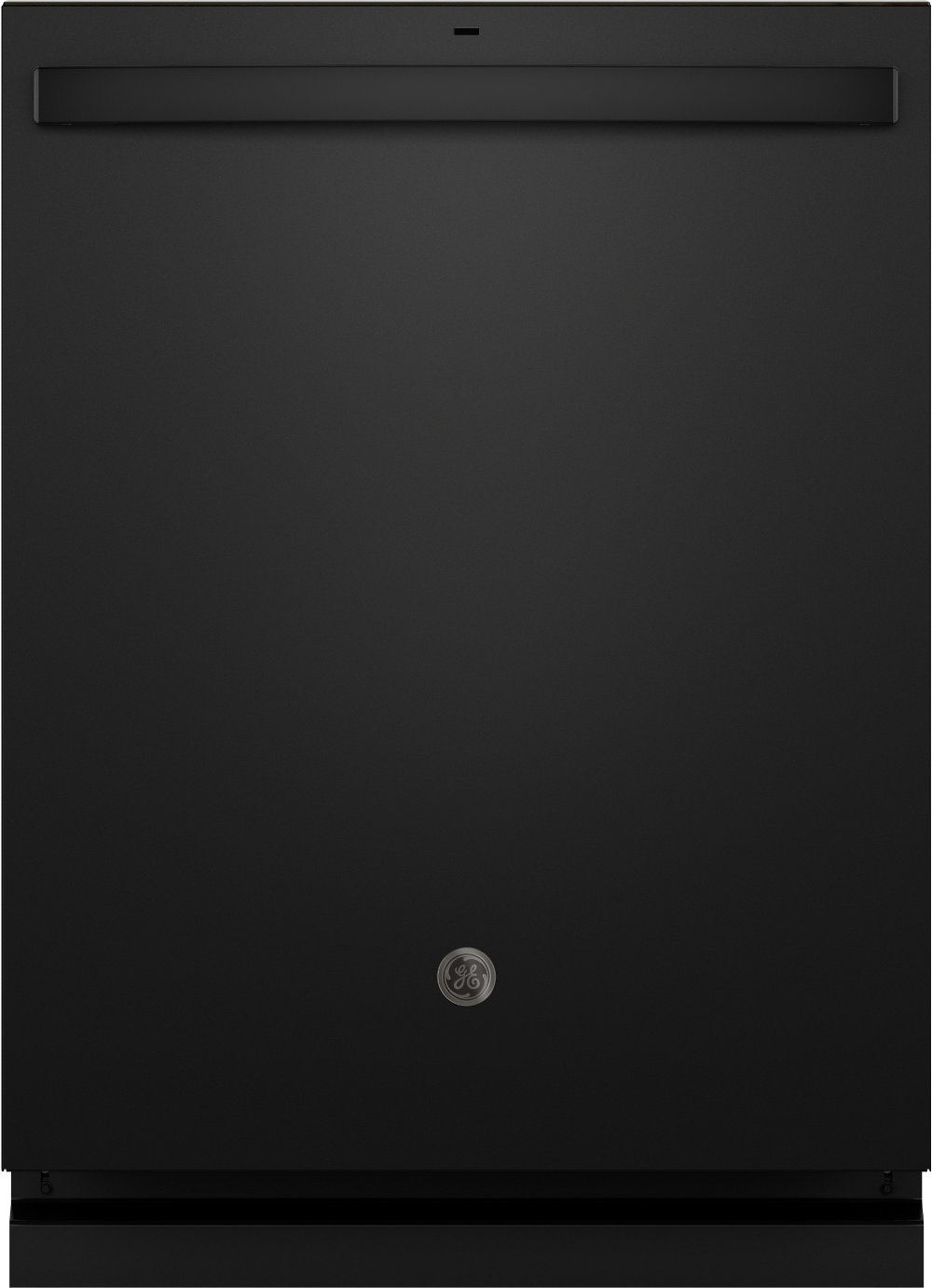
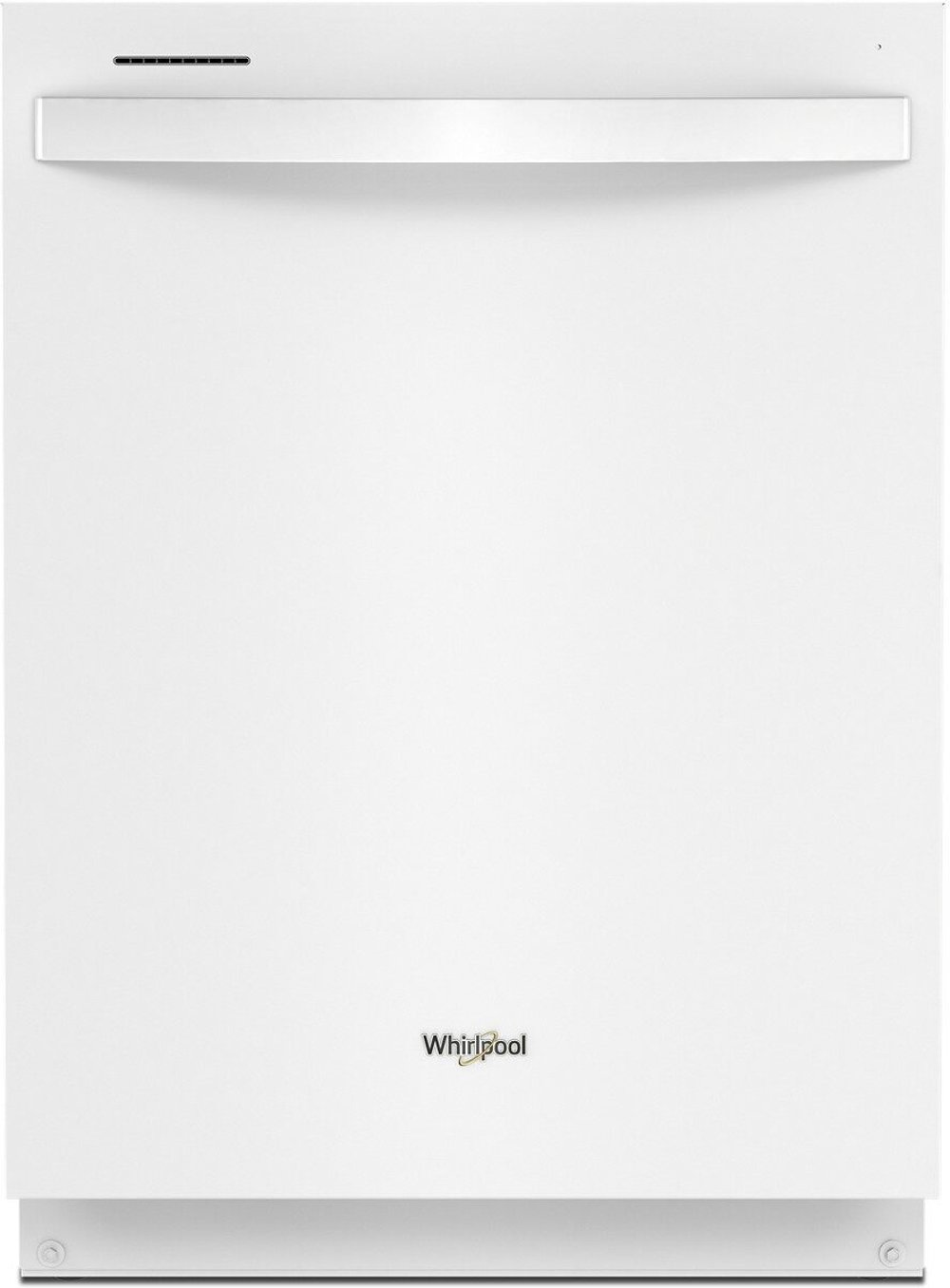
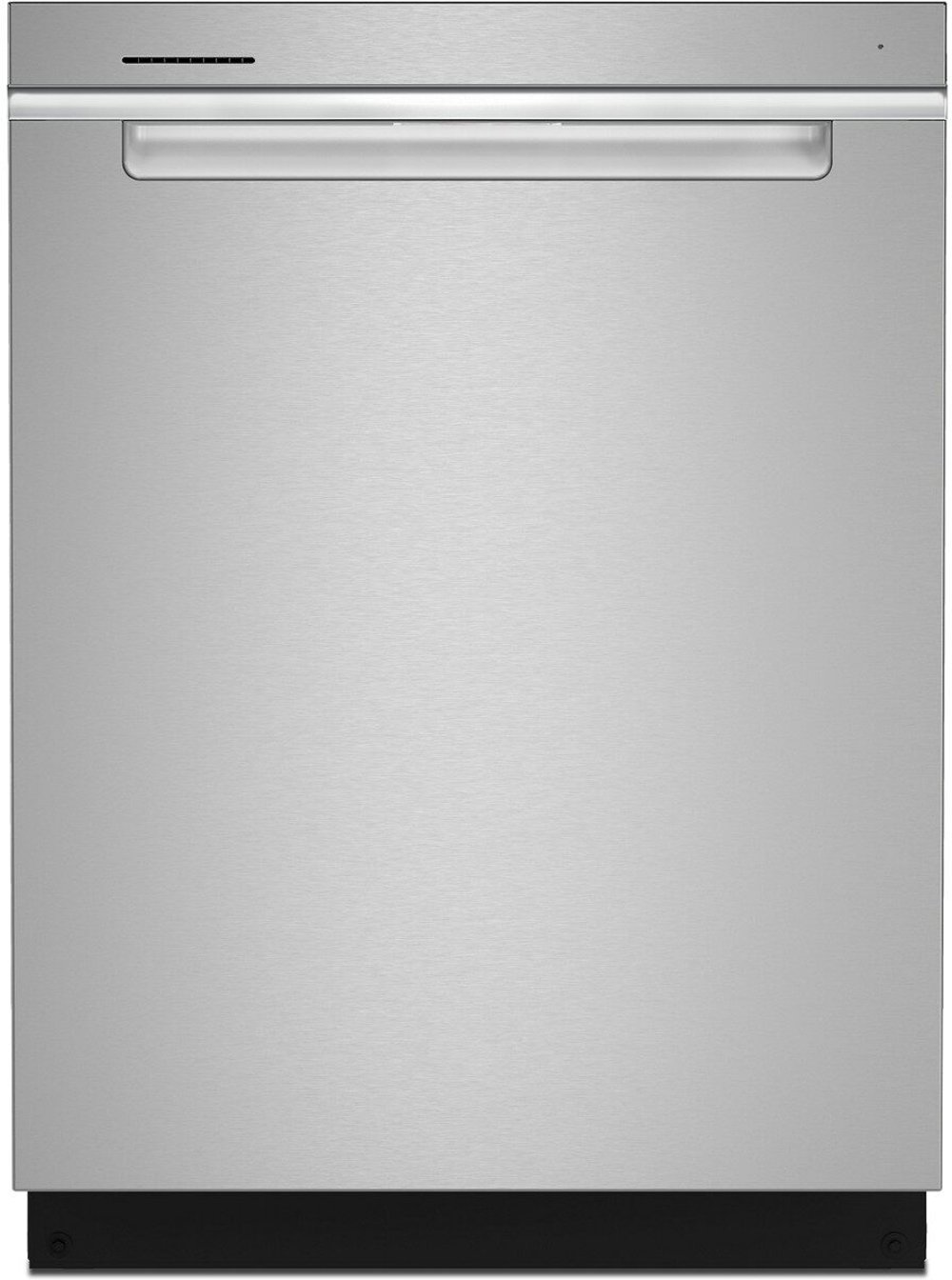
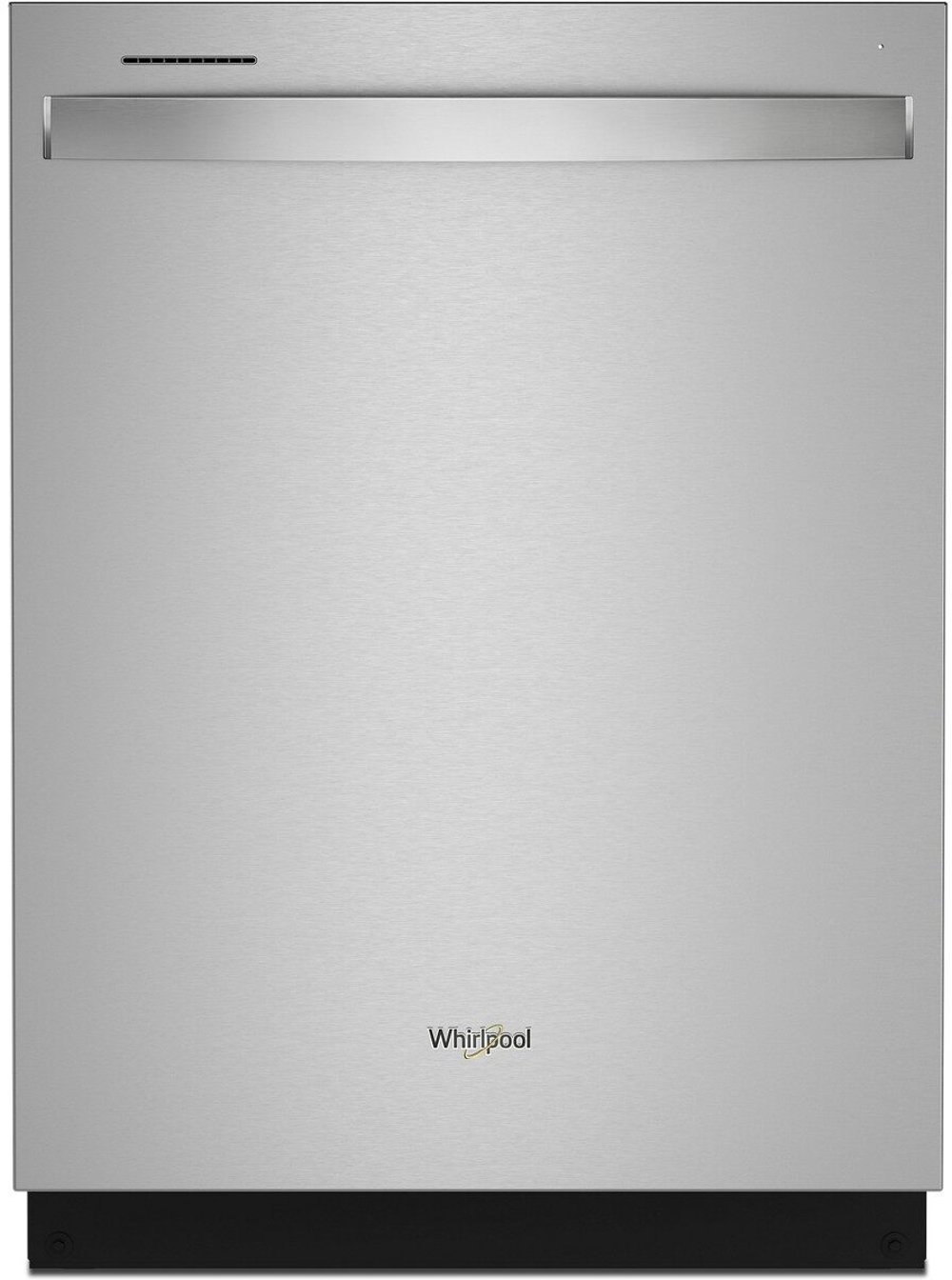
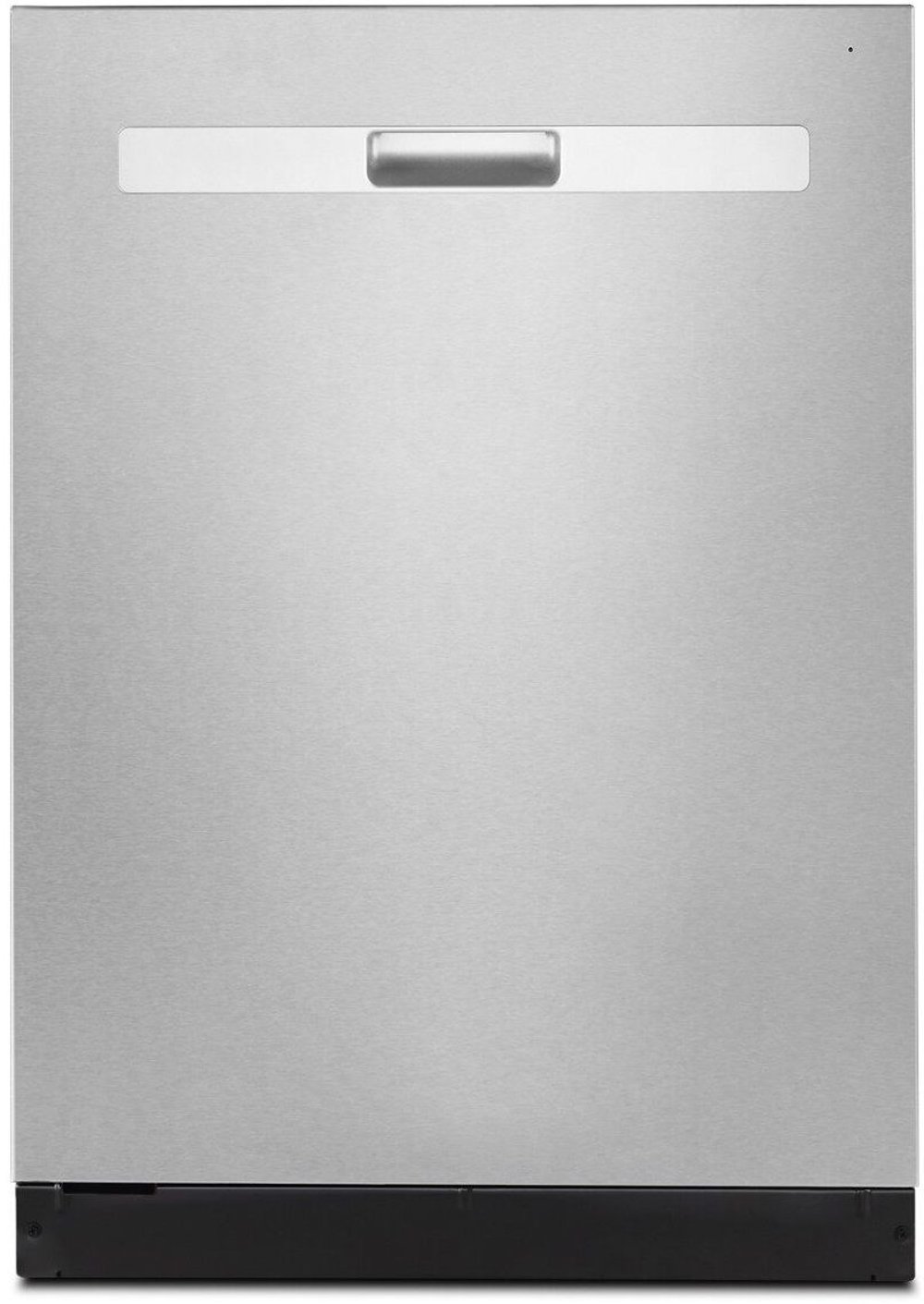
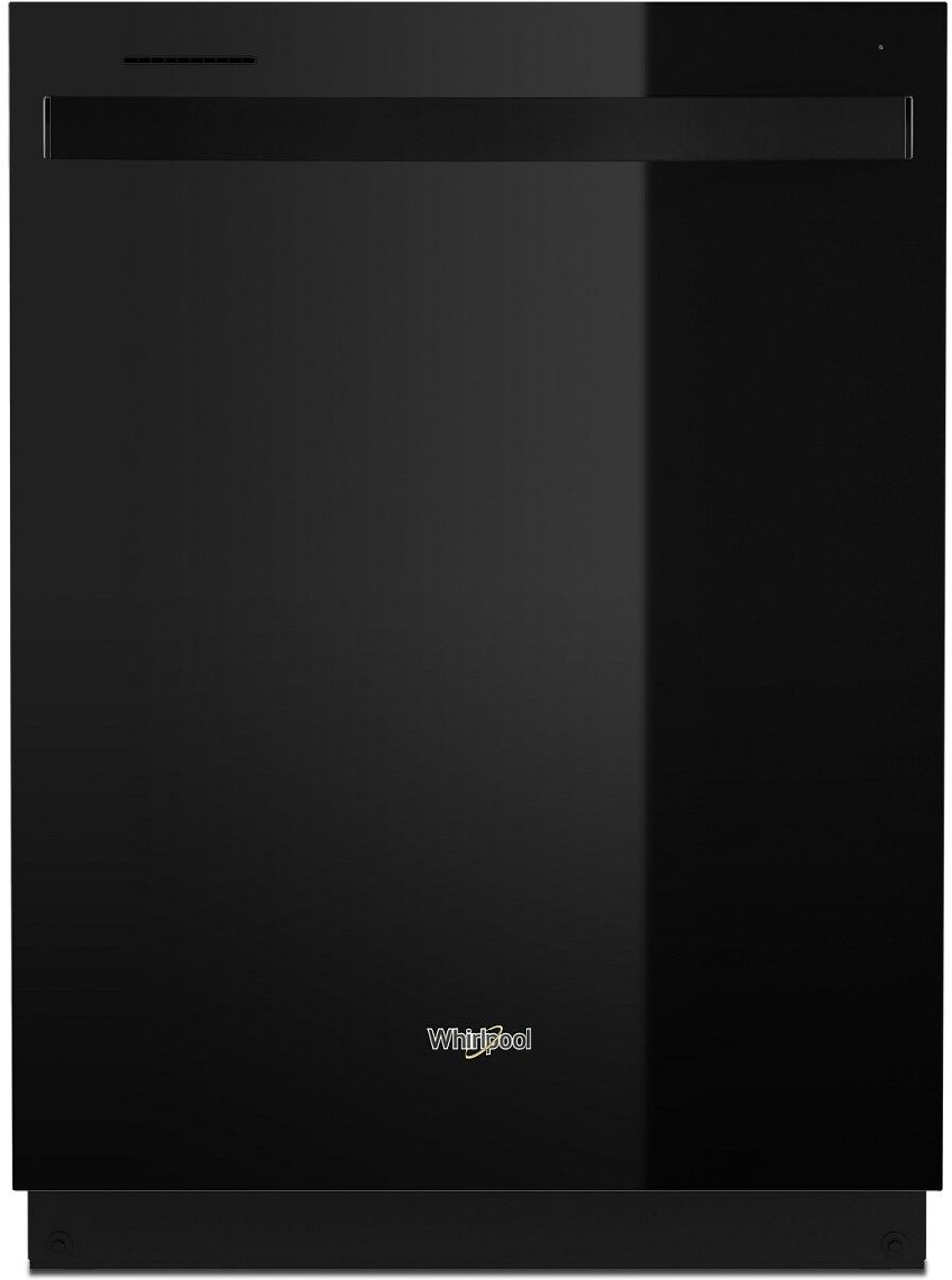
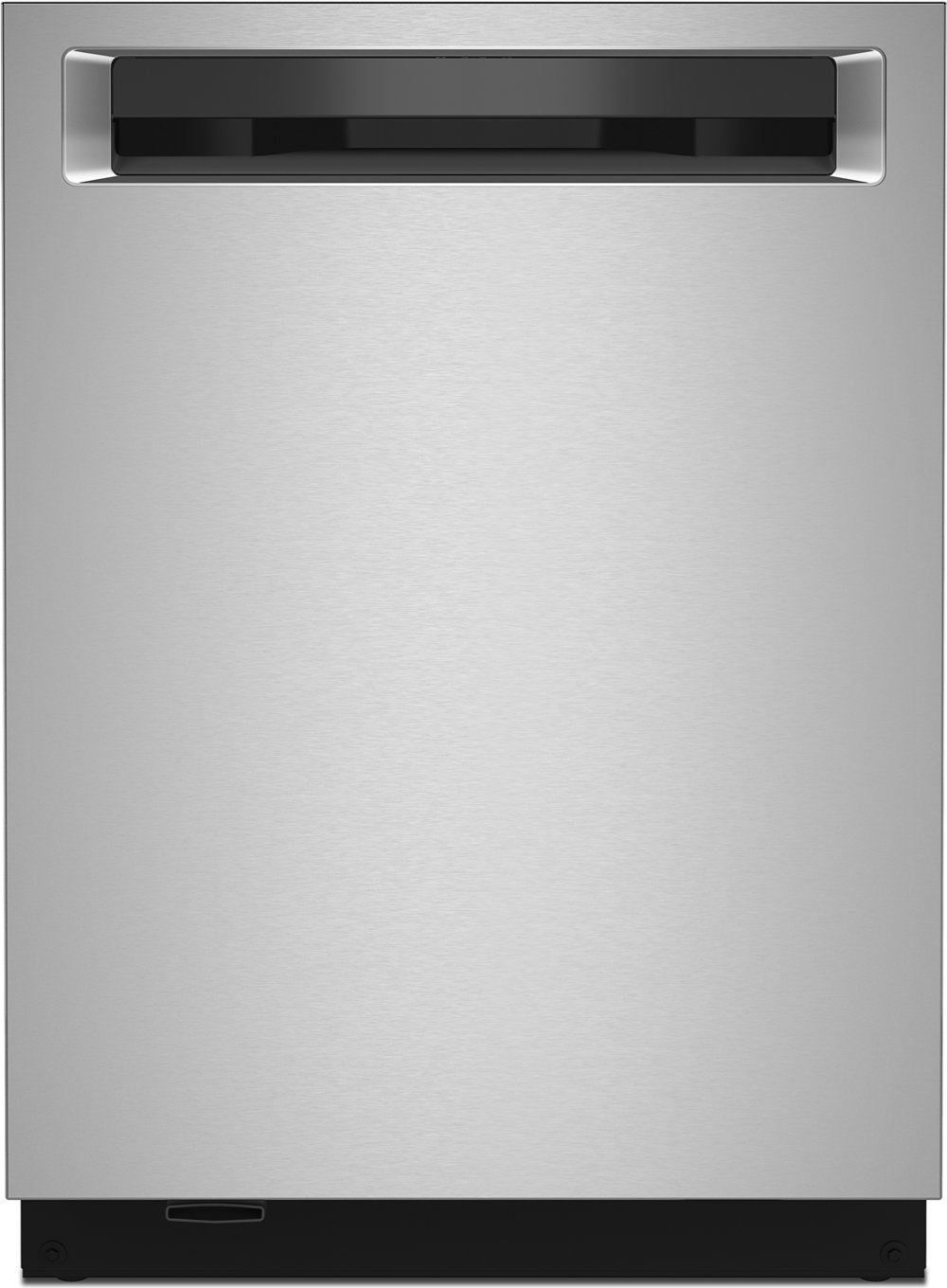
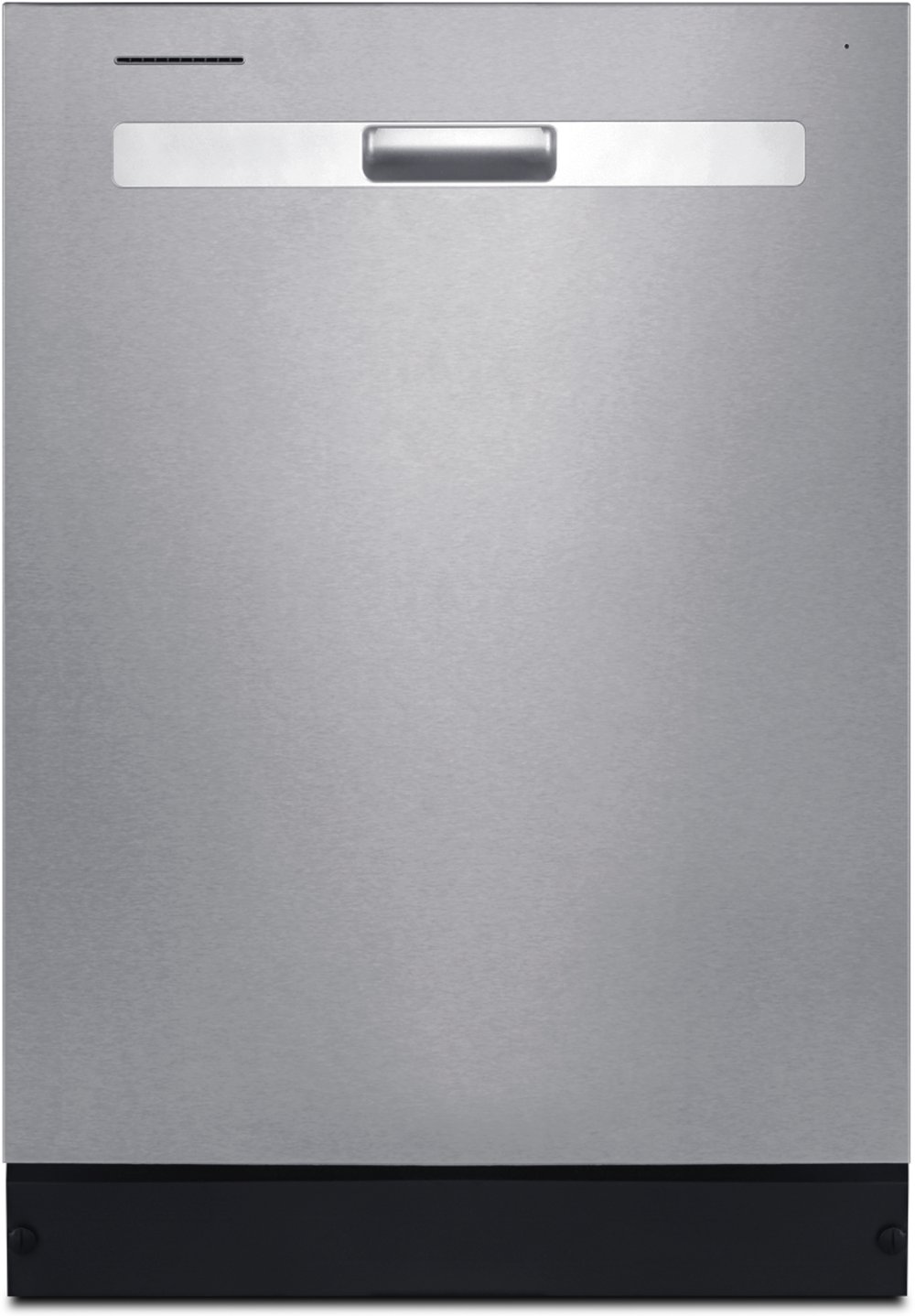
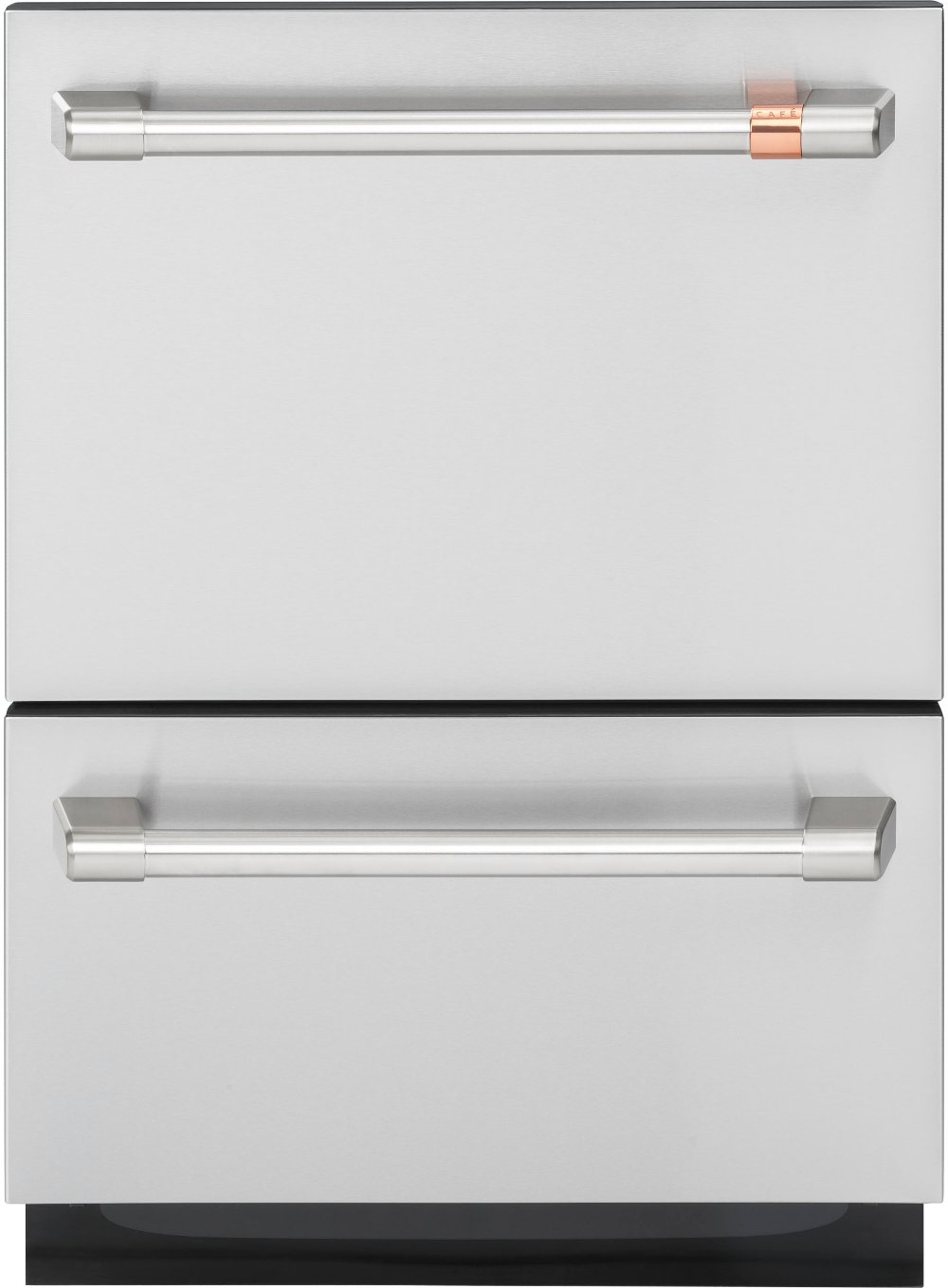
Silverware basket dishwashers keep everyday forks, spoons, and knives together in a dedicated compartment, making it easier to move from a sink full of dishes to a kitchen that’s ready for the next meal. A dishwasher silverware basket is a perforated holder that allows wash water and detergent to circulate around utensils while keeping them from falling into the bottom of the appliance. Unlike a flat cutlery tray that typically sits above the upper rack, a basket holds most utensils upright and usually fits in the lower rack or along the door, depending on the dishwasher’s design. That familiar layout works well for busy households, frequent home cooks, and anyone who likes carrying a removable basket straight to the silverware drawer for unloading. Basket designs vary in ways that can make a real difference during daily cleanup. Separate compartments help distribute a full meal’s worth of utensils, while slotted lids can keep individual pieces apart so spoon bowls don’t nest together. Some baskets have sections that separate or reposition, giving you more flexibility when dinner leaves behind both a large serving bowl and a pile of flatware. Others use a single, sturdy basket with a carrying handle and a fixed place in the rack. The best fit depends on what goes into your dishwasher most often: cereal spoons and lunch forks, heavier dinner flatware, or a mix of utensils from cooking and serving. Wide utensil handles may need an open compartment rather than a narrow slot, and long tools may belong on an upper rack if the manufacturer permits it. For households that run the dishwasher frequently, easy access and comfortable unloading matter just as much as compartment count. A well-designed basket helps keep small everyday essentials organized without making the rest of the rack difficult to load. It’s one practical feature to consider alongside overall dishwasher capacity, rack adjustability, cycle options, and operating sound level.
Fit deserves close attention whether you’re choosing a dishwasher with a silverware basket or looking for a replacement basket for an existing appliance. For a new dishwasher, the cabinet opening, installation clearances, utility connections, and space needed to open the door all matter. Inside the machine, the basket’s location affects how much room remains for plates, cookware, and serving pieces. A basket positioned along the side of the lower rack creates a different loading arrangement than one mounted on the door, so picture your regular dinner dishes in place rather than judging capacity by an empty interior. For a replacement dishwasher silverware basket, compatibility starts with the appliance’s complete model number, often found on a label around the door edge or tub frame. Match that number to the replacement part’s stated compatibility information; appearance alone isn’t enough. Check the basket’s length, width, and height, as well as its mounting tabs, handle clearance, and the shape of the rack space it occupies. A basket described as universal may fit several dishwashers, but that description doesn’t guarantee that it will sit securely in every rack. It should stay upright, allow the rack to slide freely, and leave the spray arms unobstructed. Most dishwasher utensil baskets use molded plastic designed to tolerate repeated exposure to hot water and dishwasher detergent. Perforated sides and bottoms support water flow and drainage, while reinforced edges, secure handles, and intact compartment dividers help the basket stand up to regular handling. Check that the openings are small enough to contain your flatware without letting narrow handles slip through. If an older basket develops a split bottom, a broken latch, or missing sections of its grid, replacing the compatible basket may restore useful organization without replacing the entire dishwasher. A sound basket should contain utensils reliably, not leave fork handles dangling into the path of a moving spray arm. Durability comes from both suitable construction and a fit that keeps the basket stable through everyday loading and washing.
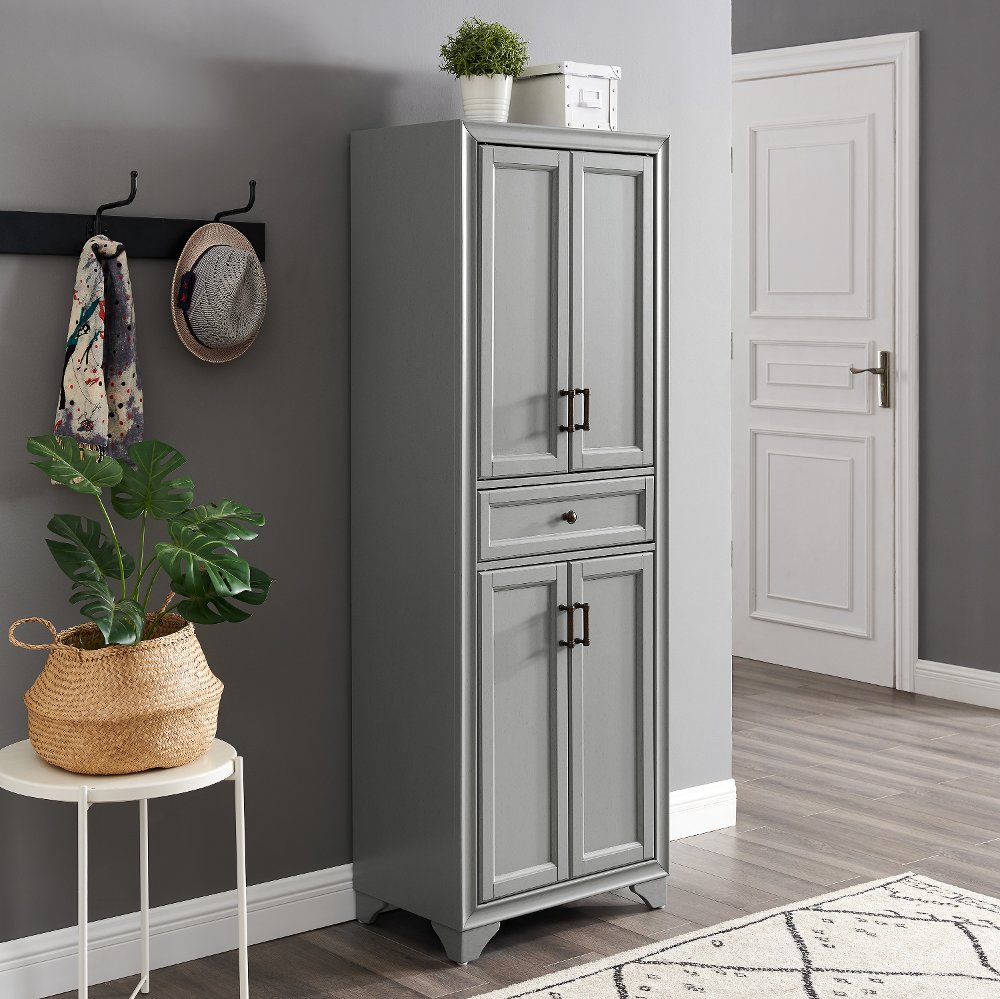
Daily care and thoughtful loading help a silverware basket do its job well. Leave enough space between utensils for water to reach their surfaces, especially when loading spoons with deep bowls or forks with food caught between the tines. Where the basket has slotted covers, use those openings as directed to separate pieces; where it has open compartments, avoid packing utensils into tight bundles. Follow the dishwasher manufacturer’s loading instructions for orientation, and place dishwasher-safe knives with sharp points down when instructed for safer handling. Fine cutlery, wooden handles, glued components, and certain decorative finishes may need hand washing, so the utensil maker’s care directions matter too. Long spatulas and serving tools should never extend where they can block a spray arm or prevent a rack from moving properly. Before starting a cycle, a quick check that the spray arms turn freely can catch an awkwardly placed handle. Scrape off substantial food scraps, then load according to the appliance’s instructions rather than assuming every piece needs a thorough rinse first. Over time, bits of food can collect in basket corners, around hinges, or beneath dividers. Remove the basket when the design allows, rinse away trapped debris, and use a soft brush to gently clean the openings. Check its underside occasionally for cracks or wear, particularly if small utensils have started slipping through. After the cycle, let the dishwasher finish its recommended drying process and allow hot utensils to cool before handling them. A removable basket makes it convenient to carry clean flatware to its drawer, while nearby Dish Storage Cabinets can provide a home for plates, bowls, and serving pieces once they’re clean and dry. For a small household, a straightforward basket with accessible compartments may be all that’s needed. For a household that cooks several meals a day, flexible sections and a sturdy carrying handle may prove especially useful. The goal is a dishwasher arrangement that handles your actual dishes comfortably, keeps utensils contained, and makes cleanup feel less like rearranging a puzzle after every meal.
Read More