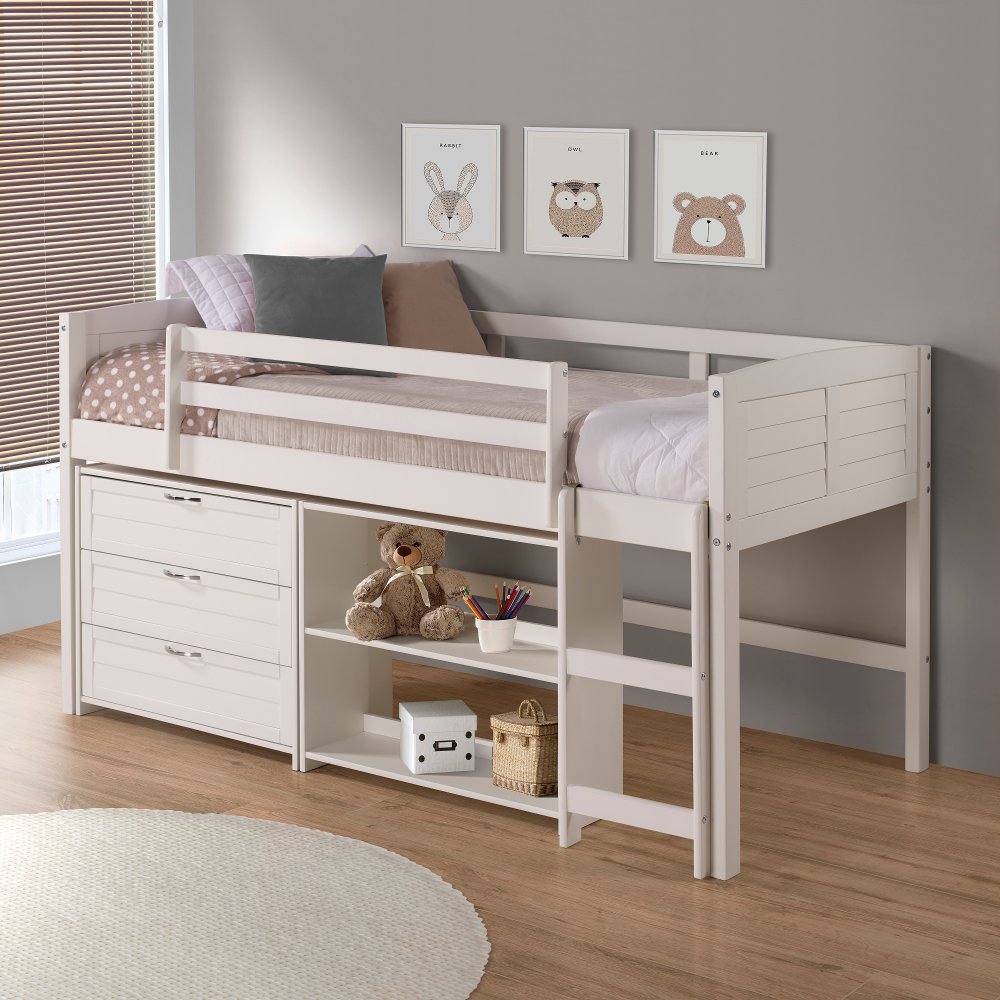
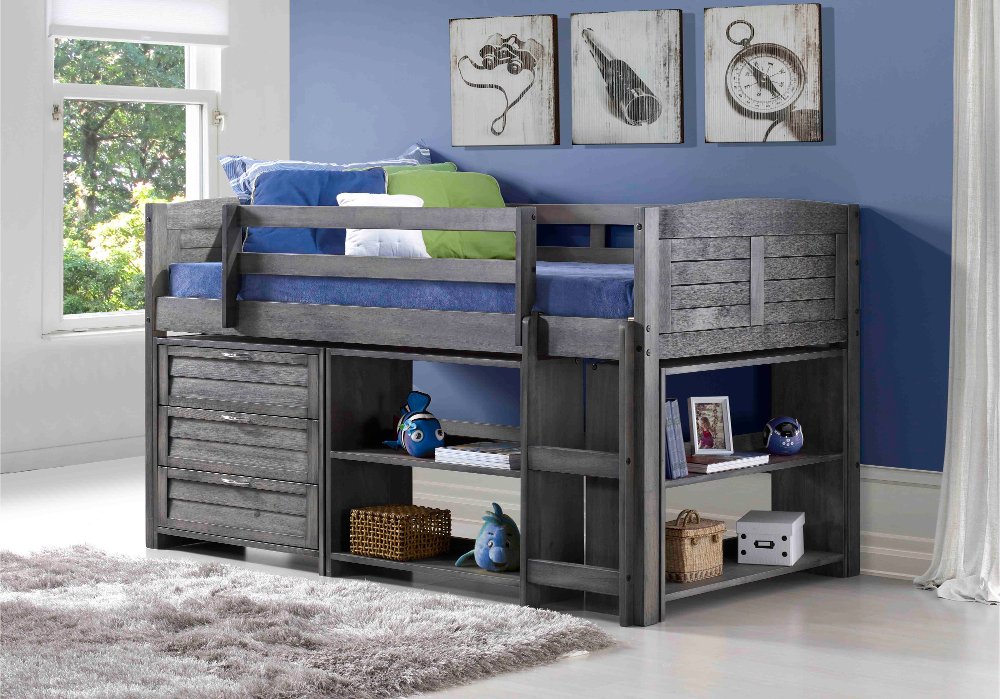
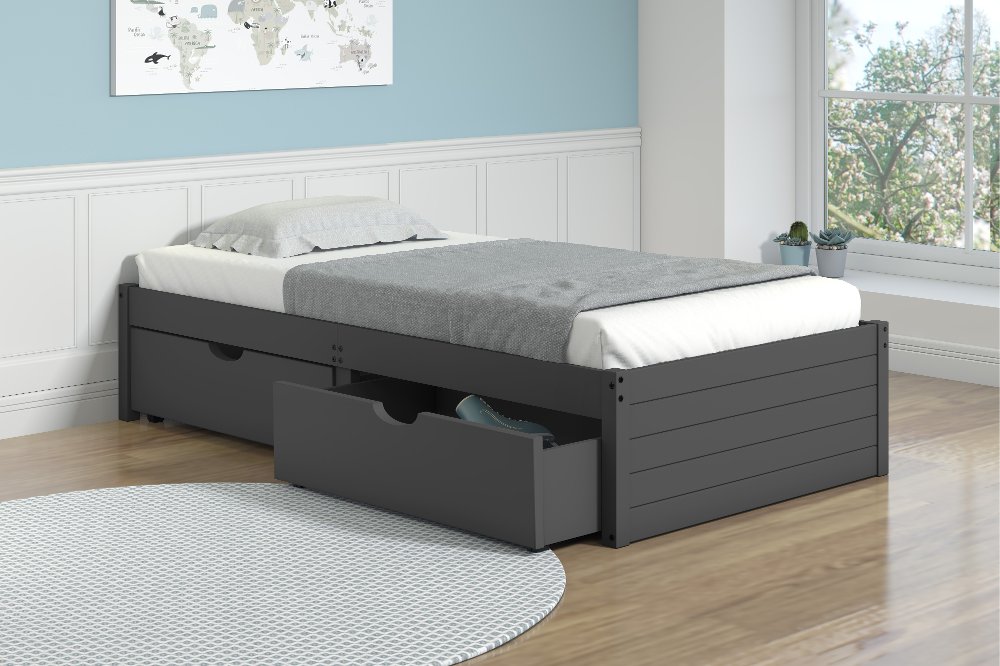
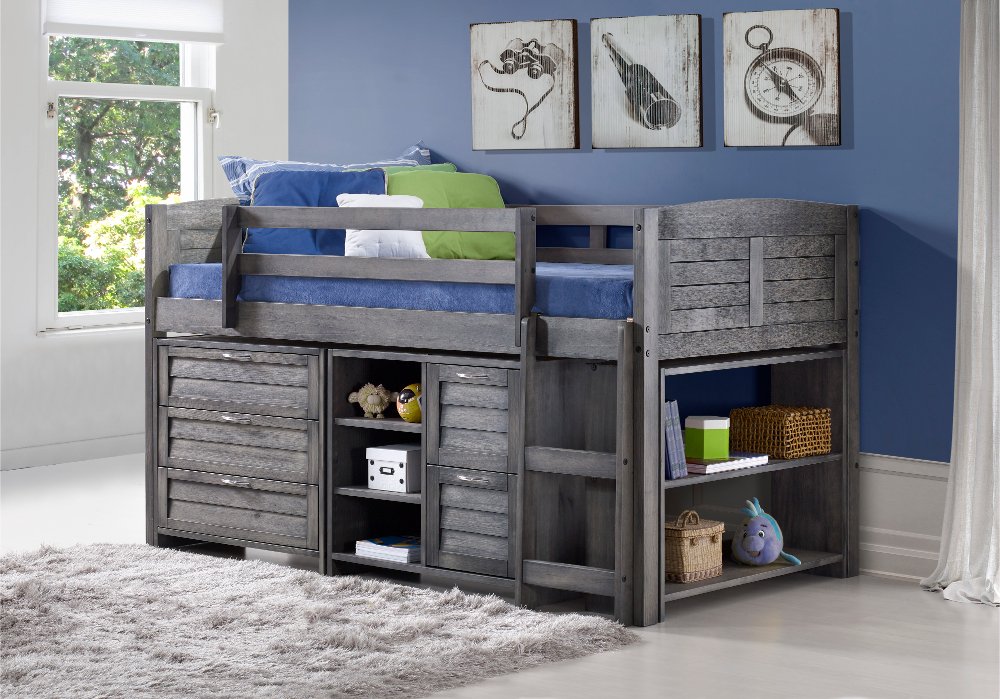
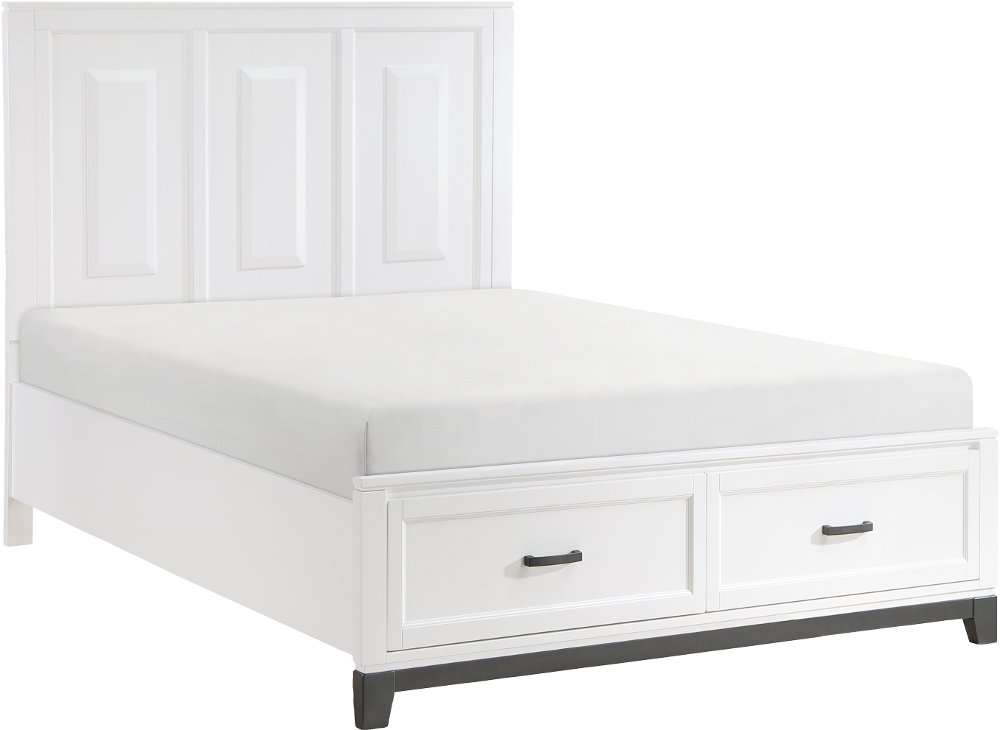
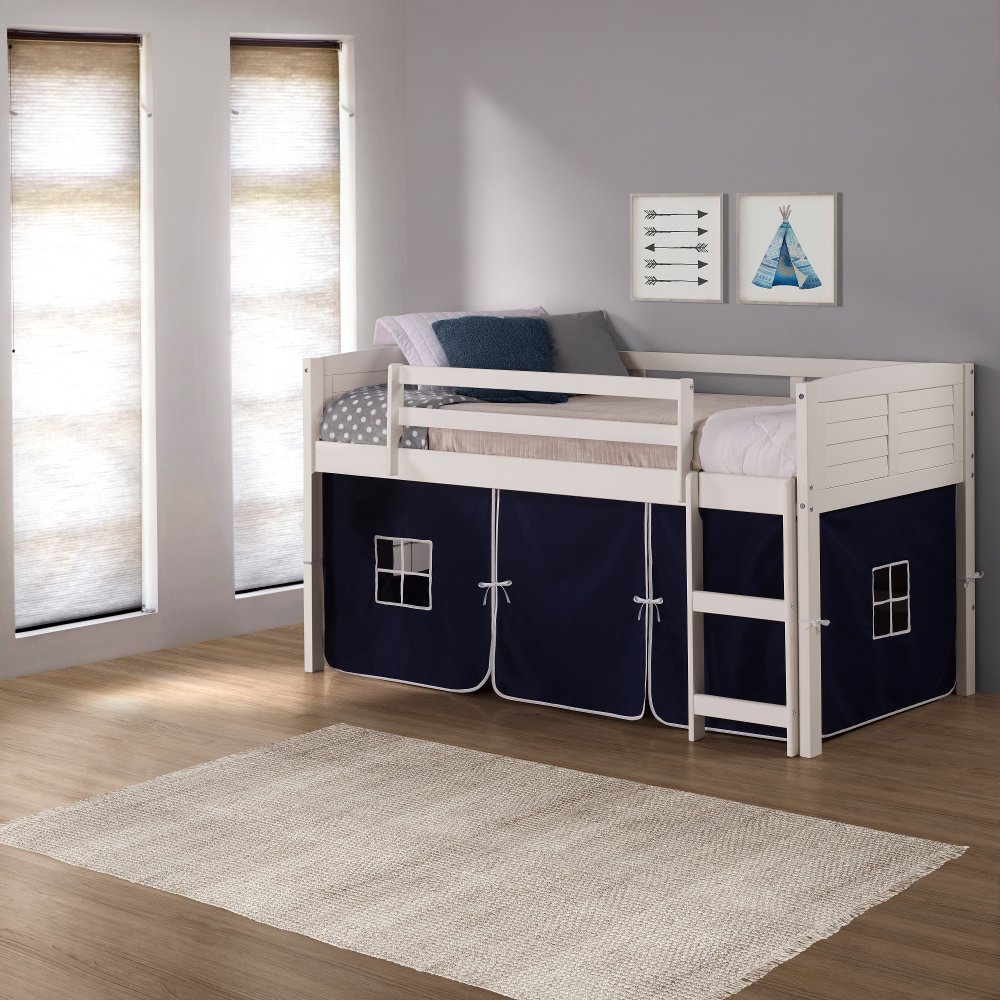
Single bedroom sets bring coordinated bedroom furniture into a space designed for one sleeper, often pairing a twin-size bed with matching storage and a bedside surface. They’re a practical choice for a child’s first furnished bedroom, a teenager’s room, a compact apartment, or a guest room that needs to feel welcoming without feeling crowded. In the United States, “single bed” commonly refers to a twin bed, which typically accommodates a mattress measuring approximately 38 inches wide by 75 inches long. A twin XL mattress adds about 5 inches of length, making it worth considering for taller sleepers when a compatible frame is available. Those measurements describe the mattress, not the furniture’s overall footprint; a substantial headboard, upholstered frame, or projecting footboard can take up additional space. The contents of single bedroom sets vary by package, so the included-pieces list matters more than the set’s name alone. A two-piece set may include a bed and one nightstand, while a three-piece set may add a dresser or chest. Larger packages may include additional storage or a mirror, but retailers count components differently, and a higher piece count doesn’t necessarily mean more usable furniture. Mattresses, foundations, bedding, and decorative accessories may be sold separately, even when they appear in the room photo. Choosing coordinated pieces helps establish a consistent finish, scale, and style without making you match every detail yourself. That can be especially helpful when you’re turning a spare room into a comfortable bedroom or helping a child settle into a more grown-up space. Picture a lamp within easy reach, pajamas tucked into a smooth-opening drawer, and enough open floor space to get dressed without squeezing past a bed corner. Those everyday comforts are what make a set useful. If you’re furnishing a room as a gift for a child, grandchild, or family member moving into a new home, confirming their mattress size, room measurements, and preferred style first keeps the surprise thoughtful and practical.
The best-fitting single bedroom furniture leaves room for the way someone actually lives, not just the pieces shown together in a photograph. Before choosing a set, measure the room, note the locations of windows and outlets, and account for the swing of entry and closet doors. Painter’s tape on the floor can help you picture the bed’s outer dimensions and the depth of a dresser before bringing furniture home. Leave comfortable walking paths and enough clearance to open drawers fully; storage loses much of its convenience when you have to move another piece to reach it. A taller chest can provide useful drawer space along a narrow section of wall, while a wider dresser offers a larger surface for everyday essentials. Neither shape is automatically better—the right choice depends on your wall space, storage needs, and reach. Built-in bed drawers can make use of otherwise overlooked space beneath the mattress, particularly for extra sheets, folded clothing, or cooler-weather blankets. They may reduce the need for a separate storage piece, though their capacity and required opening clearance vary. Underbed bins are another possibility when the frame provides sufficient clearance, but low side rails and support legs can limit access. Think about bedside height, too. A nightstand that sits close to the top of the mattress makes a reading light, water glass, or phone easier to reach. If integrated charging is offered, check the connection type and placement rather than assuming it suits every device. For a room that doubles as a study space or occasional home office, a smaller furniture footprint can preserve room for a desk and chair. Guest rooms benefit from a place to unpack and a clear spot for a suitcase. Children’s rooms need space for changing interests as well as clothes, so leaving a little breathing room can be more valuable than filling every wall. Follow the manufacturer’s anchoring instructions for dressers and chests, especially in homes where children live or visit.
Style and construction work together to determine how a single bedroom set feels in your home over time. Light finishes and slender profiles can help a compact room feel open, while deeper wood tones bring warmth and contrast to pale walls. Upholstered headboards add softness and a comfortable-looking backdrop for layered bedding, although fabric care deserves attention in rooms shared with pets or used by children. Wood, wood veneers, engineered wood, and metal each offer different combinations of appearance, maintenance needs, weight, and cost; the material label alone doesn’t tell the whole quality story. Look for clear construction details, securely fitted hardware, stable bed supports, and drawers designed to move smoothly under everyday use. Dovetail joinery and reinforced drawer construction can be useful quality indicators, but drawer-bottom support, glide design, and stated weight limits matter as well. A finish that’s easy to care for may serve a busy household better than one that requires extra attention. For a simple, uncluttered look, Minimalist Bedroom Sets offer another way to explore coordinated furniture with restrained detailing. Whatever style you prefer, versatile shapes and finishes make it easier to change bedding, wall art, and accent colors as tastes evolve. Before purchasing, verify the bed’s mattress-support requirements. Some platform beds support a compatible mattress without a separate box spring or foundation, while other frames require additional support; the bed instructions and mattress warranty should guide that decision. Check slat-spacing requirements, recommended mattress thickness, and weight capacity where provided. Compare the total cost of the setup rather than the furniture price alone, including any necessary mattress support, delivery, and assembly. It’s also worth measuring stairways, hallways, and door openings, particularly when moving larger storage pieces into an upstairs bedroom. A carefully chosen single bedroom set balances comfortable sleep, accessible storage, and a look you’ll enjoy seeing at the beginning and end of the day. The goal is a room that feels settled and personal, with furniture that makes ordinary routines a little easier.
Read More