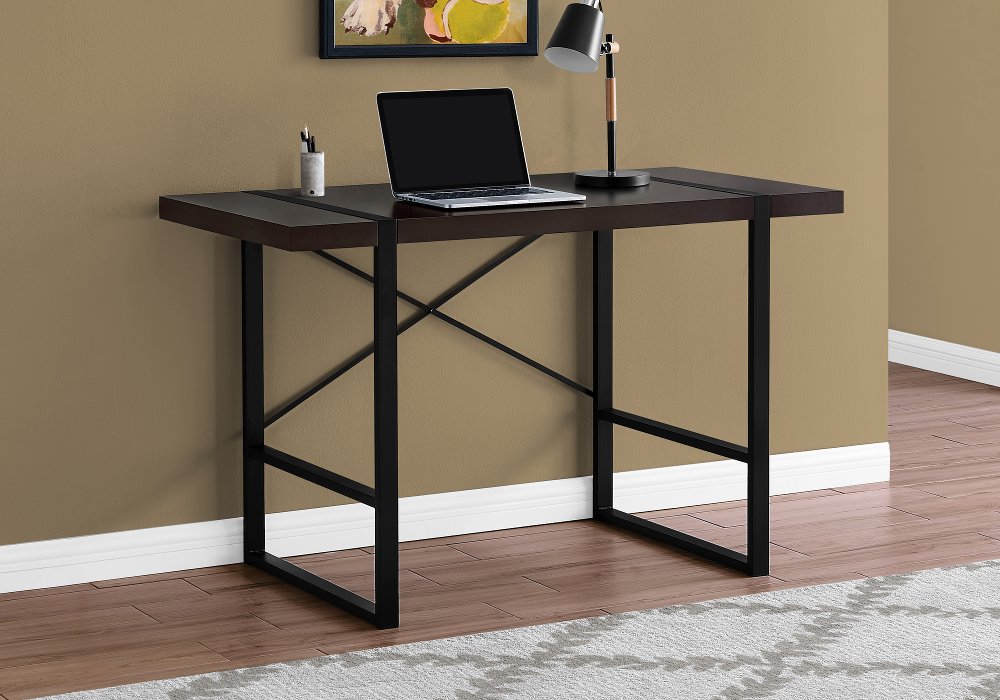
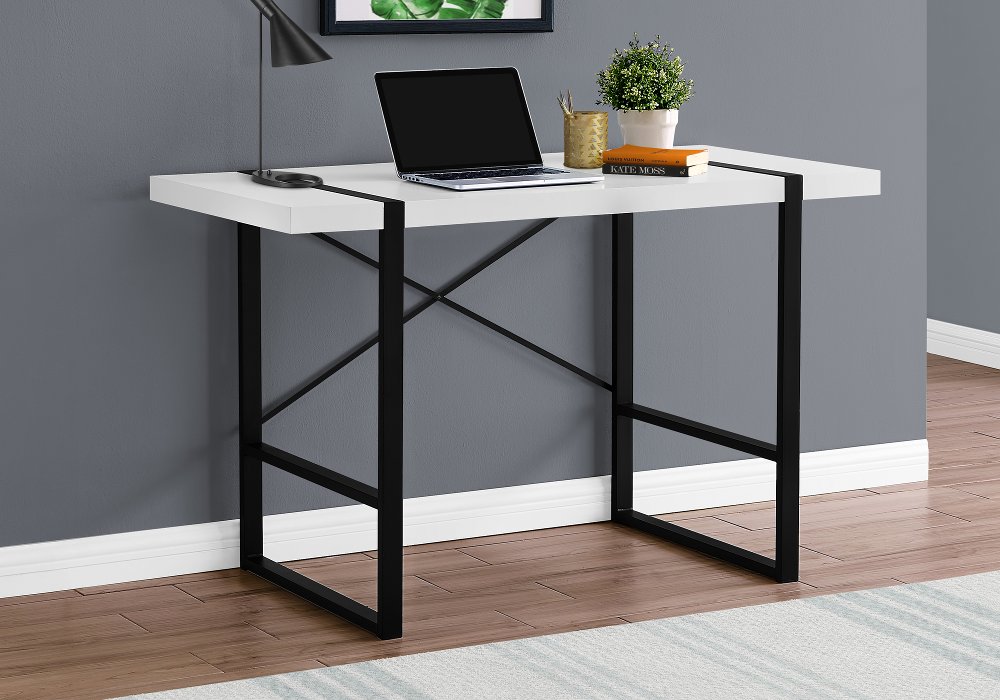
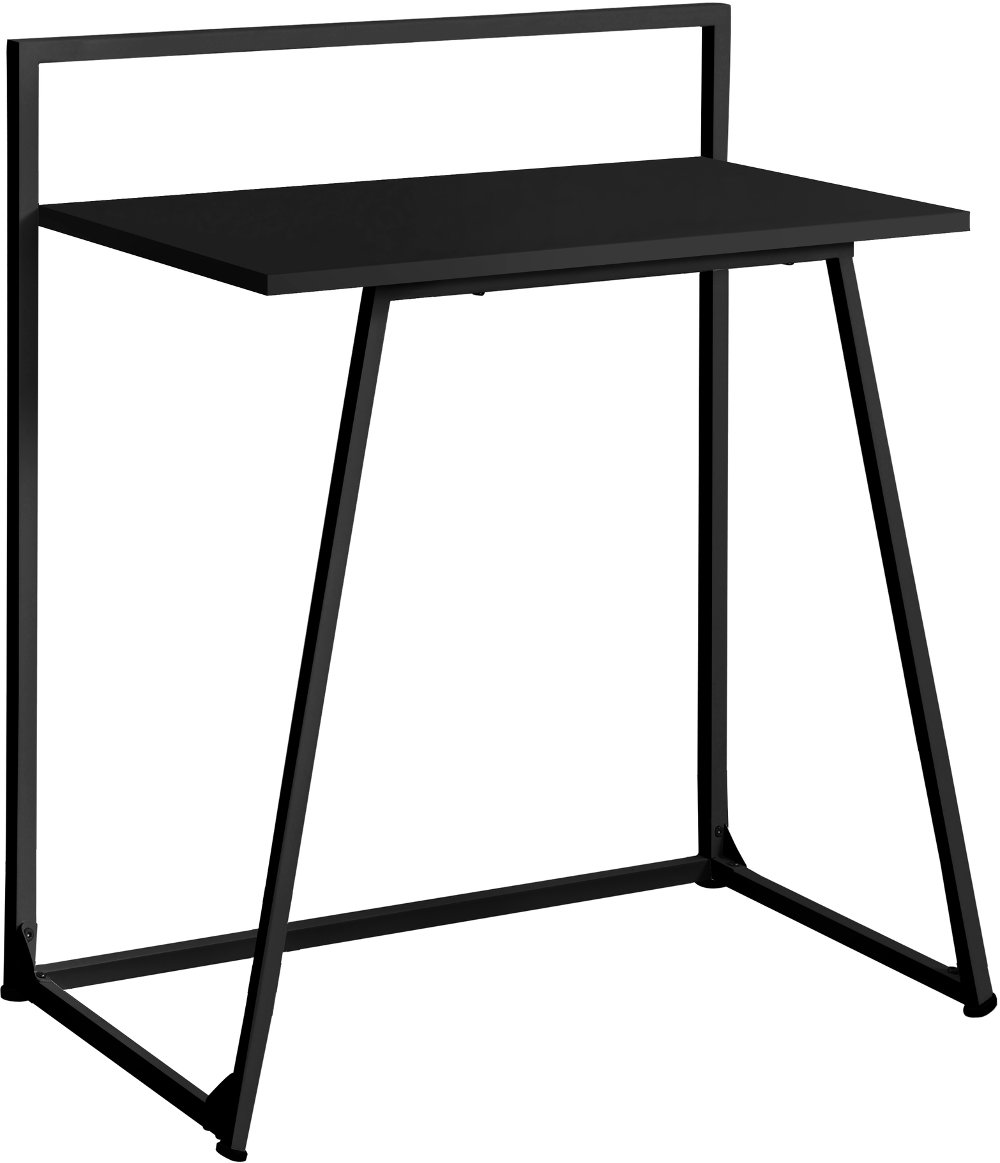
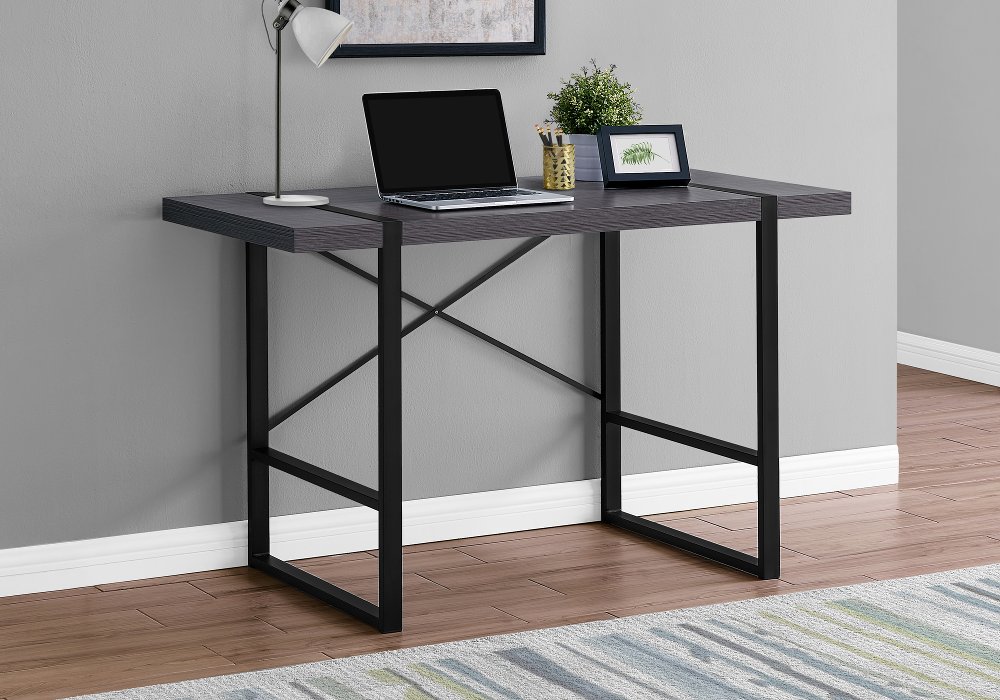
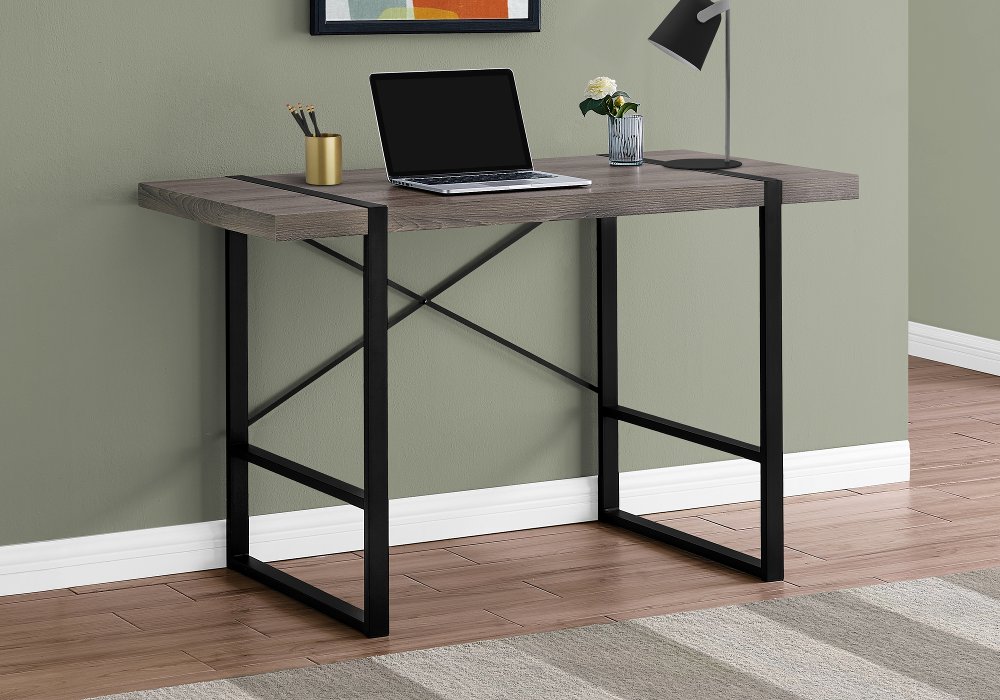
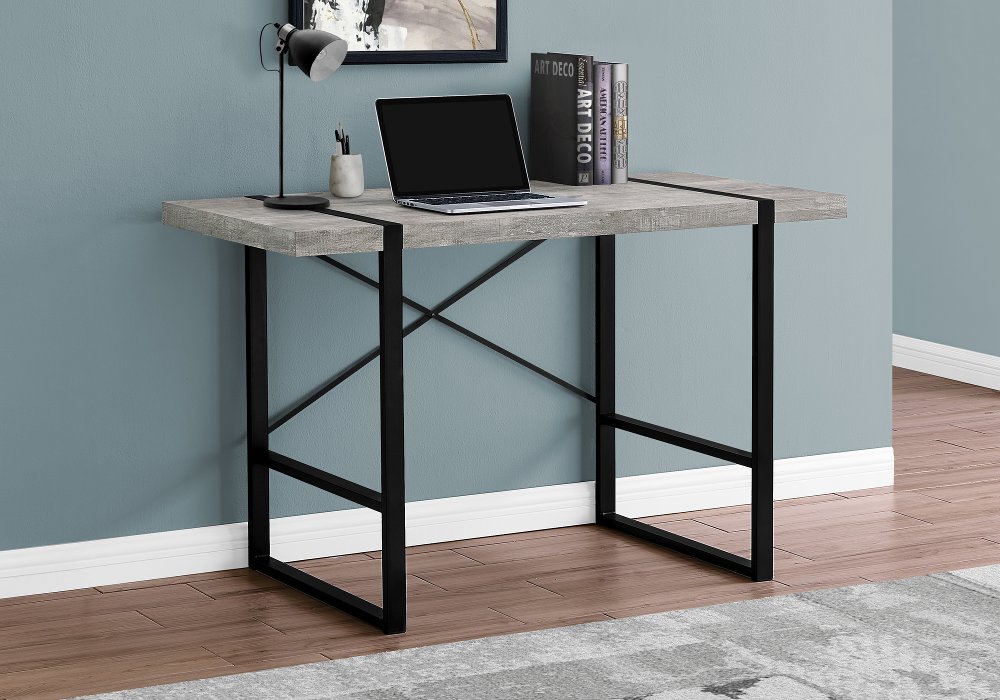
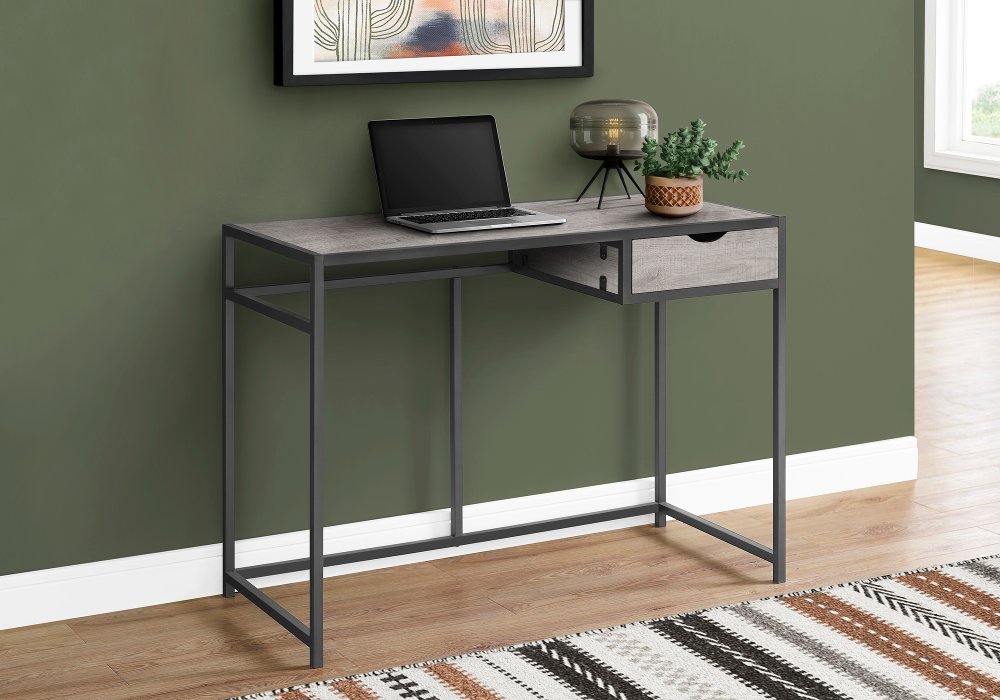
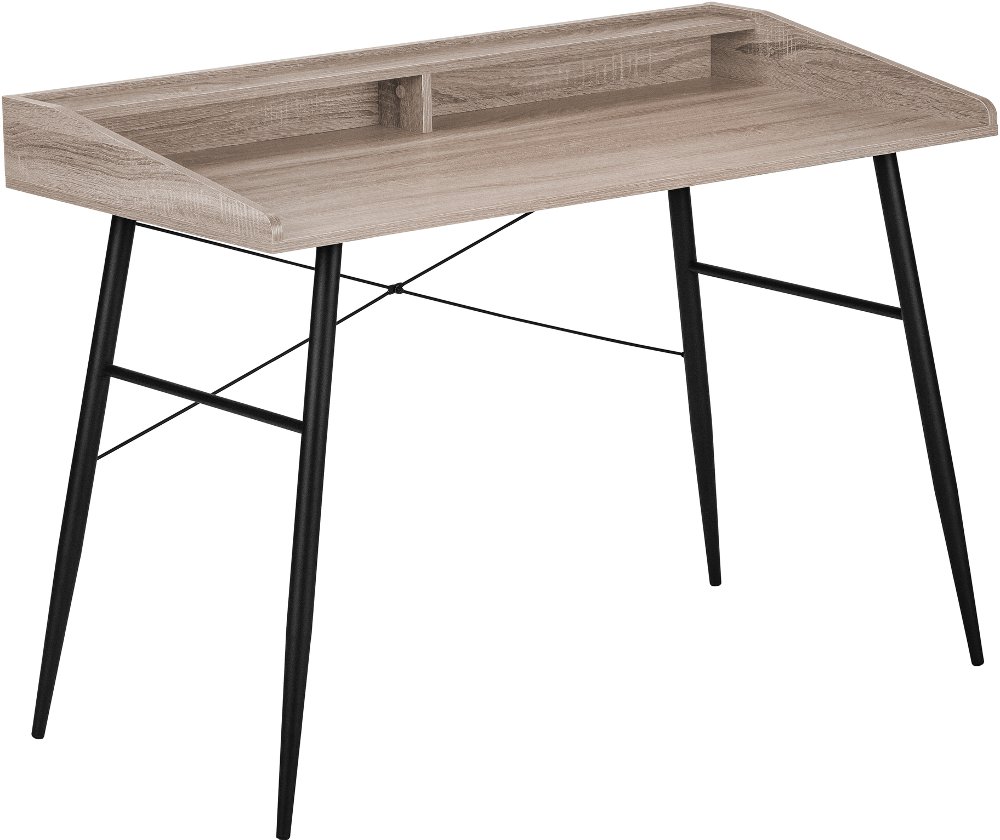
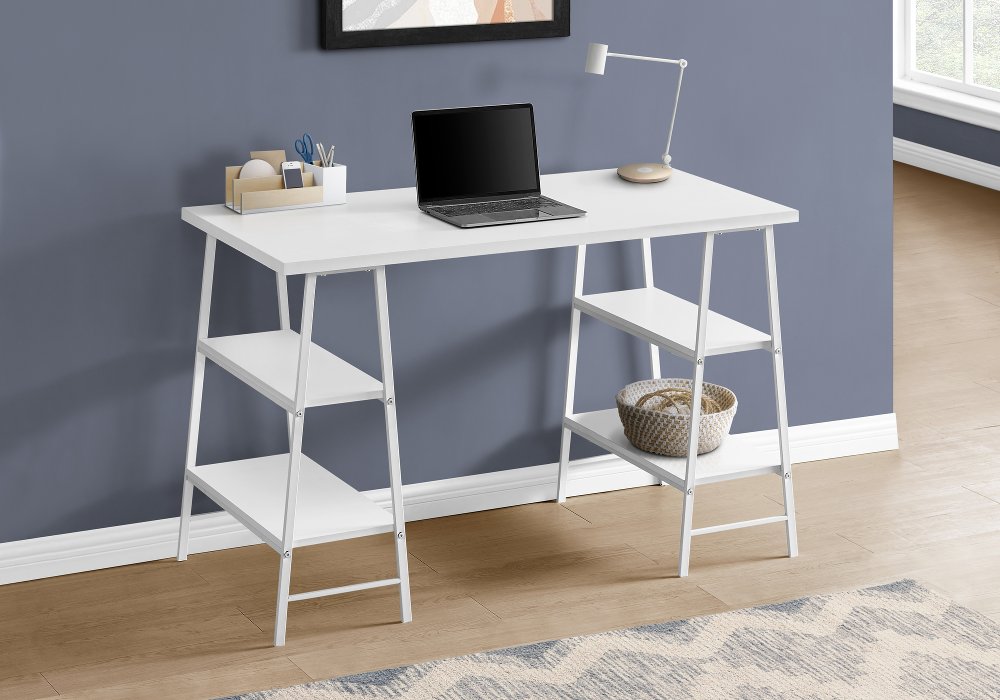
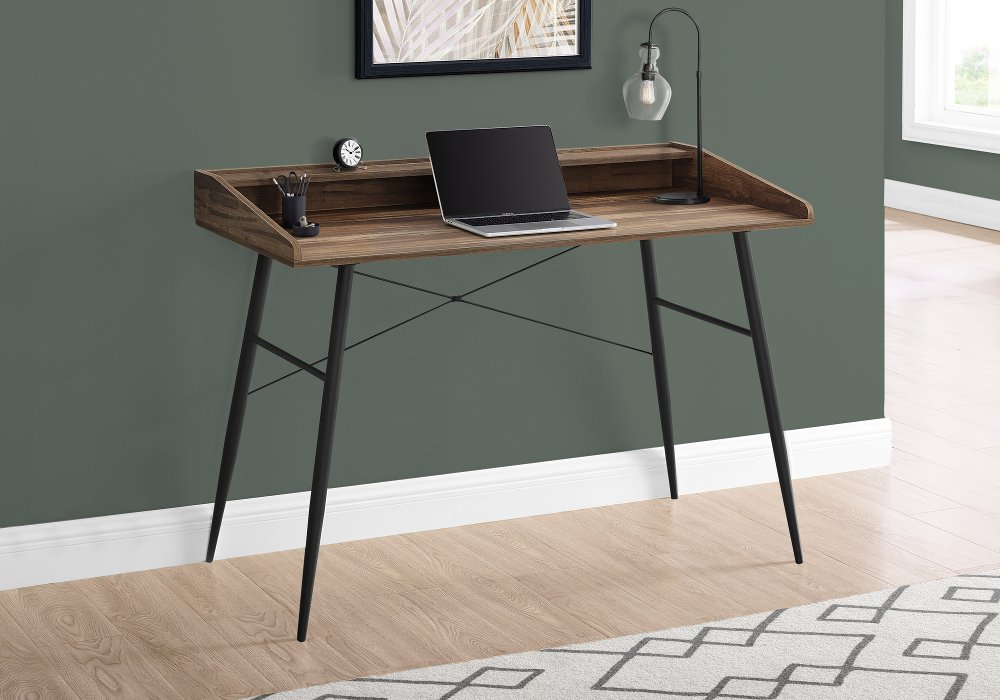
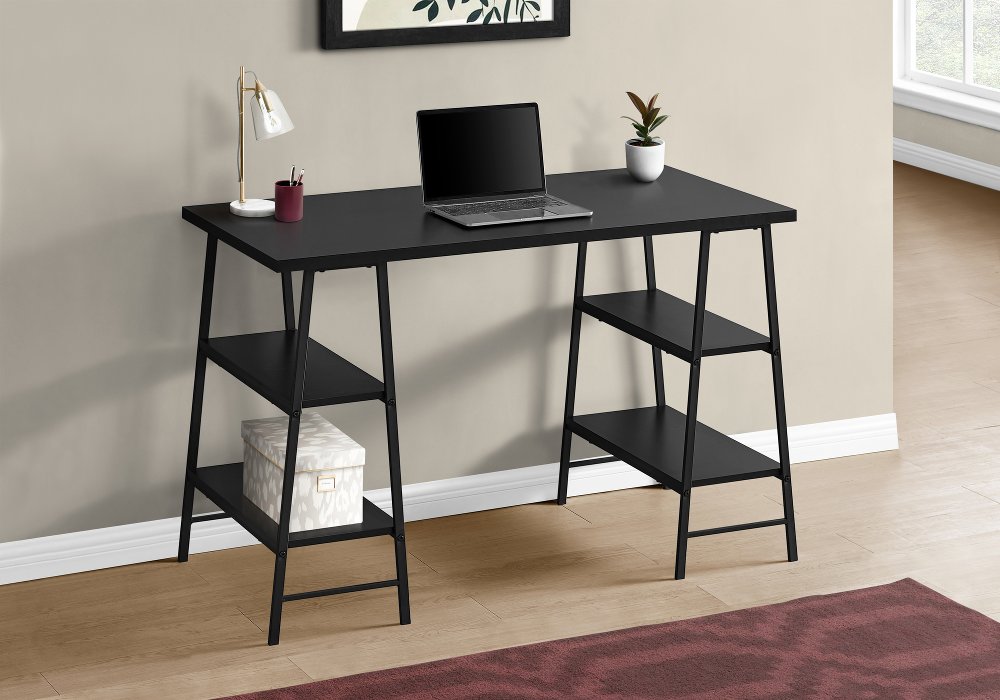
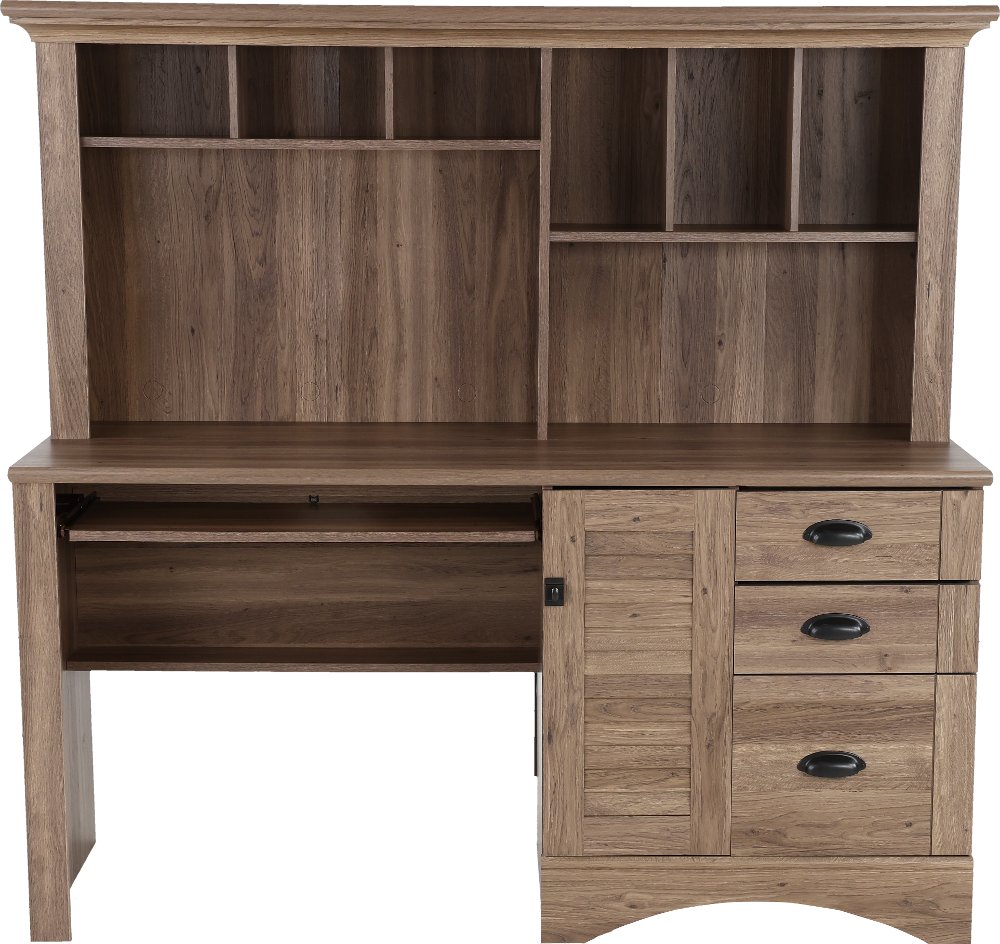
Small computer desks create a dedicated place to work, study, and handle everyday tasks without taking over a room. Their compact footprints make them a practical fit for apartments, bedrooms, dorm rooms, and shared living spaces where every piece of furniture needs to earn its place. Many compact desks measure roughly 30 to 48 inches wide, although dimensions vary, and width alone doesn’t tell the whole story. Depth determines how comfortably a laptop, monitor, keyboard, and mouse can share the surface. A desk used mainly for a laptop and a notebook has different space requirements than one supporting a desktop computer and separate monitor. Even a slim monitor needs room for its base, cables, and a comfortable viewing distance. A shallow desktop can work well for short tasks, while longer work sessions generally benefit from enough depth to position the screen comfortably and keep the keyboard within easy reach. The best fit also accounts for the space around the desk: a chair needs room to pull out, drawers need clearance to open, and nearby doors should swing freely. In a bedroom, a compact computer desk beside a dresser can provide a useful study spot without crowding the path to the bed. In a living room, a narrow desk along an unused wall can create a workspace that feels separate from the sofa without requiring another room. Baseboards, wall outlets, and window ledges can affect placement, so the usable footprint may differ from the open floor space. Legroom matters just as much as desktop size. Side supports, low shelves, and drawer pedestals can reduce the space available for knees or prevent a chair from tucking underneath. For regular computer use, a comfortable arrangement lets shoulders relax, elbows rest near the body, and feet sit supported. A compact desk feels more generous when its proportions match both the equipment and the person using it, rather than simply filling the smallest possible gap.
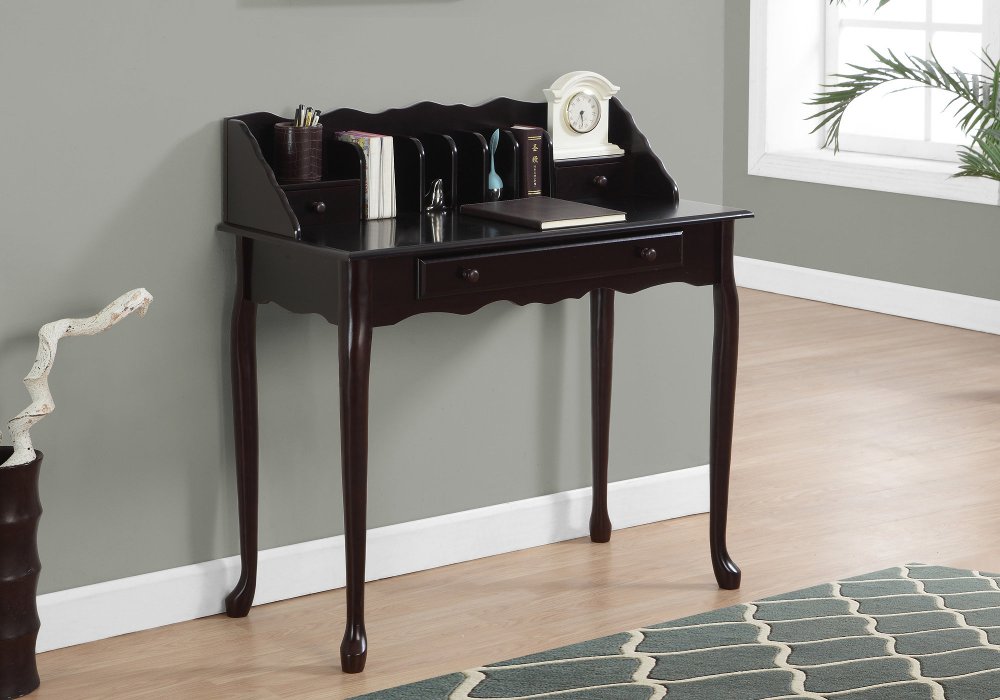
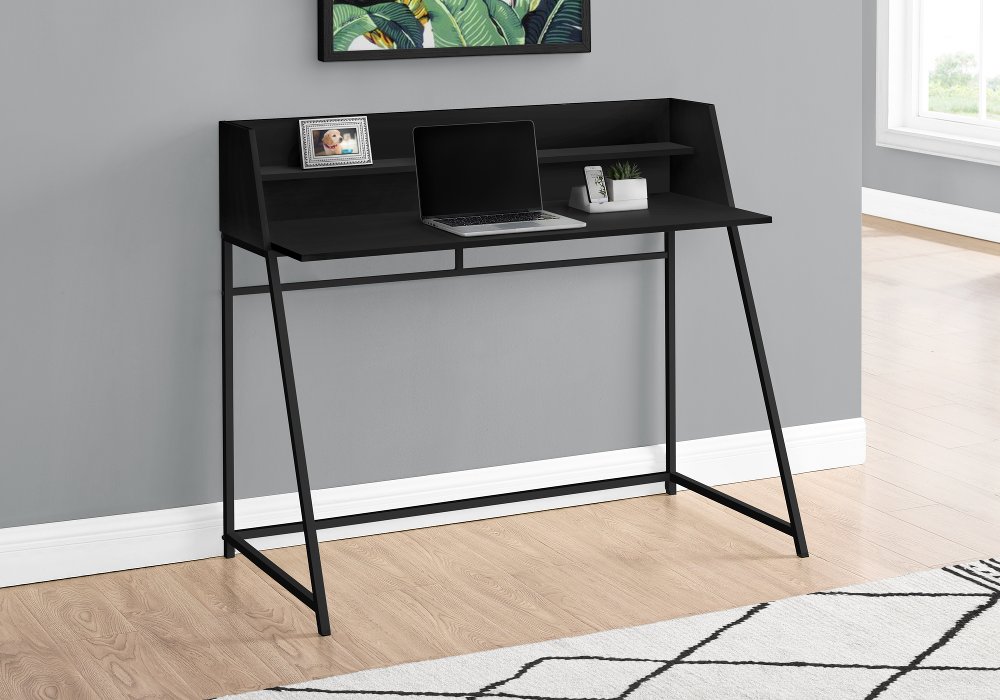
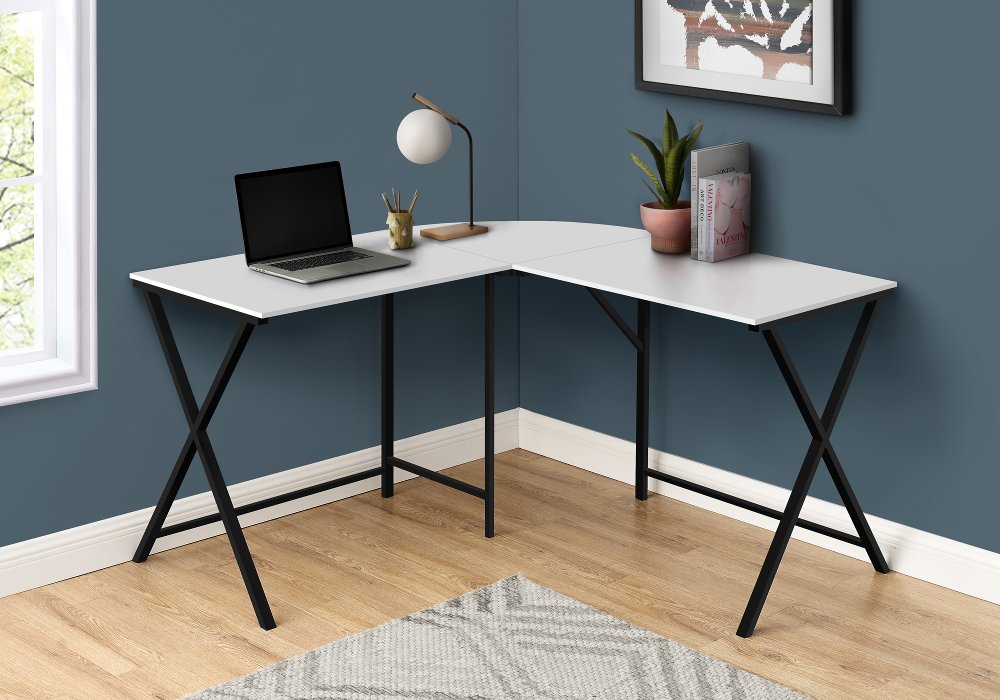
Storage and layout help a small computer desk support a full day’s routine. A single drawer can keep pens, charging cords, and a calculator close at hand while leaving the desktop clear for a laptop and an open textbook. Deeper drawers may accommodate notebooks or office supplies, but their interior measurements matter more than their appearance from the outside. Open side shelves give frequently used items an easy-to-reach home, while enclosed storage can help a work area blend into a bedroom or living space after the day’s tasks are finished. Built-in shelving also involves a trade-off: it adds storage within the desk’s footprint but may limit legroom or the width available for a chair. A raised shelf can lift a screen off the main work surface, provided its height places the monitor comfortably and its depth supports the monitor base. Keyboard trays offer another way to free up surface space, though the tray needs enough room for the equipment being used and clearance for comfortable movement. For a desktop setup, a computer tower needs a stable location with ventilation openings unobstructed; a tight enclosed compartment may not suit every machine. Cable openings and accessible outlets can make a compact workstation easier to maintain, especially when a laptop charger, monitor, and task light share the space. A desk with a finished back can face into a room, making it useful as part of a shared office or as a subtle boundary between living and working areas. Corner desks can put an awkward nook to work, while straight desks often offer more flexibility along a wall. Folding designs and desks with casters serve occasional workspaces, with secure supports and locking wheels helping keep the surface steady during use. Height-adjustable designs can support changes in working position, but they still need sufficient clearance for moving parts, cords, and nearby furniture.
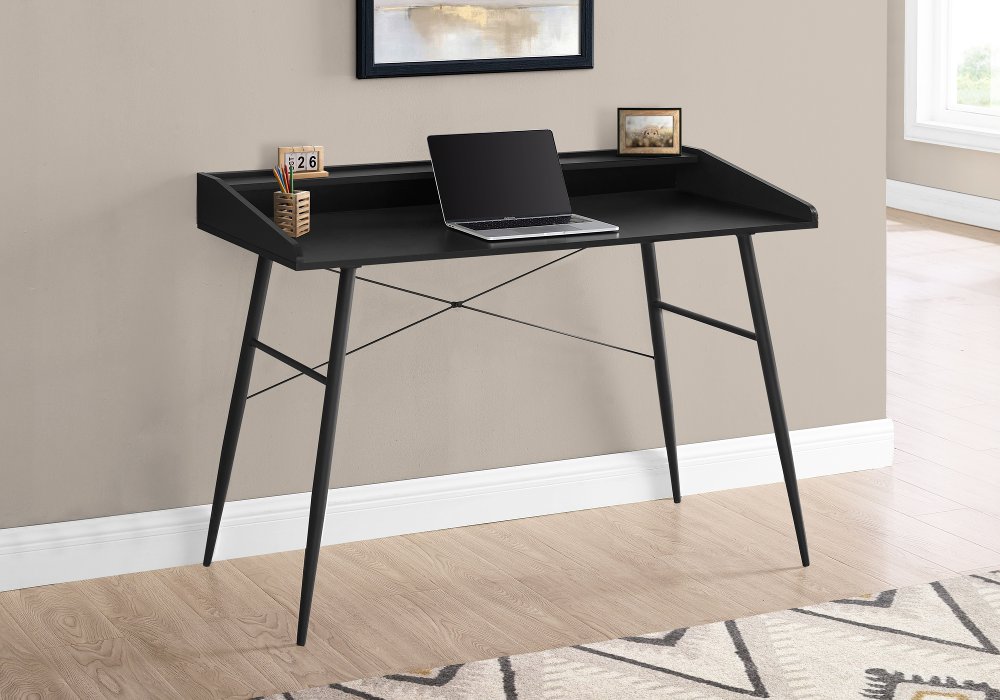
Materials influence how small computer desks look, feel, and hold up to daily use. Solid wood brings natural grain and can develop character over time, though it responds to changes in indoor humidity and benefits from protection against spills and heat. Wood veneer offers the appearance of real wood over a supporting core; its surface still deserves gentle care because aggressive sanding or scraping can damage the thin wood layer. Laminate and other finished engineered-wood surfaces can be practical for busy study areas, with durability depending on the construction, finish, and care they receive. Metal frames often create an open look that suits a small room, while frame design, secure connections, and appropriate load capacity contribute to stability. Glass desktops have a light visual presence but tend to show fingerprints and require attention to edge condition and the manufacturer’s handling instructions. For a streamlined look, modern computer desks offer a related direction, with clean lines that can coordinate with existing furniture rather than making a workspace feel crowded. A light finish may blend into pale walls, a wood tone can connect the desk to nearby bedroom furniture, and darker finishes can give a compact work area a defined presence. Whatever the style, everyday details make a difference over time. Smooth drawer movement, well-supported shelves, protected edges, and a stable base all contribute to a desk that feels dependable. The combined weight of monitors, books, and other equipment should stay within the stated limits for the desktop and individual shelves. Routine care usually begins with a soft cloth and prompt spill cleanup, followed by cleaning methods approved for the specific finish. Coasters and a desk mat can help protect frequently used areas, while overtightening hardware or dragging the desk can strain joints. Whether it supports a student’s assignments, a remote worker’s calls, or household paperwork, a well-proportioned small desk gives daily tasks a comfortable home while leaving room for the rest of life.
Read More