Small filing cabinets provide dedicated storage for paperwork without taking up the space of a full-size office storage unit. Their compact footprint makes them a practical fit for home offices, apartment workstations, shared study spaces, and the corner of a room that doubles as a place to pay bills. A small file cabinet can keep insurance documents, household records, and work folders close to your desk while giving loose papers a home beyond the kitchen counter. Many compact vertical designs measure roughly 14 to 18 inches wide, although height, depth, and drawer capacity vary. That narrow profile can work beside a desk or beneath an open work surface, provided the cabinet fits around the desk’s legs, supports, and other obstructions. Under-desk filing cabinets also need enough clearance to leave your knees and feet comfortable; a cabinet that technically fits can still crowd your chair. The usable space extends beyond the cabinet itself, since drawers need room to open fully without blocking a doorway or pressing against nearby furniture. File size matters just as much as the outside measurements. Letter-size paper measures 8.5 by 11 inches, while legal-size paper measures 8.5 by 14 inches, and not every small cabinet accommodates both. Hanging folders require compatible rails or supports, so a deep drawer alone doesn’t necessarily make a cabinet suitable for filing. Some designs hold folders front to back, while others arrange them side to side. These details affect how easily you can read labels and reach the papers you use most. A slim vertical cabinet puts storage into a narrow footprint, while a compact lateral design can provide a wider drawer arrangement when wall space allows. In either format, the most useful cabinet gives your everyday paperwork enough room to stay organized without overwhelming the room around it.
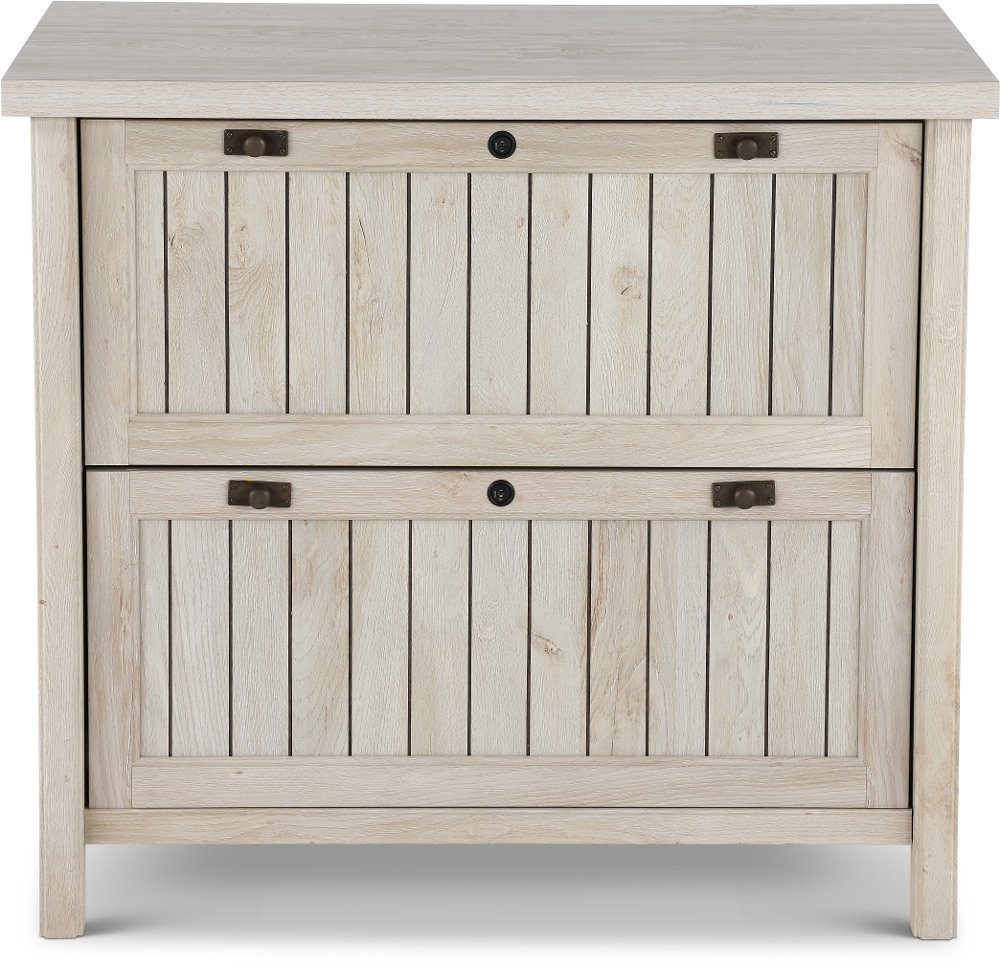
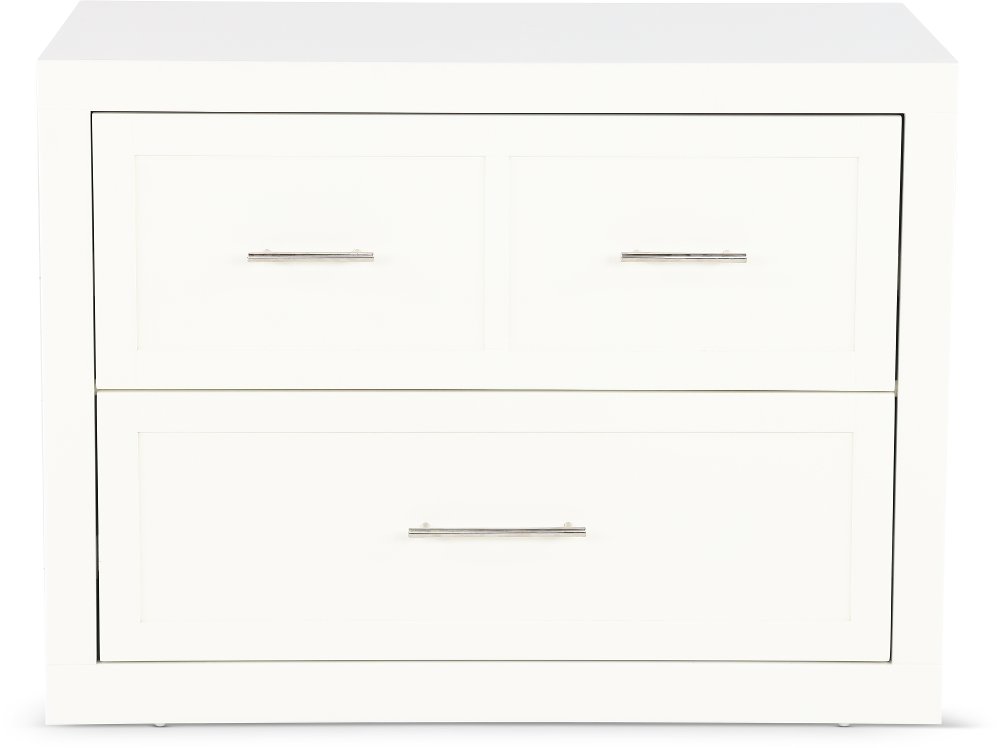
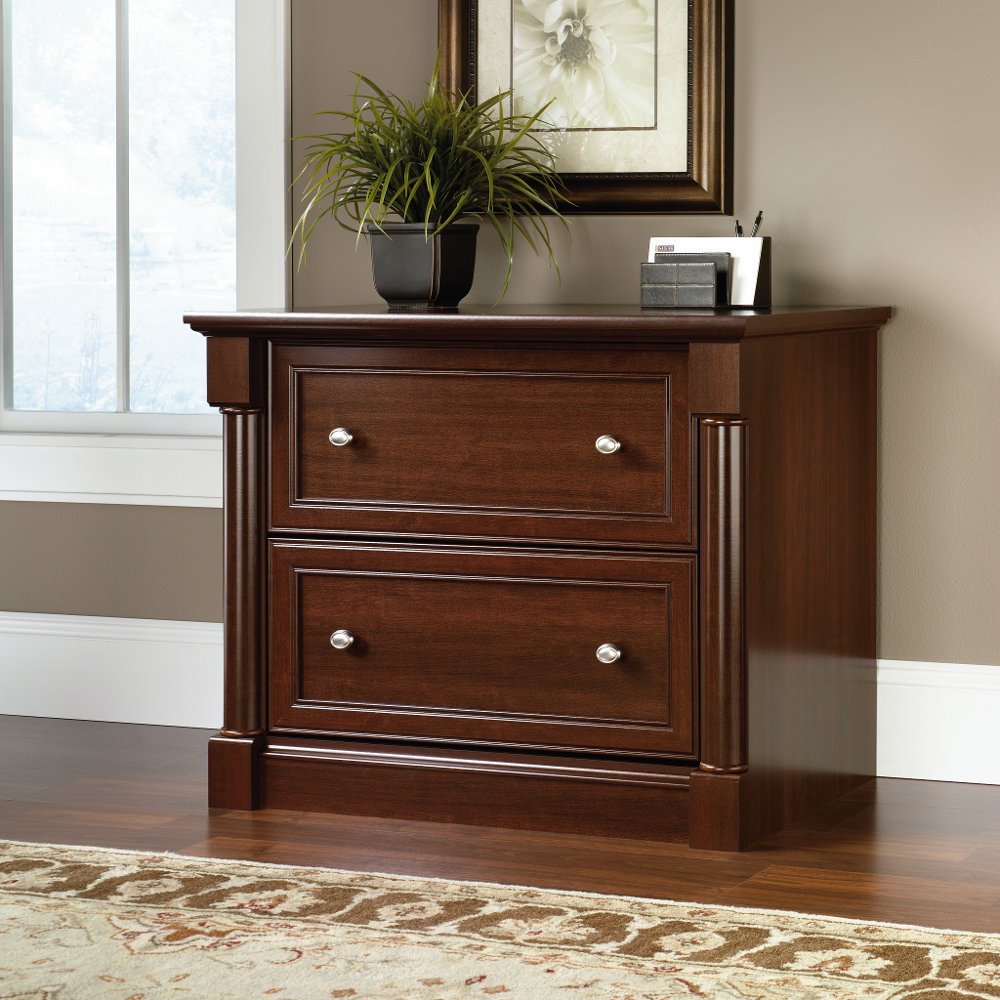
Materials and drawer construction shape both the appearance and the everyday feel of a small filing cabinet. Steel brings a clean, office-ready look and generally stands up well to frequent use, though painted finishes can scratch and thinner panels may dent if bumped. Wood file cabinets offer a furniture-like presence that can feel at home beside a writing desk, bookcase, or upholstered chair. Solid wood, wood veneer, and engineered wood have different characteristics, so the material description is more useful than appearance alone. Veneer provides a real wood surface over a supporting core, while laminate finishes can offer an easy-care surface in wood-look patterns or solid colors. Engineered wood construction can work well for household filing when the cabinet is assembled correctly, kept dry, and used within its stated weight limits. Across materials, sturdy drawer bottoms, secure hardware, and smooth slides contribute to lasting performance. Full-extension drawers can make folders at the back easier to reach, especially when the cabinet sits beneath a desktop. Drawer layout also determines how much of the cabinet is devoted to files versus smaller supplies. A cabinet with shallow utility drawers above a deep filing drawer can keep pens, charging cables, and notepads near your work area. For a setup centered on separate categories of paperwork, Two Drawer File Cabinets can provide a straightforward way to divide household records from work documents or active projects from reference files. Drawer count alone doesn’t establish capacity, however; usable interior dimensions and the supported folder format tell you more. A built-in lock can add a basic barrier against casual access to personal paperwork. Locking arrangements differ, with some securing one drawer and others securing several through a single mechanism. An ordinary locking file cabinet is not automatically fire-resistant or waterproof, so documents requiring that level of protection need storage specifically rated for those conditions.
Mobile filing cabinets offer flexibility when a workspace serves more than one purpose. A rolling cabinet can move out from under a desk during a work session and tuck back into place when the surface becomes a homework station or craft table. Casters are useful for repositioning, but their suitability depends on the flooring, the cabinet’s loaded weight, and the manufacturer’s instructions. Locking casters help limit unwanted movement during use, and wheel height needs to be included when checking under-desk clearance. A stationary cabinet may be a better match for a permanent office arrangement where storage rarely moves. Either style should sit on a stable, level surface and follow the manufacturer’s installation and loading guidance. Heavier contents generally belong in lower drawers, and opening one drawer at a time helps reduce tipping risk. Any included anti-tip hardware or safety mechanism should be installed and used as directed; wheels and drawer locks aren’t substitutes for proper stability measures. Simple care also helps a small cabinet stay dependable. A soft cloth removes everyday dust, and a lightly damp cloth can handle routine marks when the finish allows it. Surfaces should be dried promptly, especially around seams and exposed edges on wood-based materials. Harsh abrasives, excess moisture, and cleaners that aren’t approved for the finish can leave lasting damage. Drawer slides and casters benefit from occasional checks for trapped debris or loose hardware, with maintenance performed according to the care instructions. Inside, clearly labeled folders and a little open space make filing easier than tightly packed drawers that resist every new sheet. For a student, that might mean separate folders for financial aid and course records; for a remote worker, client paperwork can stay distinct from household bills. The cabinet becomes part of a comfortable daily routine: mail gets sorted, important papers stay accessible, and the desktop has room for the task at hand.
Read More