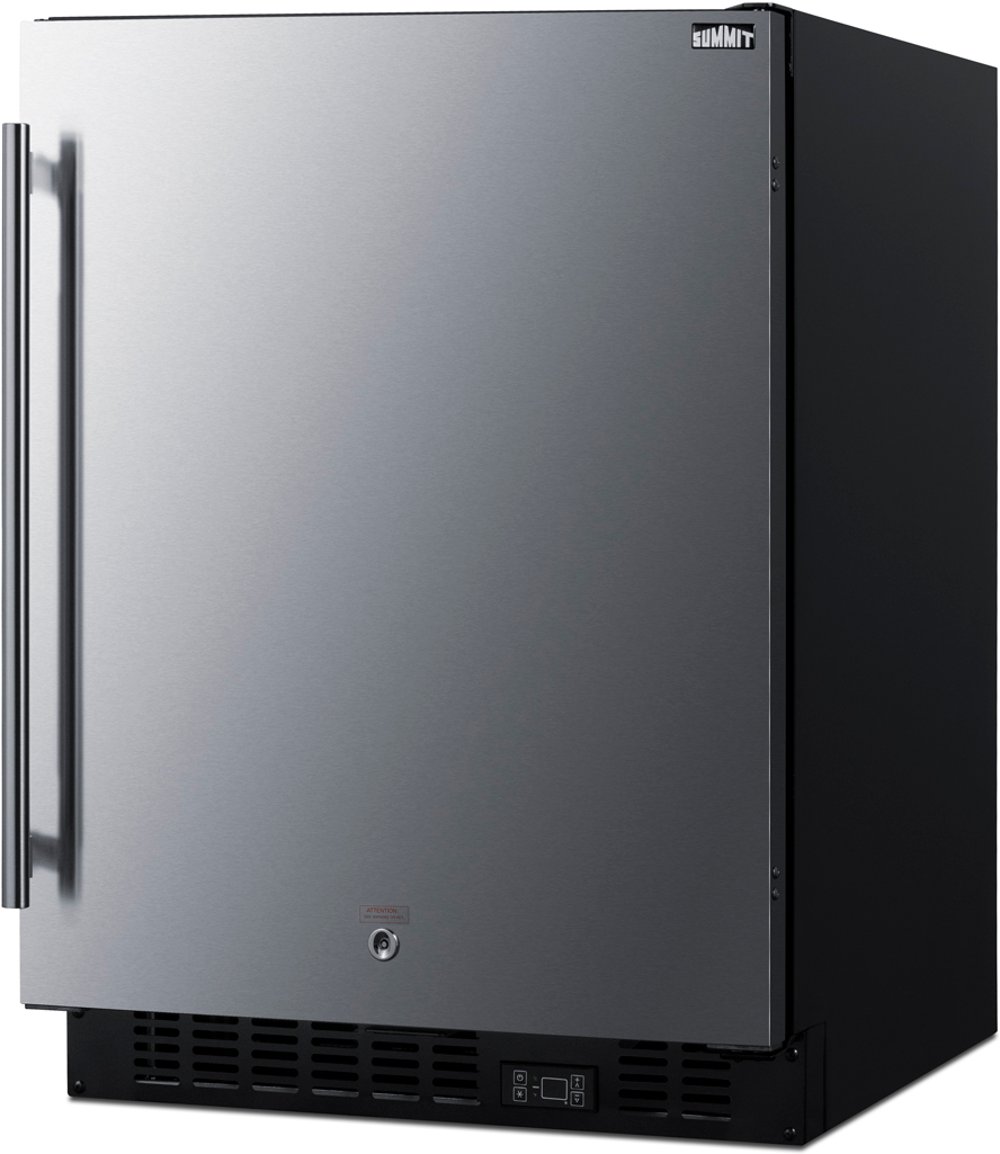
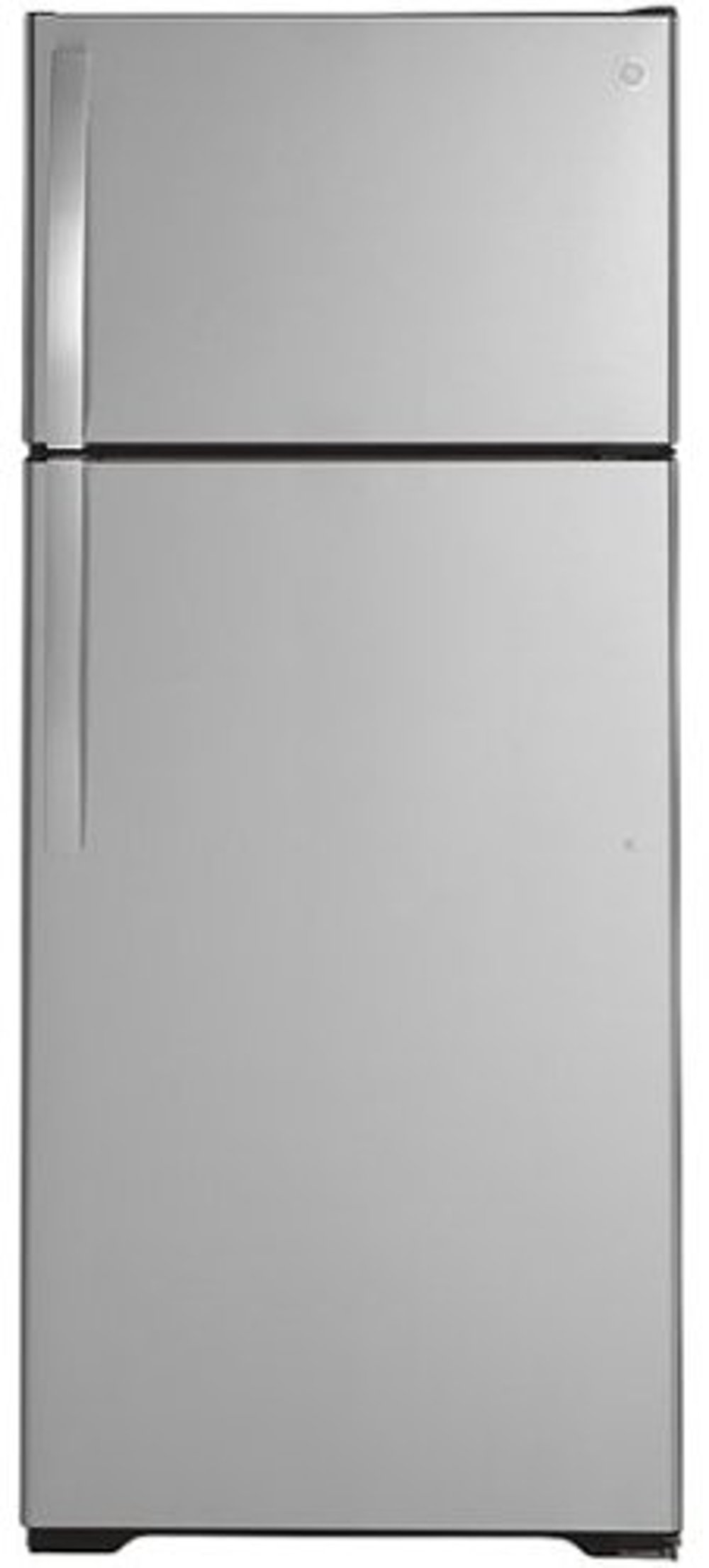
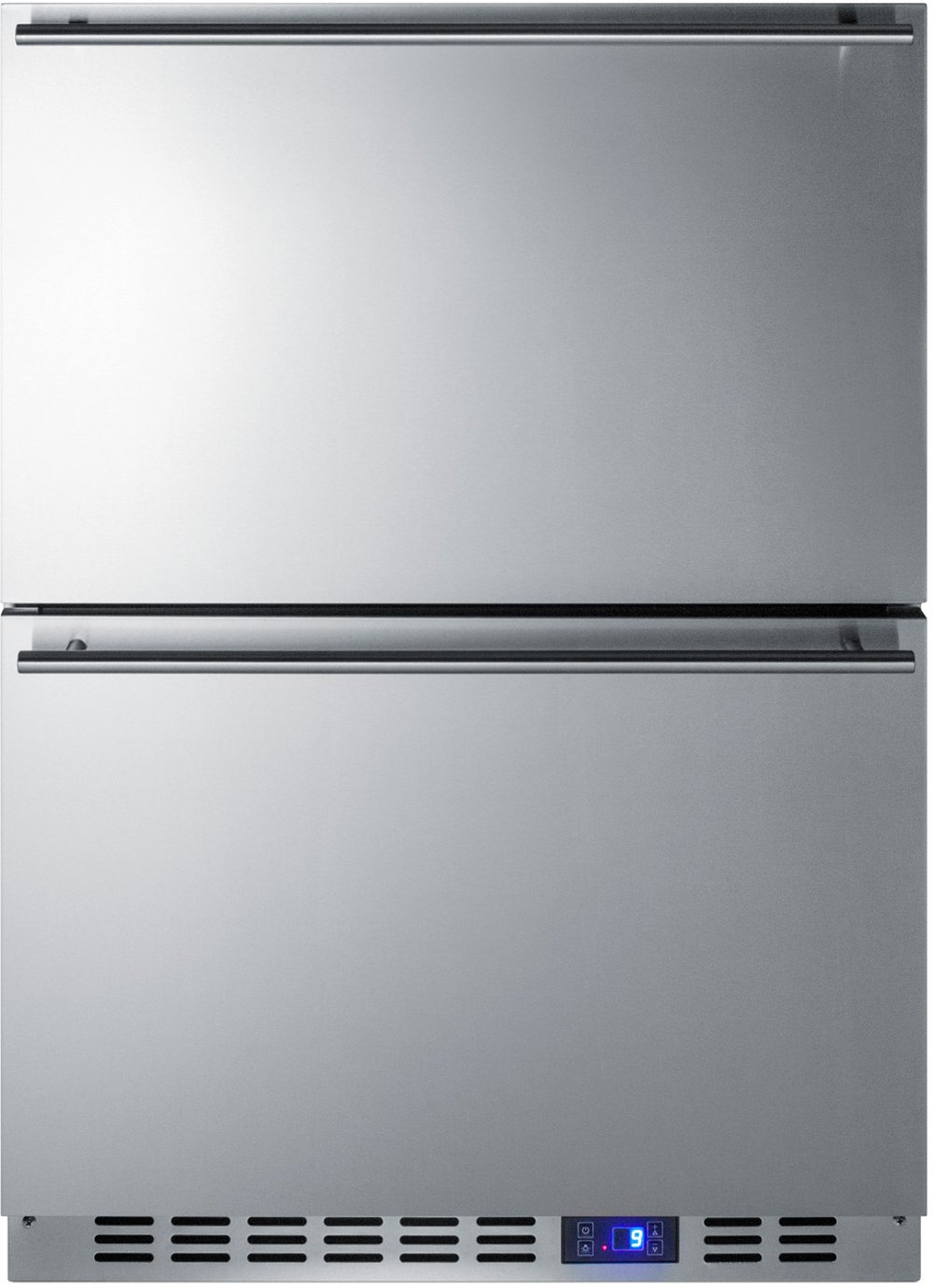
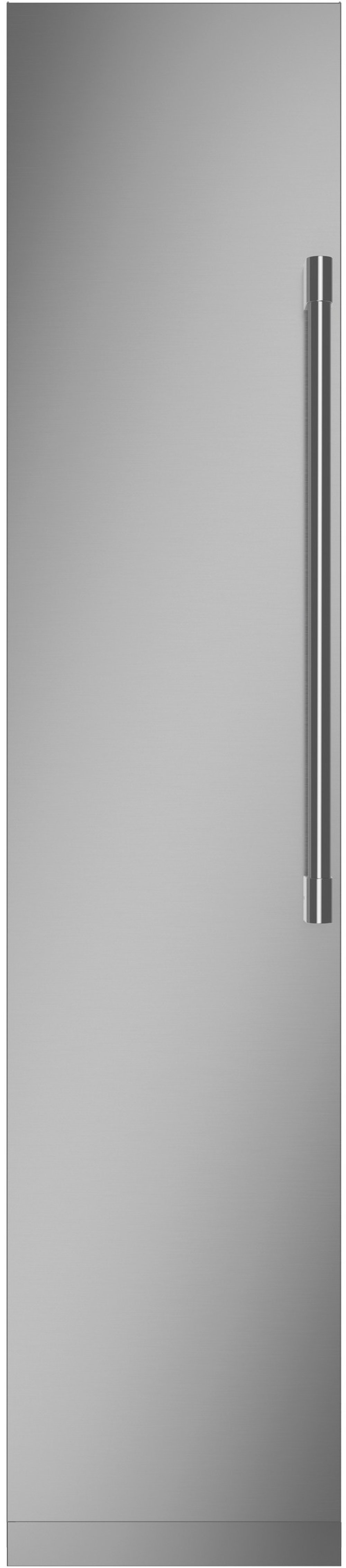
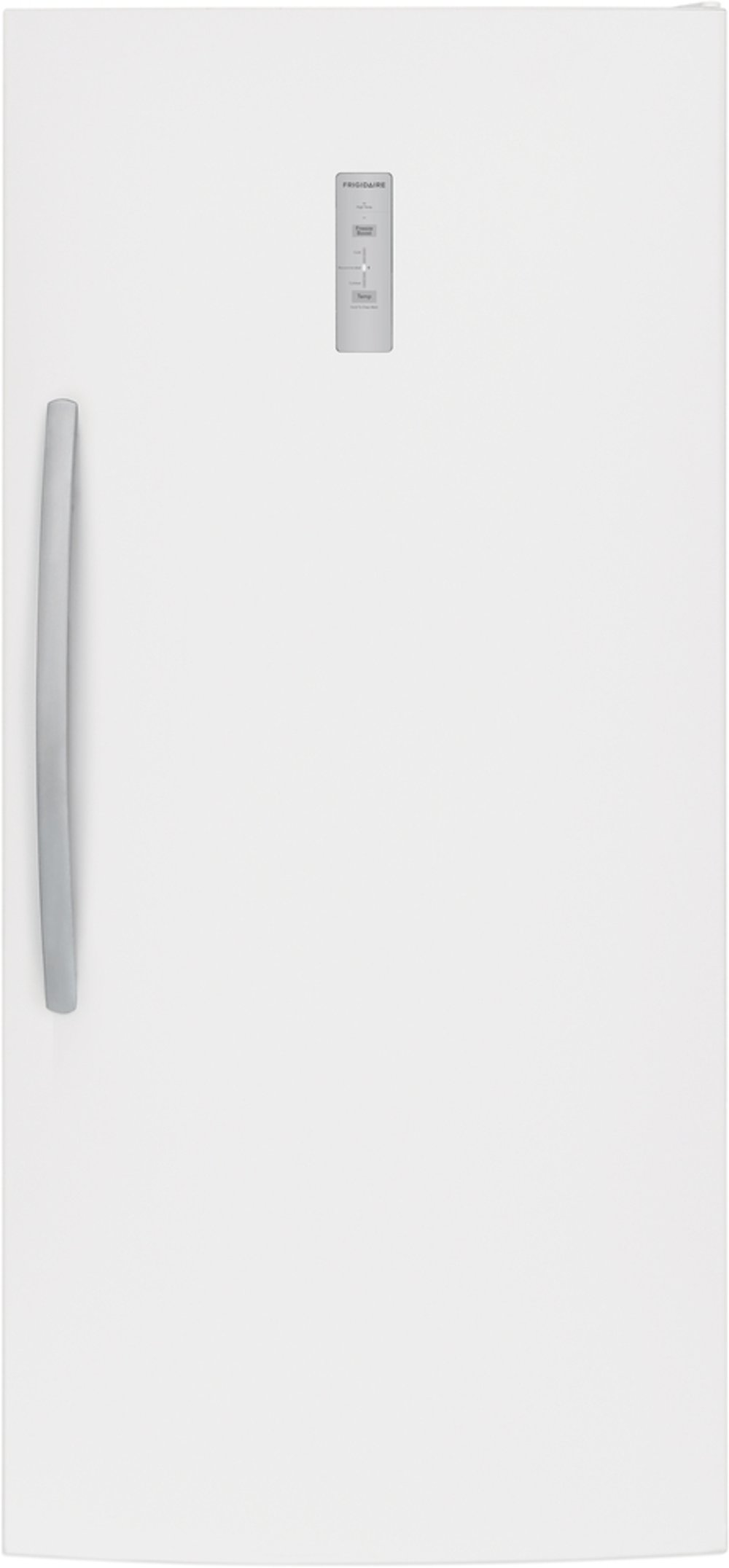
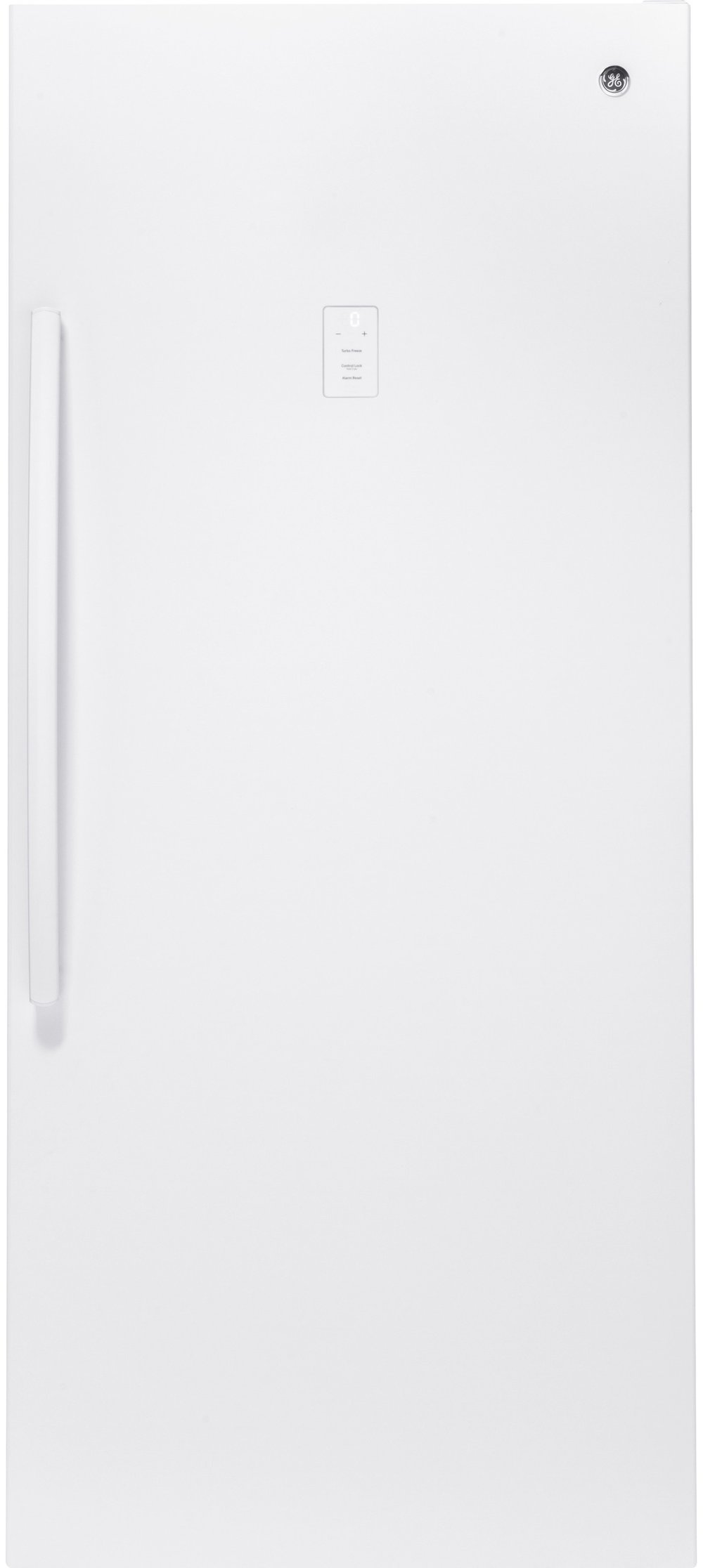
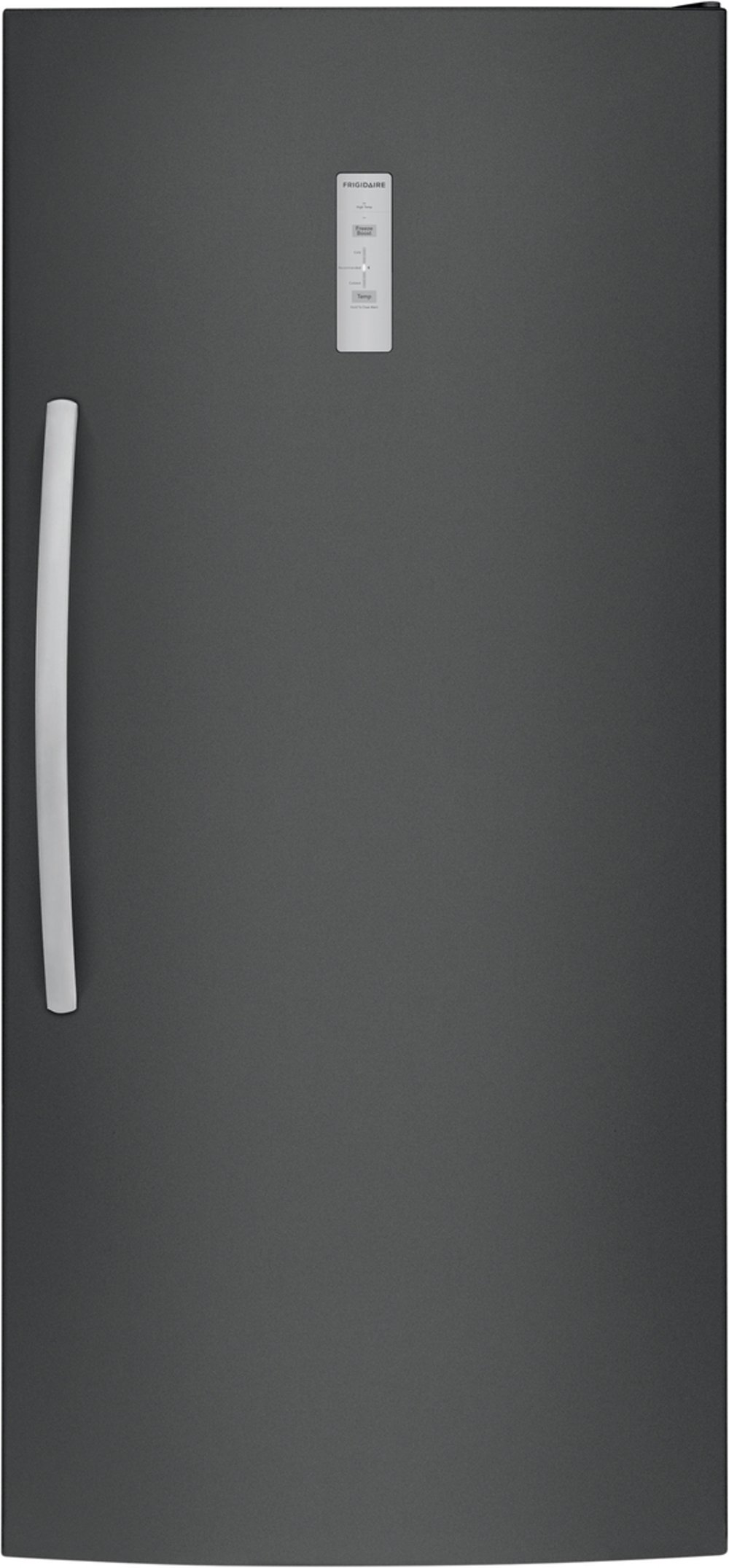
Small freezers give you dedicated frozen-food storage without the footprint of a full-size appliance. They’re a practical fit for apartments, smaller homes, shared living spaces, and households that need a little more room than a refrigerator freezer can provide. Compact capacities often start around 1 cubic foot, with options in the 3- to 5-cubic-foot range offering more space for everyday groceries and prepared meals. The term “small” covers different dimensions and layouts, so capacity alone doesn’t tell you how a freezer will fit into your home. A narrow upright freezer and a low chest freezer can hold similar amounts of food while using floor space very differently. Small upright freezers have a front-opening door and typically use shelves, drawers, or door compartments to separate food. That layout makes it easier to spot a bag of blueberries, pull out a single lunch portion, or keep frozen vegetables within reach. Small chest freezers open from the top and have a deeper storage compartment that accommodates stacked containers, larger cuts of meat, and bags of frozen produce. Removable baskets, when included, help keep frequently used food above the deeper layers. For someone cooking for one or two, a compact freezer can make batch cooking more manageable: a pot of soup becomes several labeled meals rather than a crowded refrigerator shelf. For a family, it can give breakfast waffles, smoothie ingredients, and dinner staples their own space instead of leaving them wedged around an ice maker. A small freezer can also work in an office break room or a dorm where appliance rules allow it, although the unit’s dimensions, electrical requirements, and placement restrictions still matter. The most useful size is one that comfortably holds the food you actually freeze, with an interior layout that makes that food easy to find and use.
The choice between a small chest freezer and a small upright freezer often comes down to access, organization, and the space around the appliance. An upright design keeps food visible at several levels, which can be especially helpful when you reach for individual portions throughout the day. Check the shelf spacing against the containers you use most; a stack of shallow meal-prep boxes needs a different arrangement than tall containers or bulky frozen dinners. Adjustable or removable shelves can add flexibility, but their placement and load limits vary. A chest design suits households that freeze larger quantities and don’t mind organizing food in layers. Grouping poultry, vegetables, and prepared meals in separate freezer-safe bins can keep the bottom from becoming a jumble, while a top basket gives small packages a convenient landing spot. Chest freezers tend to retain cold air well when opened, but reaching the lowest items requires bending and lifting. Consider who will use the freezer and how comfortably that person can reach inside. Before choosing a location, measure the appliance space, the delivery path, and the clearance needed to open the door or raise the lid fully. Leave the ventilation space specified by the manufacturer rather than assuming a compact freezer can sit flush against a wall or inside a cabinet. Most freestanding freezers aren’t designed for enclosed installation. If cabinetry integration is the goal, built-in freezers are designed for that type of placement, subject to their individual installation requirements. A level, dry location with a properly grounded outlet and convenient access makes everyday use easier. Follow the electrical instructions, including any requirement for a dedicated circuit, and avoid extension cords. For garage placement, choose a freezer specifically rated for the garage’s expected ambient temperature range; a compact size doesn’t automatically make an appliance garage-ready. Also consider operating sound when placing a freezer near a desk, sleeping area, or frequently used sitting space. Compressor and fan noise may be more noticeable in a quiet room than in a utility area.
Construction and maintenance details make a difference in how a small freezer handles regular use. Many units pair a painted metal exterior with a smooth interior liner, while storage components may include coated wire shelves, plastic drawers, or removable baskets. Look for surfaces that are easy to wipe clean and storage pieces that feel sturdy enough for the way you load groceries. Strong hinges, a well-fitting door or lid, and an intact gasket all support dependable everyday operation. Keep heavy packages within the stated shelf and basket weight limits, and avoid forcing an overfilled compartment closed. Defrost type is another important consideration. Many compact freezers use manual defrost, which means frost needs to be removed periodically according to the manufacturer’s instructions. A drain can simplify that task, particularly in a chest freezer, but its position affects how easily you can collect the water. During defrosting, transfer food to suitable cold storage, unplug the freezer as directed, and allow ice to melt without sharp tools that could damage the liner or refrigerant tubing. Frost-free models reduce the need for manual defrosting, though that feature varies by appliance. For routine care, wipe spills promptly, clean the gasket gently, and keep ventilation openings unobstructed. An appliance thermometer helps confirm that the freezer maintains 0°F or below, the recommended temperature for frozen-food storage. Airtight, freezer-safe packaging helps limit moisture loss and freezer burn, while flat-packed portions stack neatly and thaw more conveniently later. Label packages with their contents and freezing dates, and place older food where it’s easy to reach. When comparing energy use, check the EnergyGuide label’s estimated annual electricity consumption rather than assuming the smallest exterior means the lowest consumption. The right compact freezer balances usable capacity, practical access, and manageable upkeep. Whether it holds a few ready-to-heat dinners or a separate supply of frequently used ingredients, it should make your kitchen routine feel more organized, with less digging through packages and more room for the foods that suit your household.
Read More