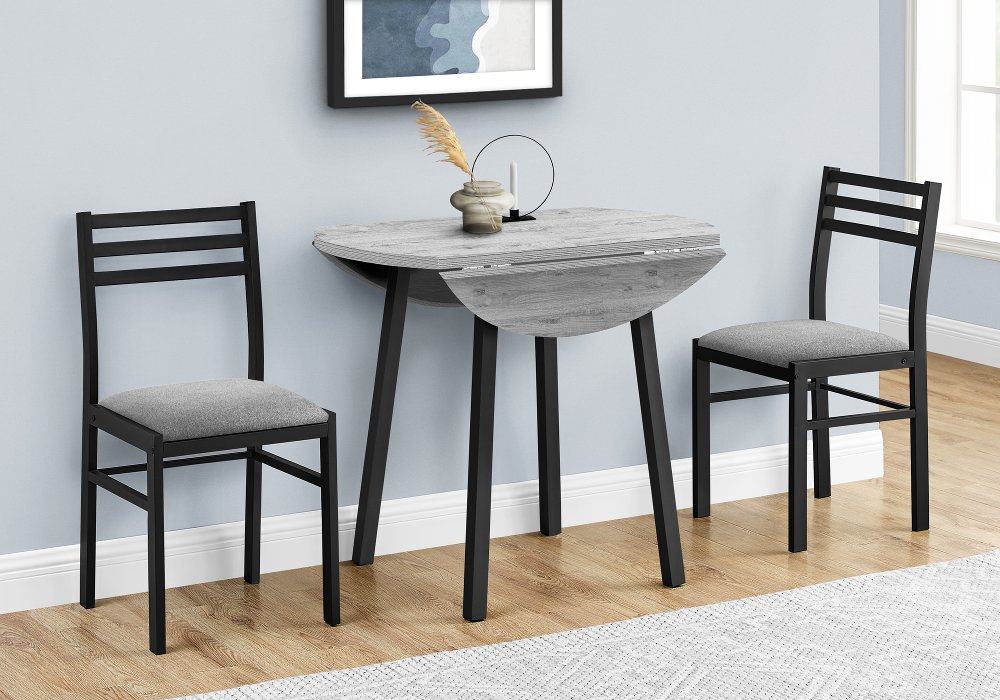
Small kitchen ideas work best when space-saving furniture, vertical storage, and compact appliances support the way a household actually cooks and gathers. A kitchen doesn’t need a large footprint to feel comfortable, but every piece needs a clear purpose. In an apartment, condo, or smaller home, furniture that handles more than one job can make room for everyday routines without crowding the floor. A kitchen cart can provide an extra work surface, hold cookware below, and move aside when someone needs access to a drawer. Locking casters help keep a movable piece steady during appropriate everyday tasks, while a fixed island may suit a kitchen with a dedicated central workspace. The important measurement isn’t just the furniture’s width; it’s the space left around it. Refrigerator doors, oven doors, drawers, and nearby seating all need room to open or move without blocking a walkway. A narrow island may look like a perfect fit until an open dishwasher takes up the same stretch of floor. Dining furniture deserves the same attention. Drop-leaf and extendable tables offer flexibility for meals, homework, or occasional guests, provided there’s enough clearance when fully opened. Backless stools can tuck beneath a compatible counter, while chairs with supportive backs may feel better for longer meals. Seat height should match the eating surface, with comfortable space for knees and legs beneath the apron or countertop. Round tables can soften tight corners, and pedestal bases may give chairs more flexibility, though the base still needs to accommodate everyone’s feet. Open-leg designs leave more of the floor visible, helping a compact room feel less crowded. For someone furnishing a first home or downsizing from a larger one, a few versatile pieces often serve daily life better than several pieces with overlapping jobs. The goal is a kitchen where groceries can land, dinner can come together, and another person can pass through comfortably.
Storage makes a noticeable difference when it matches both the room and the belongings inside it. Tall, shallow cabinets can use vertical space without projecting as far into a walkway, while deeper storage may better accommodate larger cookware or small appliances. Exploring kitchen cabinets for small spaces can help bring those proportions into focus, especially when adjustable shelves, drawer access, and door clearance matter as much as overall capacity. A shelf that adjusts to the height of mixing bowls is more useful than a fixed opening that leaves several inches unused. Full-extension drawers can improve access to the back, though hardware specifications and load limits vary. Closed cabinets give busy kitchens a calmer appearance by keeping everyday supplies out of sight. Open shelving keeps frequently used dishes easy to reach and can make an otherwise blank wall useful, but exposed surfaces collect dust and cooking residue. A balance of open and closed storage often feels practical rather than overly styled. Wall-mounted shelving and hanging storage also need suitable anchors, appropriate weight limits, and placement that keeps walkways and cooking areas clear. Renters should confirm permission before making permanent changes. Materials deserve equal attention because kitchen furniture encounters splashes, crumbs, and frequent wiping. Solid wood brings natural grain and can develop character with use, but standing water and harsh cleaners can damage its finish. Wood veneer offers a real-wood surface over a supporting core and benefits from gentle cleaning rather than aggressive scrubbing. Laminate surfaces are often easy to wipe clean, while edges and seams still need protection from prolonged moisture. Metal frames can provide a sturdy, streamlined structure, although their finishes also require manufacturer-recommended care. Across materials, secure joints, stable bases, smooth drawer movement, and hardware suited to repeated use matter more than appearance alone. A butcher-block-style surface adds warmth, but direct food preparation is appropriate only when the surface and finish are intended for it. Protective mats, cutting boards, and prompt spill cleanup help preserve furniture through everyday meals and larger cooking projects.
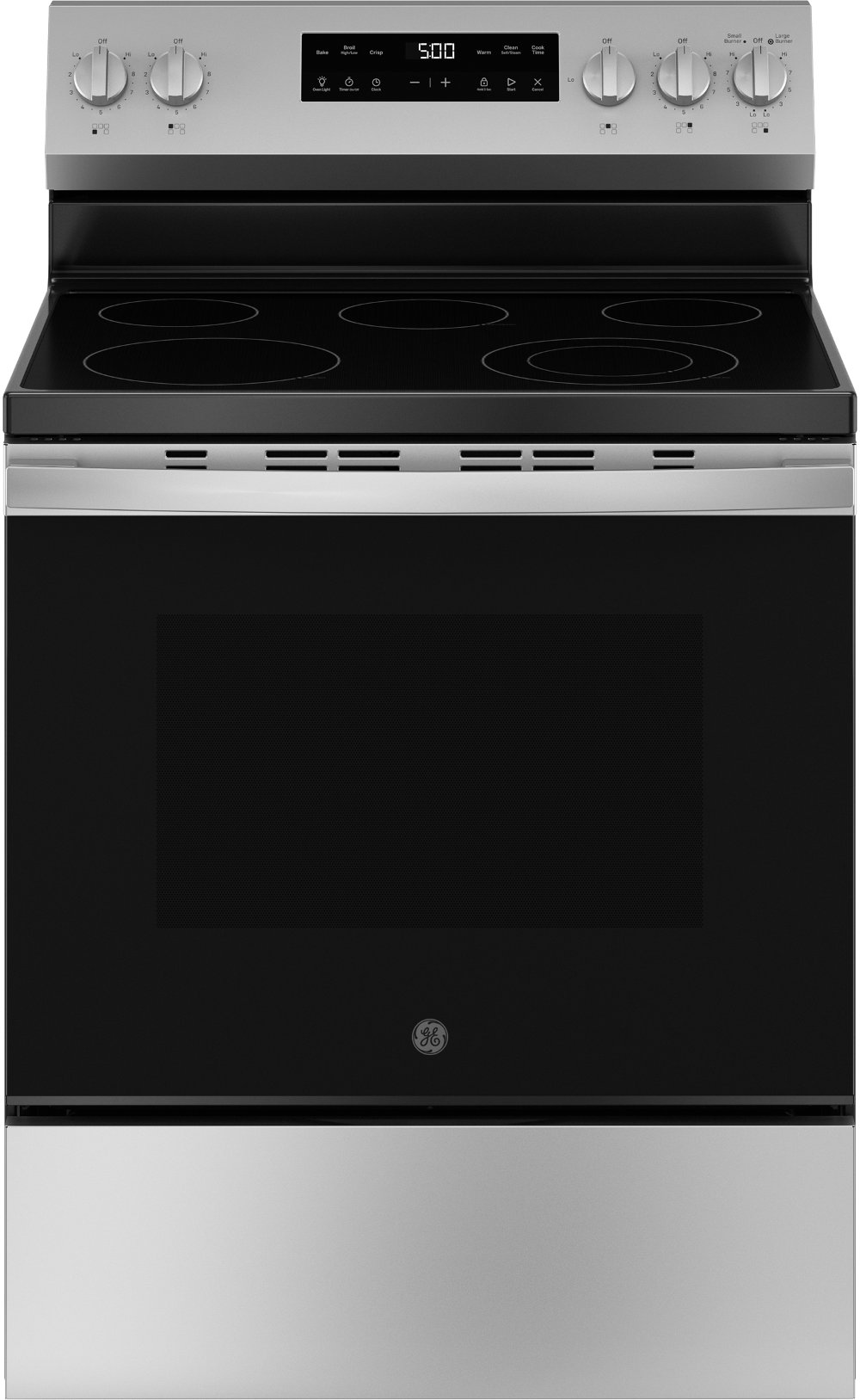
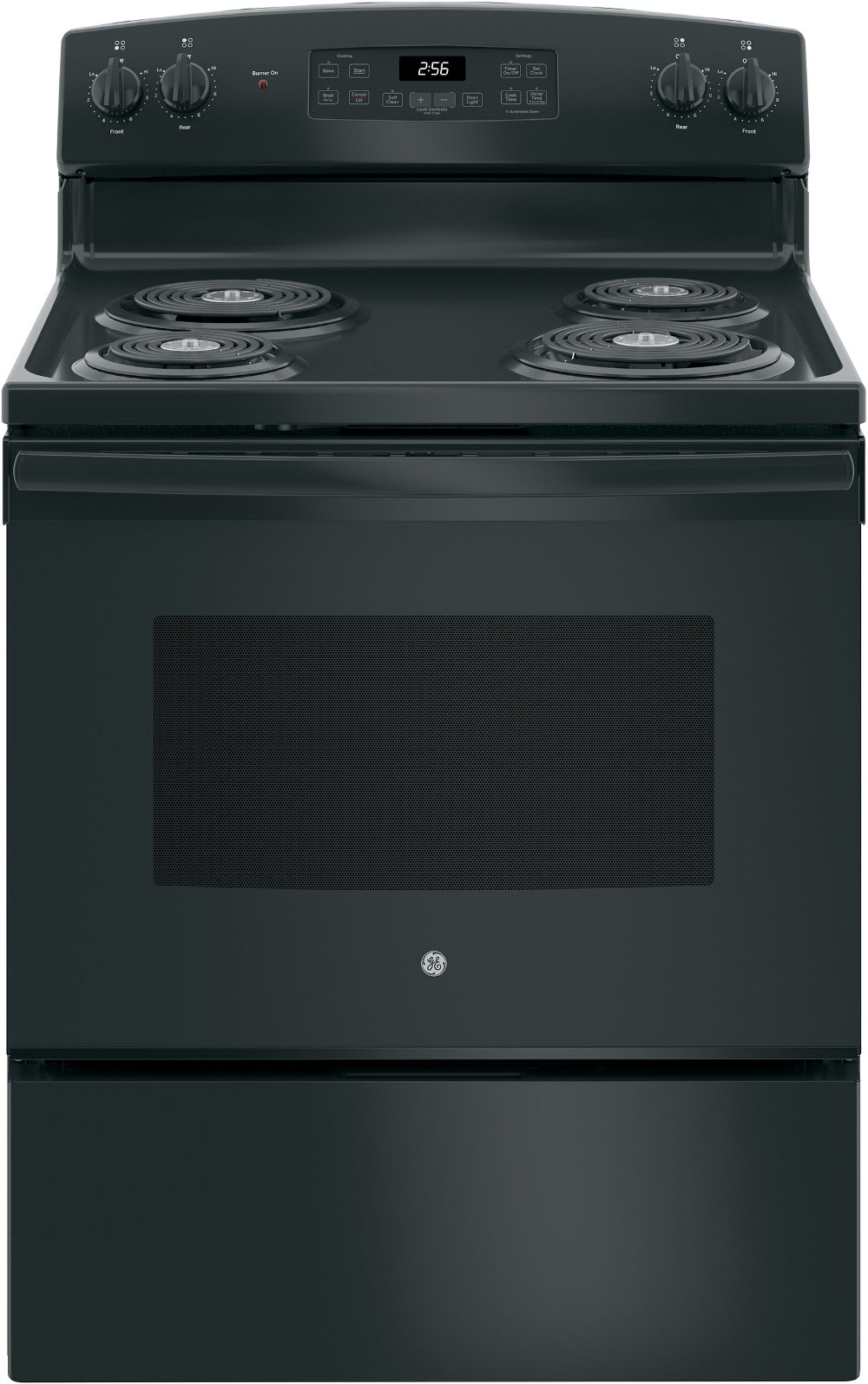
Compact kitchen appliances and thoughtful lighting can make the remaining workspace more useful without filling every available inch. Smaller dimensions alone don’t guarantee a good fit: an appliance also needs the capacity, ventilation, electrical connection, and operating clearance required for its intended use. A refrigerator that fits between cabinets still needs room for its doors to open far enough to access interior drawers. A countertop appliance may fit beneath a shelf when stored but require more clearance during operation. Manufacturer instructions should determine those details, especially around heat, steam, and nearby finishes. For a household that cooks most meals at home, dependable storage and preparation capacity may matter more than having several appliances that perform similar tasks. For someone who mainly prepares quick breakfasts and simple dinners, a more streamlined setup may leave valuable counter space open. Keeping a usable stretch of counter between essential work areas makes it easier to rinse produce, set down a cutting board, or plate a meal without repeatedly moving things aside. Lighting helps that workspace function well, too. Under-cabinet lighting can illuminate preparation surfaces that overhead fixtures leave in shadow, while appropriately scaled ceiling or pendant lighting provides broader illumination without visually overwhelming the room. Reflective finishes and glass details can help distribute available light, although glossy surfaces may show fingerprints more readily than matte finishes. A consistent palette across furniture and storage can create a cohesive look without requiring every finish to match exactly. Pale wood, painted surfaces, and restrained metal accents can sit comfortably together when their proportions suit the space. Washable chair surfaces, accessible cabinet shelves, and removable organizers also make routine cleanup simpler. The most useful small kitchen furniture supports ordinary moments: reaching a favorite mug without shifting a stack of bowls, pulling up a seat for breakfast, or clearing the counter after dinner. With well-proportioned pieces and storage that reflects daily habits, a compact kitchen can feel welcoming, organized, and ready for regular use.
Read More