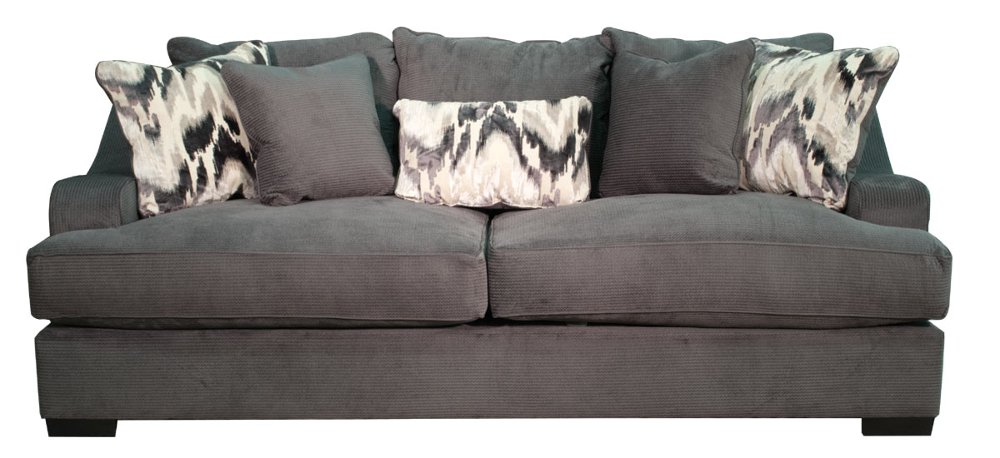
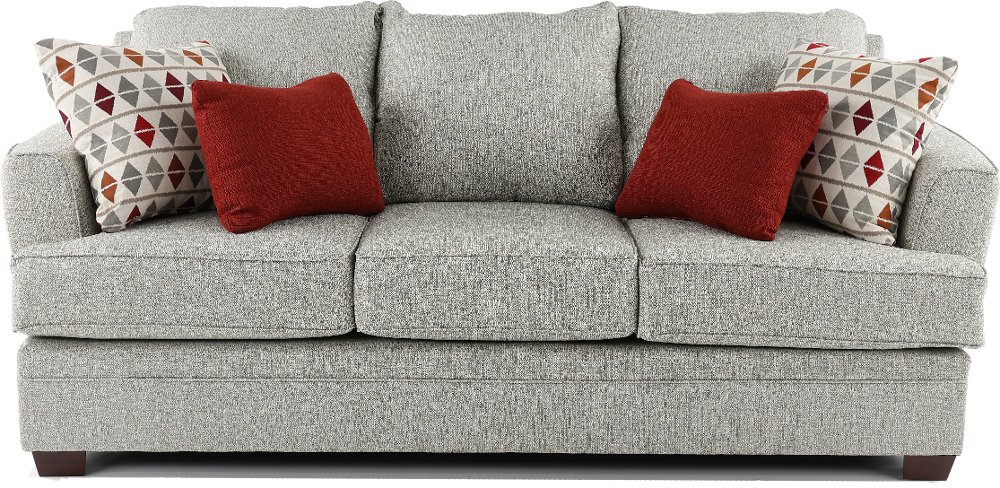
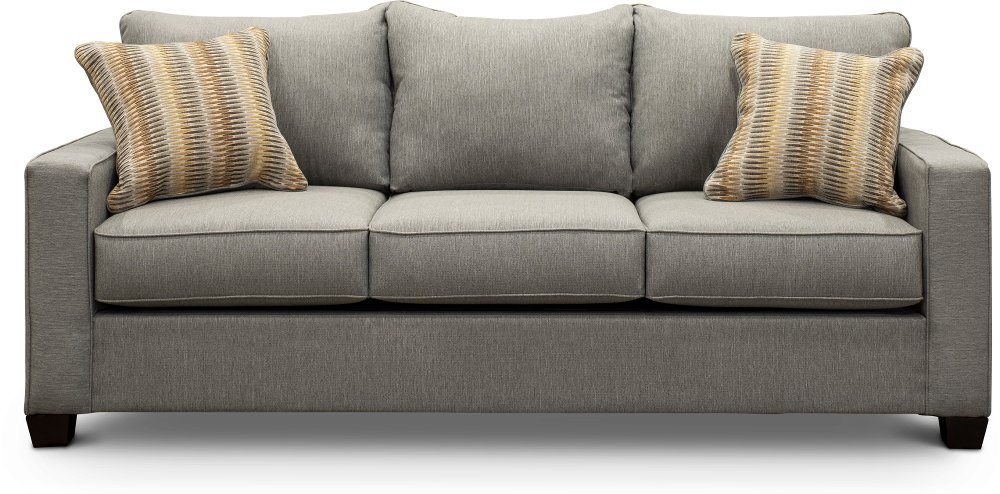
Small modern sofa beds combine compact everyday seating with a sleeping surface that opens when someone stays overnight. Their appeal is practical: one piece of furniture can make a studio apartment, small living room, or home office more useful without dedicating the entire room to a bed. A loveseat-sized sleeper can give you a comfortable place to read between visits, while a streamlined convertible sofa can turn a workspace into a welcoming guest room after the laptop closes. Modern styling often includes straight arms, simple upholstery, restrained stitching, and exposed legs that leave more of the floor visible. These details can help a furnished room feel less crowded, although the actual measurements matter more than the appearance alone. A sofa’s width tells you whether it fits along a wall; its closed depth and fully extended dimensions show how it will work within the room. The sleeping surface may extend forward, or the backrest may need clearance behind the frame, depending on the conversion mechanism. Space for walking around the open bed, reaching a door, and moving a coffee table also belongs in that calculation. In a narrow apartment, a compact frame with slim arms can leave more usable seating space than a similarly sized sofa with thick, rounded arms. The mattress or sleeping-surface dimensions deserve a separate look, since a small sofa’s outside measurements don’t establish whether it can comfortably accommodate one adult or two. Delivery access matters, too, especially with tight stair turns, elevators, and narrow doorways. For a room with warm wood accents or vintage-inspired furniture, Mid Century Modern Sofa Beds offer a related style direction, often associated with tapered legs and clean silhouettes. The right proportions let a compact sleeper belong in the room as a sofa first, with its second purpose ready when needed.
The way a sofa bed converts affects both its everyday feel and the experience of sleeping on it. Pull-out sleeper sofas generally hold a separate mattress within the frame, beneath the seat cushions. This arrangement separates the seating cushions from the sleeping surface, though it also requires room in front of the sofa for the extended bed. Click-clack sofa beds use a reclining backrest that folds into a flatter position, while other convertible designs use unfolding sections or sliding platforms. These approaches can make setup straightforward, but the sleeping surface may include cushion seams or changes in firmness. The distinction matters when an overnight guest is tall, sleeps on their side, or needs more cushioning at the shoulders and hips. Seat comfort and sleep comfort aren’t interchangeable: a supportive cushion for sitting upright may feel quite firm over a full night. Mattress thickness, foam composition, spring support, and the structure underneath all influence the sleeping experience, and no single material guarantees comfort for every person. For occasional visitors, convenient conversion and comfortable seating may carry the most weight. When the bed will see frequent use, the quality of the sleeping surface, ease of opening, and manufacturer’s intended-use guidance become especially important. Frame construction also deserves attention in a piece that moves between two configurations. Solid wood, furniture-grade plywood, and metal can all contribute to a sturdy structure when the joints and supports are well designed. Smoothly operating hinges, stable legs, and secure locking positions help the sofa feel dependable during normal use. Cushion resilience matters just as much for everyday seating; firmness describes how a cushion feels, while its materials and construction affect how well it retains its shape. Weight limits should come from the manufacturer rather than assumptions based on the sofa’s size. A compact sleeper in a first apartment might serve as the main couch every evening, while the same size in a spare room may mostly host visiting relatives. Those different routines call for different priorities, even when the desired look is equally simple and modern.
Upholstery gives small sleeper sofas much of their character, but it also determines how they fit into daily life. A smooth, tightly woven fabric can suit a household where the sofa gets steady use, while a textured weave adds visual depth to a room with plain walls and simple furniture. Some performance fabrics offer stain resistance or easier cleaning, but those features vary by fabric and don’t mean a surface is stainproof or immune to pet scratches. In a home with children or animals, specific care instructions and information about abrasion resistance can be more useful than a broad durability claim. Leather offers a different look and feel, with care needs that depend on its finish; bonded leather and other leather-like coverings shouldn’t be assumed to behave the same way. Color is another practical choice. A light neutral can keep a small seating area visually quiet, while a medium gray, muted blue, or warm brown can give the sofa definition against pale walls. Pattern and texture may soften the appearance of everyday marks, though they don’t replace cleaning. Regular vacuuming along seams and beneath removable cushions helps clear crumbs and dust, and spills need attention using the method specified for the upholstery. Some fabrics permit water-based cleaning, others require solvent-based products, and delicate materials may need professional care. Removable covers are washable only when their instructions say so. The bed function has its own upkeep: bedding should be dry before storage, and sheets or blankets should stay clear of hinges and moving parts. A suitable mattress protector can help protect a separate sleeper mattress, provided it doesn’t interfere with folding or closing. Nearby storage for pillows and linens keeps an office or living room easy to reset after a visit. With room for the open bed and a clear path beside it, a small modern sofa bed can support both ordinary evenings at home and a comfortable place for someone to stay.
Read More