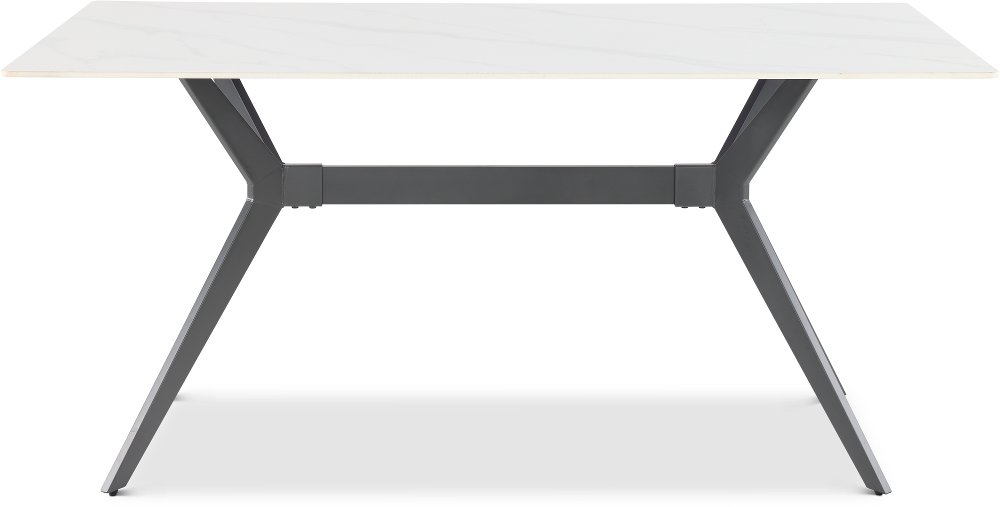
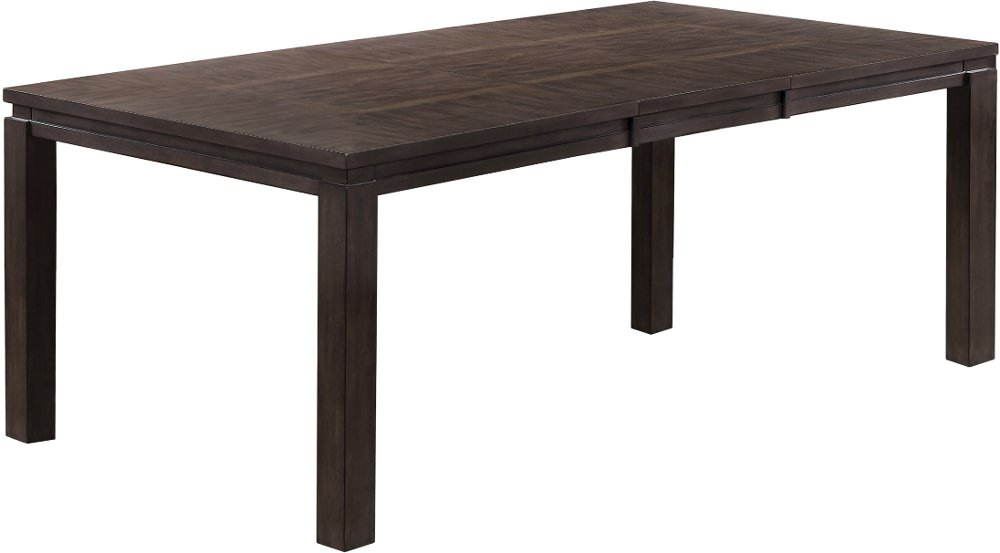
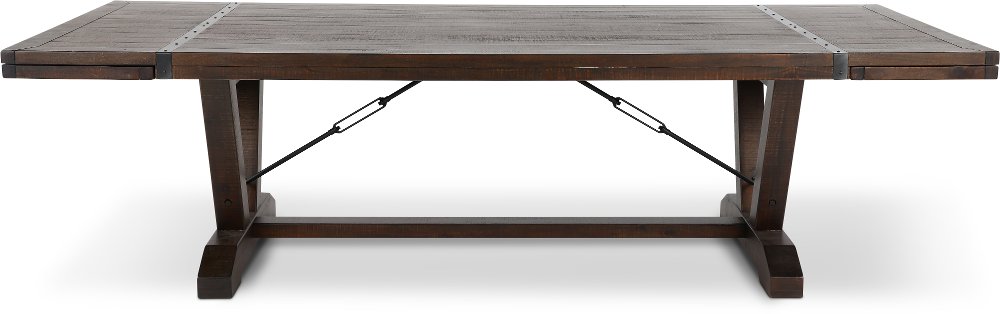
Small rectangular dining tables give everyday meals a comfortable place to land without asking a compact room to do too much. Their straight edges work naturally with the lines of kitchen cabinets, apartment walls, and narrow dining areas, helping create a defined eating space even when the surrounding room serves several purposes. A table for two can turn an unused stretch of an eat-in kitchen into a spot for breakfast, while a slightly longer design can accommodate a small household for dinner, homework, or a board game. The right fit depends on more than how much floor space the tabletop covers. Chairs need room to pull out, and people need a clear path past anyone who’s seated. As a starting point, allow about 36 inches between the table edge and a wall or nearby furniture, with more space where people regularly walk behind the chairs. Measure with cabinet doors, appliances, and nearby entryways in mind, too. A table that looks tidy with every chair tucked in may feel crowded when someone opens the dishwasher. Many compact rectangular tables fall around 36 to 48 inches long, though dimensions and seating capacity vary considerably. Allowing roughly 24 inches of table edge per person can help you picture elbow room, but chair width and leg placement also affect comfort. Painter’s tape on the floor makes it easier to see how a potential footprint will sit in your room before committing to a size. If one long edge will sit against a wall, plan seating around the accessible sides rather than assuming every side can be used. For a broader look at compact shapes and layouts, explore small dining tables alongside rectangular designs. A rectangle is especially useful when you want a clear arrangement of facing seats, a surface that follows a narrow room’s proportions, or a dining area that feels distinct from the sofa just a few steps away.
Materials influence both the appearance of a small rectangular dining table and how it handles daily life. Solid wood brings natural grain and variation, with a warmth that suits everything from painted kitchen cabinetry to upholstered dining chairs. Depending on its finish and construction, it may develop small marks over time or allow for refinishing later. Wood also responds to changes in indoor humidity, so keeping conditions reasonably consistent and following the manufacturer’s care instructions helps protect it. Wood veneer offers a real-wood surface over a supporting core and can provide attractive grain patterns, but its thinner top layer requires care because deep sanding may damage it. Laminate surfaces often make practical choices for busy eating areas thanks to their straightforward cleanup, although resistance to heat, scratches, and moisture depends on the particular material and construction. Glass tops can keep a tight dining nook feeling visually open, but fingerprints, crumbs, and streaks tend to show. Look for glass intended for dining-table use, and protect its edges from hard impacts. Metal bases can add a clean, streamlined look; their stability depends on the quality of the frame and connections, not simply the material itself. Whatever surface you prefer, coasters, placemats, and trivets help separate the finish from condensation, plate edges, and hot serving dishes. Wipe up spills promptly with a soft cloth, use cleaners approved for the surface, and avoid leaving a wet cloth or damp placemat on the tabletop. For a table that doubles as a homework station, a protective desk mat can keep pencil marks and crafting supplies away from the finish. Durability also comes from the details underneath: secure joints, well-supported legs, and hardware that stays properly tightened. Adjustable floor glides, when included, can help address a slight wobble on an uneven floor. A little attention to these details matters when the table gets used several times a day rather than only for sit-down dinners.
The base and seating deserve just as much consideration as the top, especially when every inch counts. Legs positioned near the corners may leave a useful stretch of seating space between them, but they can also limit how wide a chair will tuck beneath the table. A trestle or pedestal-style base changes where feet can rest, so check the position of supports rather than judging legroom from a photo of the tabletop alone. An apron beneath the surface can affect knee clearance and prevent chair arms from sliding underneath. Standard dining-height tables generally measure about 28 to 30 inches tall, but the best match still depends on the chair’s seat height and the space below the apron. Armless chairs often tuck in neatly, while a bench may suit one side of a narrow dining nook if its dimensions clear the table legs. Keep in mind that a bench against a wall can require people to slide along the seat to get in and out. For a first apartment, a compact rectangular kitchen table can serve as a dependable everyday surface without overwhelming an open floor plan. For someone downsizing, it can preserve the pleasure of a proper dining spot while leaving more room to move around. A leaf or extension can offer flexibility for occasional guests, provided there’s enough floor space for the expanded table and extra chairs; check how the mechanism operates and where a removable leaf will be stored. Style can stay simple. A light finish and slim legs may feel less visually bulky, while a darker finish can give a small dining area a stronger focal point. Softly eased corners can make close quarters more comfortable than sharp edges. Leave enough open tabletop for actual meals rather than filling the center with oversized decor. When the size, seating, and surface suit your routine, a small rectangular dining table can feel generous where it matters: a comfortable place to sit, share food, and spend time together.
Read More