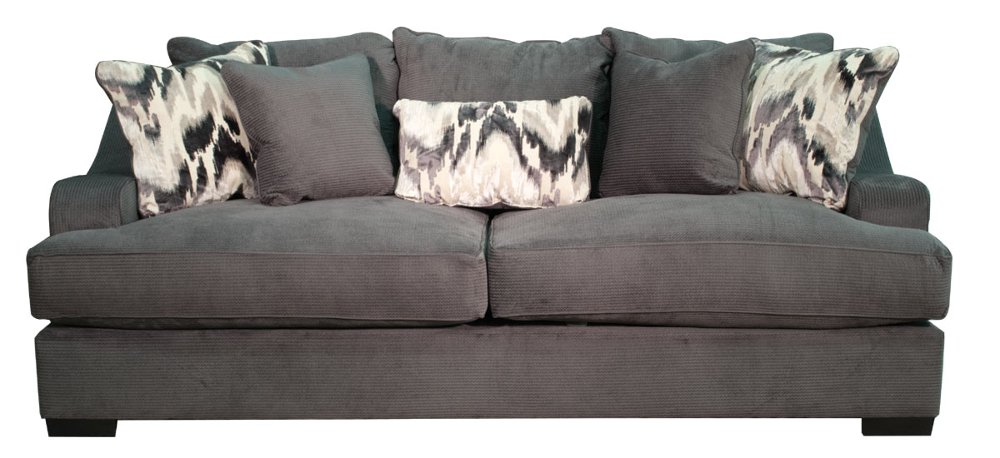
Choosing a sofa for a dorm room means finding the right balance between comfort, scale, and everyday practicality. A well-chosen dorm sofa can turn a bare corner into a welcoming place to read, stream a favorite show, visit with friends, or take a break between classes. Since dorm rooms often combine sleeping, studying, dining, and relaxing in one compact space, look for seating that feels comfortable without overwhelming the room. Compact sofas, loveseats, futons, and other apartment-size designs can provide the comfort of a larger living room piece while leaving room for a desk, bed, storage, and a clear walking path. Before choosing, measure the available area carefully, including the distance between the walls, bed, desk, and doorway. It also helps to measure elevators, stairwells, residence hall entrances, and any tight turns along the delivery route. A sofa that fits beautifully beside a dorm bed still needs to make it through the building. Lightweight construction, removable legs, compact packaging, or a design that separates into manageable sections can make moving in and moving out much easier. This is especially helpful for students who change housing between school years or bring furniture home during extended breaks. For students living in a shared suite, a small sofa can create a comfortable common area without taking over the entire room. It gives roommates a natural place to gather and helps transform an institutional space into something that feels personal and lived in. Students furnishing an off-campus apartment, first home, or temporary rental may also appreciate the same space-conscious proportions. For more ideas that work well in compact student spaces, explore Small Furniture For Dorm Rooms.
The best sofa for a dorm room depends on how the space will be used throughout the day. If the room mainly needs a cozy seat for reading or relaxing, a compact upholstered sofa with supportive cushions may be all that’s needed. If friends often stay overnight, a futon or sleeper-style design can provide an additional place to sleep without requiring a separate guest bed. This multifunctional approach makes good use of limited square footage: one piece supports studying with a laptop, lounging after a long day, and hosting a visiting friend. When comparing options, pay attention to seat depth, cushion firmness, arm width, back support, and the height of the sofa. A deeper seat may feel inviting for lounging, while a shallower profile can make a narrow room feel more open and easier to move through. Sofas with raised legs can create a lighter visual look and may make cleaning beneath the furniture simpler. Upholstery also deserves practical attention. Dorm life can bring coffee, takeout, craft supplies, muddy shoes, and plenty of impromptu gatherings, so durable fabric and easy-care surfaces can be valuable. Neutral upholstery blends easily with bedding, rugs, and colorful accessories, while a richer tone can add warmth to a room that needs personality. Removable or reversible cushions may make routine care more manageable, and a throw blanket can add softness during cooler months while giving the room an easy seasonal refresh. A sofa can also help define separate zones in a shared room: place it along a wall to create a lounge area, or use it to visually distinguish the relaxation space from a desk or sleeping area. Keep enough clearance around doors, drawers, and closet openings so the room stays functional rather than crowded.
Dorm room sofas also make thoughtful gifts for students preparing for campus life, especially when several family members want to contribute something useful and lasting. A parent, grandparent, sibling, or family friend might choose a compact sofa as a housewarming-style gift for a first dorm, a new apartment, or a student moving into a suite. It can be a particularly meaningful addition to an otherwise unfamiliar room, offering a comfortable place to call home after the boxes are unpacked. When giving a sofa, confirm the residence hall’s furniture rules, available dimensions, delivery requirements, and any restrictions on upholstery or sleeper mechanisms before purchasing. It’s also worth checking whether the student has a roommate and how shared furniture decisions will be handled. A smaller sofa may be the most considerate choice when floor space is shared, while a sleeper design can be useful for visitors if the room permits it. During the cooler months, a comfortable sofa becomes a natural landing place for reading, video calls, board games, and relaxed conversations after a busy day. Add a compact side table or floor lamp if space allows, keeping cords and walkways organized for safety. A small rug can soften the room and help anchor the seating area, while pillows in school colors or favorite patterns can bring in personality without making a permanent change to the walls. The goal is simple: choose seating that fits the room, supports the student’s routine, and feels welcoming from the first visit through the end of the school year. With thoughtful measurements, durable materials, and a practical design, sofas for dorm rooms can make limited space more comfortable, flexible, and distinctly their own.
Read More