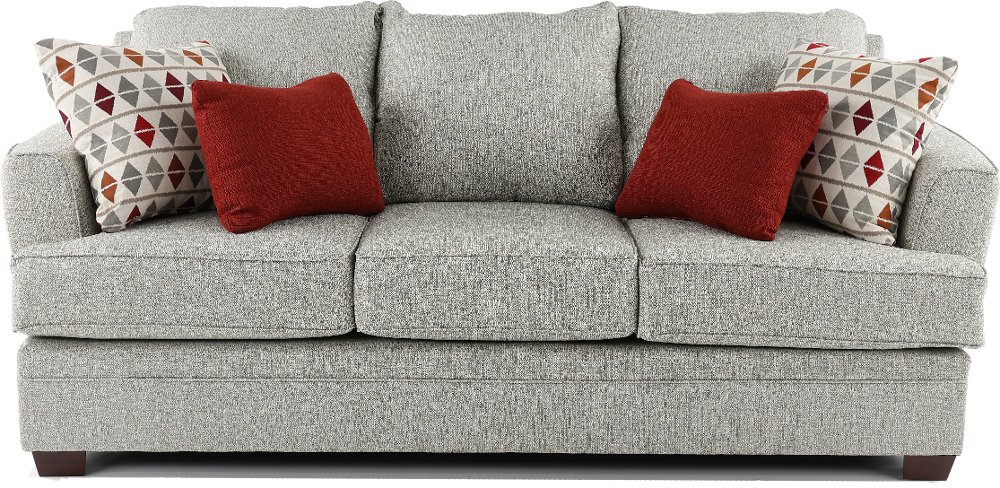
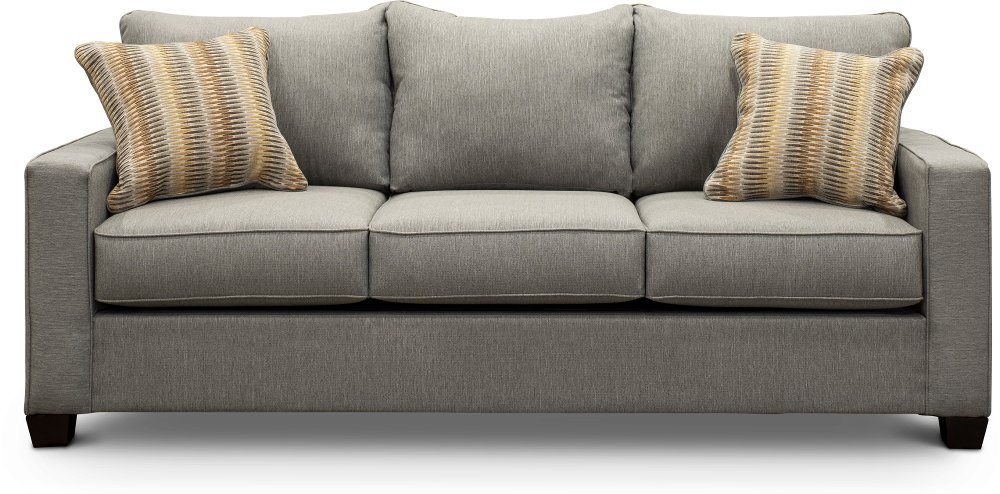
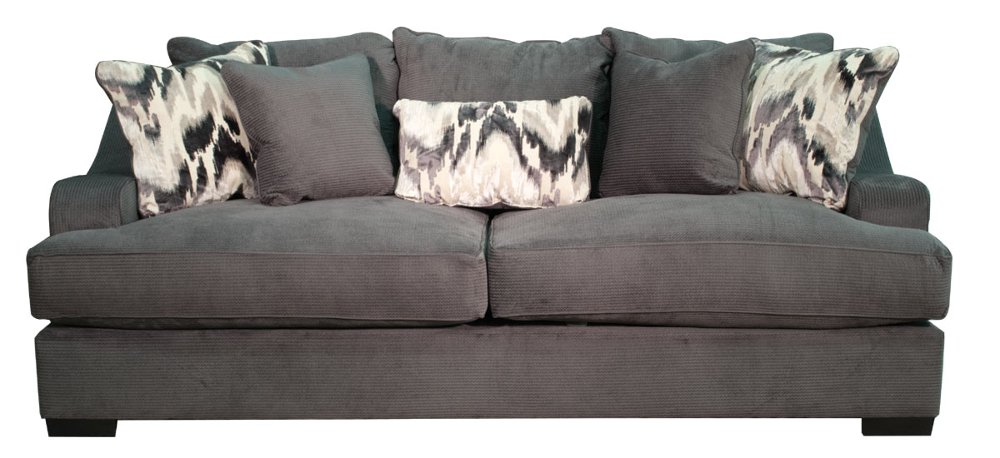
Sofas for playrooms give kids a comfortable place to read, settle in for a movie, or take a break from a floor covered in building blocks. The best fit balances comfortable seating, easy cleanup, and enough open space for the way your family plays. A small upholstered sofa can anchor a reading corner without taking over the room, while a full-size couch offers space for siblings to stretch out and an adult to join story time. Modular foam play couches serve a different purpose: Their separate pieces can become seating, low lounging spots, or imaginative play structures when those uses are supported by the manufacturer. Traditional sofas are better suited to everyday sitting and shared relaxation, especially in playrooms that double as family hangouts. Seat height makes a noticeable difference for younger children, who may find a lower seat easier to get onto independently. Adults and older kids often appreciate a more supportive seat with enough depth to relax without feeling cramped. A deep cushion might be perfect for curling up with a graphic novel, but it can leave a small child sitting far from the backrest. Overall dimensions matter just as much as seat size. The sofa’s width, depth, and arm shape determine how much floor remains for train tracks, puzzles, and toy bins. Slim arms generally leave more seating space within a compact footprint, while broad upholstered arms create a more substantial outline. Measure doorways and the delivery path as well as the sofa’s intended spot, and leave room for doors, drawers, and storage baskets to open comfortably. In a shared room, positioning seating along a wall can preserve a generous central play area. Keeping a clear route between the sofa, the doorway, and toy storage helps the room work for both quiet breaks and everyday activity. A playroom sofa should feel like part of the space, not an obstacle everyone has to squeeze around.
Upholstery has a big influence on how comfortably a playroom couch fits into daily life. Tightly woven fabrics tend to offer fewer places for small objects to catch than loose, textured weaves, although durability depends on the fabric’s construction and testing rather than appearance alone. Polyester and microfiber upholstery can be practical choices for family seating, with care requirements that vary by finish and manufacturer. Performance fabrics may offer stain resistance, but that label doesn’t mean every spill will disappear or every cleaner is safe to use. Removable, machine-washable covers can simplify cleanup after snack time or a stray washable marker, provided the care instructions specifically allow machine washing. A zippered cover isn’t automatically washable, and using the wrong water temperature or dryer setting can affect its fit. Wipeable upholstery is another useful option when quick surface cleanup matters more than the softness of a woven cover. Vinyl and coated materials still need compatible cleaners, since harsh products can damage their surfaces. Leather can work in a multipurpose playroom, too, though its finish affects stain resistance, and scratches or pen marks may be difficult to remove. For any upholstery, prompt attention to spills helps: Lift away solids, blot liquids rather than rubbing them deeper into the fabric, and follow the stated cleaning method. Test an approved cleaner in an inconspicuous spot before treating a visible area. Regular vacuuming around seams and beneath removable cushions helps keep crumbs and grit from collecting. Color and pattern also shape everyday upkeep. A heathered midtone or small-scale pattern can make minor marks less noticeable, while a solid pale fabric puts more emphasis on consistent cleaning. Beneath the upholstery, a sturdy frame, secure connections, and supportive cushions contribute to lasting comfort. Firmness is a preference, but cushions should support the people using them rather than collapse immediately under their weight. Reinforced seams and well-fitted covers are worth attention on modular foam seating, where pieces may be moved and rearranged frequently.
The right playroom seating can support several stages of family life without making the room feel overly grown-up or exclusively designed for toddlers. Younger children may enjoy a low foam couch for looking at picture books, while school-age kids often want a place to trade stories, work on a handheld game, or watch a favorite movie together. Teenagers may prefer the proportions and back support of a conventional sofa, particularly when the playroom becomes a media room. For adults who regularly supervise play or sit through long reading sessions, a standard sofa or compact sectional can offer more comfortable shared seating than a child-size couch. A sectional can define a lounge area in a larger room, but its extended footprint needs to leave enough space for activities elsewhere. Lightweight modular pieces offer flexibility, although their usefulness depends on having somewhere to place them when the floor is needed for another game. Product instructions should clearly describe appropriate ages, intended uses, and setup requirements. A conventional couch isn’t designed as climbing equipment, and even play couches should be used within their stated limits with supervision appropriate to the child. Keep seating away from windows and blind cords, avoid arrangements that create access to unsafe heights, and maintain clear exits. Neither a play couch nor a traditional sofa is a safe sleep surface for an infant. Finishing details can make the seating area feel welcoming without crowding it: A washable throw, a few age-appropriate cushions, and nearby book storage give everyday activities a comfortable home. In a larger, mixed-use space, Family Room Sofa Tables can add a surface behind conventional seating for books or other everyday essentials, as long as the placement preserves walkways and suits the children using the room. Rounded edges, stable furniture, and anchoring where recommended deserve attention throughout the space. With the right scale, practical upholstery, and a layout that leaves room to move, a playroom sofa becomes an inviting place for both independent downtime and time together.
Read More