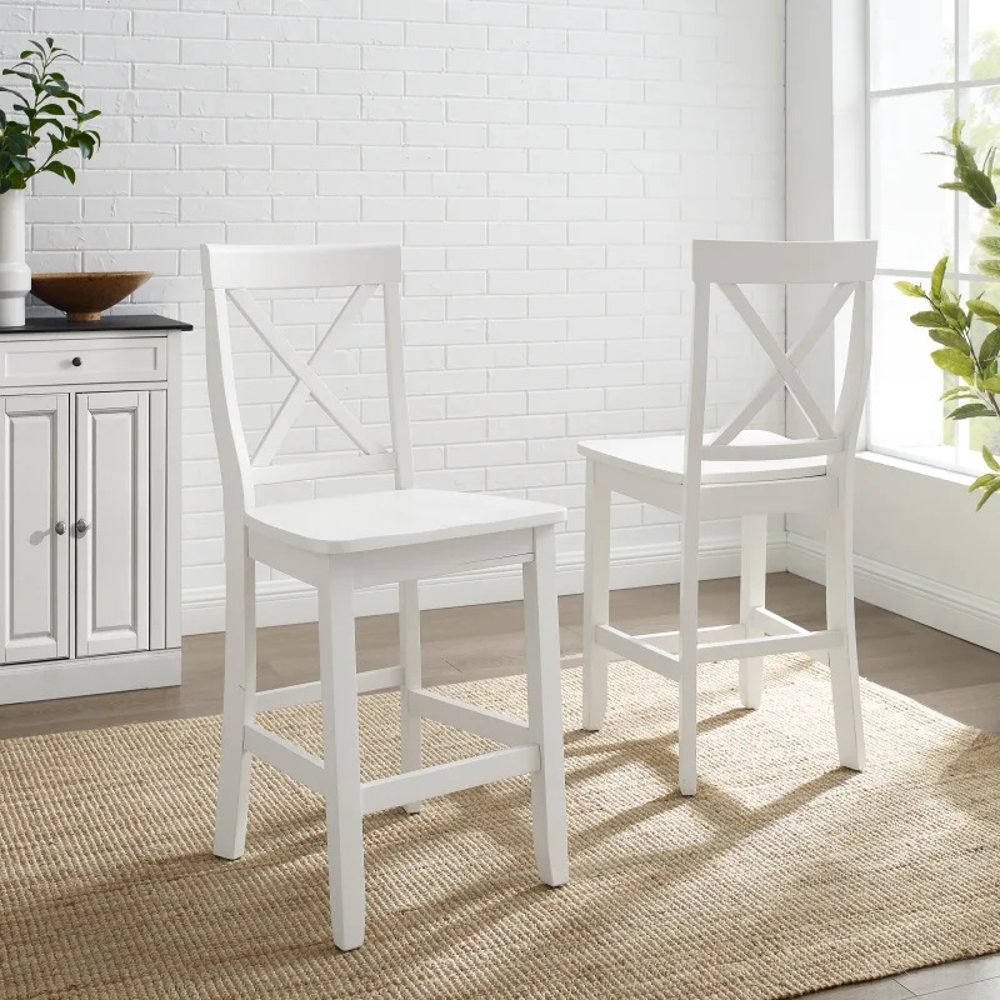
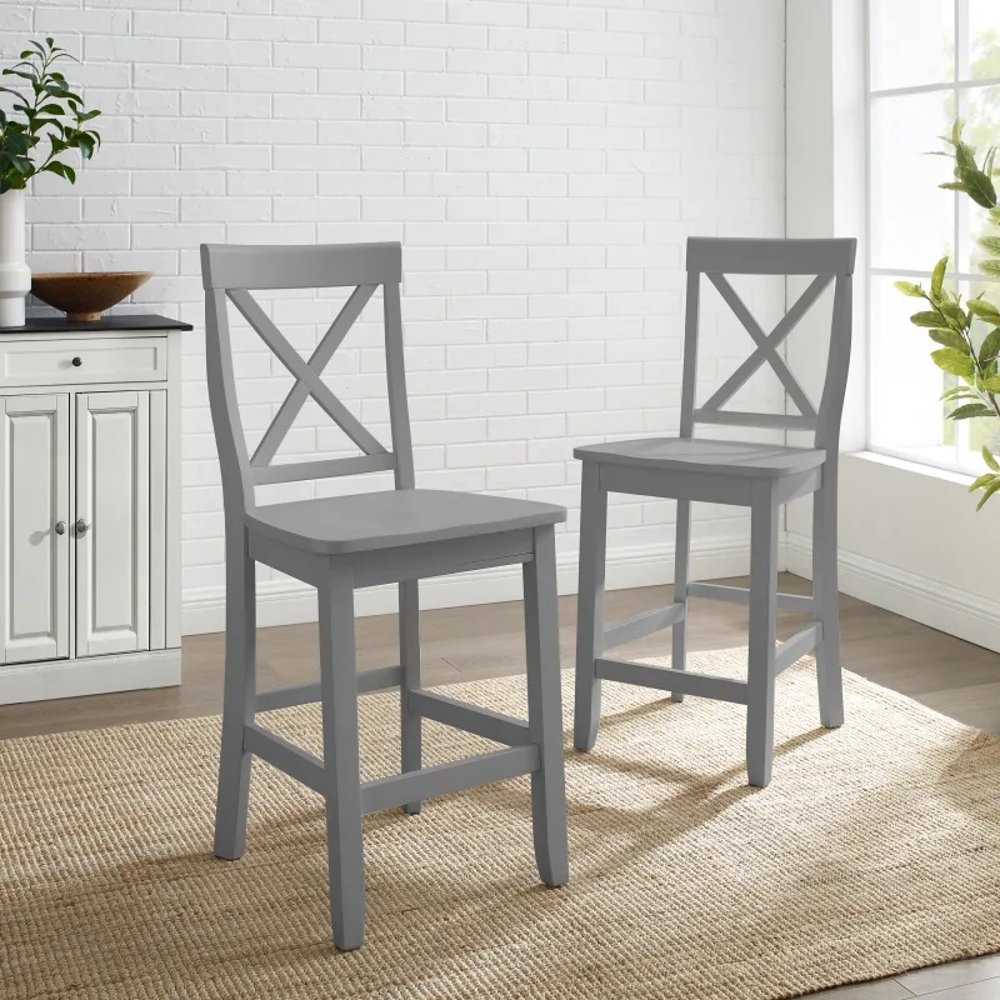
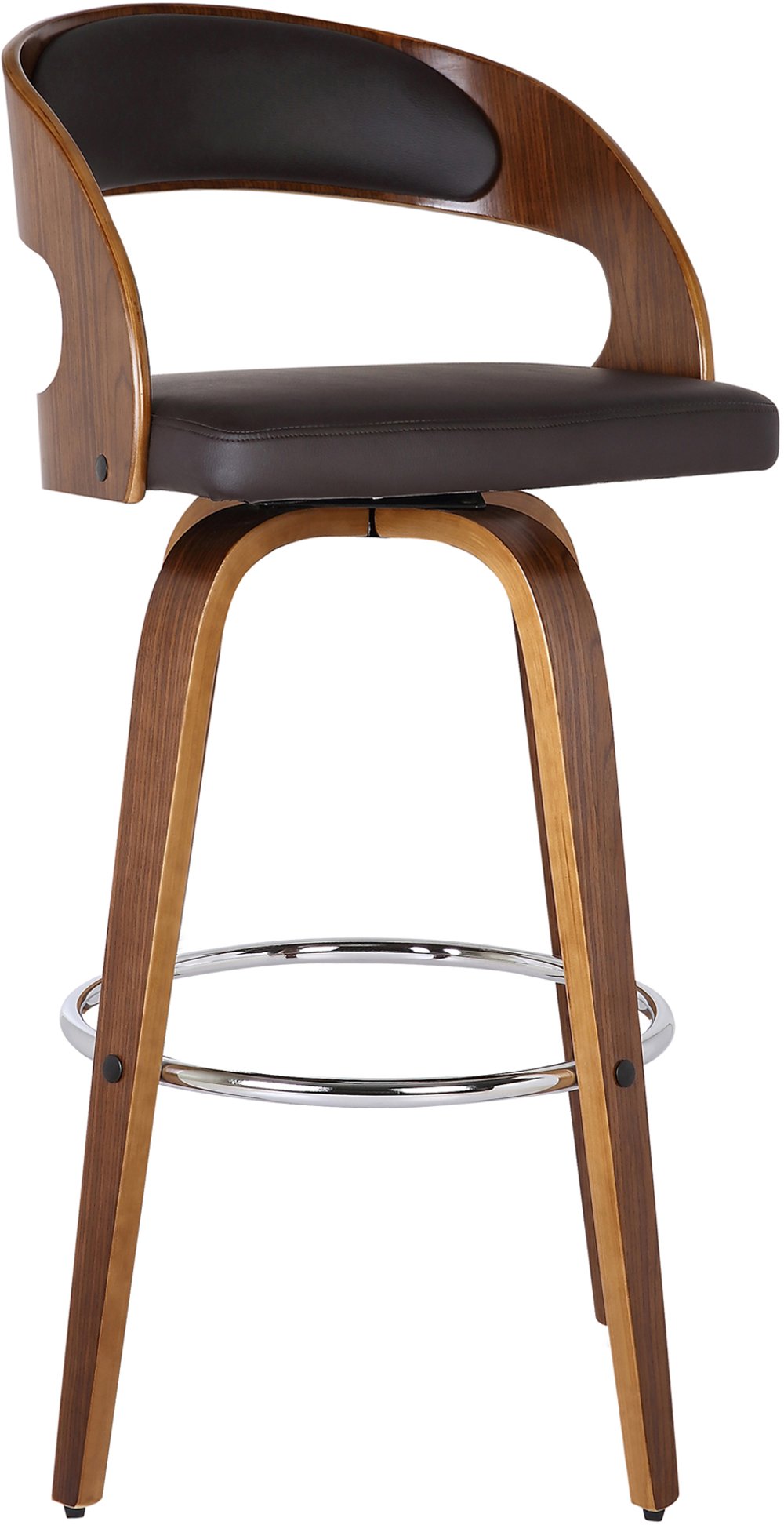
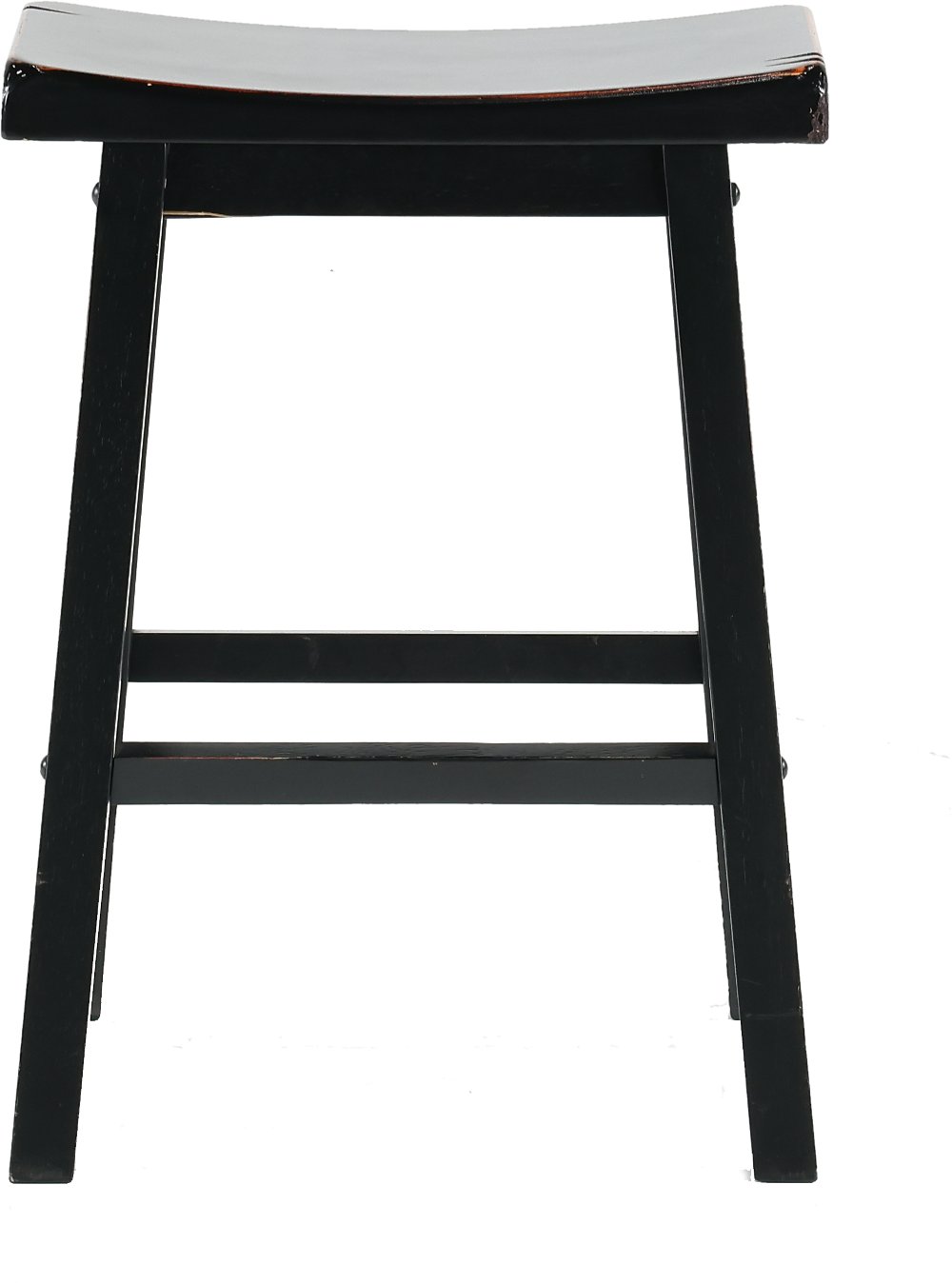
Solid wood barstools give a kitchen island, breakfast bar, or home entertaining space a comfortable place to land, whether you’re sharing a quick meal or keeping someone company while dinner comes together. Natural grain brings character to each stool, with subtle variations in color and pattern that help wood furniture feel personal rather than perfectly uniform. Oak often has a pronounced grain that works beautifully with textured finishes and relaxed interiors, while maple tends to offer a finer, more understated appearance. Walnut brings rich brown tones, and pine offers a softer look with visible knots and an easygoing character. The species matters, but so do the construction, finish, and overall design. Many hardwoods resist everyday dents better than softer woods, although no wood is completely scratchproof. Well-fitted joints, supportive stretchers, and a balanced frame contribute to a stool’s sturdiness, especially in a spot that gets used throughout the day. Product descriptions can help clarify which parts are solid wood and whether a design also includes upholstery, metal hardware, or other materials. A wood frame with a cushioned seat offers a different sitting experience from an all-wood stool, but both can bring warmth and substance to a room. Style makes a difference, too. Straight legs and a simple slatted back feel familiar and inviting, while tapered legs and a gently curved seat create a cleaner, lighter profile. Turned details can complement traditional cabinetry, and a shaped saddle seat can add visual interest without a tall back interrupting the view across an island. Lighter finishes highlight the grain and keep a seating area feeling open; deeper stains add contrast beside pale countertops or painted cabinets. Painted wood offers another option when you want the silhouette and texture of wood with a more consistent color. Your stools don’t need to match every wood surface in the room. Repeating a warm undertone, a similar leg shape, or a finish found elsewhere can make the space feel connected without making everything look identical.
A comfortable fit starts with the relationship between the stool and the surface where you’ll use it. Bar-height seating commonly has a seat around 28 to 30 inches high and suits surfaces approximately 40 to 42 inches high. A typical kitchen counter is closer to 36 inches, so it usually calls for a lower seat. For seating suited to that setup, explore solid wood counter height stools. Measuring your actual surface is more useful than relying on the name of the seating area, especially when a raised breakfast bar sits beside a lower island worktop. About 10 to 12 inches between the seat and the top of the counter is a common starting point, with additional attention to thick countertops, decorative aprons, and support brackets that can reduce legroom underneath. Width matters just as much as height. Leaving roughly 6 to 10 inches between the edges of neighboring stools helps people sit down without bumping elbows, while wider seats, arms, and swivel designs may need more space. An island that looks roomy when empty can feel crowded once several people pull up seats, so consider the walkway behind the stools as well. Backless designs can tuck neatly beneath an overhang when their dimensions allow, making them useful in compact kitchens and open layouts where clear sightlines matter. Stools with backs offer support for lingering over breakfast, helping with homework, or talking with guests. A low back provides a little support without a large visual footprint, while a taller back creates a more defined seating area. Arms can make a seat feel more settled, though they also affect whether it slides beneath the counter. A contoured wood seat can feel comfortable without a cushion, and upholstery adds softness for longer stretches of sitting. Footrests are particularly important on taller stools because they give your feet a resting place instead of leaving them dangling. In households with children, sturdy construction and an appropriate seat height deserve extra attention; a barstool is seating, not a step stool. Swivel seats can make getting in and out easier, but their turning radius should leave neighboring chairs and cabinet edges clear.
Solid wood’s appeal goes beyond its appearance. A thoughtfully built stool can become a dependable part of daily life, moving from morning coffee to an afternoon snack to a casual dinner at the bar. Keeping that everyday use in mind helps you choose details that suit your household. Smooth seats and uncomplicated frames are easy to wipe down after meals, while carved details and closely spaced back slats need a little more attention when dusting. Upholstered seats introduce fabric-specific care needs, so the cleaning instructions matter just as much as the wood finish. For wood surfaces, a soft cloth and prompt attention to spills are a sensible starting point. When a damp cloth is appropriate for the finish, follow it with a dry cloth rather than leaving moisture on the seat or legs. Standing water can affect wood and its protective coating, and harsh cleaners or abrasive pads can dull or damage the surface. The manufacturer’s care instructions should determine which cleaning products, polishes, or treatments are suitable; not every finish benefits from oil or wax. Wood also responds to changes in indoor humidity, and prolonged direct sunlight can alter its color, so thoughtful placement helps preserve its appearance. Felt or other floor-compatible protectors can reduce scuffs when stools move across the floor, provided they stay clean and secure. Periodically checking accessible screws or bolts, according to the assembly instructions, helps keep frequently used seating steady. Lift a stool when moving it a longer distance rather than dragging it by the back or footrest, and follow its stated weight limit. These small habits support lasting use without making upkeep complicated. Whether your space calls for a slim row of backless seats or supportive stools that invite guests to stay awhile, the right solid wood barstools balance natural character with practical comfort. A finish that suits your room, a frame that fits your counter, and a seat that feels good during an ordinary meal can turn an overlooked stretch of countertop into one of the most welcoming places at home.
Read More