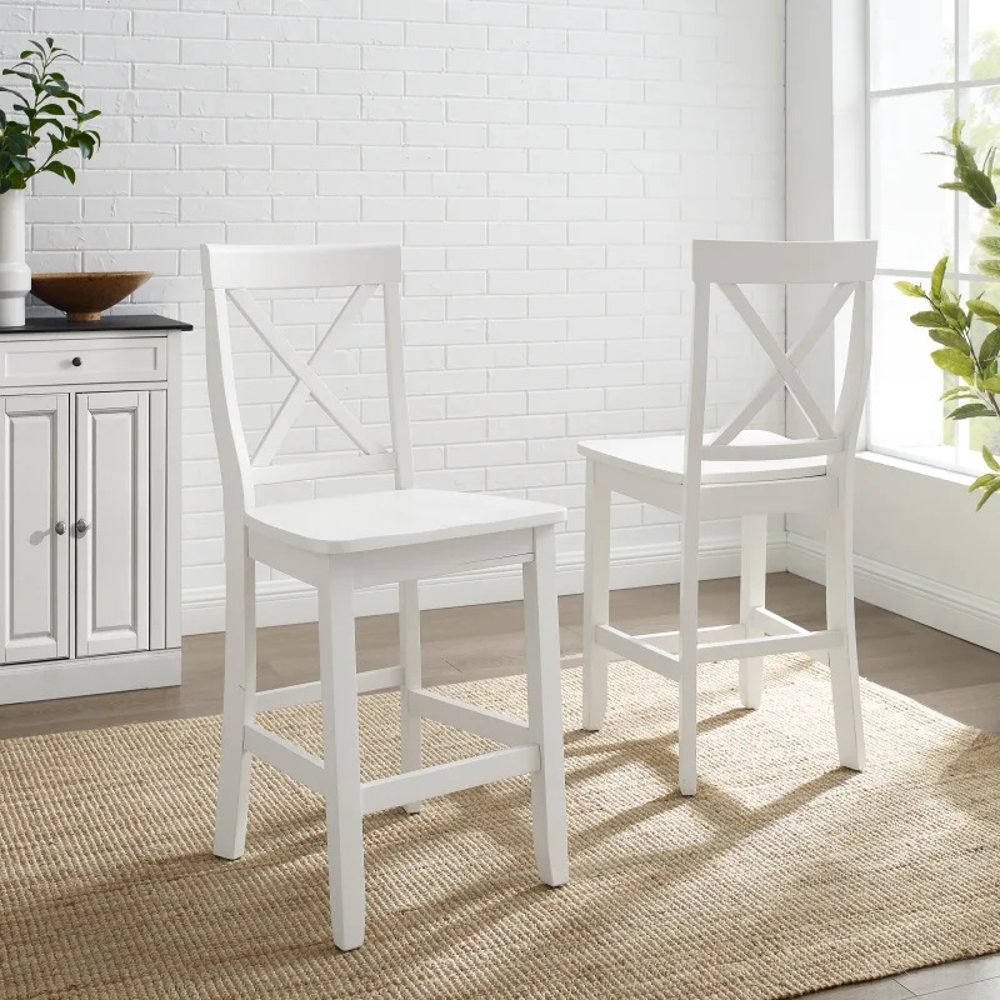
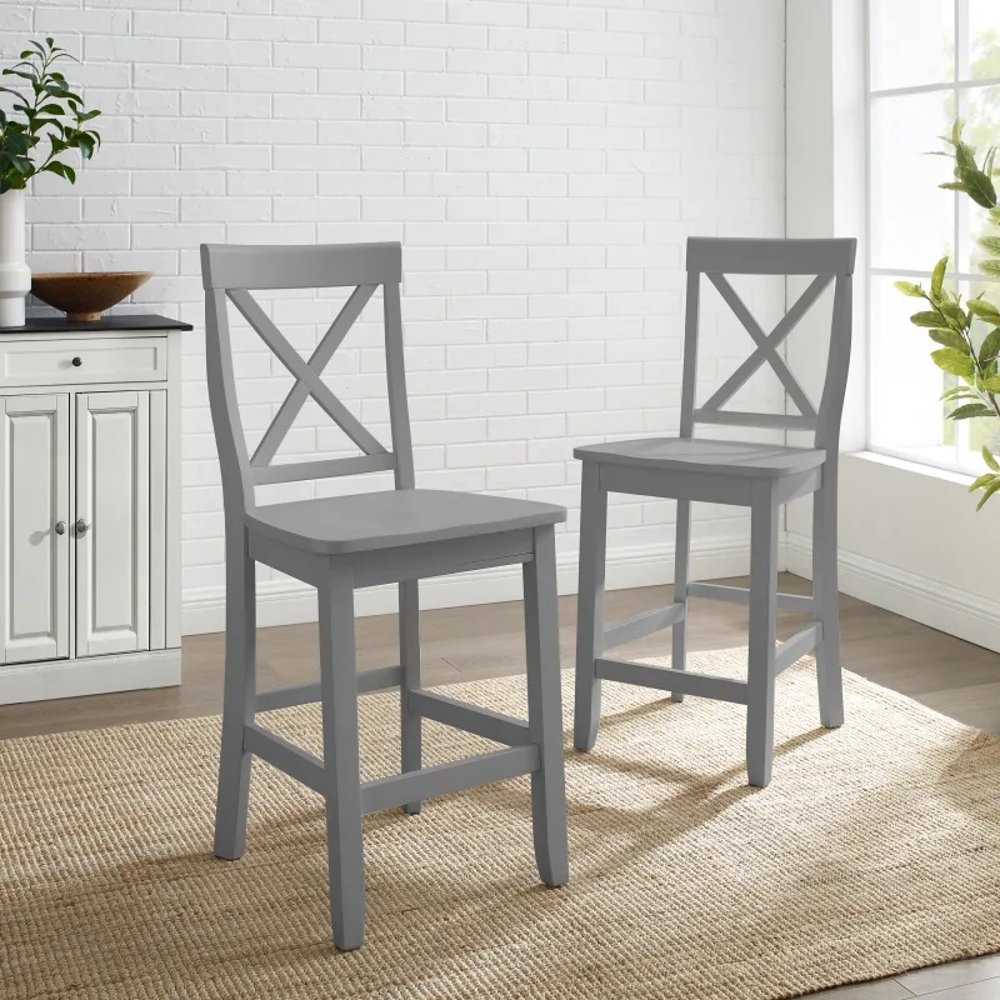
Solid wood kitchen stools bring warmth, texture, and dependable seating to one of the busiest areas in the home. They work naturally at kitchen islands, breakfast bars, peninsulas, and pub tables, giving family and guests a comfortable place to sit while meals come together, homework gets finished, or conversations stretch beyond the last bite. Unlike seating made from a thin veneer or composite core, solid wood furniture is crafted from genuine wood throughout its primary frame or seat components. Oak, maple, rubberwood, acacia, pine, and other wood species can each offer a different grain pattern, color, weight, and feel, so the best choice depends on the look and level of everyday use you have in mind. A stool with visible knots and varied grain can make a farmhouse or rustic kitchen feel relaxed and collected, while a smoother finish and tapered legs can complement a cleaner, more contemporary room. Natural wood also pairs easily with many interiors, from warm traditional kitchens to modern spaces with stone countertops and stainless steel appliances. For a lighter, brighter room, White Wooden Kitchen Stools can add crisp contrast while keeping the classic appeal of a wooden seat. As the weather turns cooler, an island often becomes the heart of the home, and sturdy stools make it easier to linger over soup, help children with schoolwork, or enjoy a cup of coffee beside the people preparing dinner.
The most important measurement is stool height. Standard kitchen counters and islands are usually about 36 inches high, which typically calls for counter-height stools with a seat height of approximately 24 to 26 inches. Taller bar-height surfaces, including many home bars and pub tables, are commonly around 40 to 42 inches high and usually pair with stools measuring about 29 to 30 inches from the floor to the seat. Measure from the floor to the underside of the counter, then allow enough room for knees and comfortable movement; a seat that sits too high can make meals feel cramped, while one that sits too low may leave you reaching upward. Leave roughly 6 inches between the top of the seat and the underside of the counter as a comfortable starting point, and plan for about 24 to 26 inches of width per stool so people can sit, stand, and move without bumping elbows. Backless or saddle-style stools are especially useful in compact kitchens because they slide completely beneath the counter when they are not in use. They keep sightlines open and make quick breakfasts feel effortless, though they may be less supportive for long dinners. Stools with backs, including ladder-back, spindle-back, and cross-back designs, offer more support when guests will sit for an hour or longer. Swivel seats can make it easier to turn toward the kitchen or conversation, while stationary legs often provide a simpler, more grounded appearance. Footrests are another small feature with a noticeable effect on comfort, especially for taller stools. Before choosing a set, consider the people who will use it most, the amount of floor space around the island, and whether the stools need to tuck neatly beneath a counter or remain ready for frequent use.
Solid wood kitchen stools can serve a range of households and make a thoughtful gift for someone moving into a new home, updating a kitchen, or creating a more welcoming entertaining space. They are practical for a first apartment with a small breakfast counter, a growing family that needs extra everyday seating, or a host who wants guests to gather near the action instead of sitting in another room. A pair of stools can define a casual coffee spot, while a larger group can turn an island into an informal dining table for weeknight meals and weekend brunches. When selecting a finish, look at the other wood tones in the room and decide whether you want the stools to blend in or create an intentional contrast. A protective finish can help with ordinary spills, but wood still benefits from prompt cleanup and gentle care. Wipe away crumbs and moisture with a soft cloth, avoid harsh abrasive cleaners, and follow the manufacturer’s care instructions for the finish. Check that the legs sit evenly on the floor and that joints feel secure, especially when stools will receive daily use. A cushioned seat can add softness during longer gatherings, while a shaped wooden seat may offer comfortable support without extra upholstery. The right stool should feel steady when someone sits down, give feet a natural resting place, and complement the rhythm of your kitchen. With the right height, spacing, construction, and style, solid wood stools can become the dependable seats everyone reaches for when the kitchen fills with conversation.
Read More