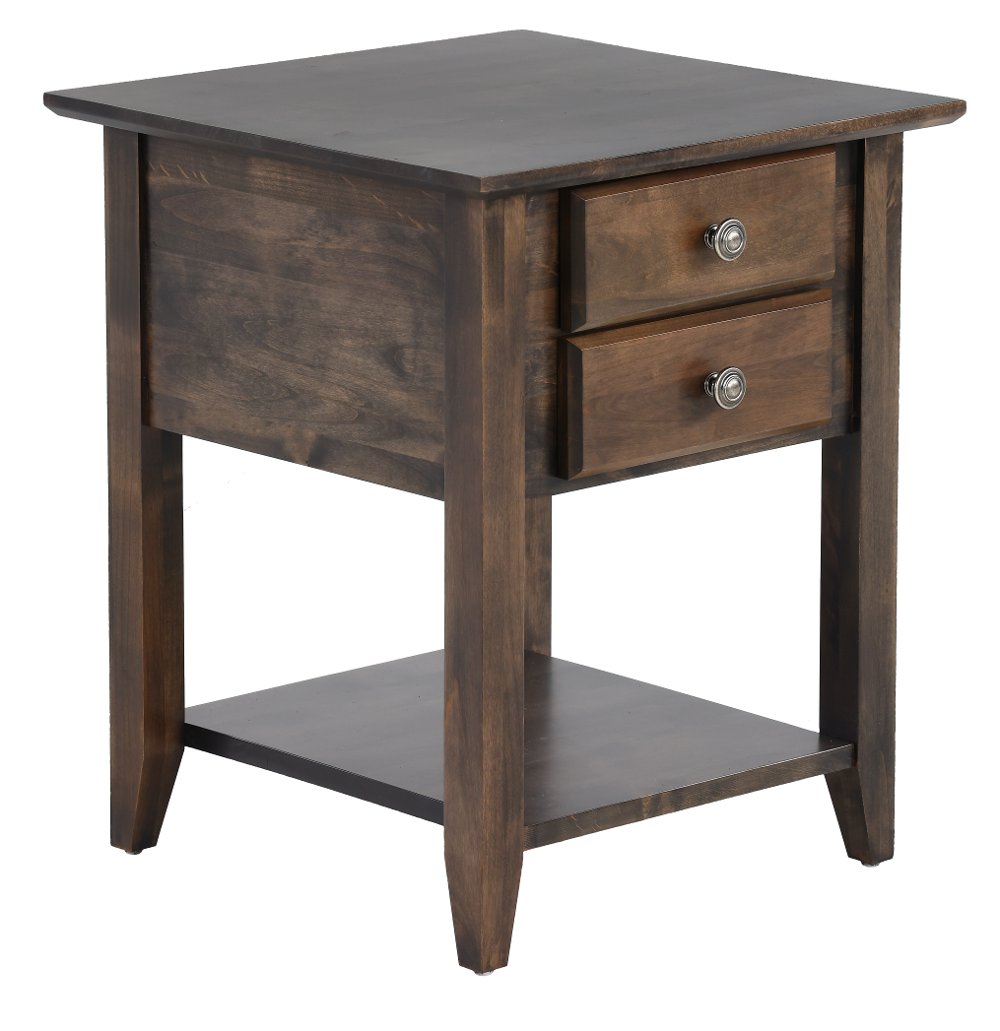
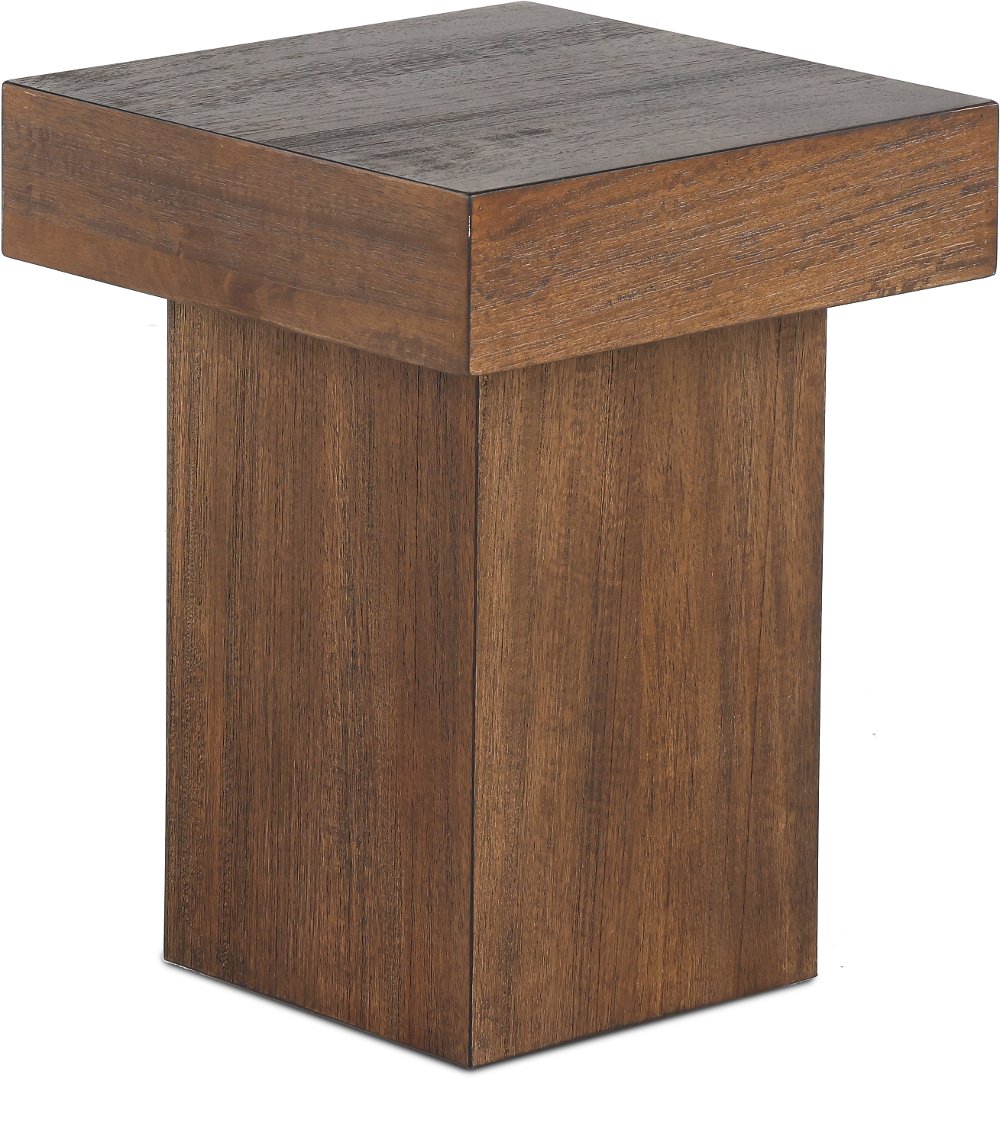
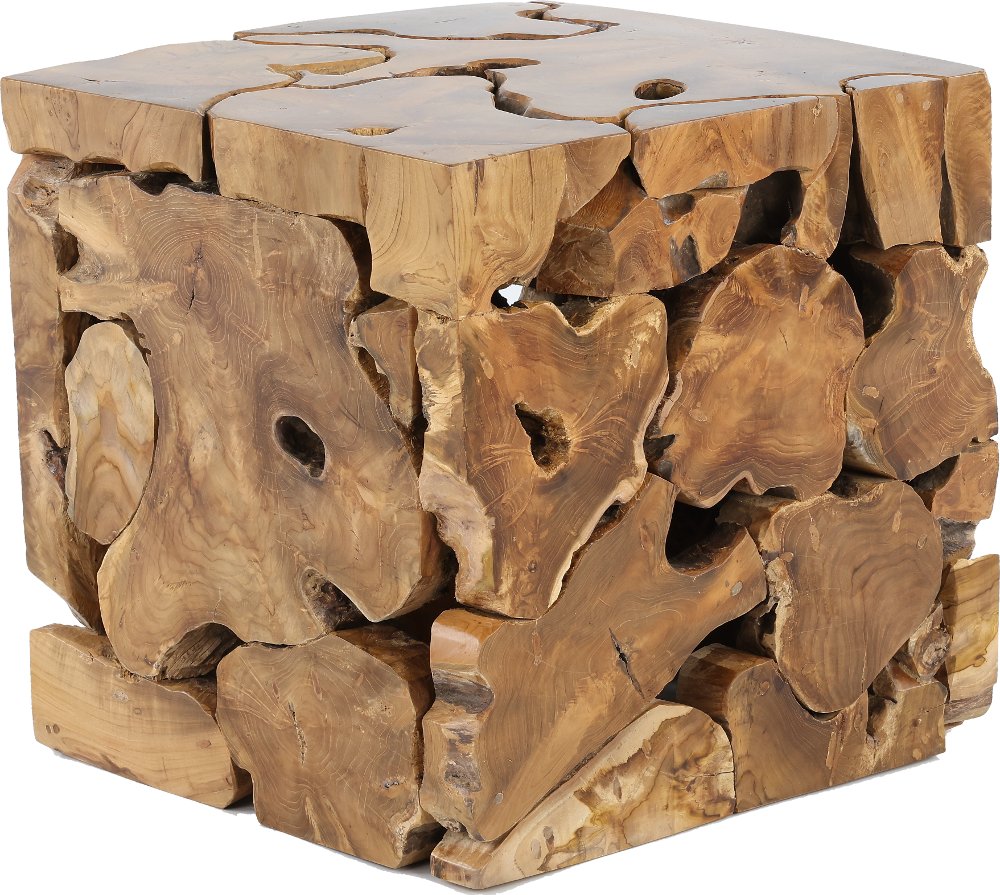
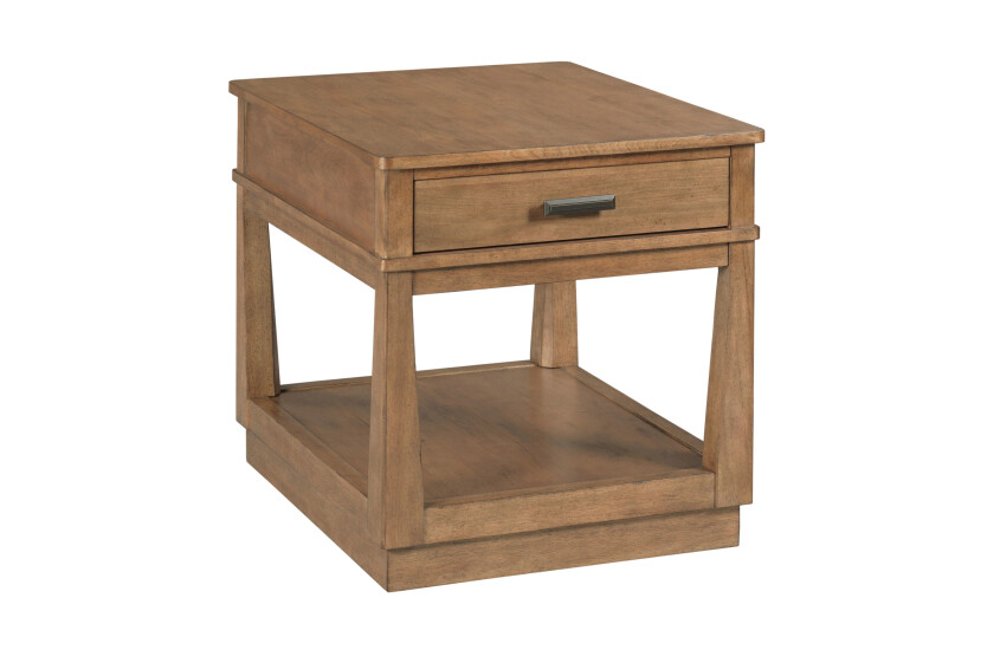
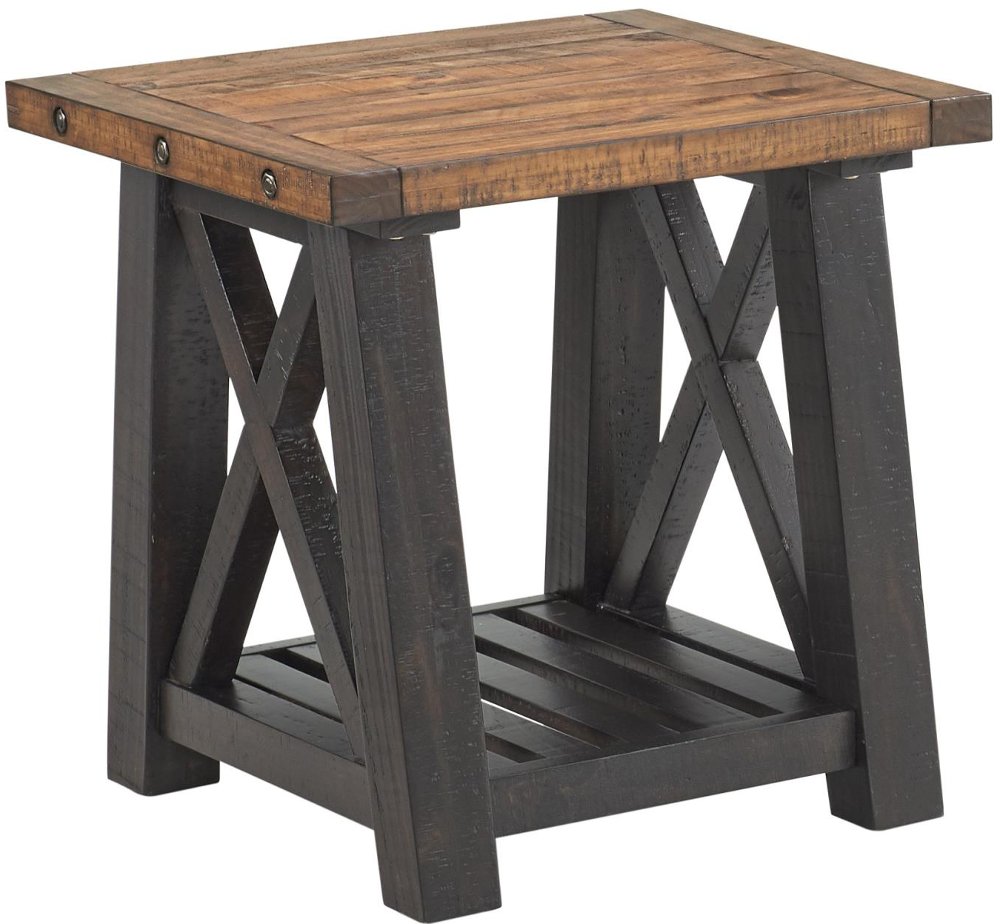
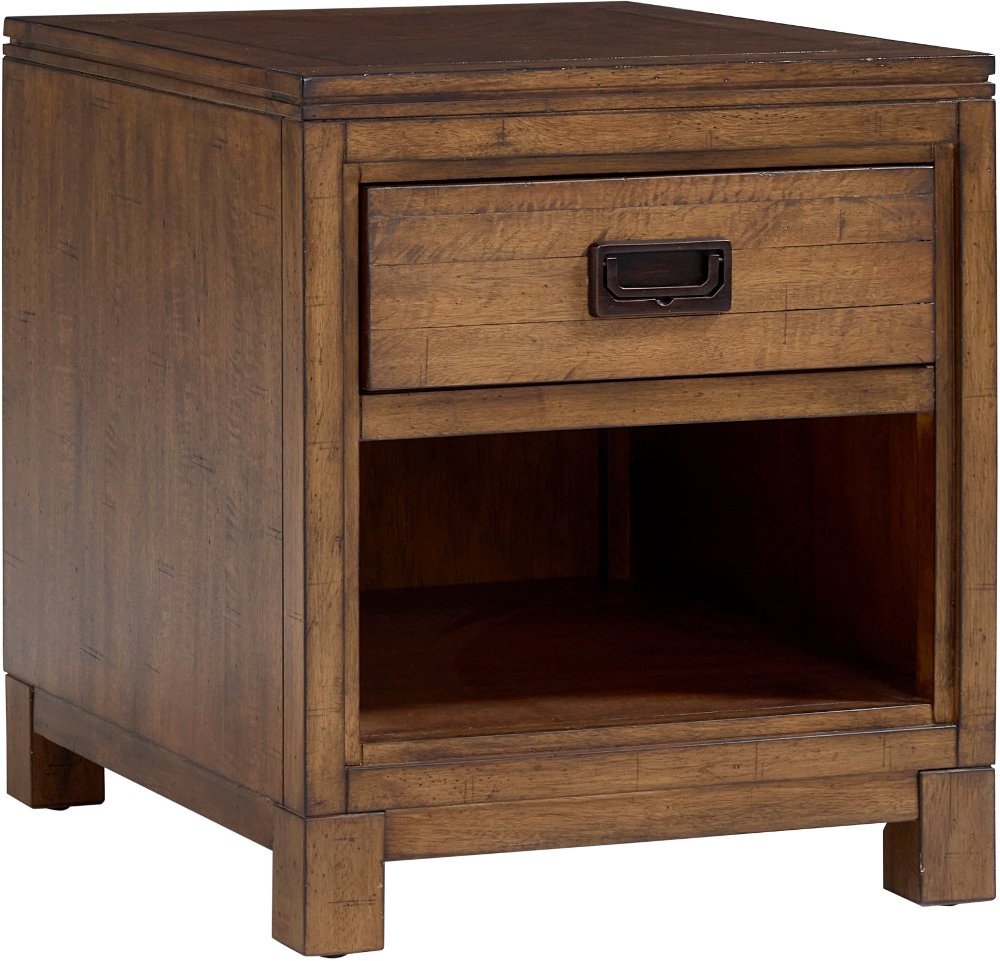
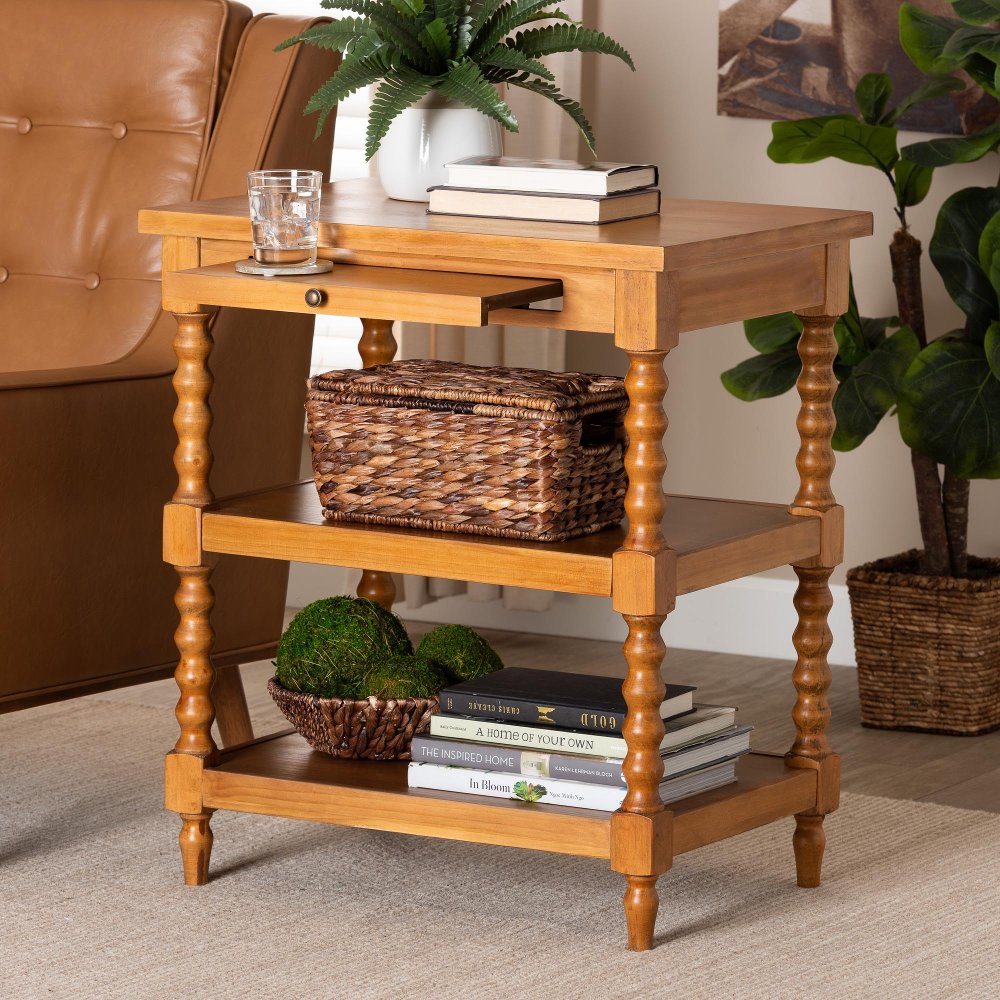
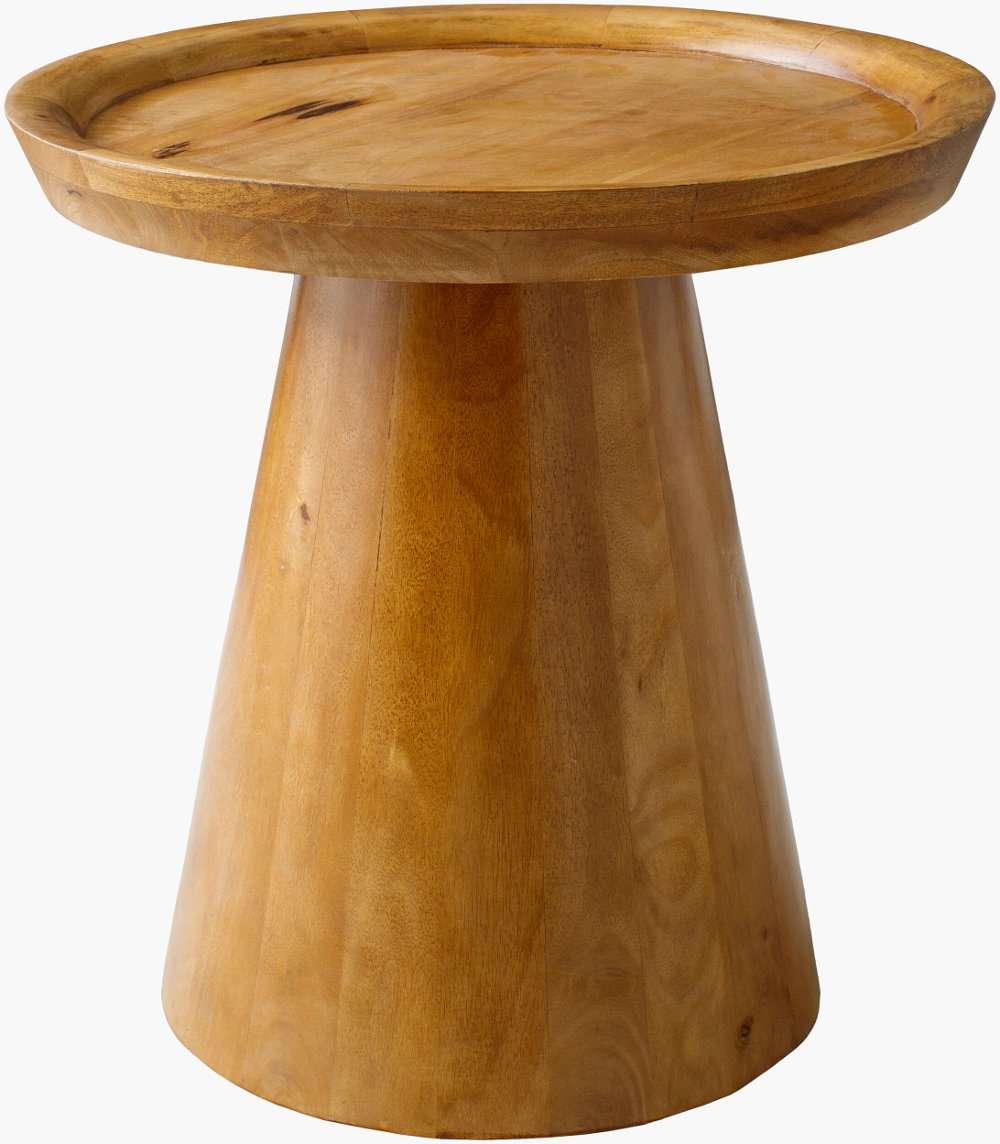
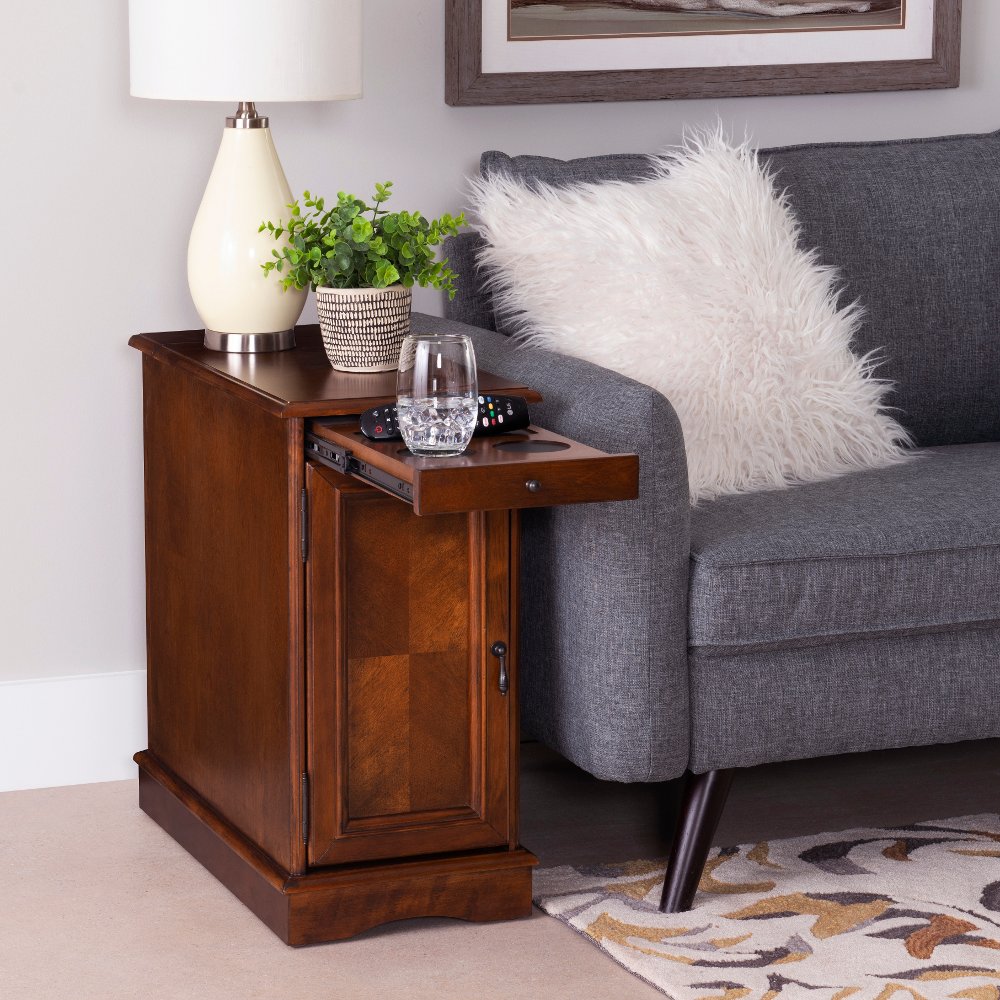
Solid wood end tables bring a useful surface and the character of real wood to the spaces where you settle in every day. Beside a sofa, one keeps a reading lamp, a glass of water, and the remote within easy reach. Next to an accent chair, it gives a favorite corner enough function to become a comfortable place to read or catch up with a friend. The appeal starts with the material: grain lines, small knots, and differences in color give wood a depth that printed patterns can’t fully reproduce. Oak often has prominent grain that suits relaxed, textured rooms, while maple typically offers a finer pattern and a smoother visual effect. Walnut is known for its rich brown tones, and pine brings a softer surface with plenty of natural character. Each wood species has its own hardness and appearance, but construction and finish also influence how a table handles daily use. Solid wood panels may consist of several boards joined together, which is normal and different from a thin wood veneer applied over another material. Material descriptions matter because a table’s top, legs, drawer boxes, and back panels may use different construction methods. The shape makes just as much difference to the room’s personality. Straight legs and clean edges feel understated, turned legs add traditional detail, and a substantial pedestal base can give a small table a strong presence. A painted or deeply stained finish can work beautifully when you want solid wood construction without emphasizing every grain line. For a look that puts the wood’s color and texture at the center of the design, natural wood end tables offer a related direction to explore. Natural-looking wood and solid wood aren’t interchangeable terms: one describes appearance, while the other describes construction. Keeping that distinction in mind helps you choose a table for both the look you love and the way you expect to use it.
The right proportions help a solid wood end table feel like part of the seating area rather than an obstacle beside it. A tabletop near the height of the sofa arm usually makes setting down a drink comfortable, though a low lounge chair may call for a different height than an upright sofa with tall arms. Width and depth deserve equal attention. A narrow table can fit beside seating in an apartment without taking over the walkway, while a broader surface gives a lamp a steady home with room left for a coaster and a book. Picture the tabletop with those everyday belongings in place; a large lamp base can use more surface area than expected. Round end tables soften the outline of a room and remove projecting corners, while square and rectangular shapes often sit neatly alongside a sofa or between two chairs. The base affects fit, too. Widely angled legs may extend beyond the top, and a thick pedestal can limit how close a basket slides underneath. Drawers need clearance to open, especially when the table sits near a recliner, doorway, or neighboring seat. Storage changes how the table serves your household. A shallow drawer can keep remotes and charging cords out of sight, while an open shelf holds a few books or a basket for small necessities. A simple tabletop with an open base leaves more visible floor space, which can help a compact seating arrangement feel less crowded. Matching end tables create a balanced frame around a sofa, but a pair doesn’t have to be identical to feel connected. Similar heights, compatible wood tones, or a shared design detail can tie different shapes together. In a room with an upholstered sofa, a patterned rug, and a wood coffee table, a quieter end table can provide balance without adding another competing detail. The goal is furniture that fits your routines as naturally as it fits the floor plan.
Solid wood’s lasting appeal comes partly from the way it responds to years of use, but everyday durability depends on more than weight or thickness. Well-fitted joints, a stable base, smoothly operating drawers, and a finish suited to household use all contribute to a table that feels dependable. Harder woods generally resist dents better than softer woods, although no wood surface is completely scratchproof. Pine may develop marks more readily, which can suit a relaxed room where a little wear feels at home. A protective finish helps with ordinary use, but coasters and a small tray still make a difference when drinks, a flower vase, or frequently handled objects share the surface. Blot spills promptly with a soft cloth, and avoid leaving damp items against the wood. For routine cleaning, a soft, dry or lightly dampened cloth is often enough, followed by drying as needed; the manufacturer’s care instructions should determine which cleaners or polishes are appropriate for the finish. Abrasive pads, harsh solvents, and excessive water can damage a surface that otherwise needs little fuss. Placement also matters. Direct sunlight can change wood color over time, and close contact with heating or air-conditioning vents can expose furniture to conditions that encourage movement or finish problems. Wood naturally expands and contracts as indoor humidity changes, so a well-made table allows for that movement rather than holding every board rigidly in place. For busy households, rounded edges, a steady footprint, and easy-to-clean surfaces may matter more than decorative detail. For someone furnishing a first apartment or creating a comfortable reading nook, a thoughtfully sized solid wood end table can be a useful housewarming gift when the recipient’s space and style are known. Whether it holds bedtime reading beside a daybed or a lamp next to the family sofa, its value comes from doing a small, necessary job well while adding warmth and texture to the room.
Read More