Small closet storage works best when it makes everyday belongings easier to see, reach, and put away. Solutions for small closets typically combine vertical shelving, space-saving hangers, additional hanging space, and contained storage for shoes, folded clothing, and accessories. The right combination depends less on the closet’s overall size than on what needs to fit inside it. A wardrobe filled with shirts and folded pants benefits from two levels of hanging space, while long dresses and coats need an uninterrupted section of rod. Folded sweaters do better on shelves or in drawers, where their weight won’t pull at the shoulders as it can on hangers. For a narrow bedroom closet, slim hangers with nonslip surfaces can reduce bulk and help lightweight garments stay in place. They still need enough room between them for clothing to slide freely; a tightly packed rod makes getting dressed harder and can leave clothes creased. Hanging fabric compartments put the space below a rod to work for lighter folded pieces, scarves, or accessories, though their capacity should match both the organizer’s rating and the rod’s weight limit. Shelf dividers help keep stacks of tees and knits from leaning into each other, especially on a long shelf that serves several purposes. Near the floor, compact drawers and low-profile bins can fill the gap beneath shorter garments without taking over the walkway. These small closet organization options suit apartment bedrooms, shared closets, children’s rooms, and guest spaces where a full-size dresser may not fit. In an entry closet, the same approach can give everyday shoes, bags, and cold-weather accessories a place to land instead of collecting by the door. The goal is usable storage, not simply more compartments. A shallow basket that lets someone spot a favorite pair of gloves can be more helpful than a deep container that holds twice as much but needs to be emptied to find anything.
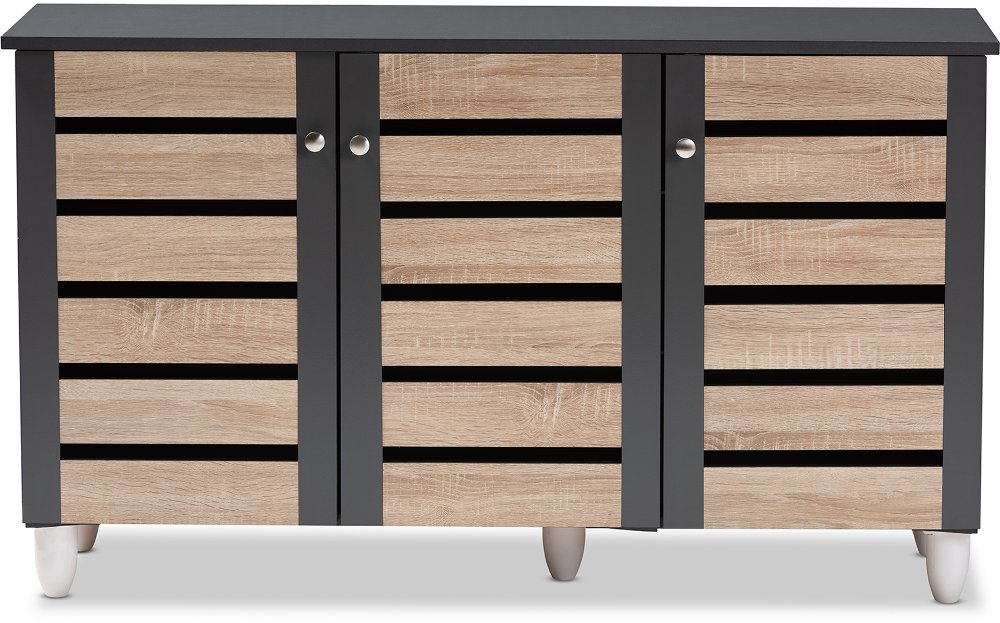
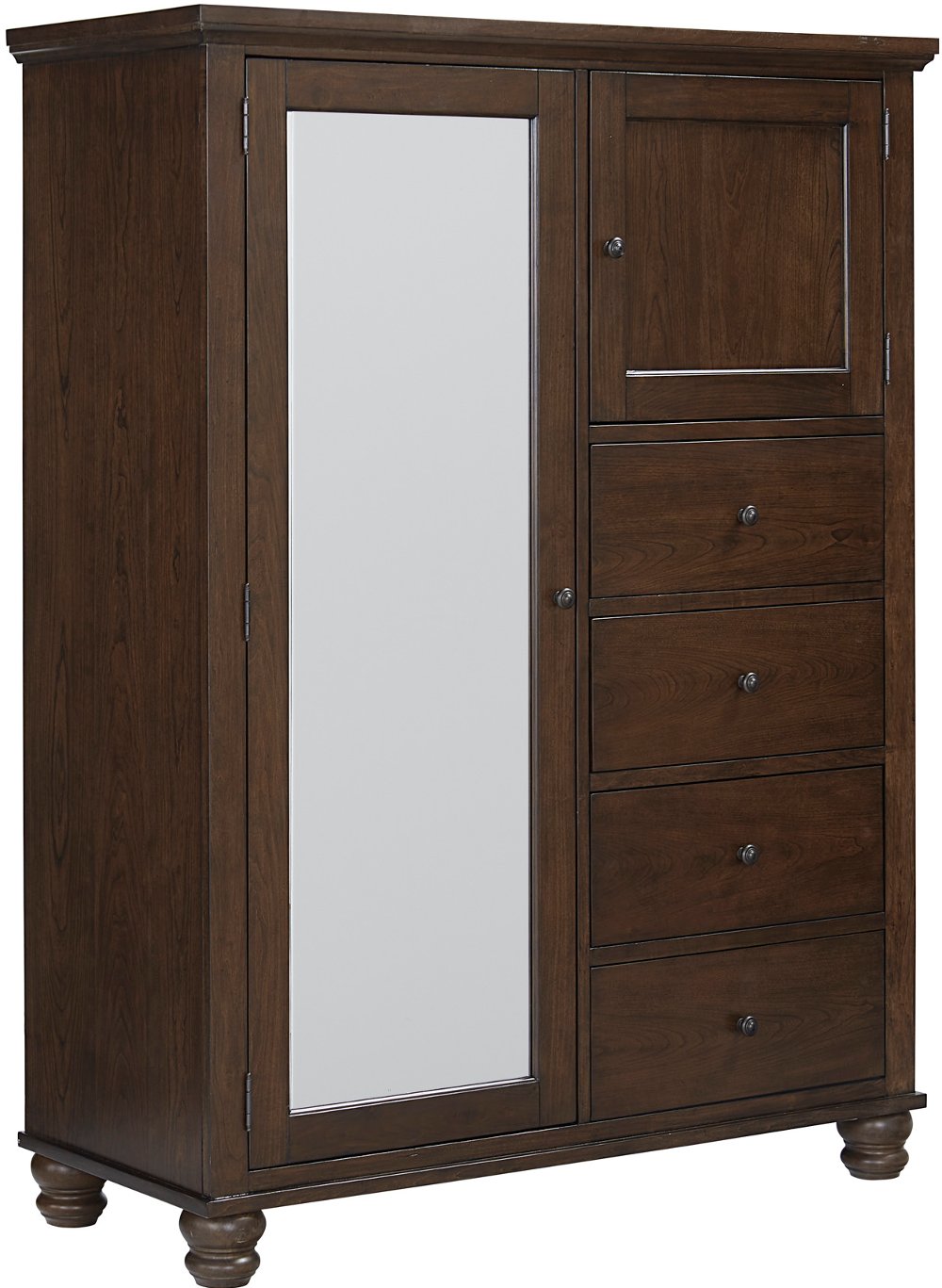
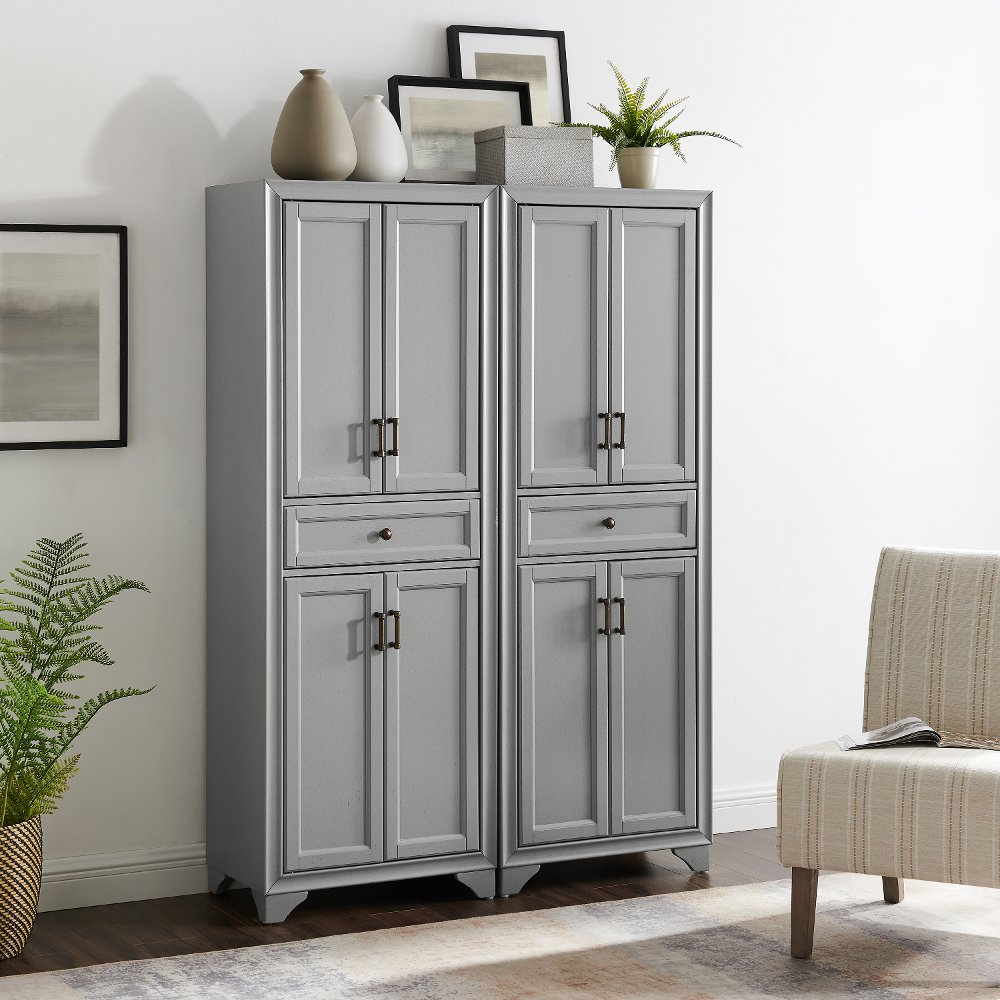
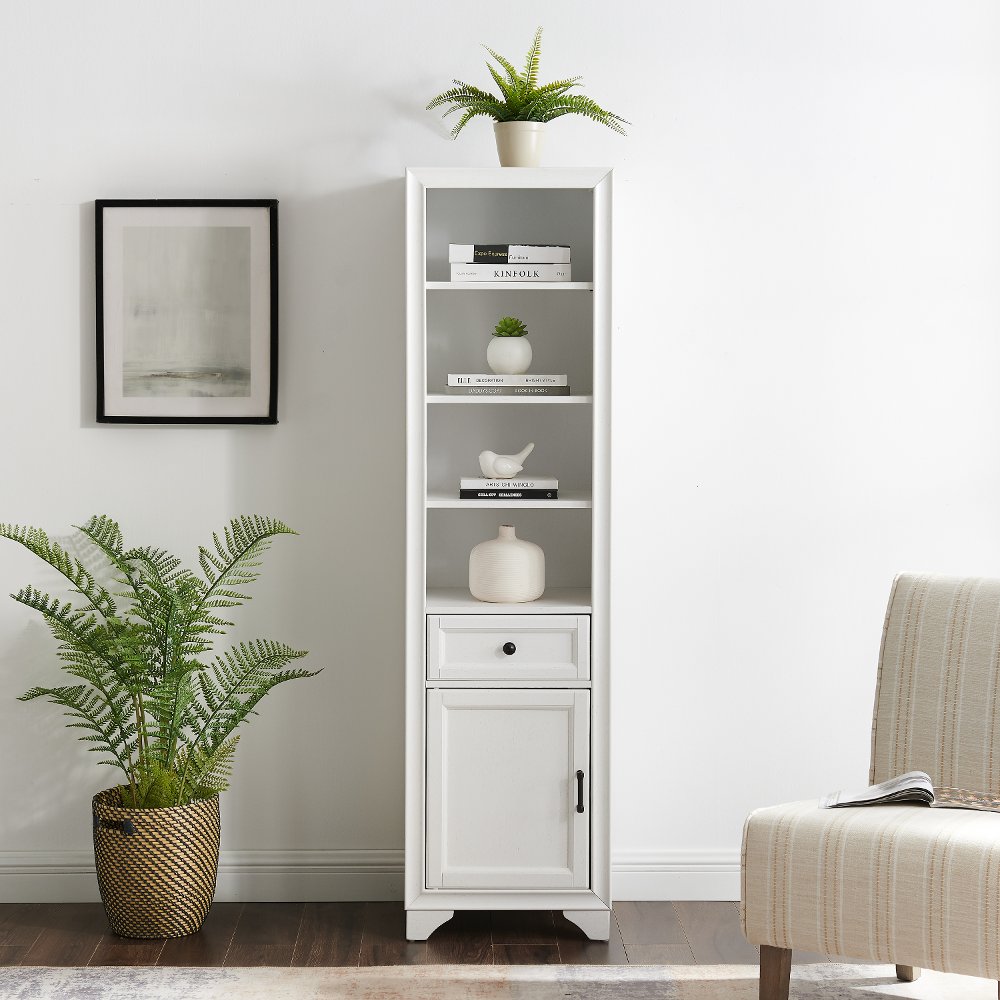
Fit matters just as much as storage capacity, particularly in a reach-in closet with sliding or folding doors. Useful measurements include the interior width, depth, and height, along with the clear opening when the doors are fully open. Baseboards, door tracks, hinges, and an existing hanging rod can all affect where an organizer sits. A drawer unit might fit neatly against the back wall yet leave too little room to pull its drawers open, and a tall shoe organizer can interfere with the hems of hanging clothes. Modular closet organizers and adjustable shelves offer flexibility when storage needs change, allowing more room for taller boots during the cooler months or a different mix of folded clothing as children grow. Double hanging rods are especially useful for shorter garments, provided the lower rod leaves enough clearance to keep clothing off the floor. Door-mounted storage can hold small accessories or lightweight footwear, but hook thickness and door clearance determine whether the door will still close properly. Sliding doors generally call for storage inside the closet rather than organizers that hang over a swinging door. Freestanding storage can be a practical choice for renters because it may reduce the need to alter existing shelving, although tall furniture may still require wall anchoring according to the manufacturer’s instructions. Lease requirements also matter before drilling or changing hardware. For coordinating storage throughout a bedroom, hallway, or shared dressing area, Storage For Closets offers a related category to explore. Storage that extends beyond the closet can also relieve crowding inside it. Under-bed containers are useful for less frequently worn clothing and spare linens when their height fits beneath the bed frame, while a compact storage piece nearby can hold folded essentials. Leaving accessible closet space for belongings used most often keeps the arrangement practical. Everyday shoes belong within easy reach; occasionally used bags can occupy a higher shelf without slowing down the morning routine.
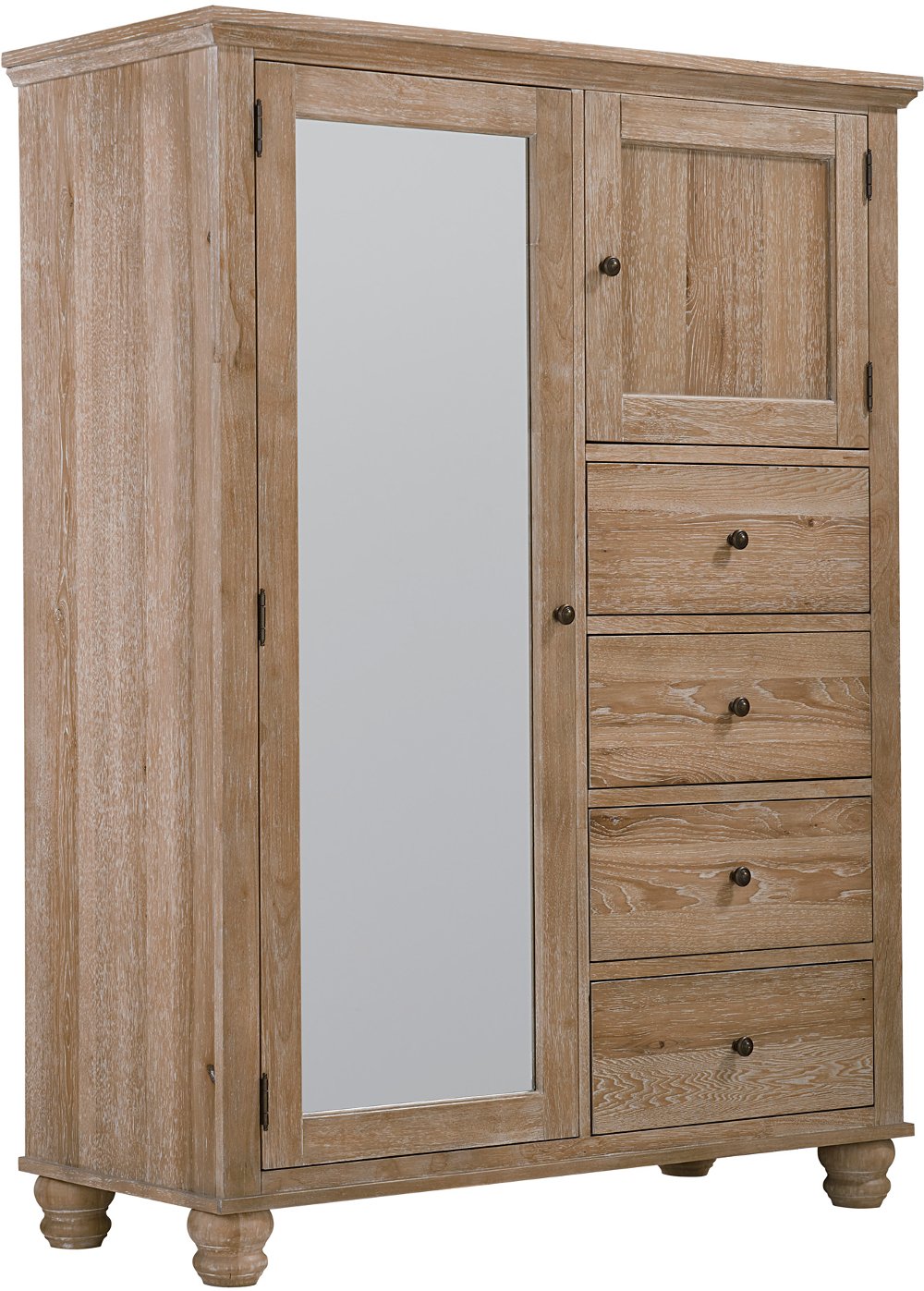
Materials, construction, and care help determine how well small closet storage holds up to daily use. Solid wood and engineered wood organizers can provide structured surfaces for folded clothing, with finishes that coordinate with nearby bedroom furniture. Their performance depends on construction, shelf thickness, and stated weight capacity, particularly across wider shelves. Coated metal frames offer a slim profile and sturdy support when assembled and loaded as directed, while wire shelves allow airflow around stored belongings. Small accessories and delicate fabrics may benefit from a smooth shelf liner or a separate container so they don’t catch on wire edges or slip through gaps. Fabric bins and hanging organizers are lightweight and easy to reposition, making them useful for soft accessories and lighter clothing. Reinforced seams, supportive inserts, and secure handles are worth considering when a bin will move between a high shelf and the bed several times a week. Clear plastic containers make contents visible at a glance and usually wipe clean easily; opaque baskets create a quieter appearance when shelves are in view. Breathable fabric storage can suit clean, dry textiles, while lidded containers help reduce dust on belongings used less often. Clothing should be completely dry before enclosed storage, and shoes benefit from airing out before they go into a closed compartment. Care is generally straightforward: follow the manufacturer’s cleaning instructions, wipe compatible hard surfaces with a soft cloth, and let damp-cleaned pieces dry fully before refilling them. Fabric components may allow spot cleaning rather than machine washing, so care labels matter. Durability also comes from how storage is used. Heavy belongings sit more securely on lower shelves, handles should support the intended load, and drawers work best when contents stay below their top edges. For shared closets, separate bins or clearly defined shelf sections make each person’s belongings easier to manage. Children benefit from reachable compartments and lightweight containers they can handle comfortably. A well-fitted closet leaves room for these everyday habits, so putting away laundry or finding a matching pair of shoes feels simpler without requiring a larger room.
Read More