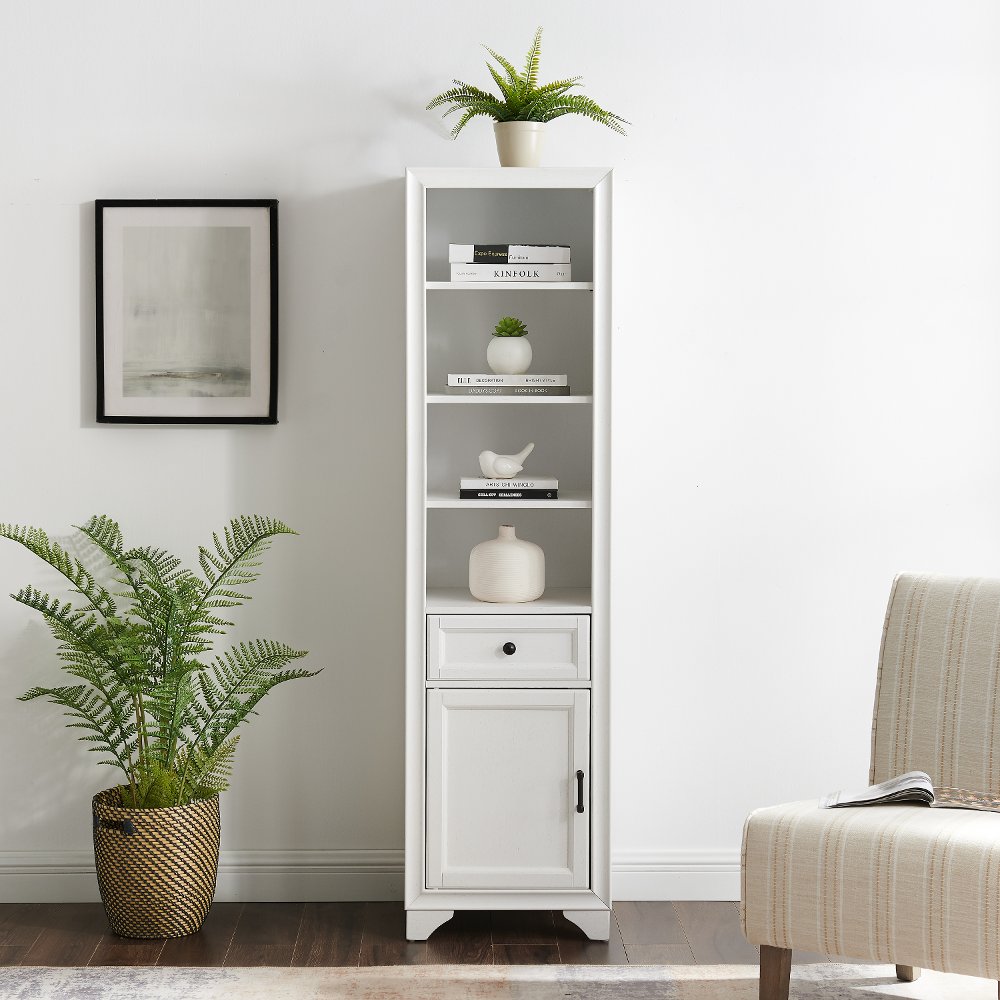
Storage for closets combines shelving, hanging space, drawers, and organizers to give clothing, shoes, linens, and accessories a dependable place to land. The most useful combination fits both the closet’s dimensions and the belongings that move through it every day. A reach-in bedroom closet may benefit from stacked shelves beside a hanging rod, while a walk-in closet can accommodate separate sections for folded clothing, shoes, and longer garments. Double-hang arrangements make good use of vertical space for shirts and pants, but dresses, robes, and long coats need an uninterrupted area below the rod. Closet storage also includes freestanding wardrobes, compact drawer units, hanging fabric organizers, shoe racks, baskets, and bins, each serving a different purpose. Open shelves keep everyday belongings visible; drawers contain smaller accessories; and covered containers help protect infrequently used belongings from dust. Fit involves more than the width of an empty wall. Shelf depth, baseboards, door tracks, existing rods, and the space needed to open drawers all affect how comfortably a storage piece works. Sliding doors can limit access to the middle or sides of a closet, while swinging doors need clearance around handles and anything mounted on their interior surface. A deep shelf may hold bulky bedding well, but a shallower shelf often makes folded shirts easier to see and reach without disturbing a second row. For shelf-based options, Closet Organizing Shelves can help define space for stacks of jeans, handbags, or neatly contained accessories. Adjustable shelf spacing is especially useful when the contents vary in height, from low baskets of socks to taller storage boxes. The goal isn’t simply to fill every open inch. Useful closet storage leaves enough room to lift out a bin, remove a hanger, and return belongings without squeezing them into place. That small amount of breathing room makes a closet easier to use during an ordinary morning, when finding a clean shirt and matching shoes matters more than creating a picture-perfect display.
Materials influence how closet organizers look, how much they can hold, and the care they need over time. Metal shelving and frames offer a practical structure for many storage arrangements, and wire shelves allow air to move around their contents. Small objects and narrow shoe heels may need a compatible shelf liner or a separate container so they rest securely rather than slipping between wires. Smooth wood shelves provide a continuous surface for folded clothing and boxes, while engineered wood with a laminate finish offers a consistent appearance that can coordinate with nearby furniture. Solid wood, engineered wood, and metal all come in different constructions, so strength depends on more than the material name alone. Shelf thickness, bracket placement, frame design, hardware, and the manufacturer’s weight limits matter when storing dense stacks of denim, filled baskets, or heavy bedding. Fabric organizers are useful for lightweight clothing and accessories, although their seams, hanging attachments, and recommended load limits deserve attention. Clear plastic bins make contents easy to identify, while opaque containers and fabric baskets create a calmer appearance when a closet remains open to the room. Handles are helpful for containers that come out regularly, and lids suit belongings that need more protection from dust. Care is generally straightforward when it follows the material’s instructions: smooth surfaces often need a soft cloth, fabric components may allow spot cleaning, and coated metal should be cleaned without abrasive tools that could damage the finish. Containers should hold clean, fully dry belongings, especially when they’ll stay closed for extended periods. Durable storage also depends on proper assembly and support. Wall-mounted shelving requires hardware suited to the wall construction, and tall furniture should use the manufacturer’s recommended anti-tip restraint. Stable placement and accessible storage help keep everyday routines comfortable, particularly in homes with children. Frequently used belongings belong within easy reach rather than in an arrangement that invites climbing or requires pulling down a heavy container from overhead.
Closet storage works best when it reflects the people using it. For someone getting dressed for work, a clear view of shirts, pants, and shoes can make an early start feel less hurried. For a shared bedroom closet, separate shelves, drawers, or bins give each person a recognizable area without requiring two identical wardrobes. Families may find low, easy-to-reach baskets helpful for children’s pajamas and play clothes, with higher storage reserved for belongings adults handle. A linen closet has different needs: broad shelves support folded towels and sheet sets, while smaller containers keep washcloths and pillowcases from disappearing between larger stacks. In an entryway closet, sturdy shoe storage, hooks for bags, and a designated shelf for everyday accessories can keep the floor clear enough to find what’s needed before heading out. Adjustable and modular organizers can accommodate these differences as routines change, provided the components are designed to work together. Freestanding storage and hanging organizers may also suit renters or anyone who needs an arrangement that can move to another room, though installation requirements and rental rules still matter. Vertical space offers useful capacity when lower areas stay reserved for daily essentials, and compatible over-the-door organizers can hold lightweight accessories without taking up shelf space. Door-mounted storage needs adequate clearance to let the door close normally and keep its hinges working as intended. Details such as drawer dividers, shelf separators, and consistent hanger shapes help preserve the larger arrangement by giving small belongings defined boundaries. Slim hangers can reduce crowding, but garment support still matters; heavier jackets and delicate knits have different needs than everyday shirts. A well-proportioned closet balances visible storage with contained storage, allowing a favorite pair of shoes to stay easy to spot while smaller necessities remain together. Whether the space holds one person’s wardrobe or a household’s linens, thoughtfully chosen closet organizers make belongings easier to find, easier to care for, and easier to put away.
Read More