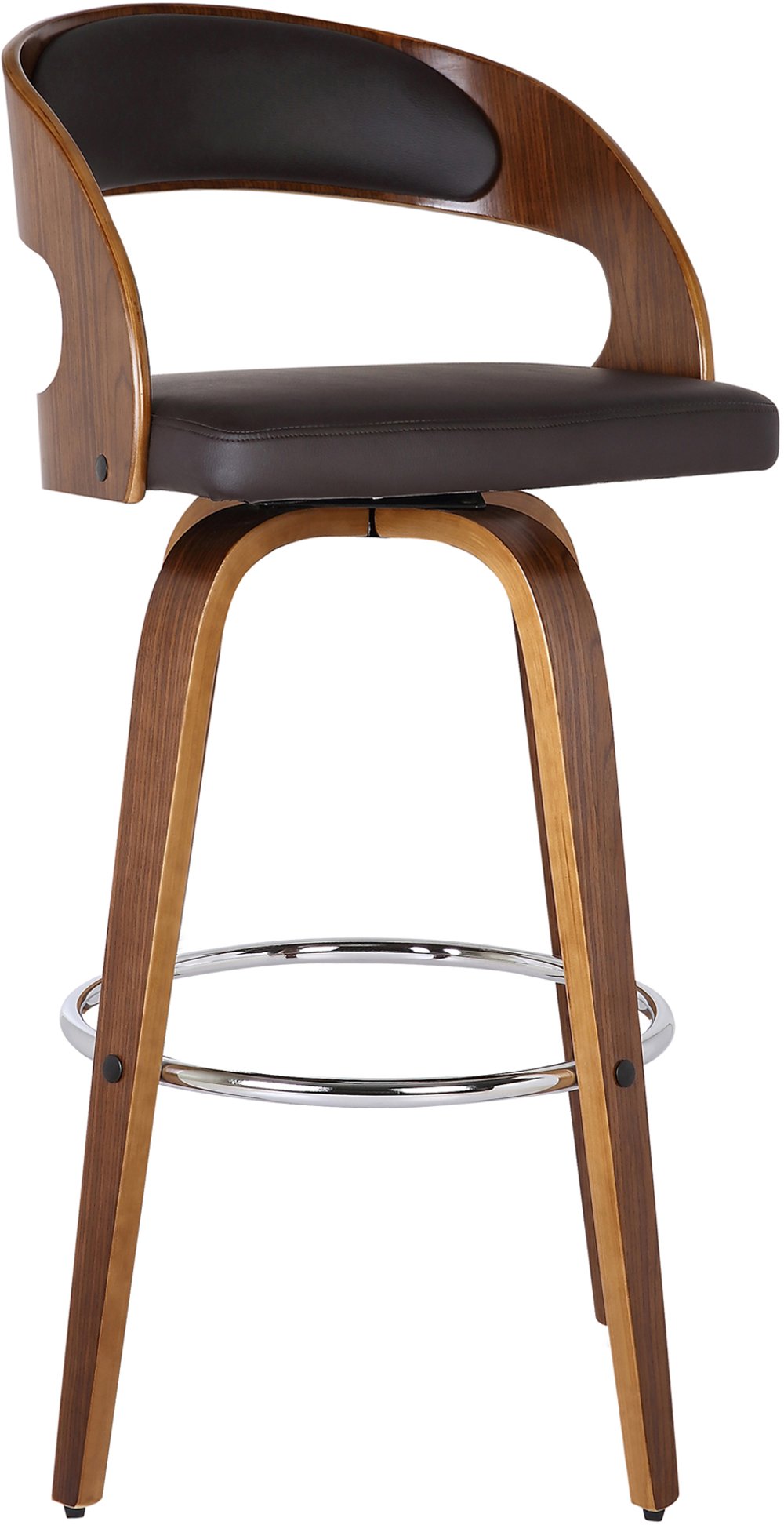
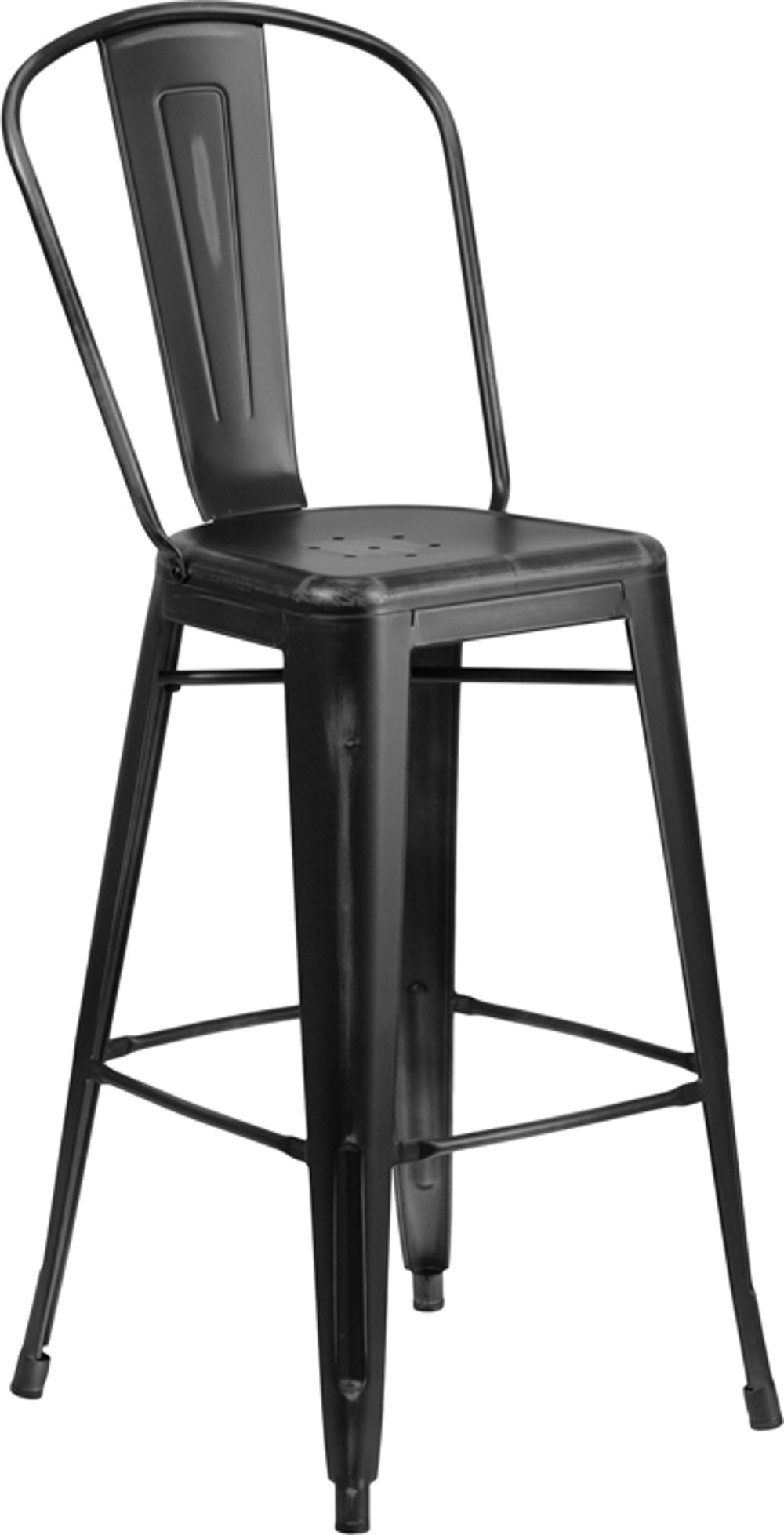
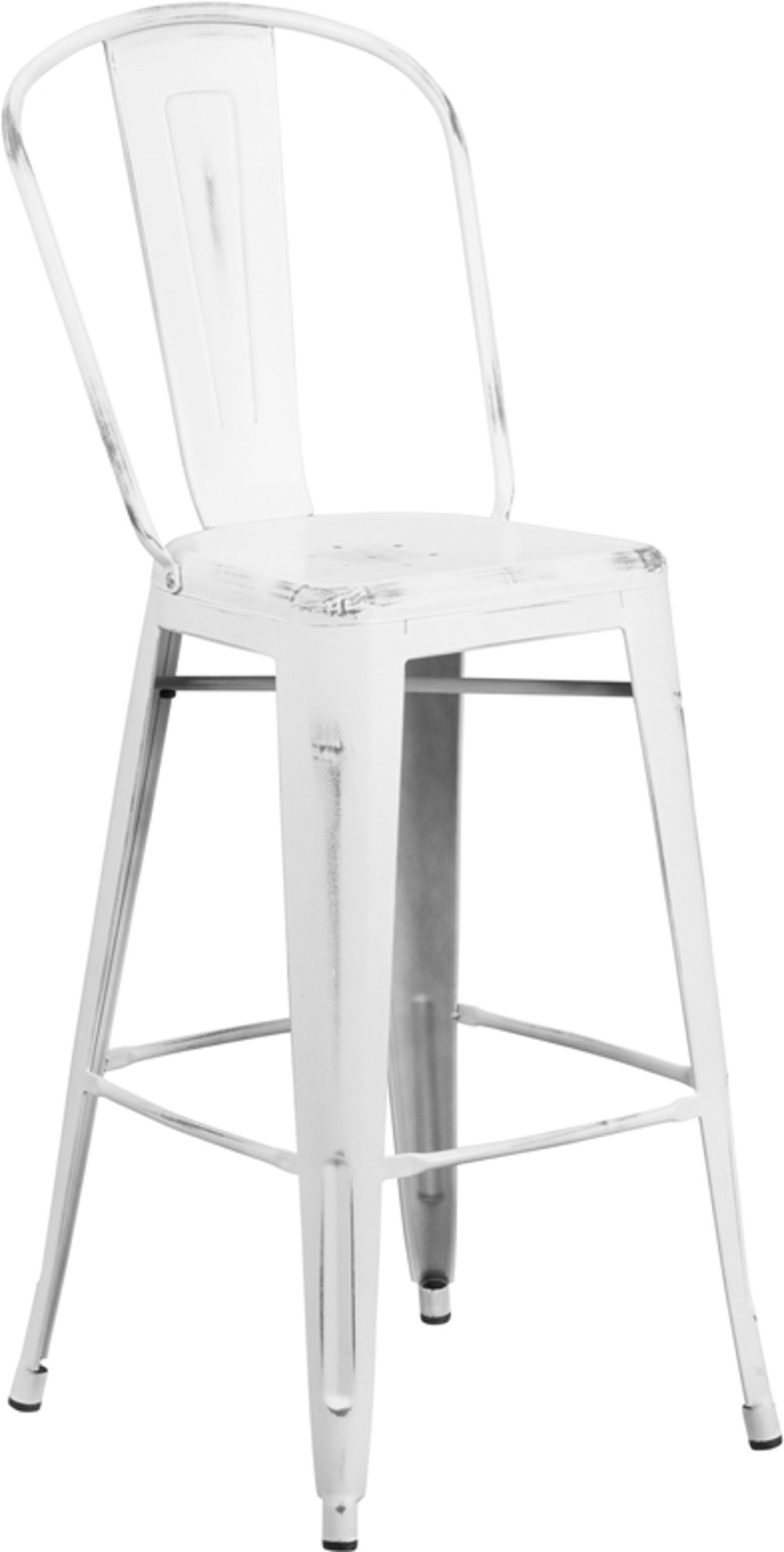
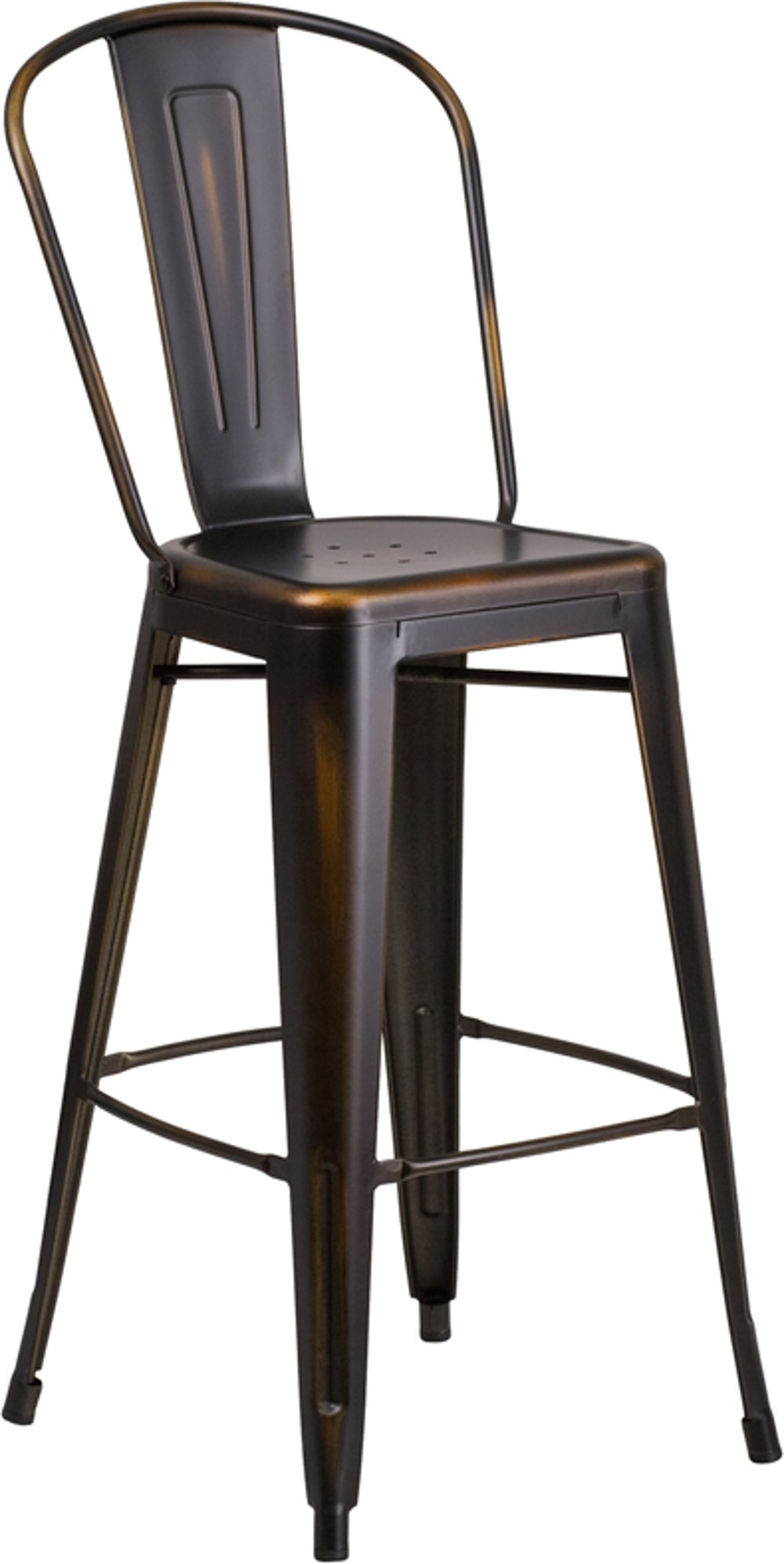
Stackable bar stools with backs bring together three useful features: elevated seating, a supportive backrest, and a design that nests vertically when the seats aren’t in use. They’re a practical fit for a home bar, an open dining area, or a smaller apartment where extra seating needs to earn its space. A few stools can stay at the counter for everyday meals, while matching extras stack in a designated storage spot until friends come over. Compared with backless stools, designs with backs give you a place to lean during a conversation or settle in over a leisurely breakfast. The shape of that support matters as much as its height. A low back offers a compact profile and some lower-back support, while a taller, contoured back provides more contact with your back without necessarily requiring thick padding. Open slats can keep a row of stools from looking visually heavy, and a solid curved back creates a more defined silhouette. Stackability varies by design, though. Some stools nest with their backs attached, while others require removable backs to come off before stacking. That distinction makes a real difference if you plan to clear the floor frequently rather than store the stools only occasionally. The overall dimensions of a stack also matter: angled legs and projecting backs can make its footprint wider than the seat itself. A stack that fits comfortably in a dining room corner might not fit inside a narrow closet. Stools designed with stacking bumpers or protective contact points help keep one frame from rubbing directly against another. For a household that moves between quiet meals and lively gatherings, these details make flexible seating easier to live with. The most useful stackable bar stools with backs feel at home while you’re sitting on them and remain manageable when it’s time to put them away.
A comfortable fit starts with the relationship between the seat and the surface above it. Counter-height stools generally have seats about 24 to 26 inches high and suit counters around 36 inches tall. Bar-height stools typically have seats about 28 to 30 inches high, although taller options exist for higher surfaces. A useful starting point is roughly 10 to 12 inches between the top of the seat and the underside of the counter or bar, with enough room to accommodate an apron or support rail beneath the surface. The listed overall height includes the backrest, so seat height is the measurement that determines how comfortably your legs fit. At a shared breakfast bar, about 24 to 30 inches of space along the counter per stool is a common starting point; wider seats, arms, and personal preferences can call for more room. That space helps keep elbows from competing during meals and gives someone room to get on or off a stool without disturbing the next person. Seat depth, back angle, and footrest position also affect comfort. A deep seat may feel roomy to a taller adult but make it harder for someone shorter to reach the backrest comfortably. A well-positioned footrest supports feet that would otherwise hang above the floor, while a gently shaped seat can feel more accommodating than a flat, sharply edged surface. Upholstered seats add cushioning for longer conversations or casual work at a raised counter, though padding and back thickness may increase the size of the stored stack. Arms offer another place to rest, but they need clearance beneath the counter if the stools will tuck in. In a compact room, a slim armless profile often leaves the walkway more open. These proportions help distinguish stools suited to a quick snack from seating that feels comfortable through dinner and a board game.
Materials shape the look, weight, upkeep, and durability of stackable seating. Steel frames often lend themselves to slim profiles and industrial styling, while aluminum can reduce the effort involved in lifting and moving stools. Actual weight still depends on the construction, so the listed weight is more helpful than appearance alone when frequent stacking is part of the plan. For a closer look at that material category, metal barstools with backs offer a related starting point, with stackability worth confirming in each design’s specifications. Powder-coated metal can provide a durable finish for everyday use, but it still benefits from gentle cleaning and protection against chips and abrasive contact. Wood seats or backs introduce visible grain and a warmer, more textured look alongside a metal frame. Bent plywood can create a curved seat or back with a relatively streamlined shape. Molded plastic and resin designs often have smooth surfaces that simplify wiping up crumbs and small spills, although suitability for outdoor use depends on the manufacturer’s rating rather than the material name alone. Upholstery brings a softer feel and another layer of texture; fabric, faux leather, and other coverings each have their own cleaning requirements. Prompt spill cleanup and care products approved for the finish or upholstery help preserve the surface without leaving unwanted residue or damage. Floor glides deserve attention, too. Intact, clean glides help reduce scraping, while grit trapped underneath can mark a floor even when a stool has protective feet. For lasting stability, sound joints, secure back attachments, and a frame that sits evenly matter more than a heavy appearance. Stated weight capacities and maximum stacking limits are important boundaries, and a tall stack belongs on a level surface away from busy walkways and children’s play areas. Stools should nest at their intended contact points without forcing the backs or seats together. Whether the setting is a compact kitchen or a dedicated entertaining space, thoughtful construction makes everyday sitting, cleaning, and storage feel like parts of the same practical design.
Read More