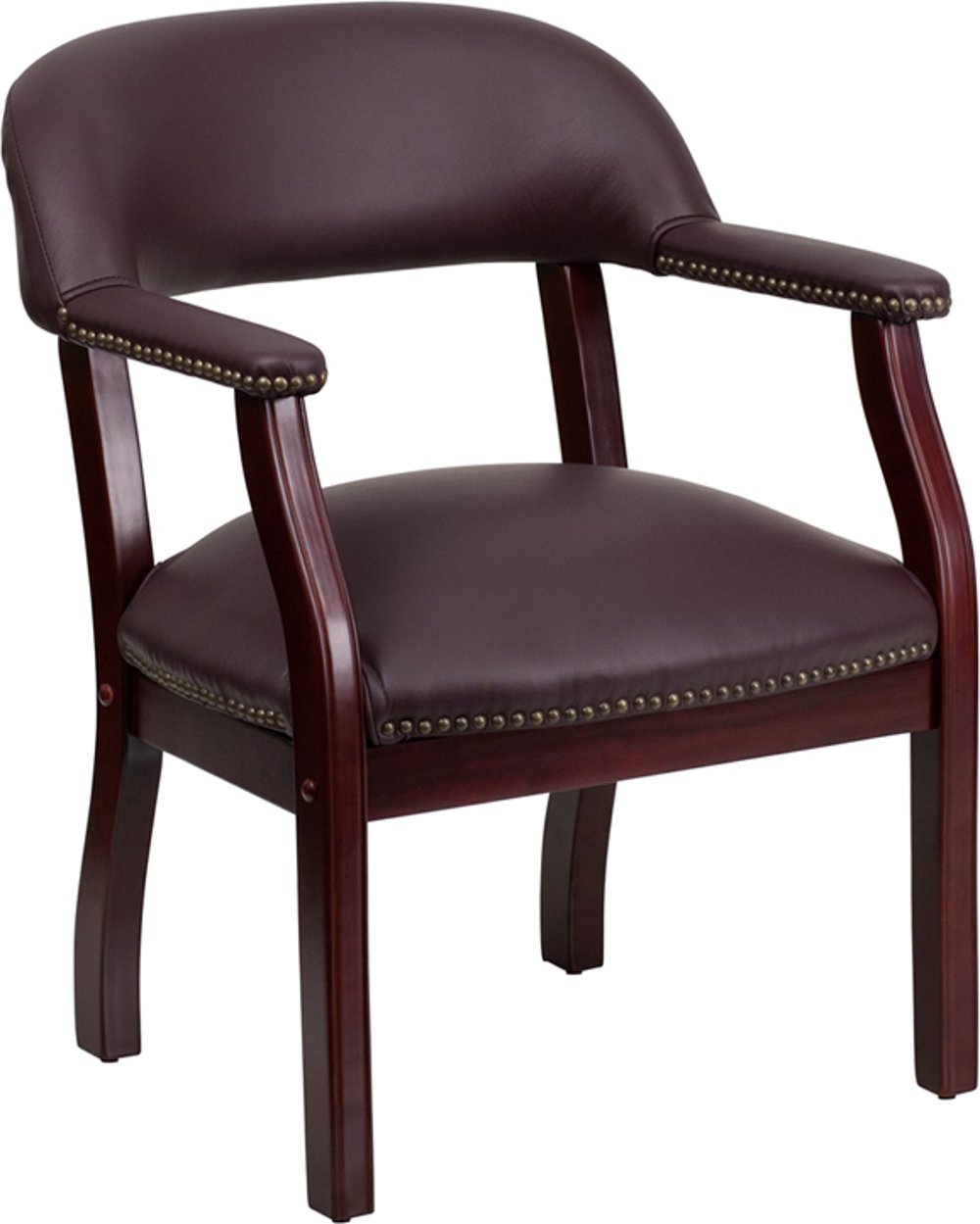
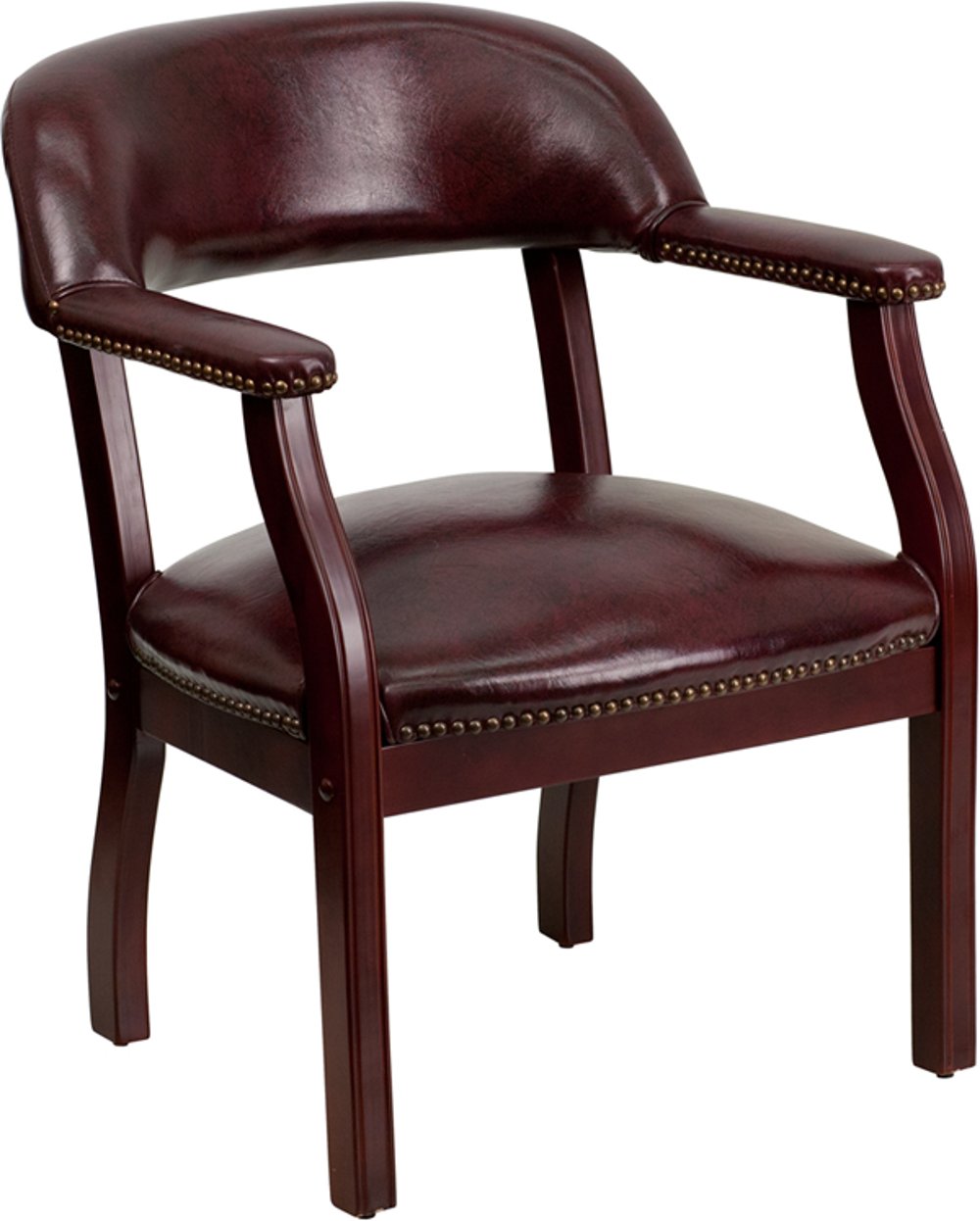
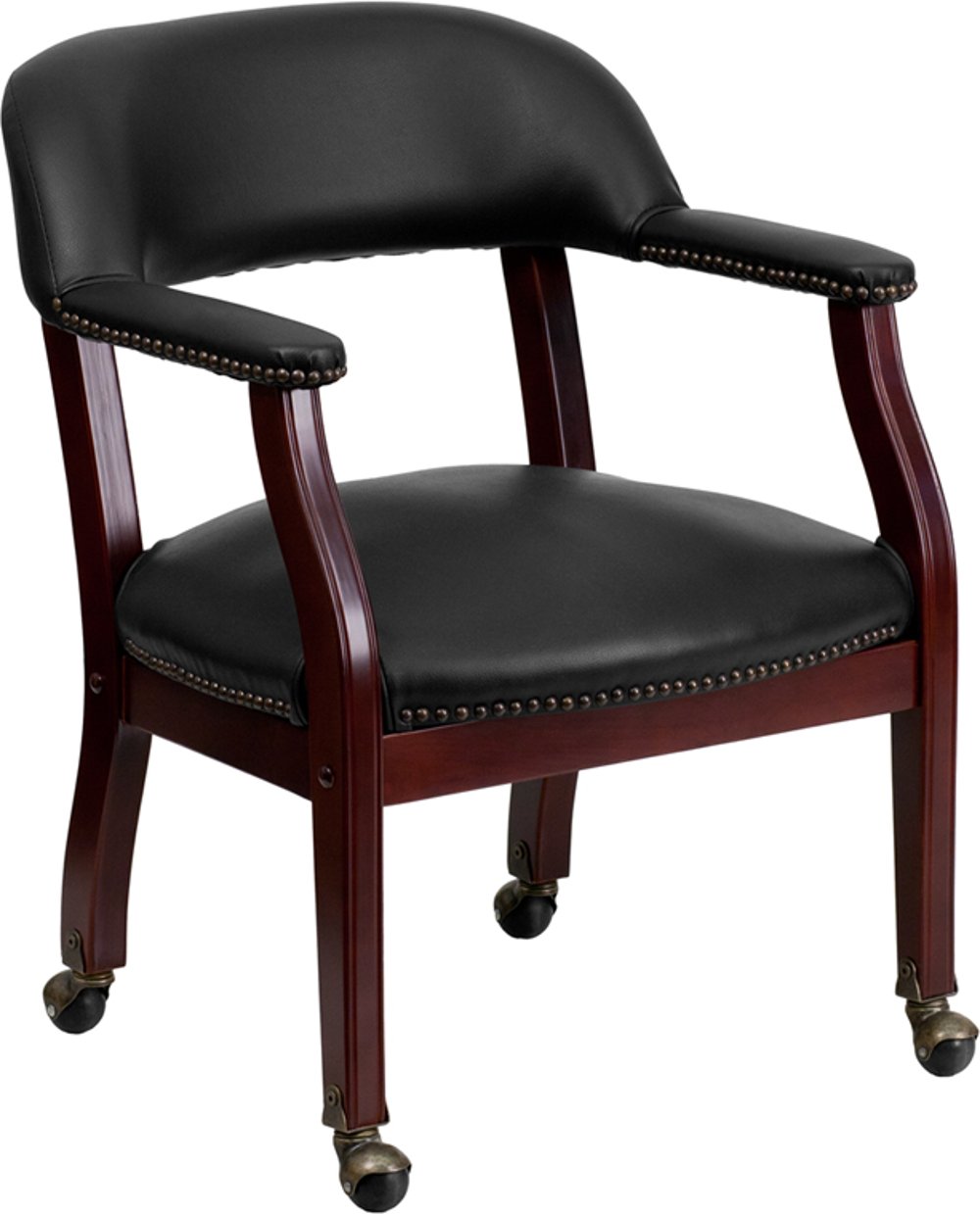
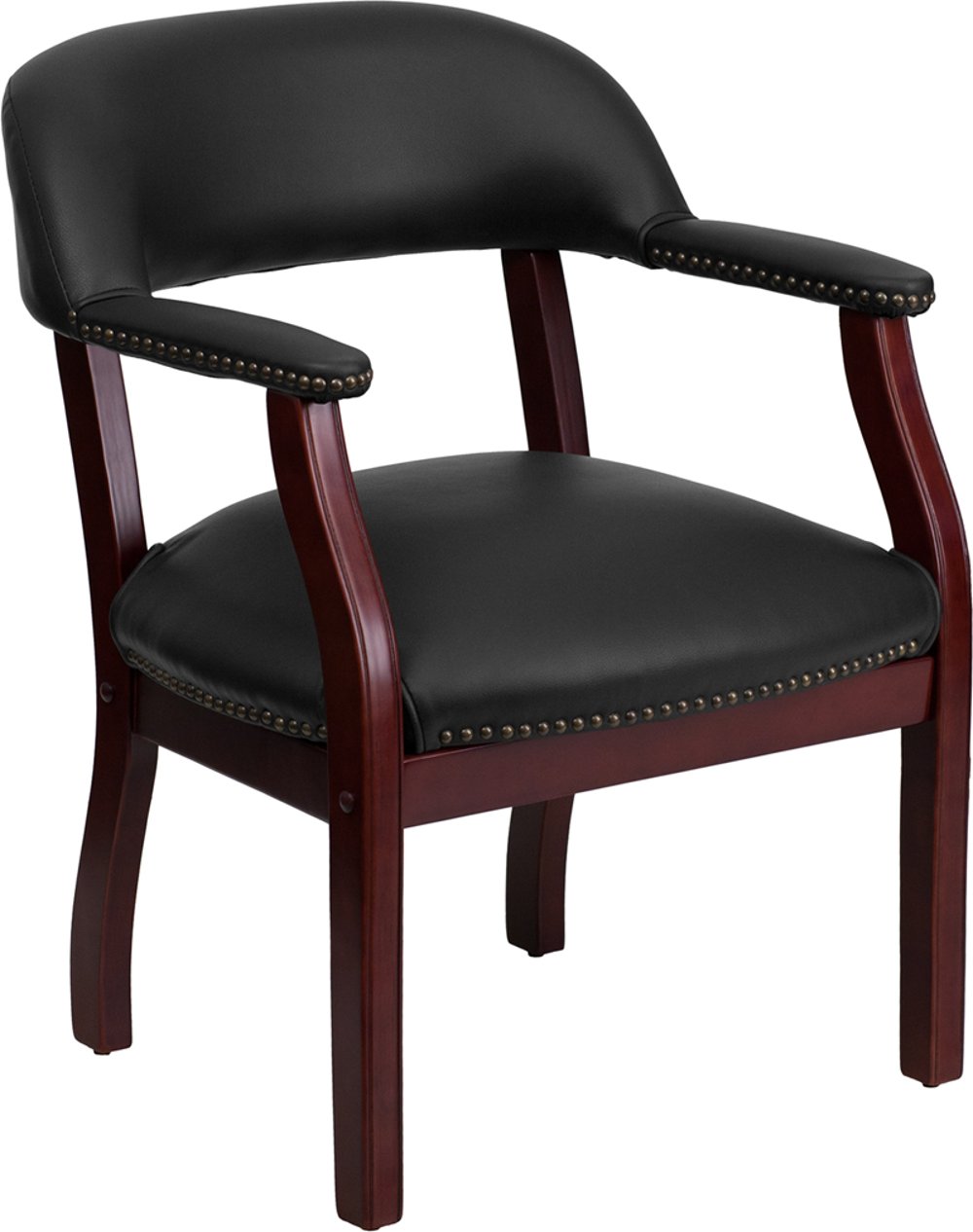
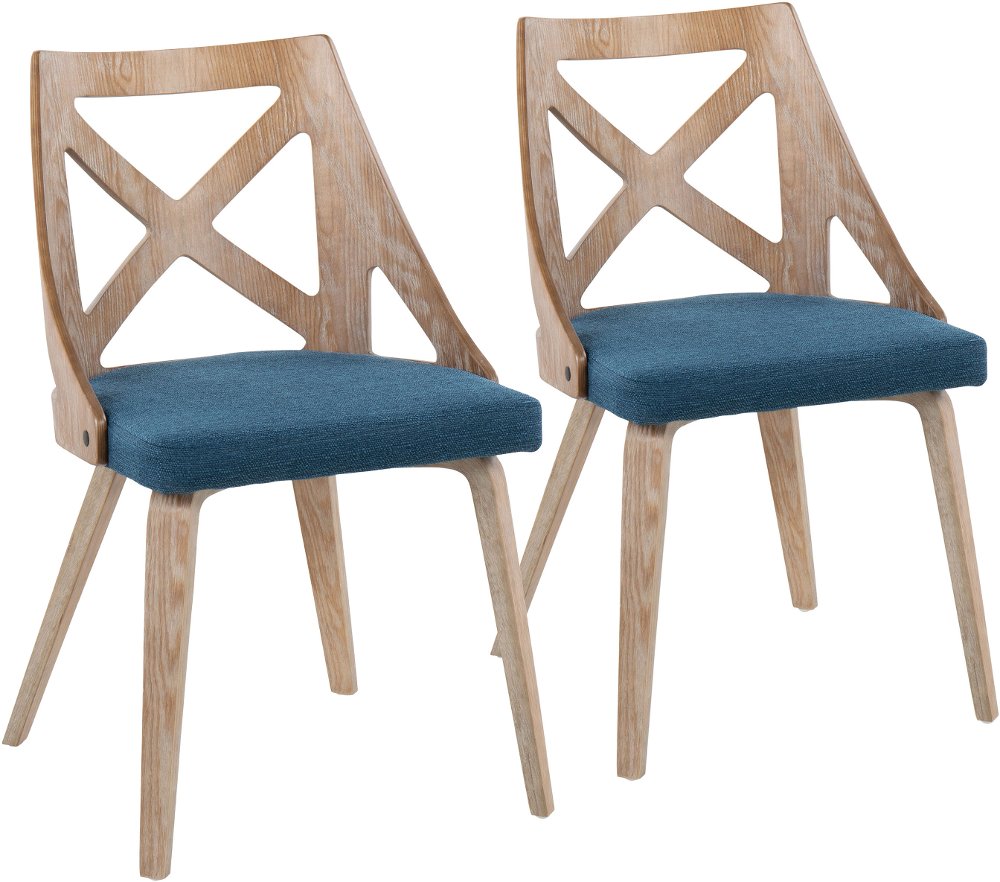
Statement accent chairs give a room something memorable: a sweeping curved back, a rich splash of color, or a sculptural silhouette that makes an ordinary corner feel intentional. More than decorative seating, these chairs create a comfortable place to settle in while adding personality that larger furniture pieces sometimes leave to the finishing touches. A rust-colored chair beside a neutral sofa brings warmth without changing the whole room, while a patterned armchair can pull together colors already found in a rug, artwork, or throw pillows. Statement style doesn’t have to mean bright or oversized, either. An ivory chair with exaggerated curves, a leather seat framed in wood, or a tailored chair with distinctive legs can stand out through shape and texture alone. The right presence depends on the space around it. In a living room with a deep sectional, an accent chair with an open frame can offer visual breathing room. In a bedroom with simple bedding and quiet colors, a generously upholstered chair can become the room’s most inviting detail. A pair of chairs facing a sofa encourages conversation, while a single chair angled toward a window makes a natural spot for coffee or a few chapters before bed. For interiors that lean contemporary, Unique Modern Accent Chairs offer another way to explore distinctive shapes and expressive design. Still, a statement chair doesn’t need to match every other piece to belong. Repeating one element, such as a warm wood tone or a soft blue found elsewhere in the room, helps an unexpected design feel connected. That balance is especially useful in homes that have come together over time, where inherited tables, favorite artwork, and everyday furniture share the same space. A chair with character can bring those elements together without making the room feel overly coordinated.
Materials give statement accent chairs much of their character, and they also influence how a chair feels during everyday use. Velvet brings depth to jewel tones and soft neutrals because its pile catches the light differently as you move around it. That same texture can show shading or pressure marks, which are worth considering if a consistently smooth appearance matters to you. Bouclé and other textured weaves create a cozy, dimensional surface, though looped fabrics may be more vulnerable to snagging from pets’ claws. Tightly woven upholstery can provide a cleaner, more tailored look, while leather adds natural variation and often develops more character with use, depending on its finish. Genuine leather, bonded leather, and faux leather have different care needs and wear characteristics, so the material description matters as much as the color. If a chair will become a favorite seat for snacks, reading, or family conversation, look closely at any stated performance features rather than assuming all upholstery resists spills or stains. Durability also comes from what’s beneath the surface: frame construction, supportive suspension, secure joints, and cushioning suited to repeated use all contribute to lasting comfort. Wood and metal frames can both serve well when thoughtfully constructed, and exposed arms or legs bring their own maintenance considerations. A wood arm may feel pleasantly smooth under your hand, while a fully upholstered arm offers a softer place to lean. Keeping the chair looking its best usually starts with gentle, regular attention. Vacuum upholstery with an appropriate attachment, follow the manufacturer’s cleaning instructions, and blot spills promptly instead of rubbing them into the fabric. Use only cleaning products approved for the material, and protect upholstery and leather from prolonged direct sunlight and nearby heat sources when possible. During the cooler months, a washable throw can add comfort, but it isn’t a substitute for choosing upholstery that suits the way your household lives.
Fit is where a beautiful accent chair becomes a genuinely useful part of your home. Overall width and depth show how much floor space a chair needs, but seat height, seat depth, back angle, and arm placement have just as much influence on comfort. A deep, lounge-style seat may suit someone who likes to curl up with their feet tucked beneath them, while a shallower seat and a more upright back can make conversation or getting up feel easier. A lower silhouette may look appealing beside a low sofa, but someone who prefers firmer support may be happier with a taller seat and sturdy arms. For shared spaces, consider the people who will sit there most often rather than choosing by appearance alone. A reading chair benefits from a nearby lamp and a reachable spot for a mug or glasses; a chair used mainly when guests visit should make it easy to face the conversation. Swivel accent chairs can be especially practical in rooms that connect several activities, letting the sitter turn between a seating group and a view without moving the base. They need enough clearance to rotate comfortably, just as reclining designs need space for their full range of motion. In a smaller apartment, an armless or exposed-leg chair can keep the arrangement feeling open, though its actual measurements still matter more than its visual lightness. Allow comfortable walking space around the chair, check that doors and drawers can open, and account for the delivery path through hallways and entrances. Painter’s tape on the floor can help you picture the footprint before committing to a layout. Whether it becomes a quiet retreat in a bedroom, an extra seat in a home office, or a favorite place to catch up with friends, a statement accent chair works best when its distinctive look supports a real daily habit. The result is a room that feels more personal, more welcoming, and easier to enjoy.
Read More