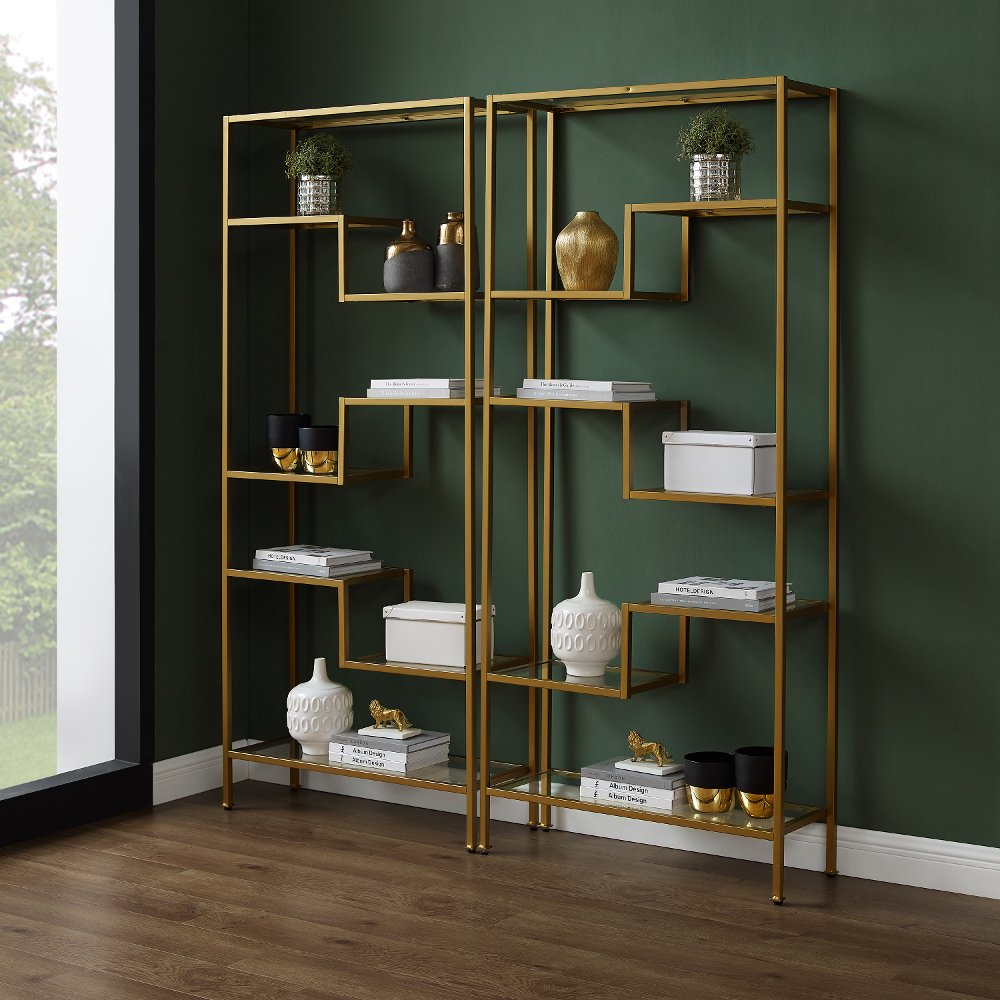
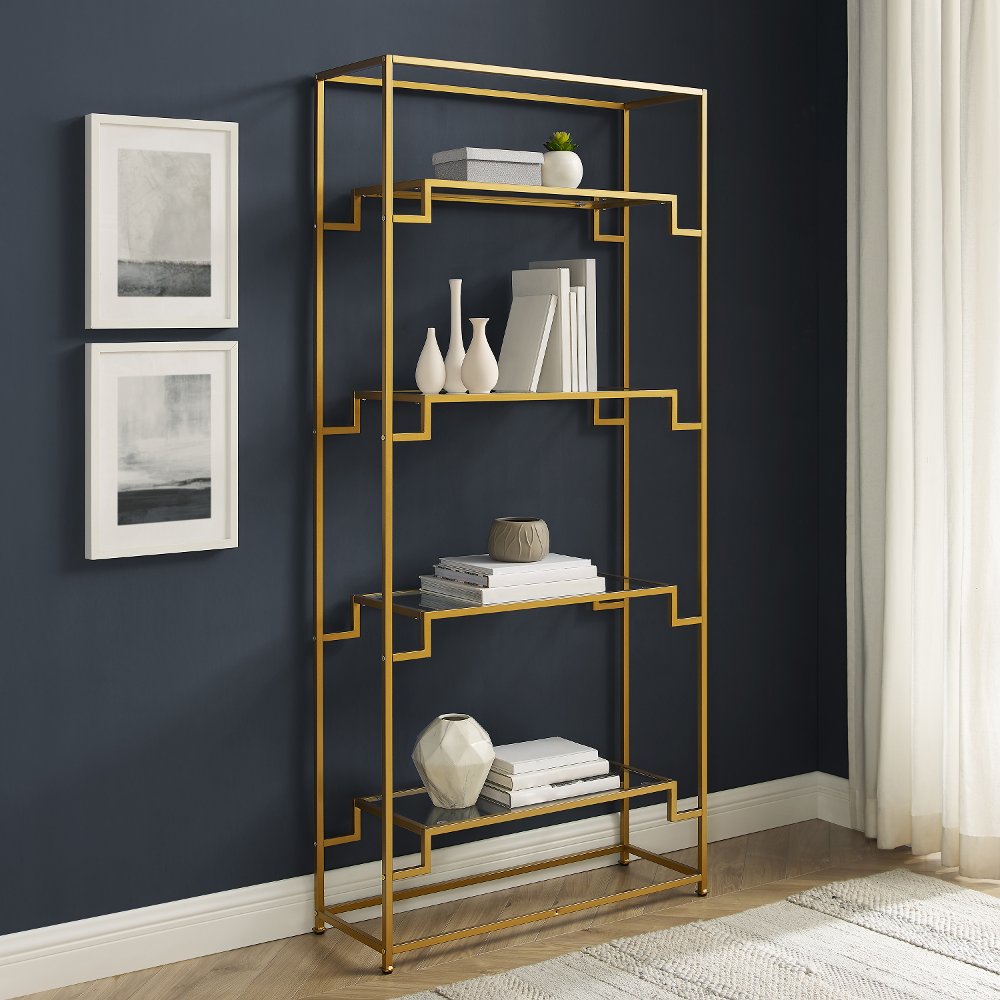
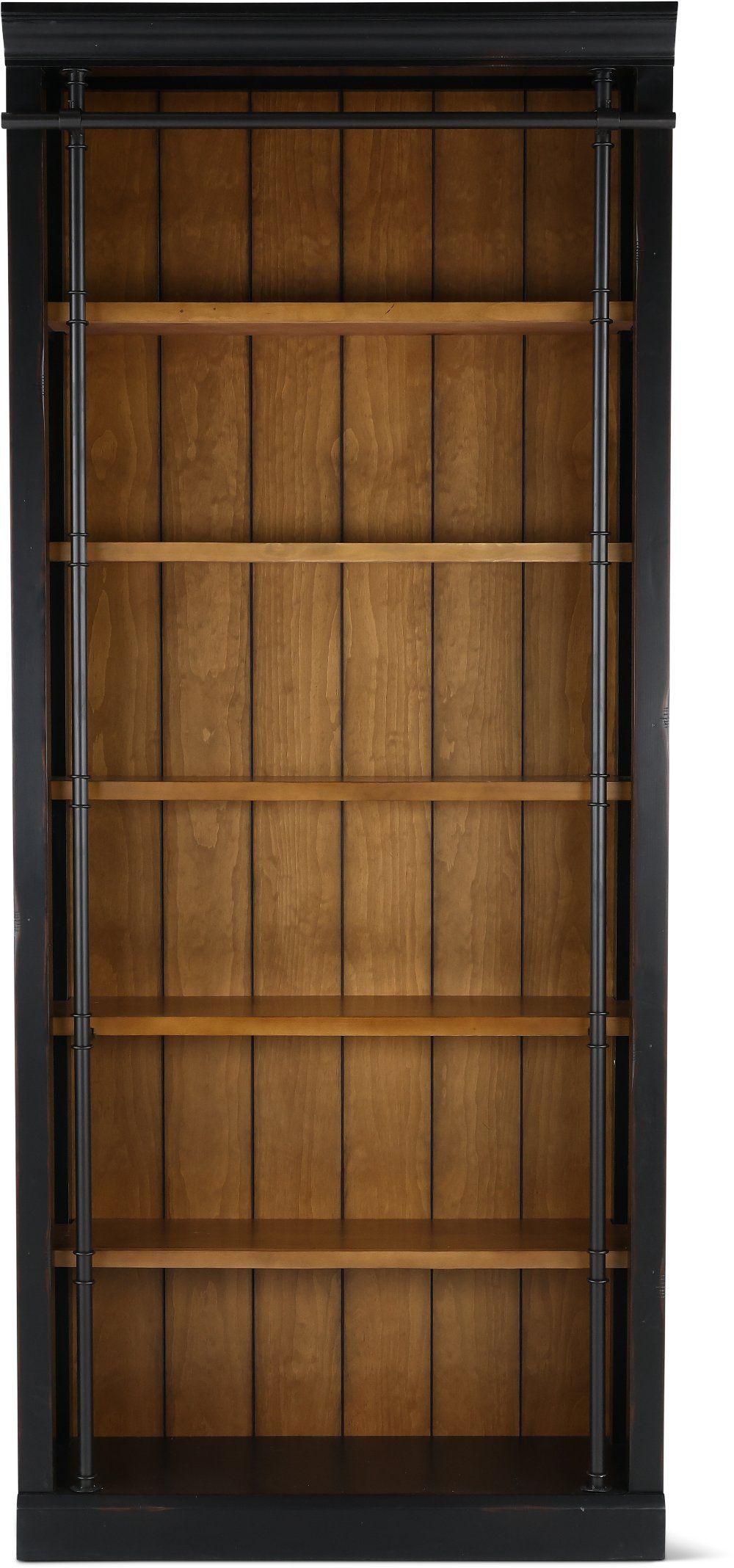
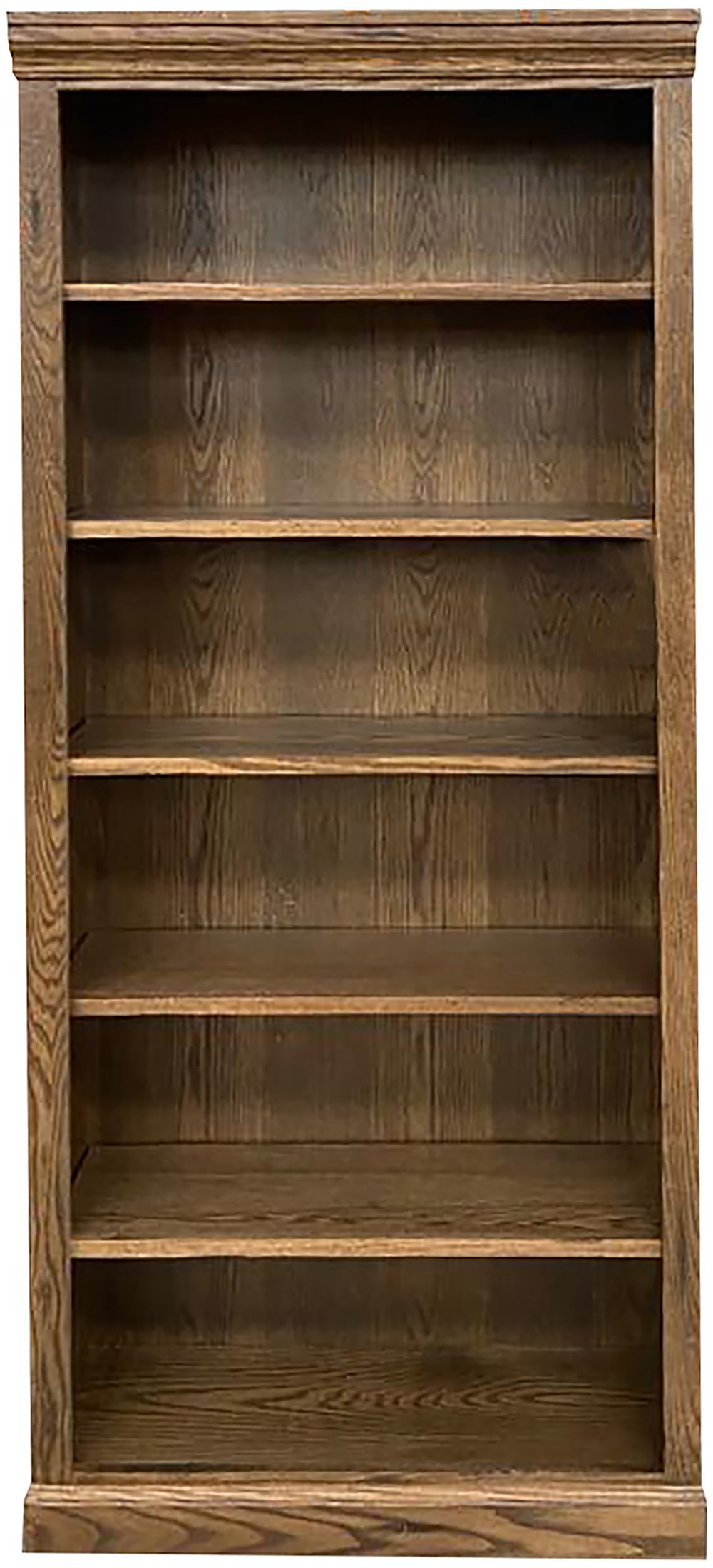
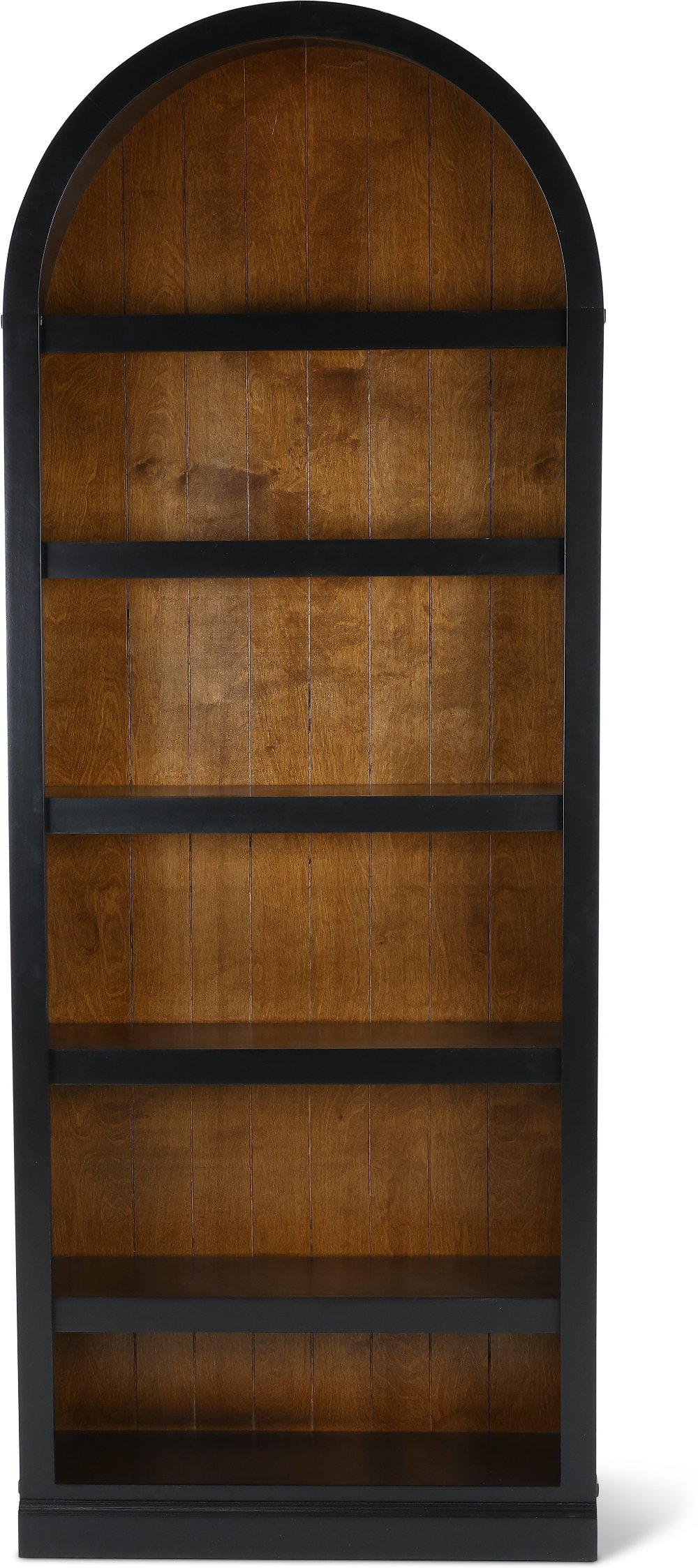
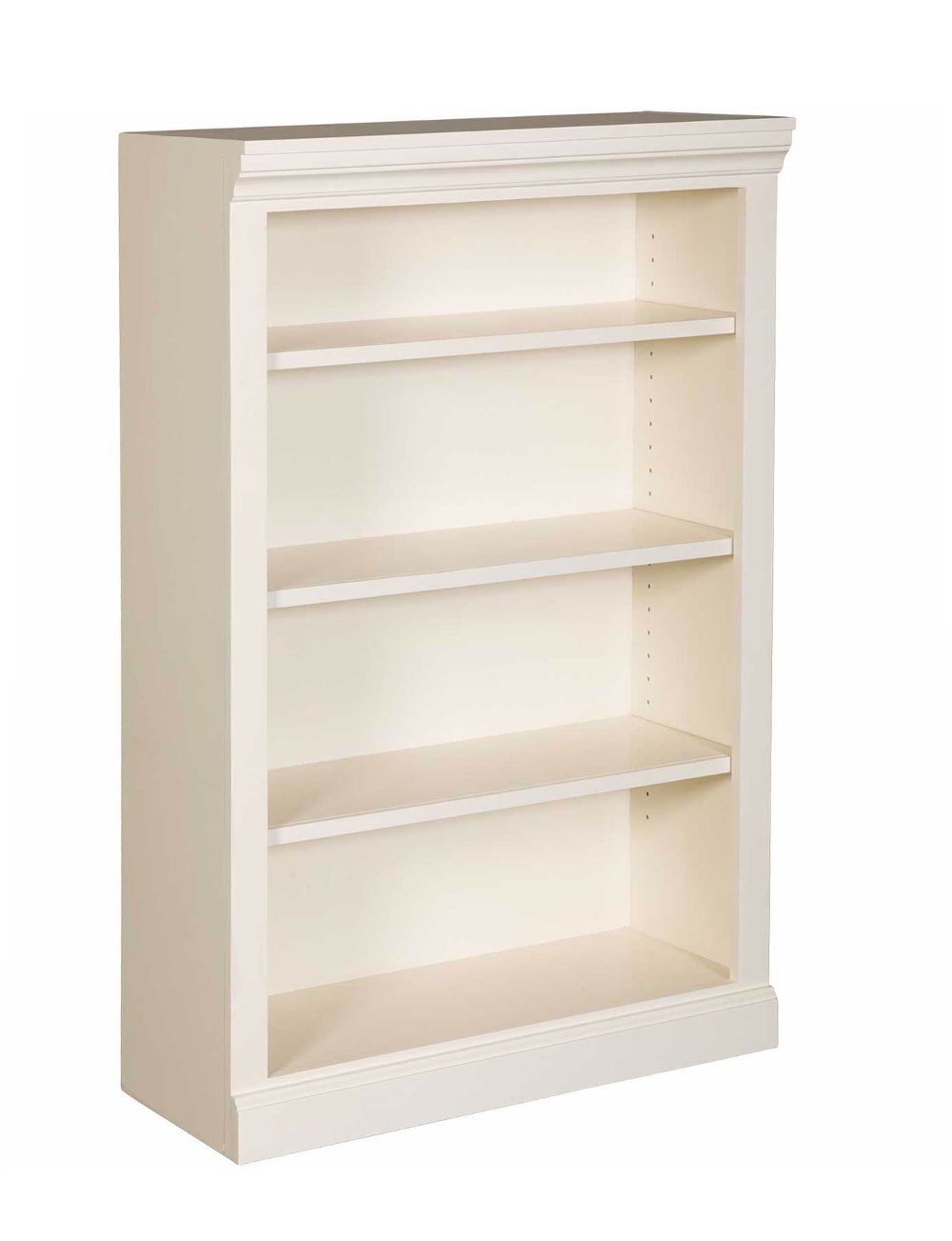
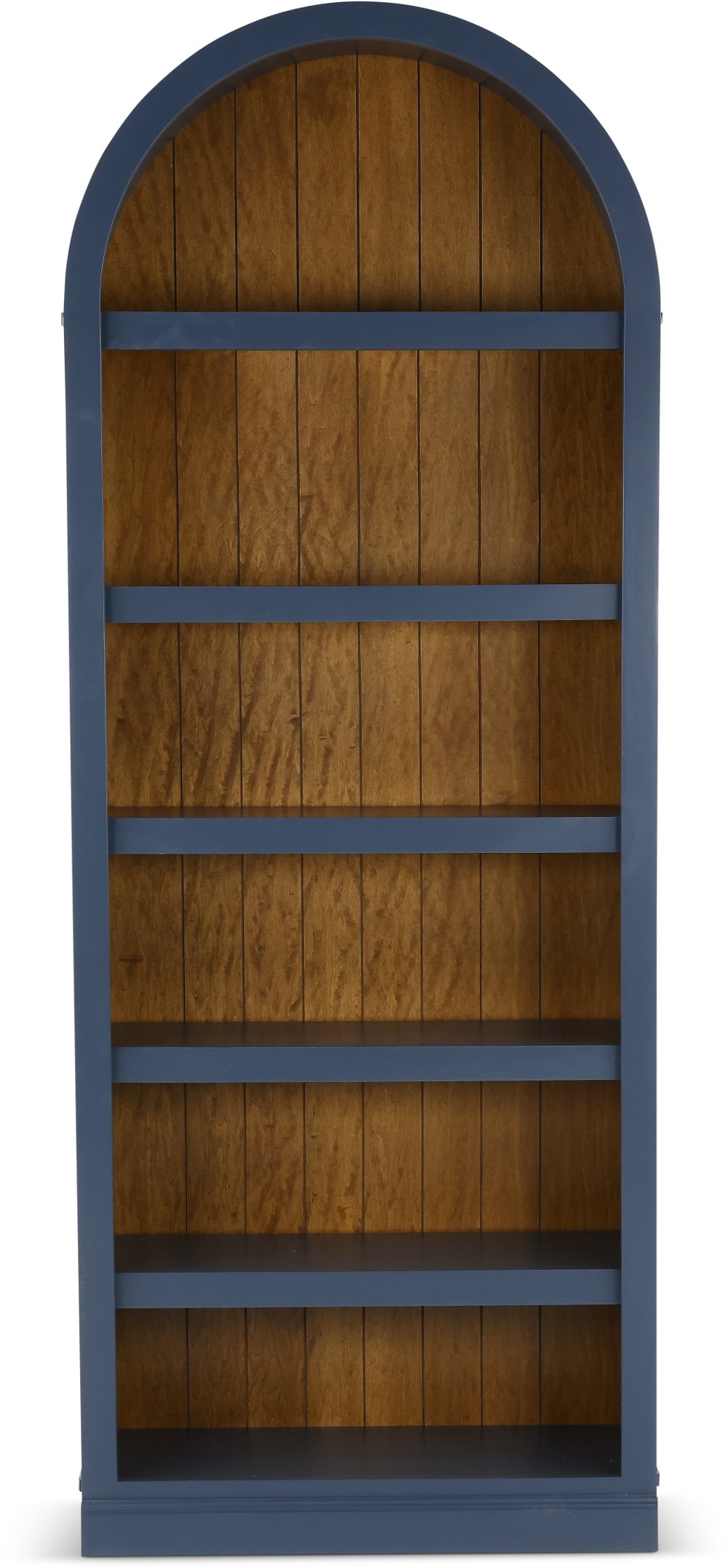
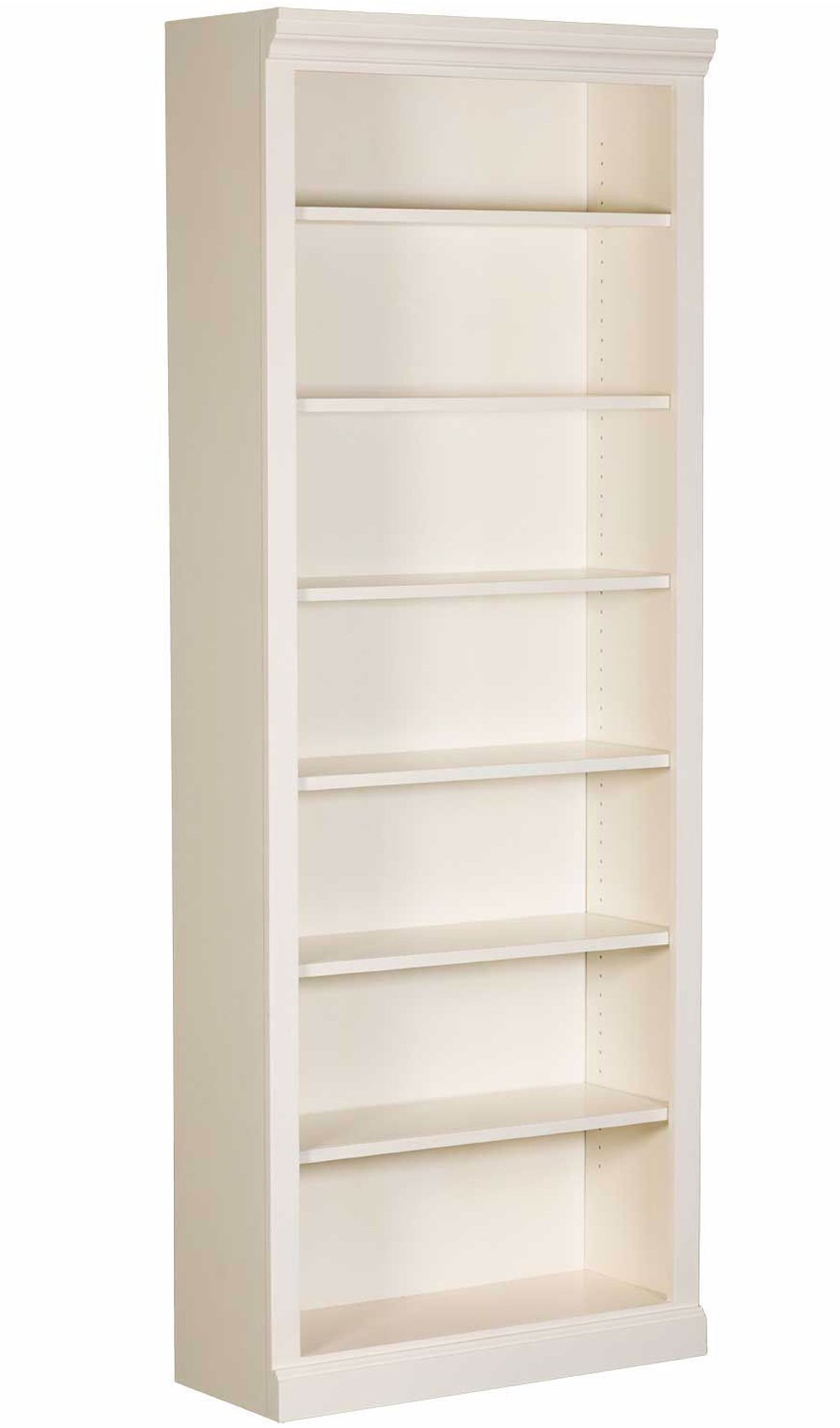
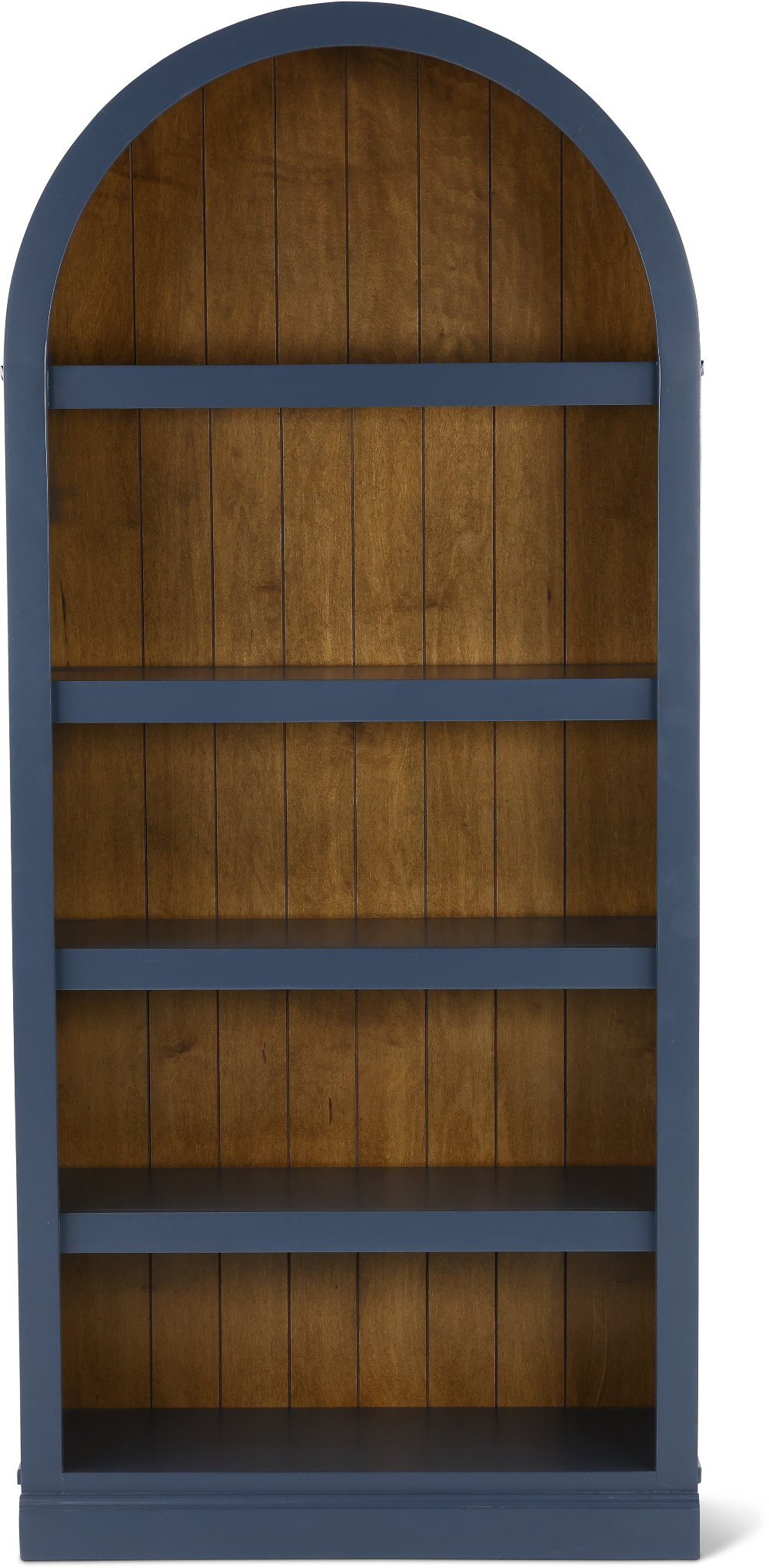
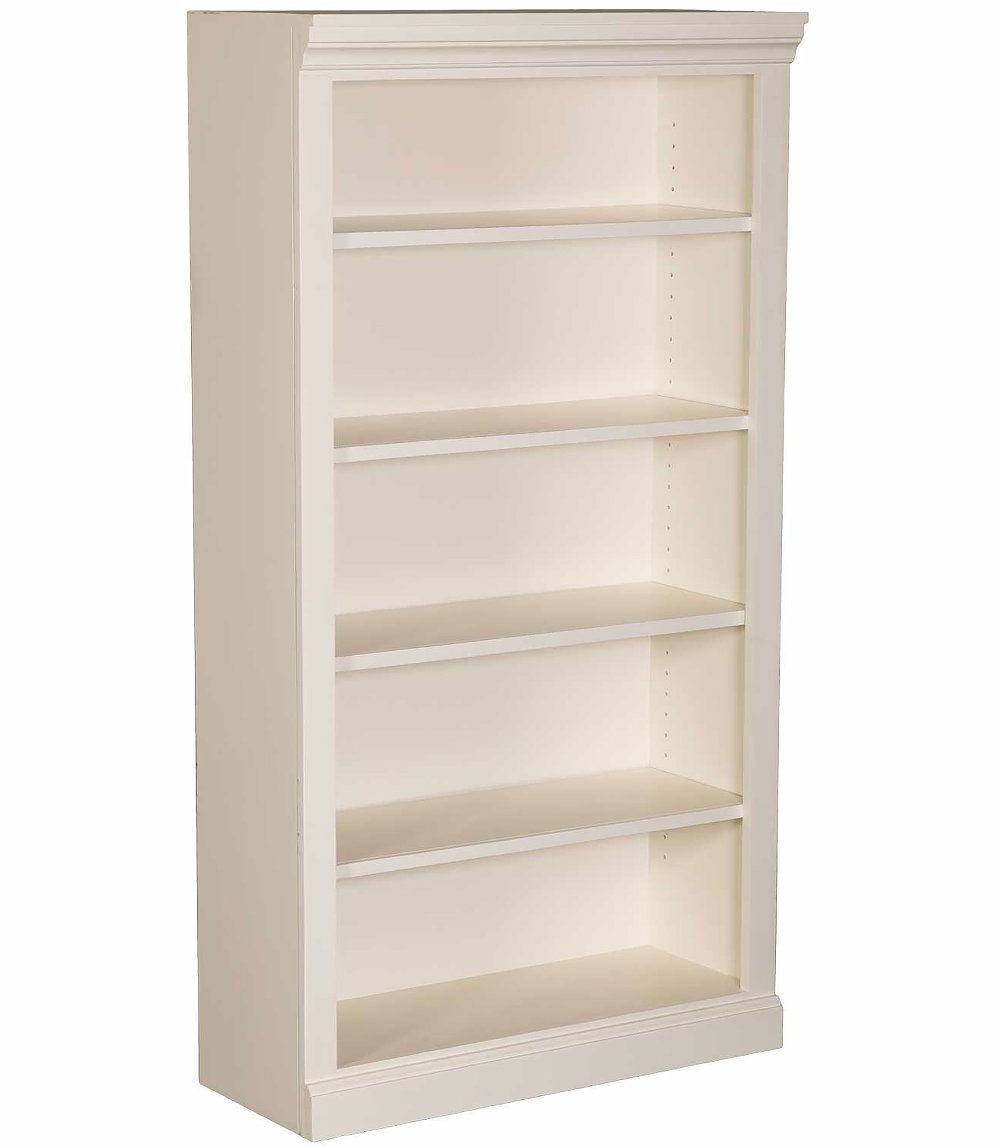
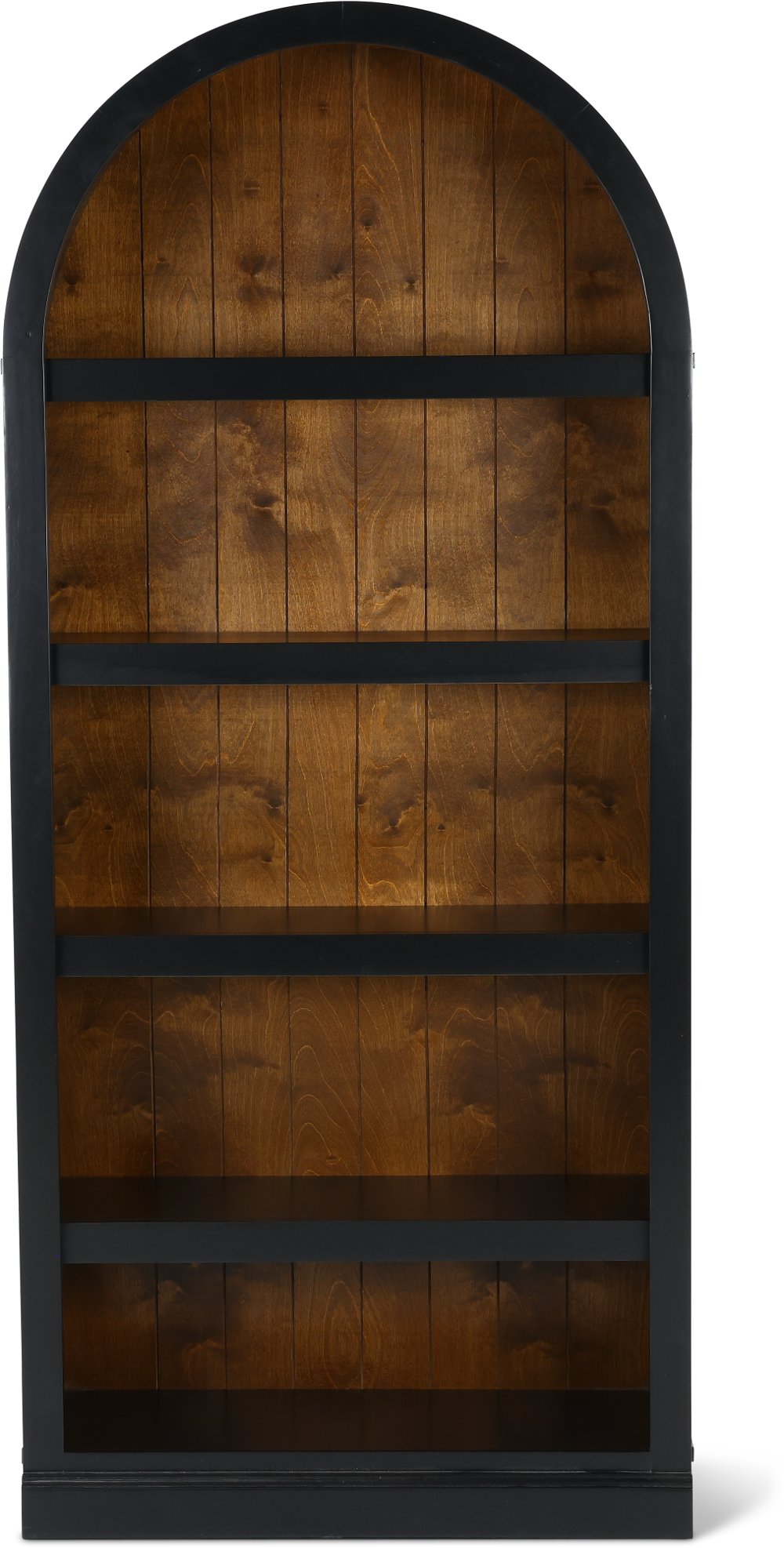
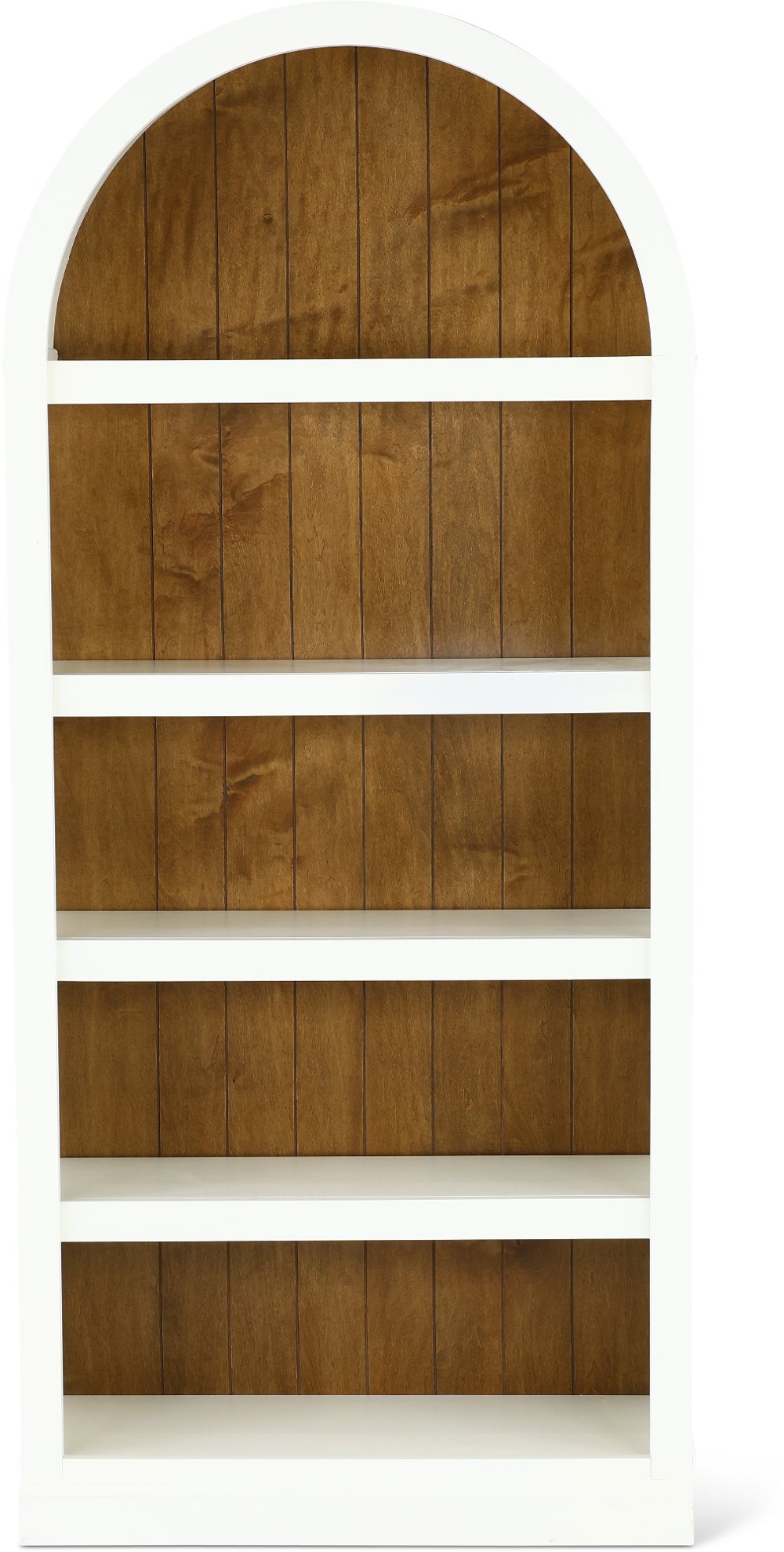
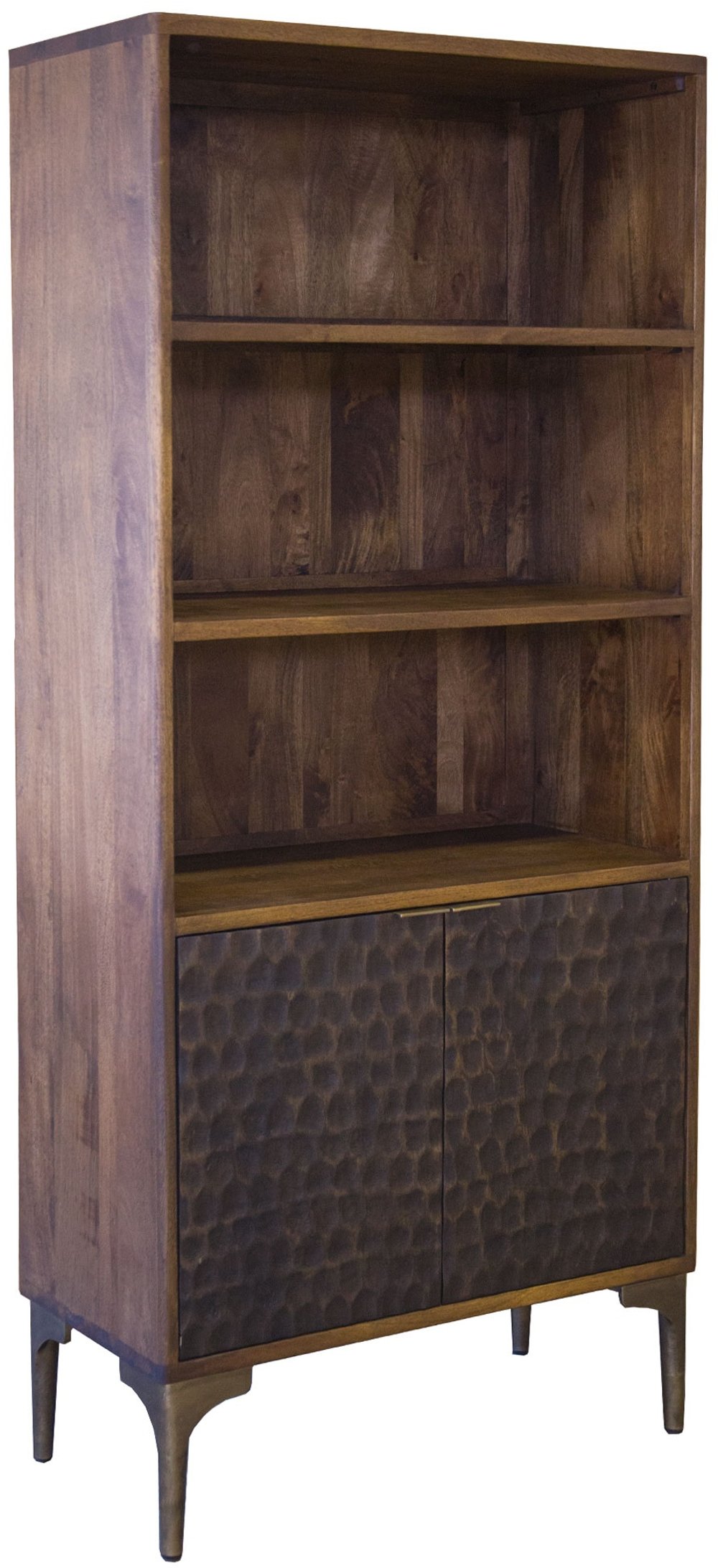
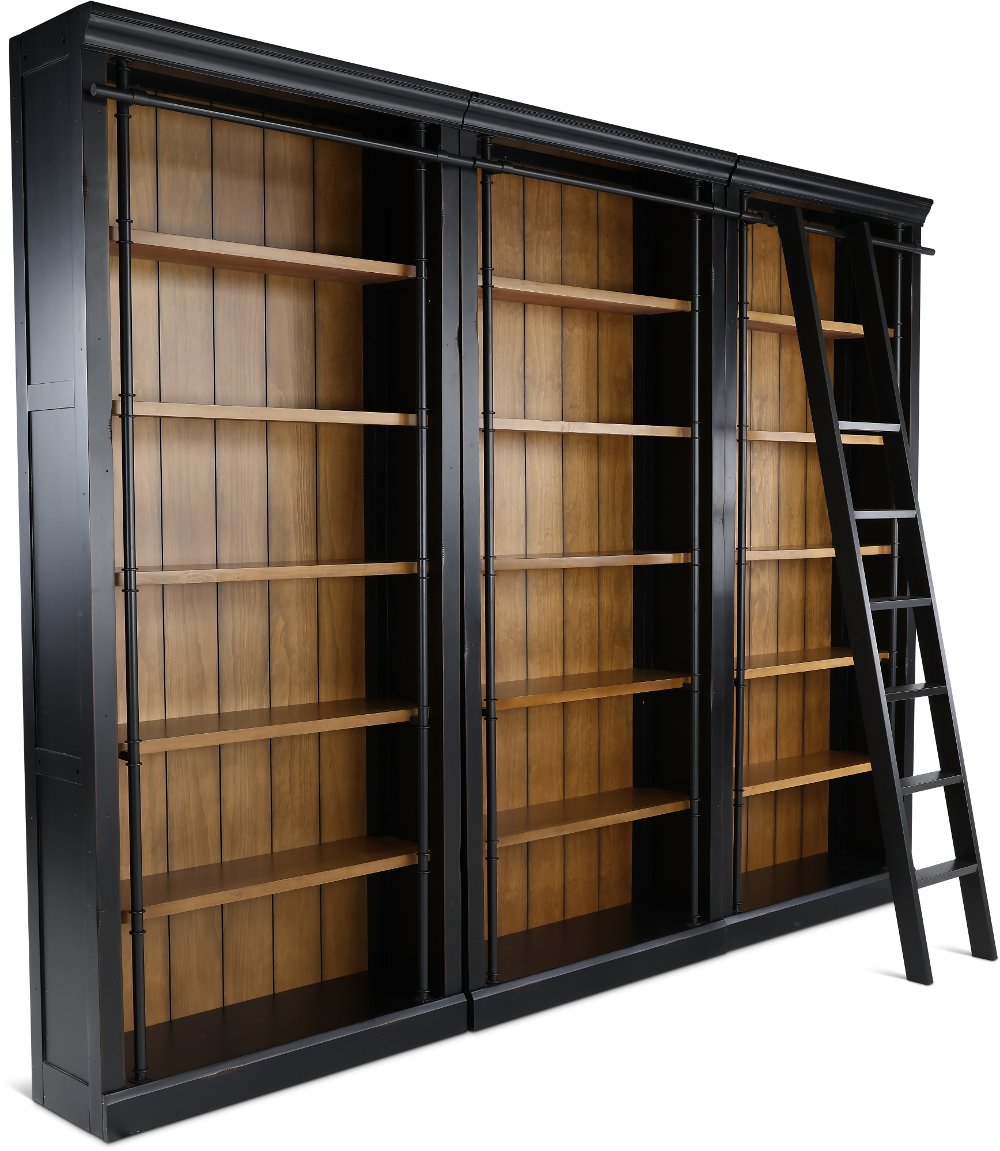
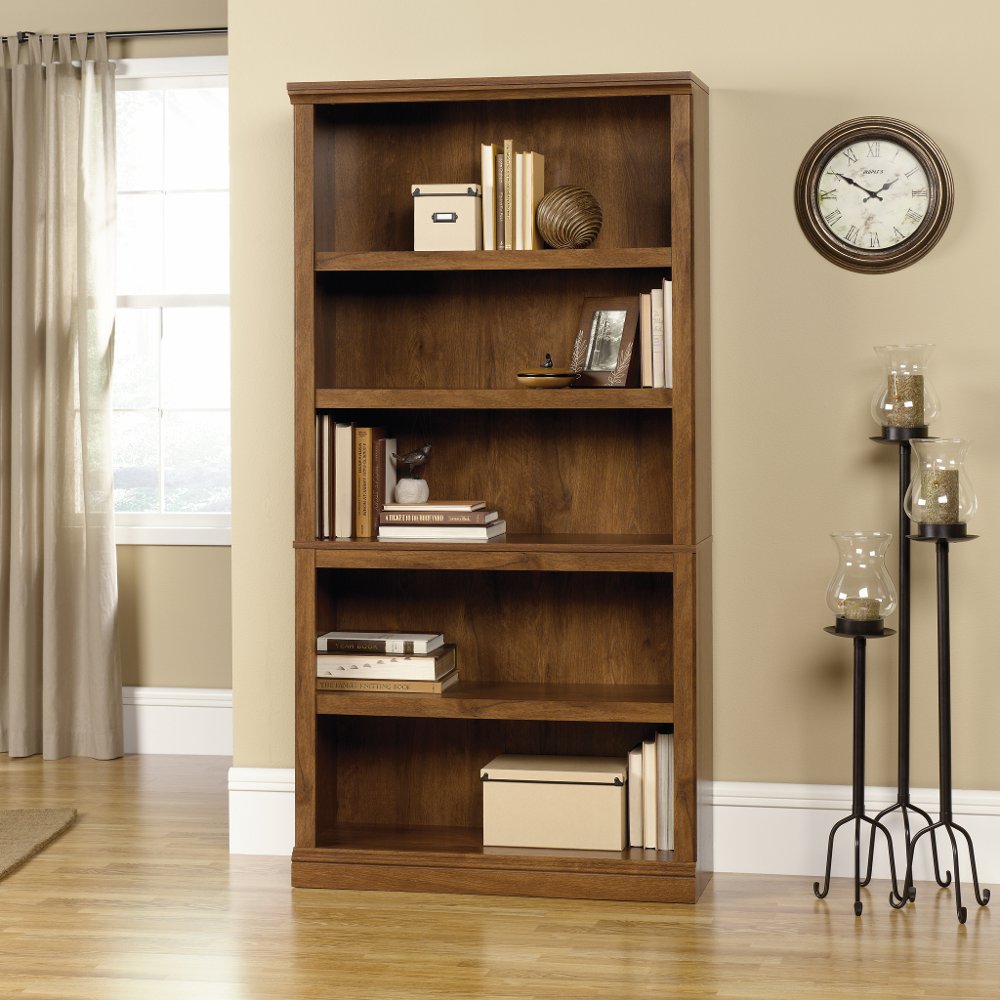
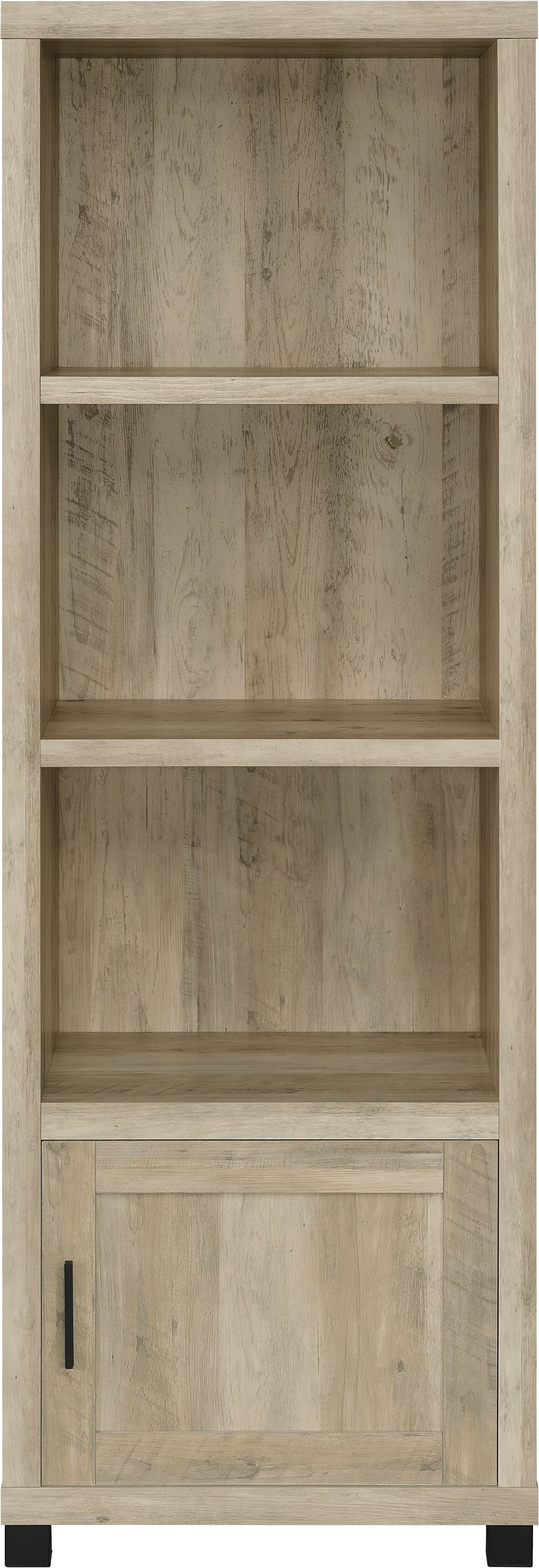
Statement bookshelves turn everyday storage into a defining feature of your home. Instead of blending into the background, these bookcases use shape, scale, color, and material to give a room its own point of view. A sculptural frame can bring warmth to a quiet reading corner, while an arched silhouette adds a graceful architectural detail to a living room, bedroom, office, or entryway. Geometric shelves with staggered tiers create an open, modern display, and darker finishes can anchor a room with a rich, grounded look. If your home leans traditional, look for softened edges, warm wood tones, and balanced proportions. For a contemporary space, asymmetrical layouts, clean lines, or a combination of metal and wood can add energy without making the room feel crowded. Natural textures, woven accents, and varied finishes can also make a statement bookshelf feel collected rather than overly matched. When comparing options, start with the practical details: measure the wall, doorway, ceiling height, and surrounding furniture, then account for baseboards and the space needed to open nearby doors or drawers. A tall bookshelf can make a ceiling feel higher, but it should still feel comfortably scaled to the room. Check the shelf depth against the items you plan to display, especially larger art books, storage baskets, framed photographs, or decorative objects. Adjustable shelves offer flexibility as your collection changes, while fixed shelves may provide a more structured appearance. For a sturdy, timeless foundation, explore Wood Bookshelves and consider how the finish will work with your flooring, tables, lighting, and other furnishings. A statement piece should feel special, but it also needs to support the way you live each day.
A bookshelf can serve many purposes beyond holding novels. In a family room, it can organize board games, baskets, albums, and favorite books while giving children an easy place to return their things. In a home office, it can hold reference materials, supplies, framed certificates, and a few objects that make work feel more personal. A bedroom bookshelf can display poetry, travel keepsakes, small lamps, and the books that help you settle in at the end of the day. In an entryway, a narrow shelving unit can create a welcoming landing place for baskets, mail, and seasonal accessories, provided it leaves a clear path for coming and going. Open shelving works especially well when you want a room to feel airy and connected, while shelving with doors or drawers can tuck away items that do not need to remain on view. A statement bookshelf can also make a thoughtful gift for someone settling into a new home, building a first apartment, creating a nursery reading nook, or investing in a home library. It gives the recipient room to show who they are, whether that means lining up well-loved mysteries, displaying family photographs, or arranging souvenirs from meaningful travels. During warmer seasons, open shelves can hold woven baskets, light ceramics, and leafy plants that bring a fresh feeling indoors. As the weather cools, the same shelves can shift toward candles, textured pottery, framed art, and a cozy stack of books. Choose a location with suitable light for the materials and anything living or delicate that you plan to display, and keep moisture, direct sunlight, and heat sources in mind. If the bookshelf will stand in a home with young children or pets, prioritize a stable design and use the appropriate wall-anchoring hardware. Thoughtful placement helps the piece look beautiful while keeping your household comfortable and confident around it.
Styling a statement bookshelf is easiest when you treat it as a composition rather than a place to fill every available inch. Begin with the largest items, such as a tall vase, framed artwork, basket, or substantial group of books, and distribute them across the shelves so one side does not feel visually heavy. Add books in both upright rows and horizontal stacks to create a natural rhythm, using the stacks as small platforms for ceramics, plants, or treasured objects. Varying height adds depth, while repeating a color or material in several places helps the arrangement feel intentional. Leave breathing room around standout pieces; open space gives the eye a place to rest and allows the bookshelf’s shape to remain visible. A few empty areas can make a display feel more relaxed, especially when the shelves themselves feature an unusual arch, diagonal line, rounded corner, or asymmetrical pattern. Mix smooth and textured surfaces, such as glazed pottery with woven baskets or natural wood with metal accents, while keeping the overall palette connected to the room. Place fragile items higher only when the area is secure, and keep frequently used belongings within easy reach. Books should be arranged in a way that feels natural to you rather than by color alone, although grouping similar tones can create a polished look. Rotate smaller accents from time to time as your interests, seasons, and routines change; a bookshelf should tell your story, not look frozen in place. With the right proportions, reliable construction, and a thoughtful mix of books and personal pieces, statement bookshelves can provide useful storage while transforming an ordinary wall into a warm, expressive focal point.
Read More