Stereo speakers use separate left and right audio channels to create a soundstage: the sense that voices and instruments occupy different places across the space in front of you. With a well-recorded track and a thoughtfully placed pair, a singer can seem centered between the speakers while a guitar sits to one side and percussion stretches across the background. That separation gives stereo music more dimension than playback through a single mono speaker, without requiring a full surround sound system. A pair of stereo speakers can anchor a living room listening setup, bring detail to a home office, or give a favorite record collection room to shine. The right match depends on both your space and the equipment supplying the music. Passive speakers need power from a compatible amplifier or receiver, while powered speakers have amplification built into the speaker system. That difference affects how many components you need, where they’ll sit, and how everything connects. A turntable may also need a phono preamp, either built into the turntable, included in another component, or connected separately. For television listening, compatible digital or analog inputs matter more than the presence of a wireless feature alone. Bluetooth can make casual playback from a phone convenient, while Wi-Fi playback, when supported, depends on the speaker system’s features and your home network. Wireless music streaming doesn’t necessarily mean a completely cable-free setup; powered speakers still need electricity, and some pairs use a cable between the left and right speakers. Connections deserve attention even in a simple system, especially when an older receiver, a computer, and a newer television need to work together. Stereo speakers are a comfortable fit for listeners who want music to feel present and engaging, whether that means hearing the texture of an acoustic bass, following dialogue during a quiet movie scene, or enjoying a playlist while making dinner. Sound quality comes from the whole setup, so a speaker’s size or list of features tells only part of the story.
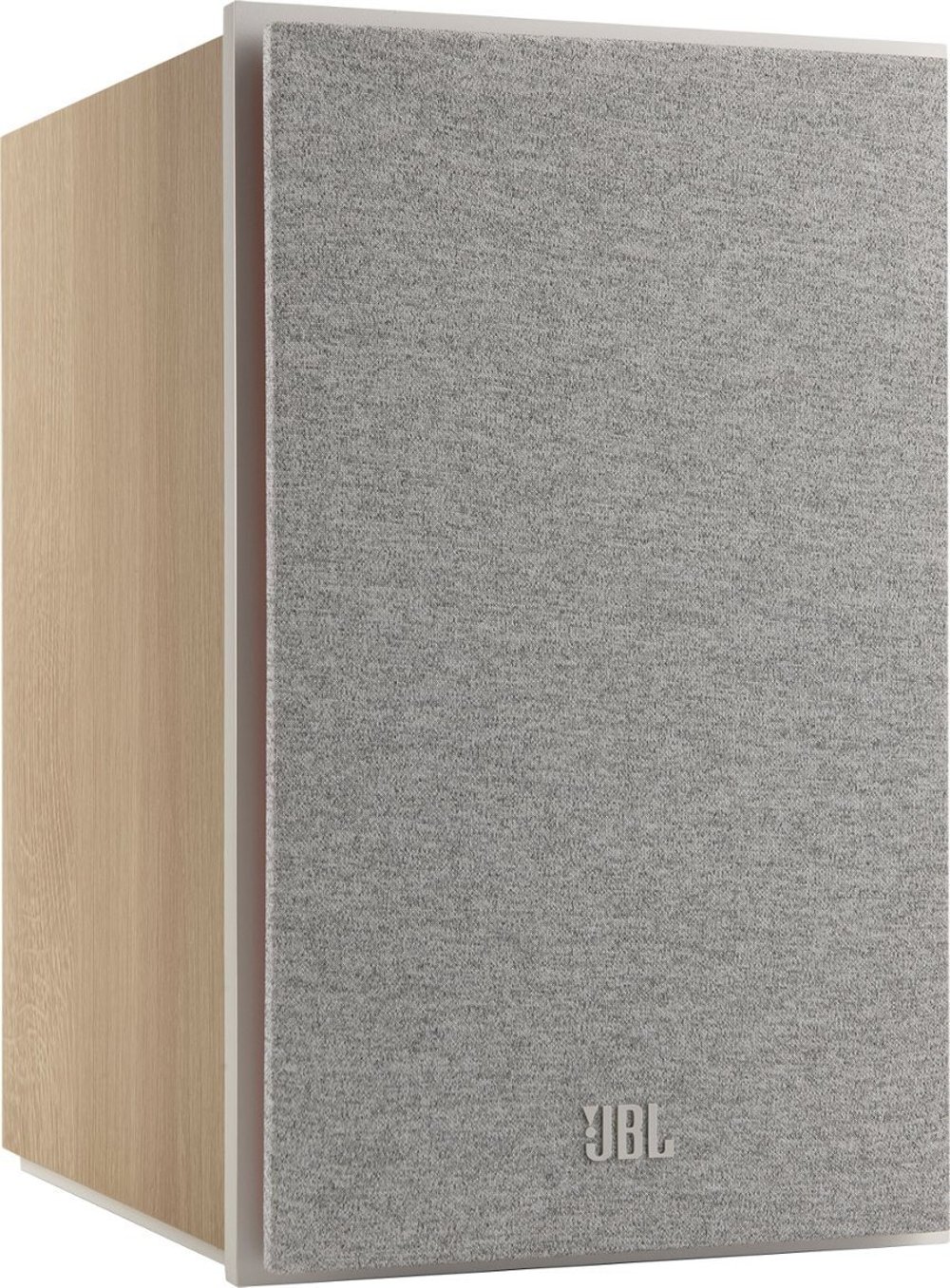
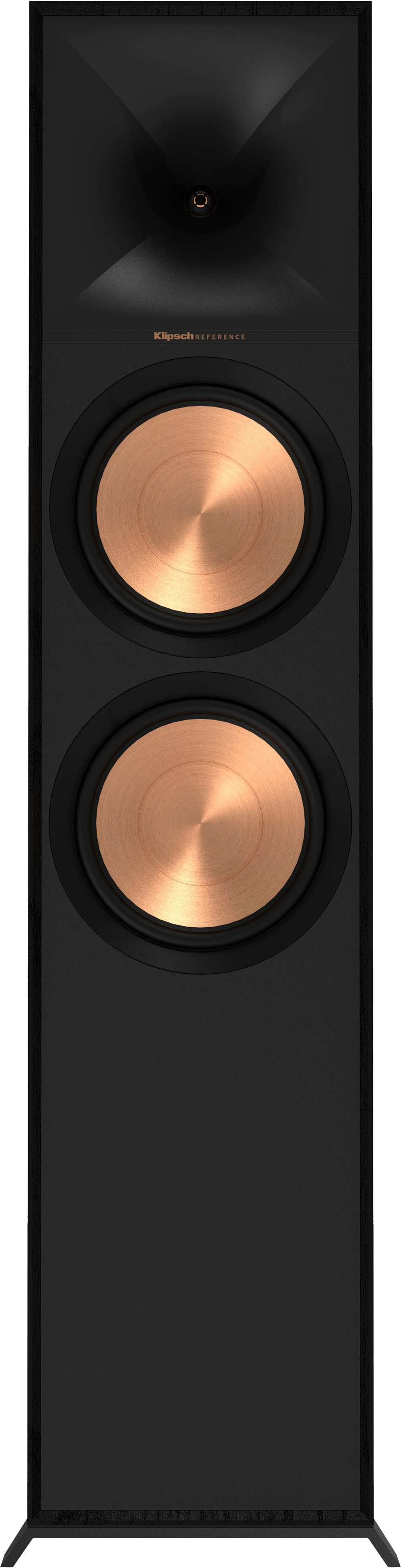
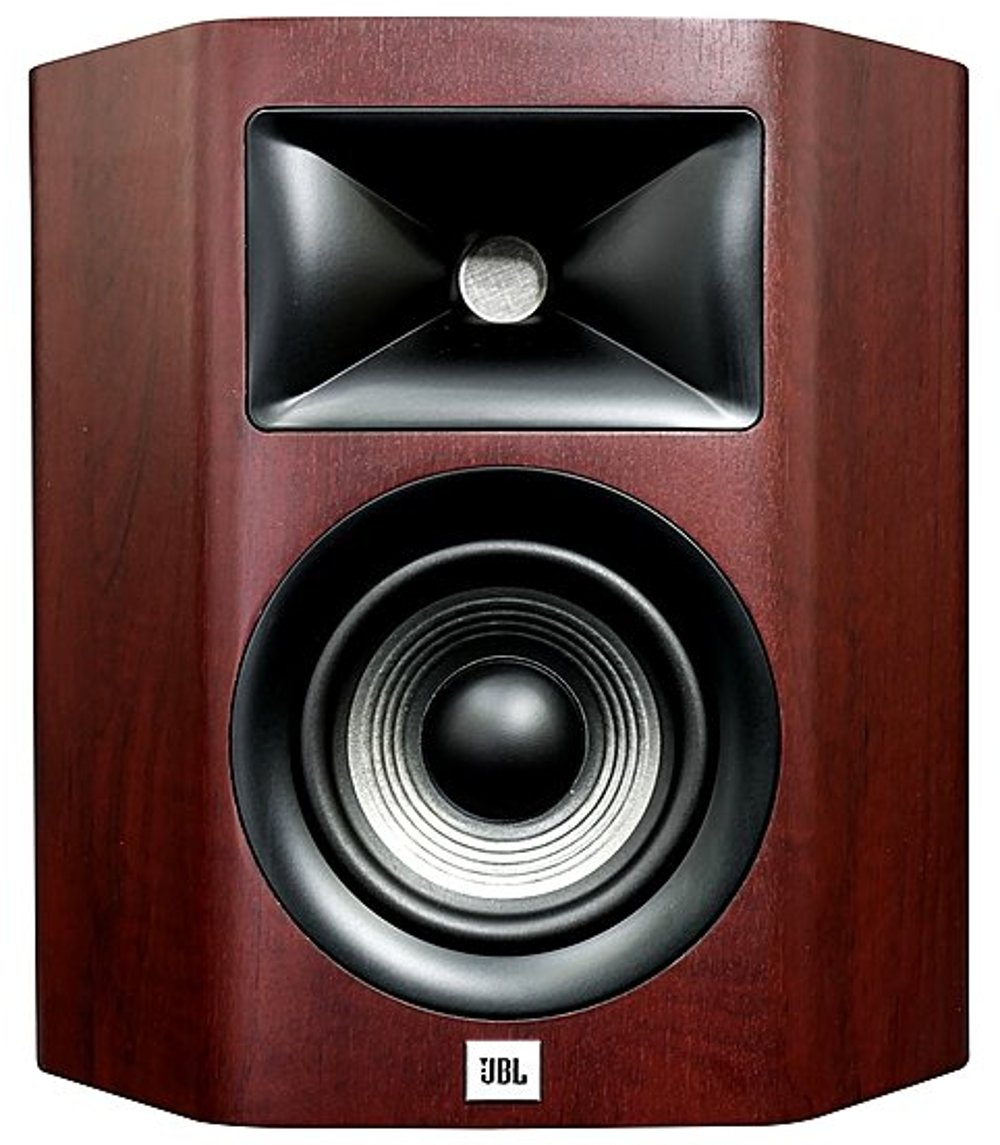
Bookshelf speakers and floor-standing speakers offer different ways to balance sound, scale, and everyday living space. Bookshelf designs generally have smaller cabinets that work well on sturdy stands or appropriately sized furniture, although the name doesn’t mean every model belongs tucked tightly into a bookcase. Cabinets need the clearance recommended by the manufacturer, particularly when a rear-facing port sits near a wall. Floor-standing speakers take up more vertical space and often provide greater bass output and room-filling capability, but cabinet size alone doesn’t guarantee deeper bass or better sound. In a small den, a compact pair placed at a comfortable listening distance may feel more balanced than a larger pair crowded into corners. In an open living area, speakers with suitable output can help music remain clear beyond a single chair. Cabinet construction also plays a role. Many home stereo speakers use medium-density fiberboard or other engineered wood because a well-designed, rigid enclosure helps control unwanted cabinet vibration. Finishes may include wood veneer, vinyl wraps, or painted surfaces, giving you different textures and looks alongside the rest of your furniture. Driver materials vary, and no single cone material guarantees superior performance; the drivers, crossover, and enclosure need to work together. Tweeters reproduce higher frequencies, woofers handle lower frequencies, and some designs use a separate midrange driver for the range where much of a voice or instrument’s character lives. For passive speakers, amplifier compatibility involves more than comparing wattage numbers. Recommended amplifier power, speaker impedance, sensitivity, and the amplifier’s capabilities all deserve consideration. Placement matters, too. A pair arranged with some space between the cabinets, with the main seat roughly centered between them, supports a convincing stereo image. Tweeters near seated ear height often help preserve clarity, while stable stands can bring smaller cabinets to a useful height without occupying a media console. Rugs, upholstered furniture, and curtains can soften a room’s reflections, although ordinary furnishings aren’t a substitute for every acoustic solution. The goal is a setup that fits the room comfortably, not one that makes everyday movement or furniture placement difficult.
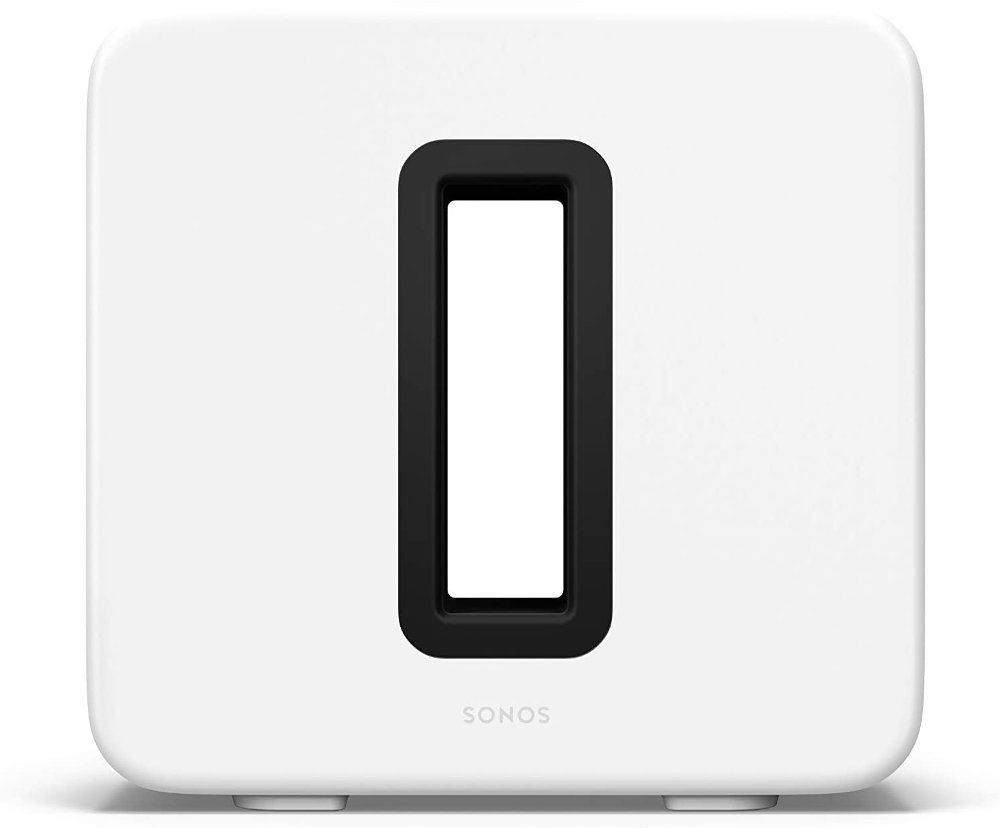
For everyday use, stereo speakers should suit the way your household actually listens. Someone working at a desk may value clear sound at a short distance and controls within easy reach. A dedicated music listener may prefer a separate amplifier and carefully positioned speakers, while a shared family room may call for straightforward connections and a layout that leaves room for games, books, and conversation. Strong performance at moderate volume can be especially useful in apartments or multipurpose spaces, where turning the music up isn’t always practical. A compatible subwoofer can add low-frequency reach when the system supports one, but deep bass is a preference and a room consideration rather than a requirement for enjoying stereo sound. The broader Sound Speakers collection provides context for other home audio setups alongside a dedicated stereo pair. For a gift, speakers feel most personal when they match the recipient’s habits and existing equipment: a record collector’s system has different connection needs than a student’s laptop setup. Physical fit matters just as much as musical taste, including cabinet depth, stand space, and access to outlets. Long-term enjoyment also depends on simple care. A soft, dry cloth is usually a sensible starting point for cabinet dust, with the manufacturer’s instructions taking priority for a particular finish. Speaker cones and tweeters are delicate, so cleaning should avoid pressure on the drivers and any liquid that could reach them. Grilles can offer some protection from incidental contact, but they don’t make a speaker childproof or petproof. Secure placement, sensible cable routing, and adequate ventilation around powered components help keep the setup comfortable to live with. Keeping drinks away from cabinets and protecting finishes from prolonged direct sunlight can help preserve their appearance. With compatible equipment and space to perform, a well-chosen stereo pair can make familiar recordings feel richer while remaining an easy, useful part of daily life.
Read More