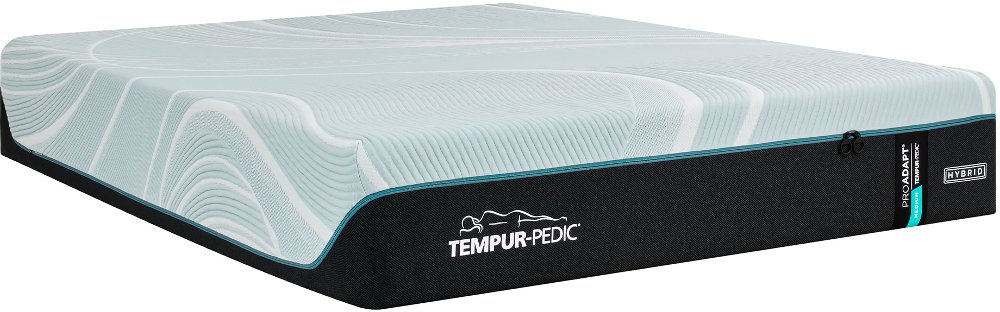
Mattress support comes from two connected parts: the structure inside the mattress and the base beneath it. Together, they distribute body weight, help maintain an even sleeping surface, and reduce the risk of premature sagging. Supportive mattresses and compatible foundations work as a team, so the right setup depends on more than how a bed feels when you first lie down. Platform beds, mattress foundations, box springs, bunkie boards, and adjustable bases each provide support differently. A platform bed uses a solid deck or a series of slats to hold the mattress without a separate foundation, provided the construction meets the mattress manufacturer’s requirements. A mattress foundation generally provides a stable surface through a wood or metal framework rather than the flexible springs found in a traditional box spring. These terms sometimes appear interchangeably, making the actual construction more important than the name. Many foam, latex, and hybrid mattresses require a firm, relatively unyielding base, while some innerspring mattresses are designed for use with a compatible box spring. A bunkie board adds a low-profile supporting surface between the mattress and an otherwise suitable frame or slatted base. It can help address gaps between slats, but it doesn’t replace a damaged frame or missing structural support. Adjustable bases offer another option, allowing compatible mattresses to move as the head or foot of the bed rises. Across these categories, sturdy joints, properly secured hardware, and adequate weight capacity matter. Queen, king, and California king setups often require center rails and support legs that reach the floor, although the exact requirements vary by manufacturer. Slat spacing also matters: gaps that are too wide can allow a mattress to dip between its supports. Matching the base to the mattress helps protect both comfort and durability, whether you’re furnishing a primary bedroom, setting up a guest room, or replacing an older bed foundation.
Inside a mattress, support and firmness describe different qualities. Support refers to how well the mattress carries your body and limits excessive sinking, while firmness describes how soft or firm the surface feels. A plush mattress can still provide dependable support, and a very firm mattress isn’t automatically the best match for every sleeper. Foam mattresses typically use a denser support core beneath softer comfort layers. Latex mattresses offer a resilient feel that responds as you change position, while innerspring and hybrid designs rely on coils for much of their underlying support. Some constructions use reinforced edges or zones with different levels of resistance, though the experience depends on the complete mattress design. Side sleepers often appreciate enough cushioning for their shoulders and hips without feeling swallowed by the bed. Back sleepers may prefer a surface that supports the lower back while allowing the hips to settle comfortably. Stomach sleepers generally need to pay particular attention to excessive sinking through the midsection. Body size, personal preference, and whether you share the bed all affect how those materials feel. If you tend to sit on the edge while putting on shoes, edge stability deserves attention alongside the feel at the center. For couples, motion isolation can help soften the sensation of a partner turning over, while responsive materials can make repositioning easier. Foam density is another useful construction detail, but it’s not the same as firmness. Higher-density foam may offer greater resistance to wear, depending on its formulation and use within the mattress. If material density is a priority, explore High Density Mattresses while keeping surface comfort and base compatibility in mind. The goal is a balanced sleeping surface that suits your usual position, feels comfortable through the night, and works with the foundation underneath. For a shared bed, comparing how each person settles into the surface can reveal more than simply choosing the firmest option.
Fit and everyday care help a supportive mattress setup perform as intended. Start with the mattress dimensions and the usable space inside the bed frame, rather than relying only on a size label. A mattress should rest evenly on its supporting surface without overhanging the edges or being squeezed into a frame that’s too small. Consider the combined height of the frame, foundation, and mattress, especially if getting into bed or placing both feet on the floor takes extra effort. A lower-profile foundation can keep a thick mattress at a more manageable height, while a taller setup may suit someone who finds a low bed difficult to rise from. Check weight limits for the complete system, including the mattress and everyone using it. For adjustable setups, confirm that the mattress can flex with the base and that the surrounding bed frame allows the intended movement. Care is usually straightforward: use a suitable mattress protector, clean spills according to the manufacturer’s instructions, and allow cleaned areas to dry fully. Rotate the mattress only as recommended, and flip it only if it’s designed for use on both sides. Periodically check frame connections, slats, and center support legs, particularly after moving the bed. A dip in the middle, a tendency to roll toward the center, or new creaking can signal that the mattress, foundation, or frame needs attention. Check the components separately before assuming that one replacement will solve everything; a sound foundation can’t restore worn-out mattress materials, and a new mattress won’t correct a failing frame. Durability depends on construction, use, care, and the compatibility of all these parts, not a single material claim. Keeping the manufacturer’s support requirements and warranty terms handy makes it easier to maintain the setup correctly. Whether the bed serves one sleeper every night or welcomes visiting family, a properly fitted mattress and stable base create a dependable foundation for rest without unnecessary bulk or guesswork.
Read More