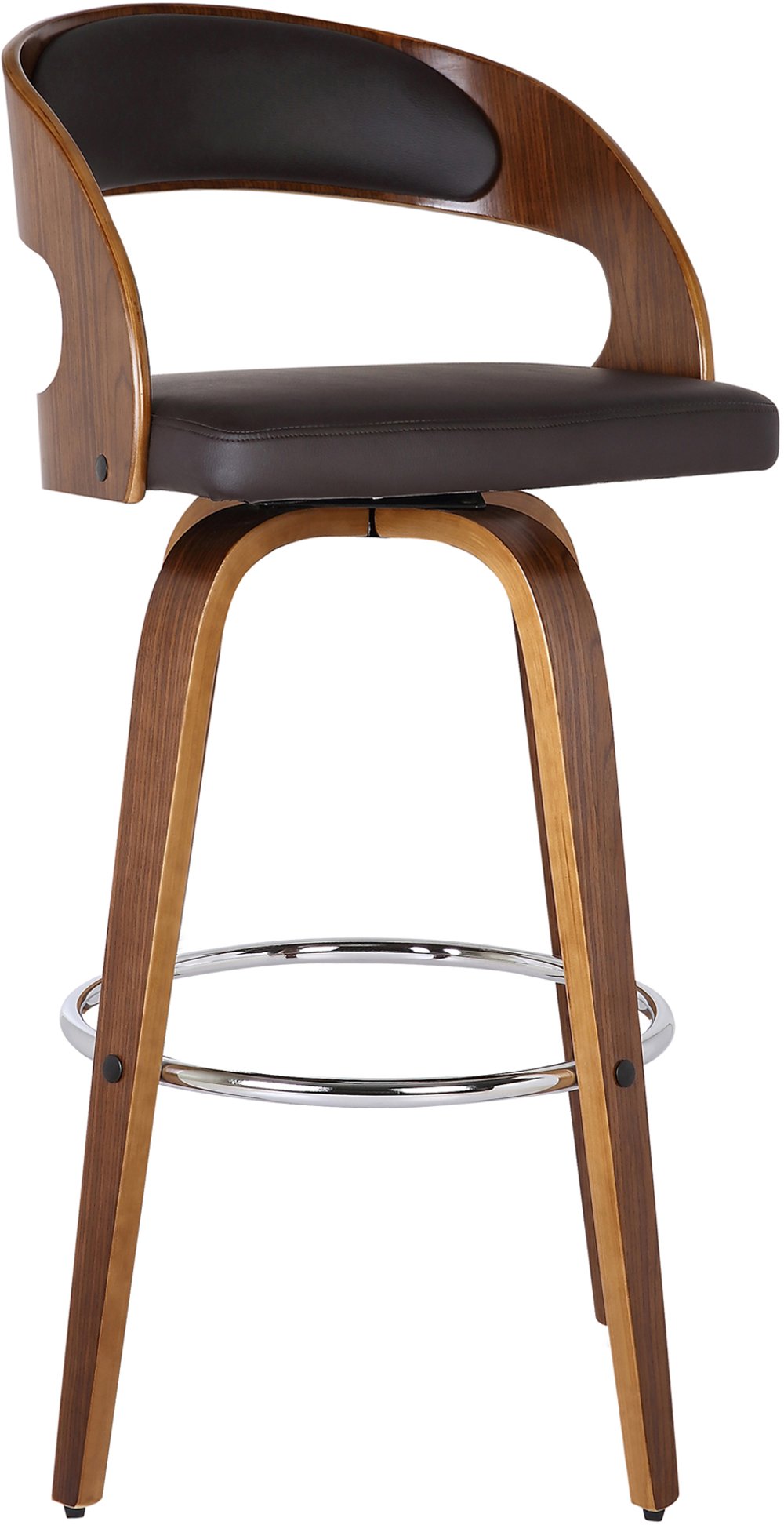
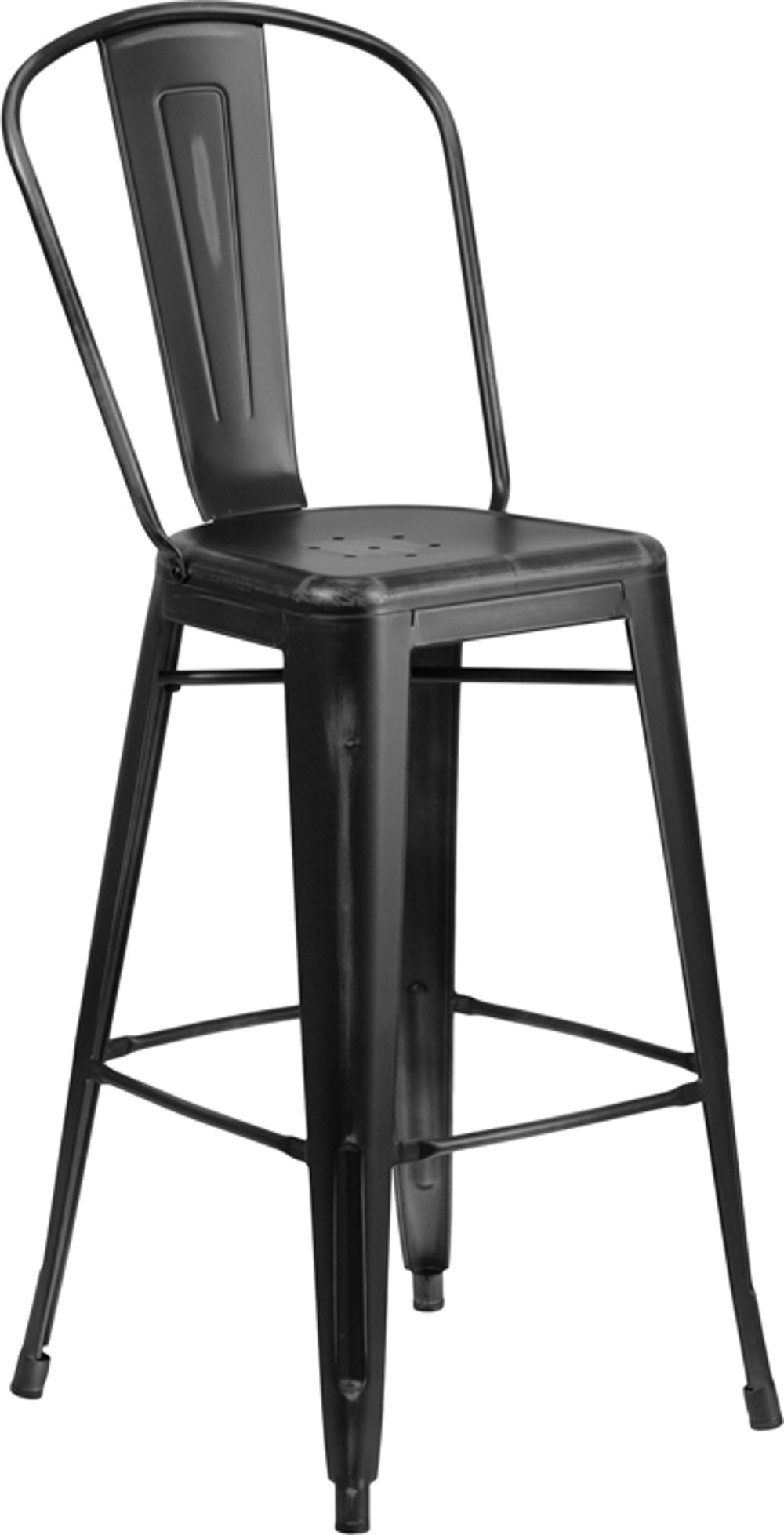
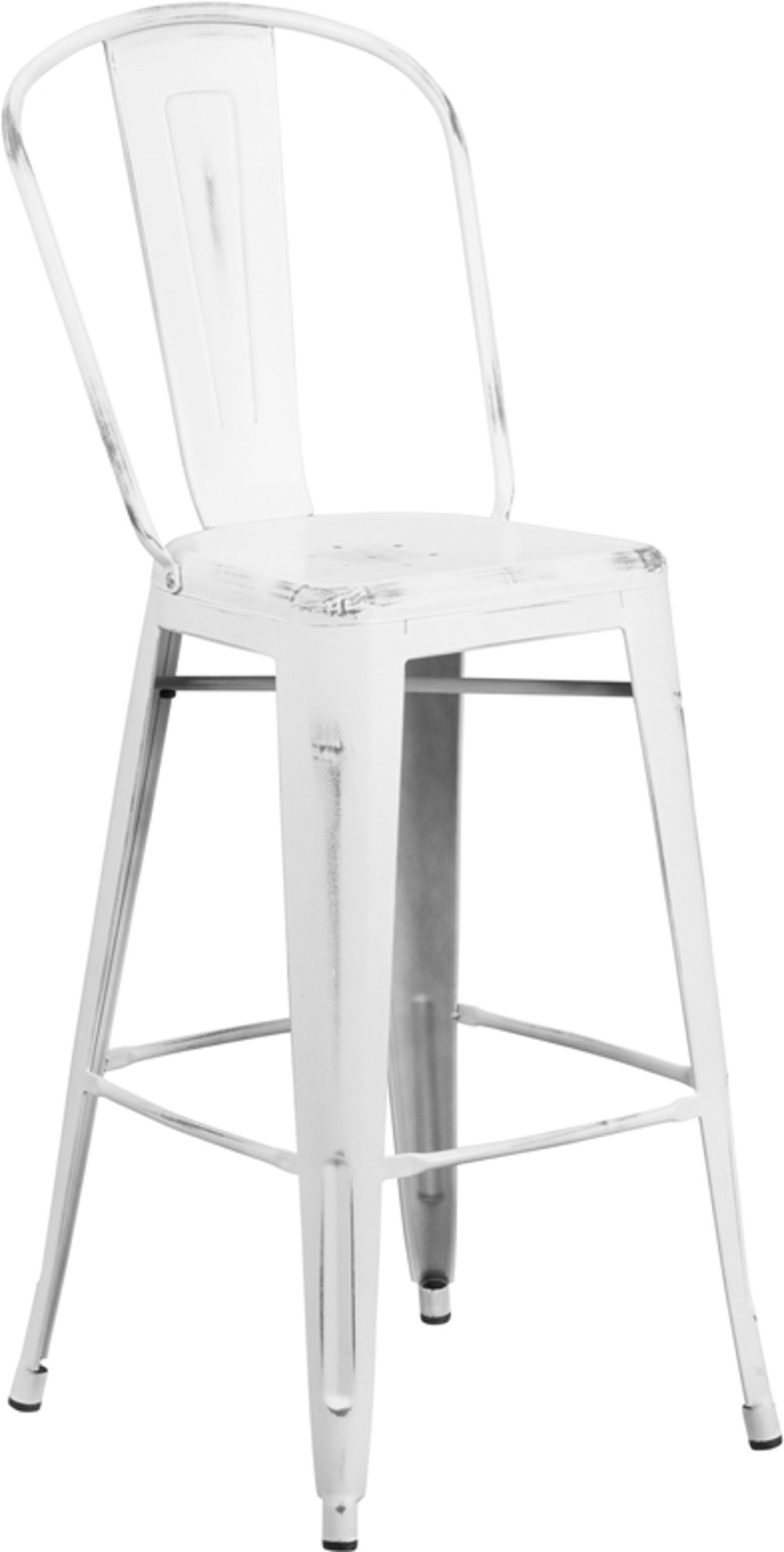
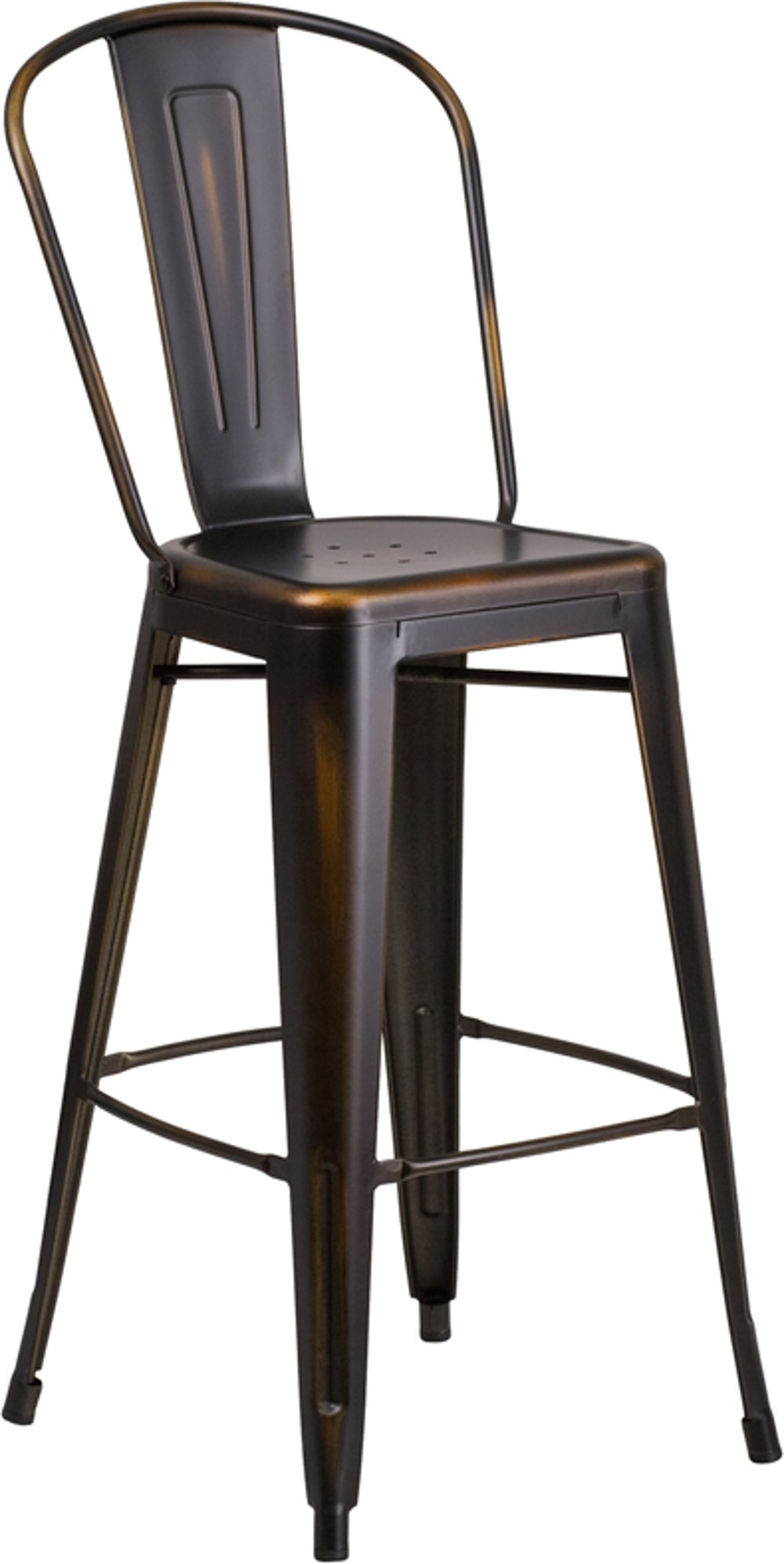
Swivel drafting chairs bring a little more flexibility to workspaces where a standard office chair sits too low. With a taller seat, 360-degree rotation, and a supportive foot ring, they’re designed to pair comfortably with drafting tables, standing desks, studio counters, kitchen islands, and other elevated work surfaces. The extra height makes it easier to move between sitting and standing, while the swivel motion lets you turn toward a second monitor, reach for supplies, or shift from a computer to a nearby worktable without twisting your back. They’re a practical choice for artists, architects, designers, makers, students, reception teams, and anyone who spends part of the day at a counter-height station. They can also be helpful in a home office that serves more than one purpose, especially when a single room needs to support paperwork, creative projects, video calls, and everyday tasks. Before choosing a chair, measure from the floor to the underside of your desk or table, then leave enough room for your legs and the chair’s base. A seat that adjusts roughly from the low twenties into the low thirties in inches can suit many elevated surfaces, but the right range depends on your setup and your height. Aim for a position where your elbows rest comfortably near a 90-degree angle while you work, your shoulders stay relaxed, and your feet have steady support. A chair that looks great but leaves your feet dangling can become tiring over a long afternoon, so an adjustable foot ring is more than a finishing detail. It gives your legs a place to rest, helps you settle into a balanced posture, and makes taller seating feel much more natural.
Comfort comes from the details you notice after the first hour, not only from the way a chair looks when you roll it into the room. A contoured seat can help distribute pressure, while a backrest with gentle lumbar support encourages a more relaxed sitting position during long stretches of drawing, typing, sewing, studying, or organizing. Breathable mesh can be a welcome choice in a busy workspace because it allows airflow and feels light against the back. Upholstered seats and backs add softness and can bring a warmer, more finished look to a studio or office. Faux leather and other smooth surfaces are convenient when you want to wipe away pencil dust, coffee drips, or the occasional craft-room mishap. Consider how the chair will be used throughout the day, including whether you’ll sit for a few minutes at a time or settle in for several hours. Adjustable seat height is essential, and tilt or recline features may add comfort if you like to change positions. Arms can provide useful support during computer work, although armless designs make it easier to move close to a table and may tuck neatly beneath a counter. Look closely at the base, too. Dual-wheel casters make it easier to glide across a suitable hard floor or low-pile rug, while stationary glides can feel steadier in a focused drawing area or at a workbench. If your floor is delicate, check the caster style and consider a protective mat. A wide, stable base can help the chair feel secure at its tallest setting, especially when you reach to the side. For a coordinated workspace with a more traditional feel, you can also explore Swivel Wood Office Chairs as another seating direction.
Swivel drafting chairs are useful well beyond a formal office. A teenager can use one at a tall homework station, then turn toward a nearby shelf without dragging a heavy chair across the floor. A home baker may appreciate elevated seating at a counter while sorting recipes or decorating treats. In a craft room, the ability to rotate and roll just a short distance can make it easier to move between a cutting surface, sewing machine, and supply cart. They’re also thoughtful gifts for someone setting up a first studio, refreshing a home workspace, or spending more time on a creative hobby during the cooler months. When giving one as a gift, it helps to think about the recipient’s space and routine: a compact room may benefit from a chair with a smaller footprint, while a shared workstation may call for a broad height range and easy-clean upholstery. Color and material matter as well. Neutral tones can blend into an office that changes over time, while a richer finish can add personality to a creative corner. Once your chair arrives, place it at the desk before setting the final height. Adjust the seat so your feet meet the foot ring securely, your knees feel relaxed, and your work surface sits at a comfortable level. Keep frequently used tools within an easy turn rather than stretching at the edge of the chair’s range, and check the casters and adjustment mechanism occasionally for dust or debris. With the right fit, swivel drafting chairs can make an elevated workspace feel inviting instead of awkward—a place where ideas take shape, projects stay organized, and even a long work session feels a little easier.
Read More