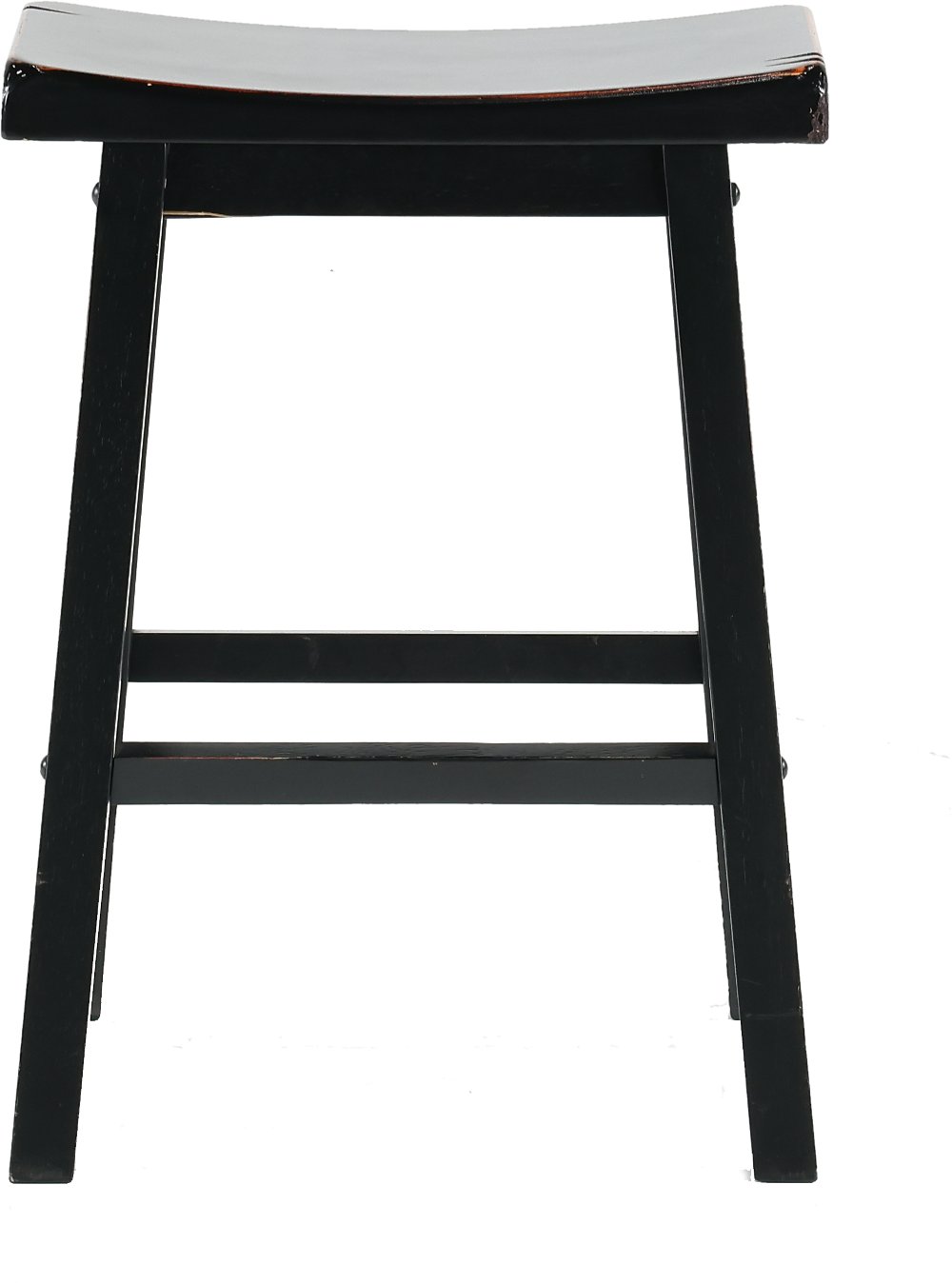
Drafting stools bring comfortable seating to work surfaces that sit higher than a standard desk. They’re designed for drafting tables, counter-height workstations, standing desks, lab benches, studio counters, and other elevated surfaces where an ordinary office chair may leave your feet dangling or your arms positioned awkwardly. A typical drafting stool offers a seat height of approximately 23 to 34 inches, although the right range depends on the height of your desk or table and the way you prefer to work. Adjustable drafting stools make it easier to create a comfortable fit, especially in shared workspaces where several people use the same station. A pneumatic lift allows quick, smooth height changes with a lever, while a foot ring provides a stable place to rest your feet and helps support your legs throughout the day. When you sit, aim for a position that lets your shoulders relax, your elbows rest near a 90-degree angle while you work, and your feet feel supported rather than suspended. A foot ring can act like a raised floor beneath the seat, which makes a noticeable difference during long stretches of sketching, typing, sewing, crafting, or reviewing paperwork. If your workstation has a sloped surface, measuring both the desk height and the underside clearance will help you choose a stool that fits without crowding your knees.
The best drafting stool for your space depends on how you work and how much movement you need. A backless stool has a compact profile and can slide neatly beneath a counter or drafting table, making it a practical choice for smaller rooms, home studios, and occasional work areas. A drafting chair with a mid-height back offers more support when you spend several hours at your desk, while lumbar shaping can help you maintain a more natural seated posture. Armrests may feel helpful for reading, computer work, or detailed projects, but they also require enough clearance beneath the tabletop and may limit how closely you can pull up to the work surface. Consider the base, too. A five-star base with casters makes it easy to move between a drafting table, filing cabinet, printer, or nearby supply shelf, while stationary glides offer a steadier feel and may work well in a classroom, reception area, laboratory, or studio where you prefer to stay in place. A wider base can provide reassuring stability, and a foot ring that adjusts with the seat keeps your lower legs supported at different heights. For busy work areas, easy-care vinyl or other wipeable upholstery can simplify cleanup. Fabric and mesh can offer a softer or more breathable feel, which may be especially welcome in a warm studio or during long computer sessions. Check the stool’s weight capacity, seat dimensions, lift range, and assembly requirements before choosing, and leave enough room around the base for safe movement. Exploring related Office Chair Stools can also help you compare seating styles when your workspace serves more than one purpose.
Drafting stools are a natural fit for architects, designers, artists, engineers, students, makers, and anyone who works at an elevated surface. An architect may use one while moving between a computer monitor and a large drawing board; a jewelry maker or quilter may appreciate the ability to sit higher while keeping materials within easy reach; and a home office user may alternate between sitting and standing at an adjustable desk. They can also be useful in medical, laboratory, salon, and workshop settings, where elevated counters and durable, easy-to-clean seating are part of the daily routine. At home, a drafting stool can turn a spare corner into a creative workspace without the visual weight of a full-size office chair. It may be a thoughtful gift for a college student studying design, a friend setting up a new studio, or a family member who enjoys painting, model building, calligraphy, or hands-on projects. During the cooler months, a comfortable elevated seat can make a dedicated indoor work area feel especially inviting, whether it’s positioned beside a sunlit window or tucked into a hardworking home office. Before placing your stool, clear a comfortable path around the base and position frequently used tools within easy reach. Small details such as a supportive back, a properly placed foot ring, smooth height adjustment, and upholstery suited to your routine can make everyday work feel easier. With the right dimensions and features, a drafting stool supports focused work while helping your desk, table, or studio adapt to the way you live.
Read More