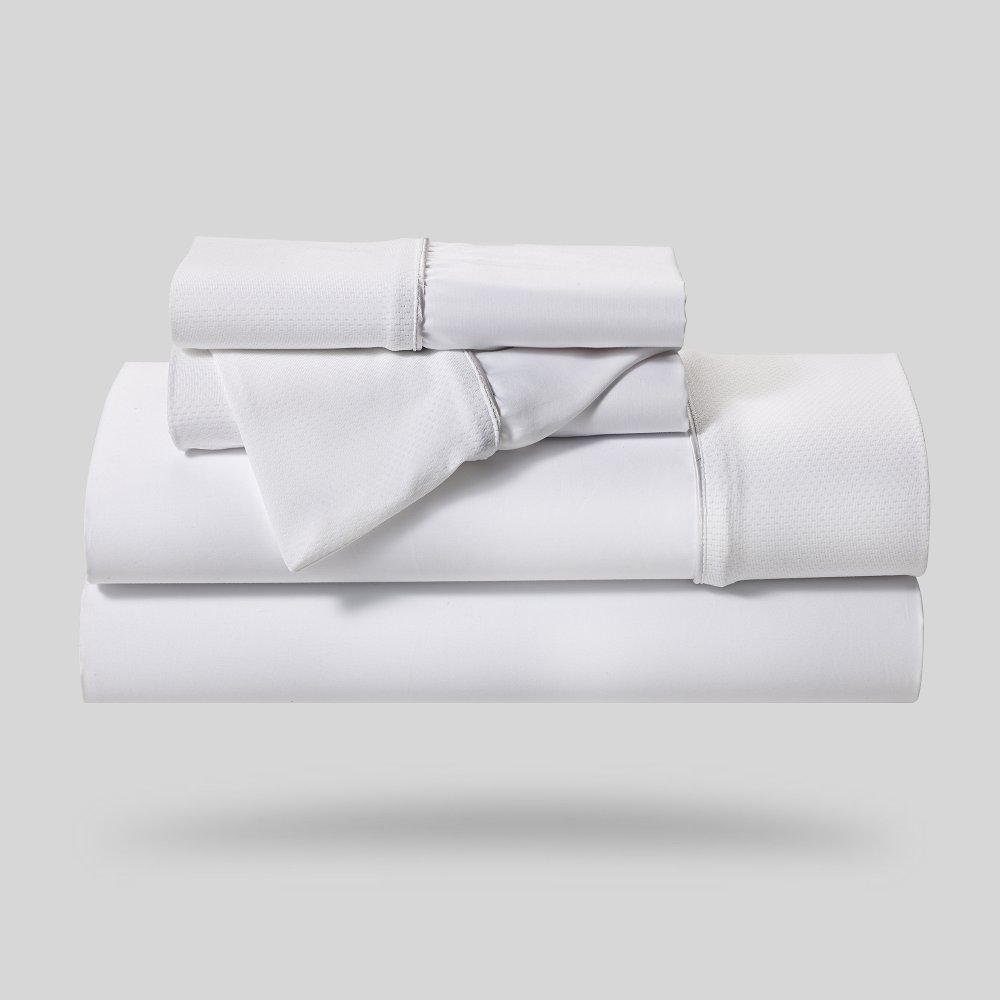
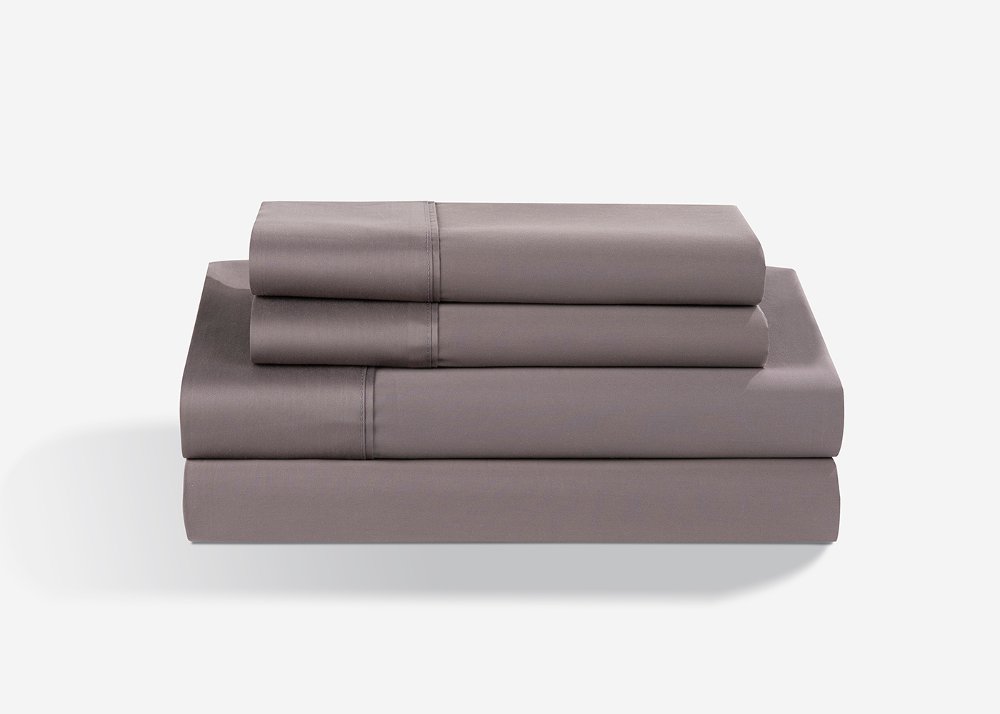
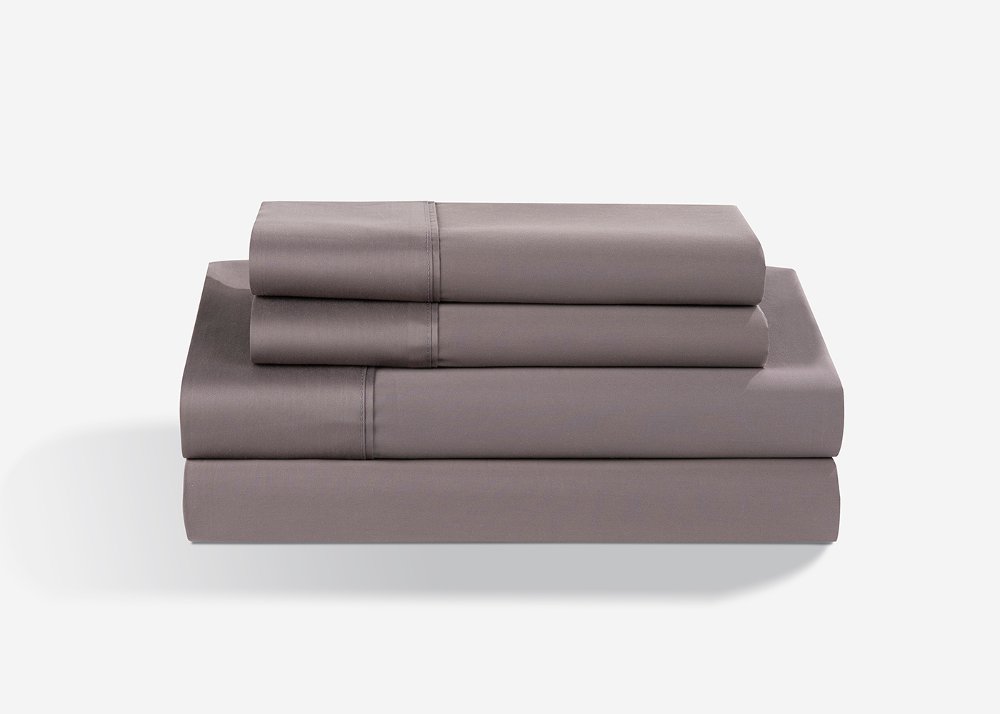
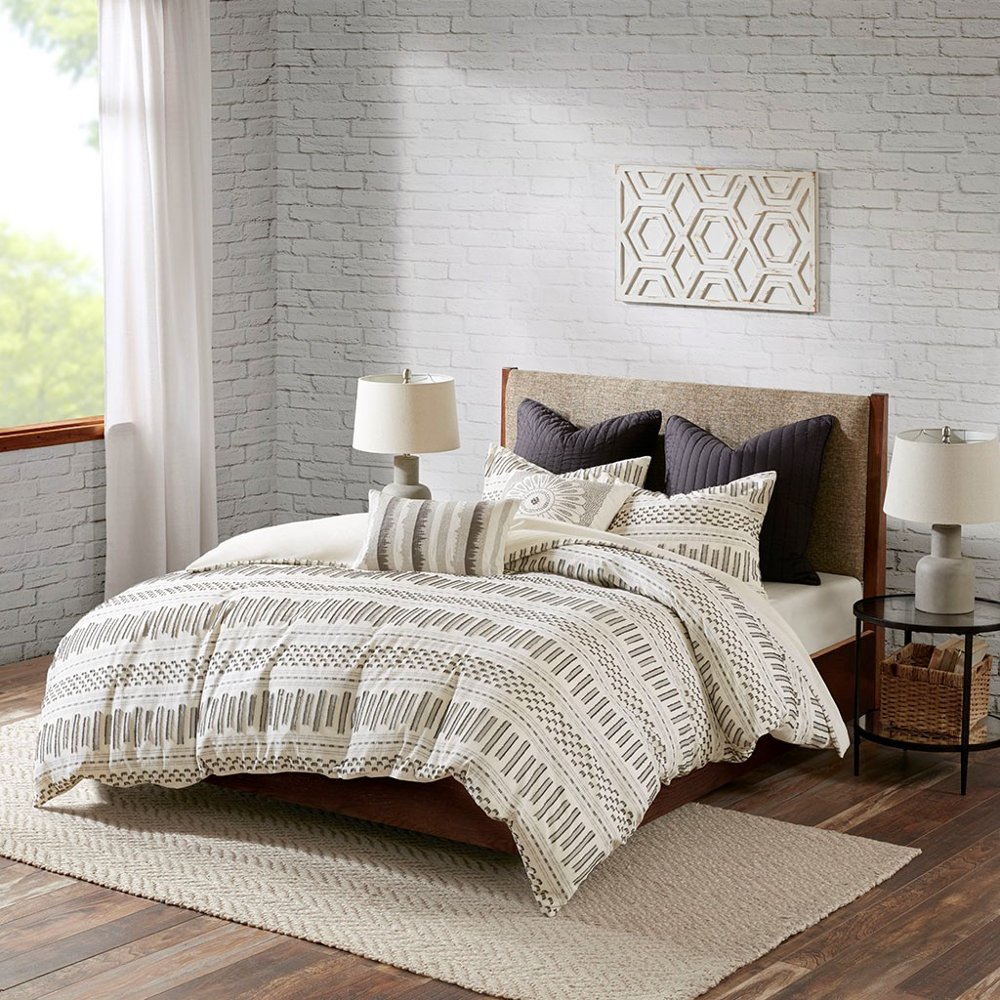
Tan bedding gives a bedroom a grounded, inviting look, with a neutral color that works comfortably alongside wood furniture, upholstered headboards, and painted walls. Shades range from pale sand and oatmeal to deeper camel and khaki, so the effect can feel light and airy or rich and earthy without relying on a bold pattern. The undertone makes a difference: a golden tan brings out the honey tones in oak, while a muted, gray-leaning tan pairs easily with charcoal upholstery or slate-blue accents. Against white sheets, a tan comforter creates a clear but gentle contrast; beside ivory pillows, it forms a softer, more blended arrangement. Olive, terracotta, navy, and dusty rose can all add color without overwhelming that neutral foundation. For a room with a patterned rug or an expressive headboard, solid tan bedding gives the eye a place to rest. In a simpler space, woven stripes, small geometric designs, or stitched details add interest without making the bed look busy. Texture matters just as much as color. A smooth sheet folded over a nubby coverlet creates definition even when both fabrics are nearly the same shade. A quilt with visible stitching can bring a relaxed, familiar feel, while a lofty comforter gives the bed a fuller silhouette. Matching every layer exactly isn’t necessary; keeping the undertones compatible usually creates a more natural result. It also helps to look at the surrounding finishes. Dark walnut can make a sandy beige look lighter, and cream-colored walls can bring out its brown or golden notes. Fabric color may appear different under bedside lamps than in daylight, so product images are best treated as a starting point rather than a promise of an exact shade. If you enjoy carrying a similar palette into other living spaces, Tan Outdoor Furniture can extend that easygoing neutral look beyond the bedroom without requiring every space to match.
The right tan bedding depends on how you like your bed to feel and how much layering fits your routine. A comforter combines a fabric shell and fill in one piece, making it a straightforward top layer for everyday use. A duvet cover is a removable outer layer for a separate insert; closures and interior ties, when included, help keep the insert enclosed and positioned. A quilt typically joins a fabric face, a backing, and a relatively thin middle layer with stitching, giving it a flatter profile than a lofty comforter. Coverlets generally create a tailored finish and can serve as an additional layer, though their construction and weight vary. These differences matter in ordinary use: someone who wants to straighten the bed quickly may prefer a single comforter, while someone who likes changing the outer cover separately from the fill may favor a duvet arrangement. Materials bring their own distinctions. Cotton is valued for its absorbency and breathable feel, but its texture depends on the weave and finish. Cotton percale generally feels crisp and has a matte surface; cotton sateen tends to feel smoother and show a subtle sheen. Linen has a more textured appearance and a relaxed drape, with natural creasing that suits an informal bedroom. Polyester microfiber often feels smooth and can resist wrinkling, although its breathability and performance depend on the fabric’s construction. Blends combine characteristics of different fibers, so the listed composition is more useful than a broad description such as “soft.” For filled bedding, consider the shell and fill separately, since both influence weight, loft, and overall feel. Thread count alone doesn’t establish quality, and it isn’t a meaningful comparison across every type of bedding. Clear material information, even stitching, securely finished edges, and suitable care instructions offer more practical clues. Raised textures can look beautiful, but a smoother surface may be easier to live with when pets regularly jump onto the bed or a decorative layer gets folded and unfolded each day.
Fit and care help turn an attractive choice into bedding that works well in your home. Start with your mattress dimensions rather than relying only on labels such as queen or king, especially for comforters, quilts, and duvet covers, whose measurements can vary. A thick mattress or added topper takes up more of a top layer’s width, leaving less fabric to hang along the sides. On a low platform bed, a shorter drop can look neat and intentional; on a taller bed, extra coverage may better suit the proportions. For fitted sheets, compare the stated pocket depth with the full mattress height, including any topper. For a duvet, check the insert and cover measurements together to help avoid empty corners or excessive bunching. Pillowcases and decorative shams also serve different purposes, and set contents vary, so check both the included pieces and their dimensions. Daily upkeep deserves the same attention as appearance. Tan is a forgiving visual neutral, but it doesn’t prevent stains or eliminate the need for regular laundering. Follow each piece’s care label for washing, drying, and stain treatment rather than assuming that every comforter or quilt can go through the same cycle. Bulky bedding needs enough room to move freely in the washer, and some pieces require larger equipment or professional care. Avoid overloading the drum, address spills promptly according to the fabric’s instructions, and dry filled layers thoroughly before putting them back on the bed or storing them. These habits help protect the fabric, seams, and fill over time. For a guest room, easy-care tan bedding offers a welcoming foundation that suits many decorating styles and leaves room for a patterned pillow or a favorite throw. It can also make a thoughtful housewarming or wedding gift when the recipient’s bed size, fabric preferences, and laundry setup are known. Whether you’re furnishing a first apartment, refreshing a shared bedroom, or making a spare room more inviting, a well-fitting tan bedding arrangement brings color, texture, and everyday comfort together without demanding a complete room redesign.
Read More