Temperature Controlled Wine Cellars
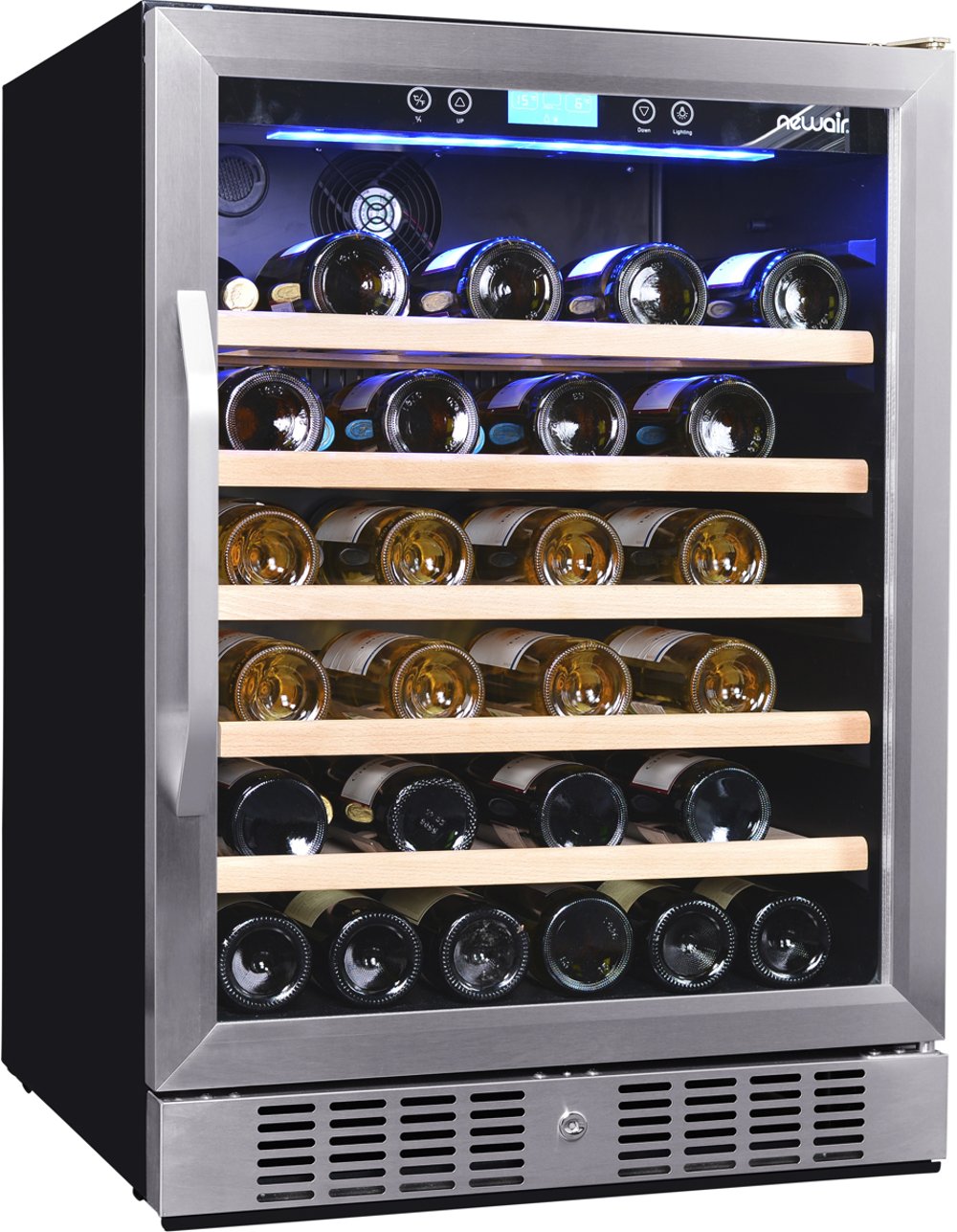
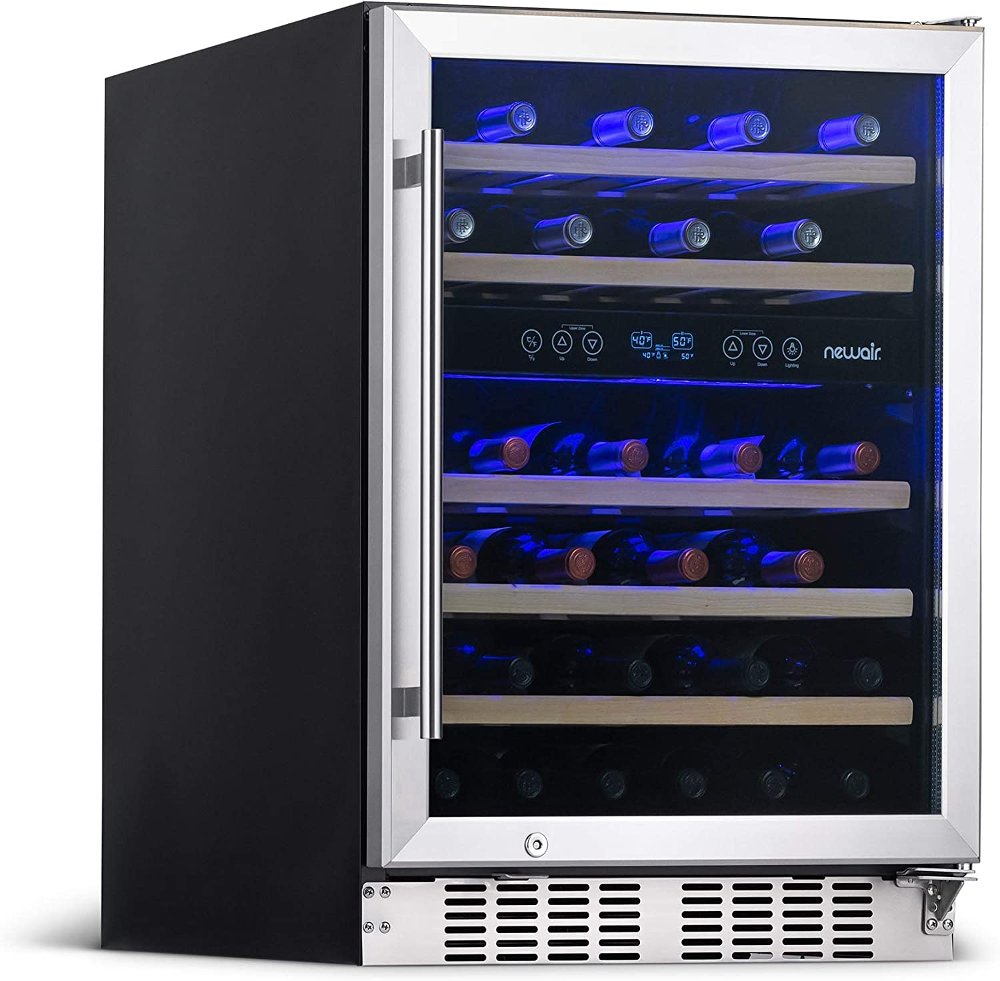
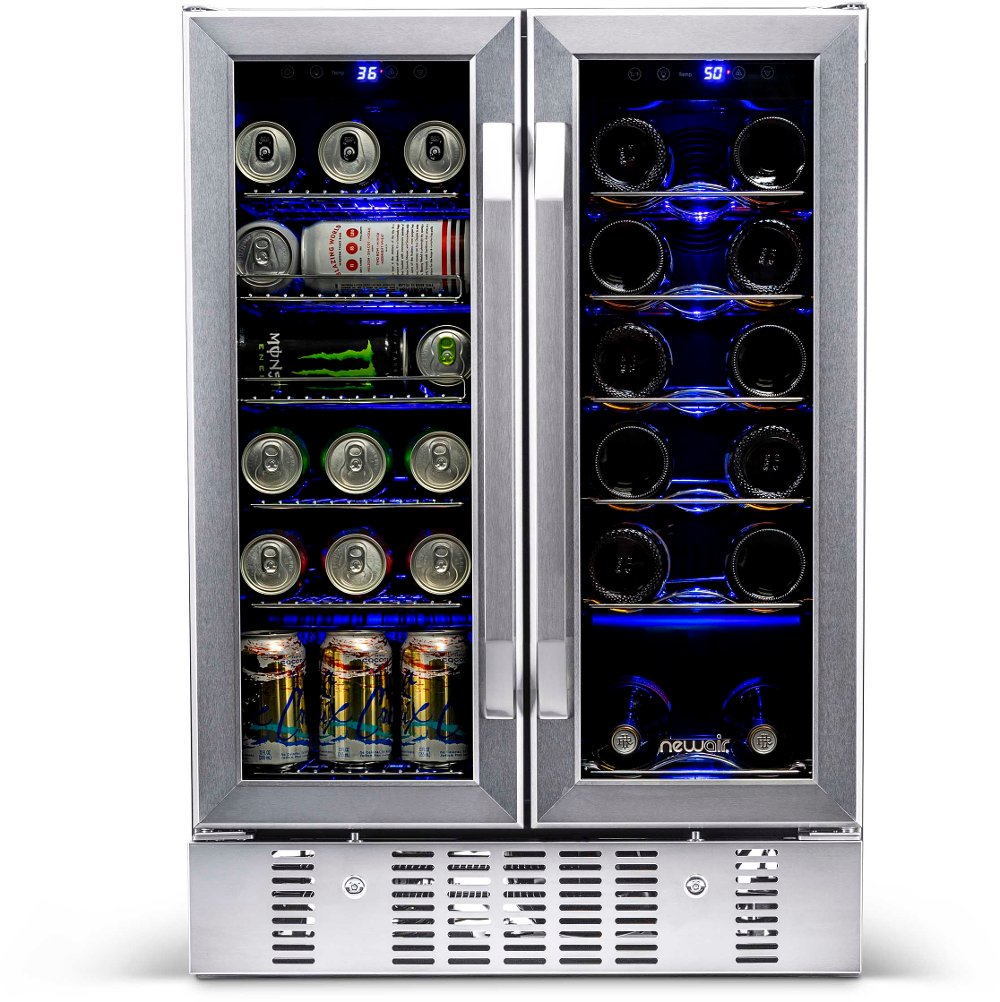
Temperature controlled wine cellars help create a steady environment for storing wine at home, whether you’re building a dedicated room, finishing a basement space, or setting aside a carefully planned area for a growing collection. Wine generally stores best at a consistent temperature between 50°F and 59°F, with 55°F often considered a practical target. Consistency matters more than chasing one exact number. Repeated temperature swings can cause the wine and air inside a bottle to expand and contract, potentially stressing the cork and affecting the seal over time. A controlled cellar also aims for relative humidity between 50% and 70%—enough moisture to help natural corks stay supple without creating an overly damp environment. These conditions make it easier to preserve the character of each bottle while keeping your collection organized, visible, and ready for the next dinner, celebration, or quiet evening at home. For smaller collections or spaces without room for a full walk-in cellar, browse Wine Cabinet Coolers for a convenient way to bring more consistent storage into your entertaining area, dining room, kitchen, or home bar.
Before choosing a temperature controlled wine cellar setup, consider the size of your space, the number of bottles you plan to store, and how much your collection may grow. A compact area may work well with a through-the-wall cooling design, which installs directly into a wall and can be a practical choice for smaller cellars. Split systems place the condenser away from the storage room, helping reduce noise and giving you more flexibility when planning the layout. Ducted systems keep the main machinery out of sight and circulate cooled air through connected ductwork, creating a quieter, cleaner look for custom spaces. Your room’s location matters, too. A cellar in a cool basement may have different cooling needs than one on a warm main floor or in a garage where outdoor temperatures can change quickly. Proper insulation helps limit heat transfer, while a sealed vapor barrier helps prevent moisture from moving into walls and causing damage. High-quality insulation in the walls and ceiling is especially valuable when the surrounding space experiences seasonal temperature changes. If you’re adding a glass door or creating a display wall, dual-pane or triple-pane insulated glass can help maintain the interior environment more effectively than ordinary glass. Planning these details together gives your cooling system a better chance to run efficiently and maintain a stable atmosphere.
Light, movement, and everyday habits deserve attention as well. Ultraviolet light can gradually affect wine, so a cellar should block direct sunlight and use lighting thoughtfully. A location away from appliances, heavy foot traffic, and other sources of vibration can also help protect long-term storage. Think about how you’ll use the space when friends gather: you may want labels facing outward, enough room to remove a bottle comfortably, and shelving that separates bottles by region, varietal, vintage, or the occasion you have in mind. A temperature controlled wine cellar can be a meaningful addition for a host who enjoys opening a special bottle with dinner, a collector building a personal reserve, or someone who appreciates the ritual of bringing wine home from a trip and saving it for the right evening. It can also make a thoughtful gift for a newly married couple, a new homeowner, or a loved one who enjoys cooking and entertaining during the cooler months. The best setup fits naturally into the home and the way you live in it—from a quiet corner where a few favorite bottles rest until guests arrive to a dedicated room that becomes part of the evening’s experience. With the right temperature, humidity, insulation, light control, and placement, your cellar can offer dependable storage and a welcoming way to enjoy your collection for years to come.
Read More