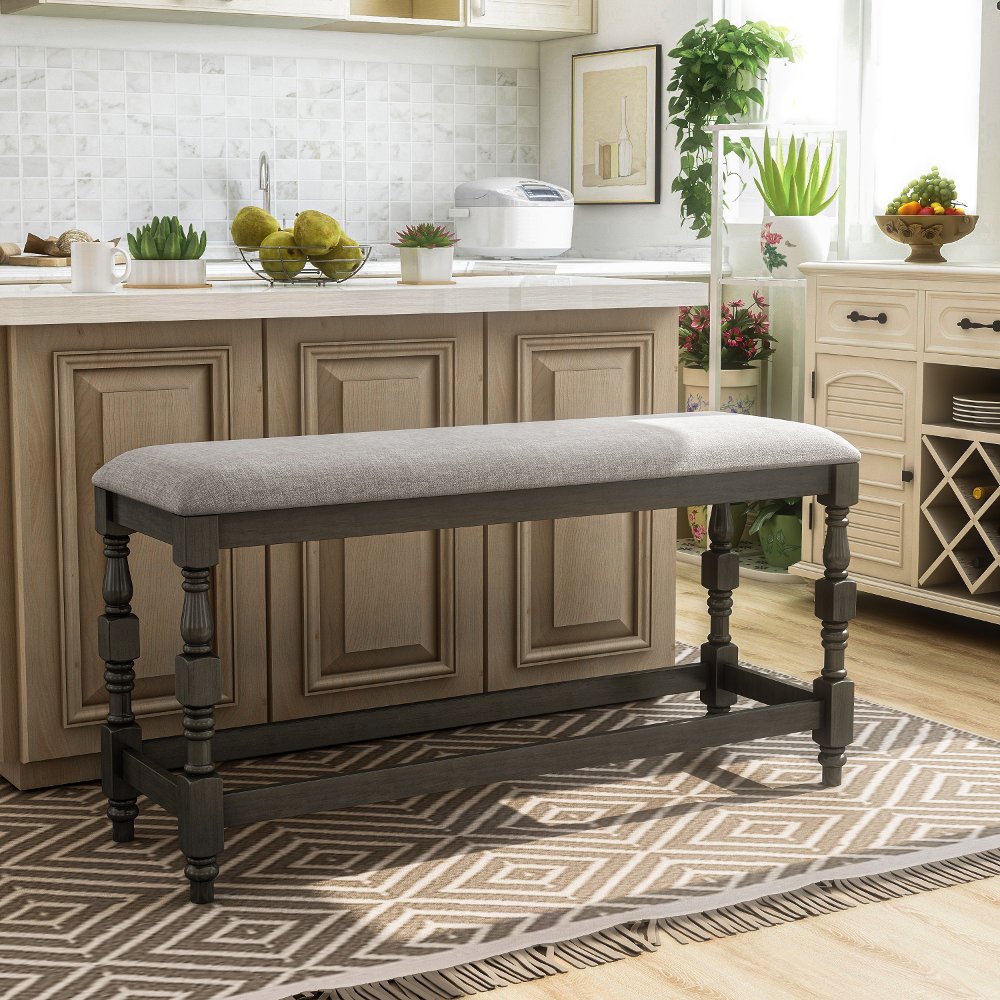
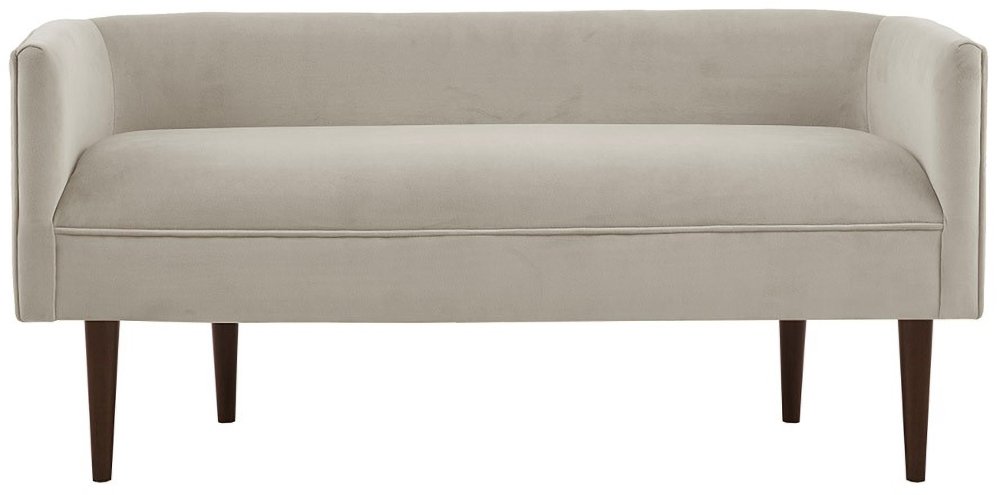
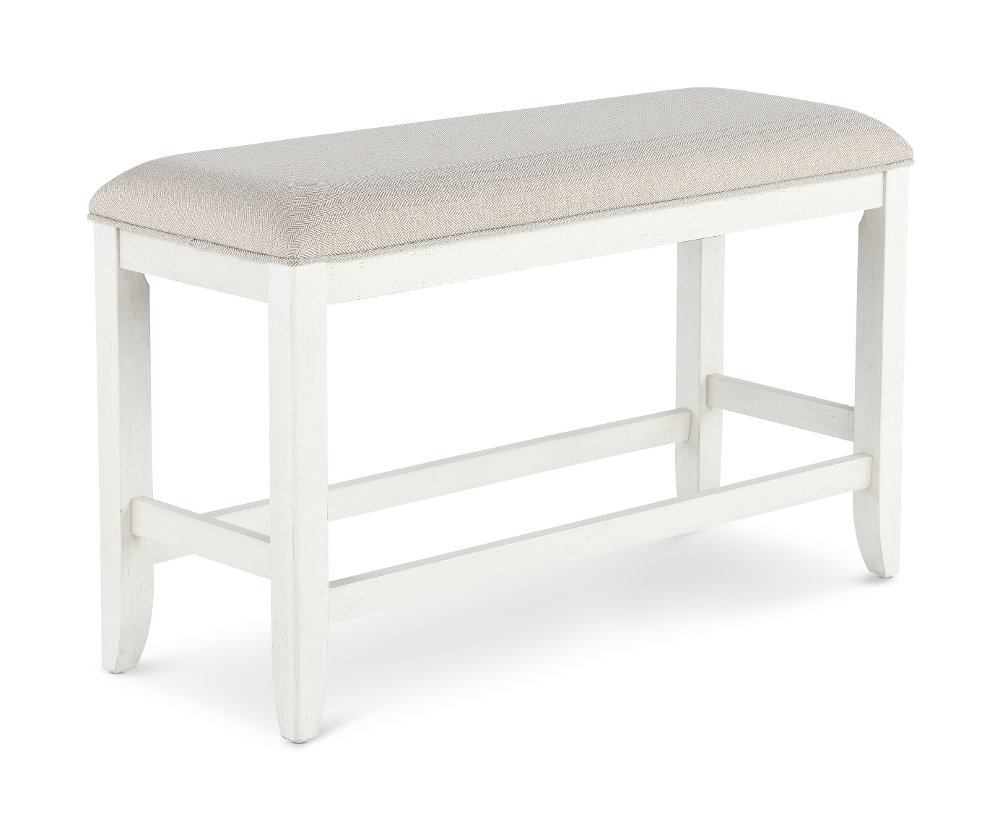
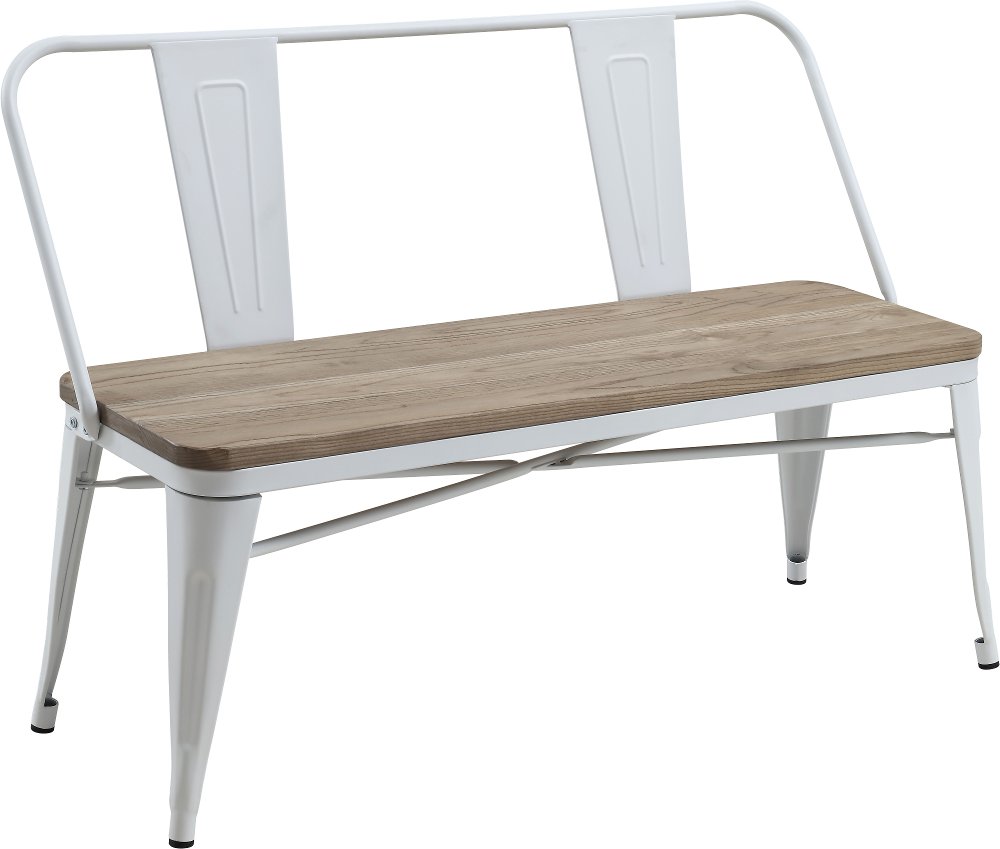
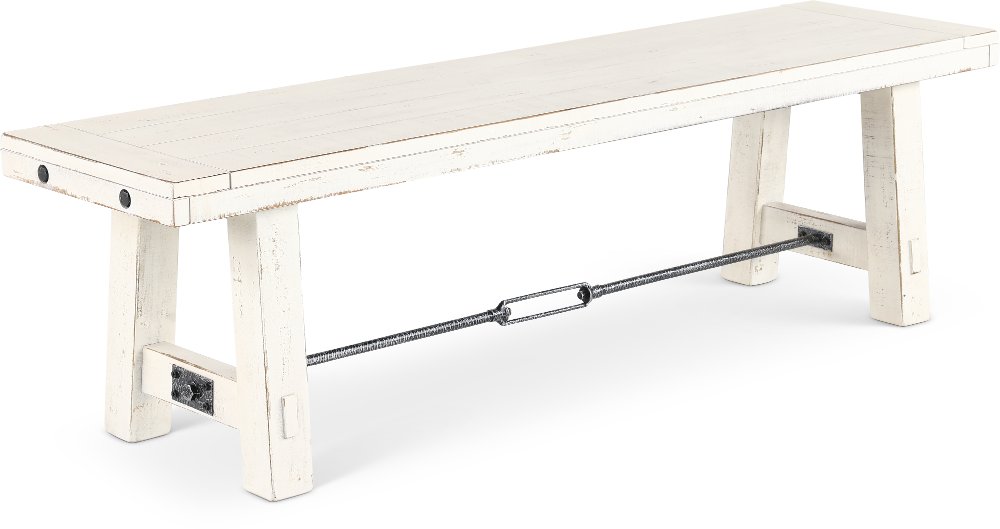
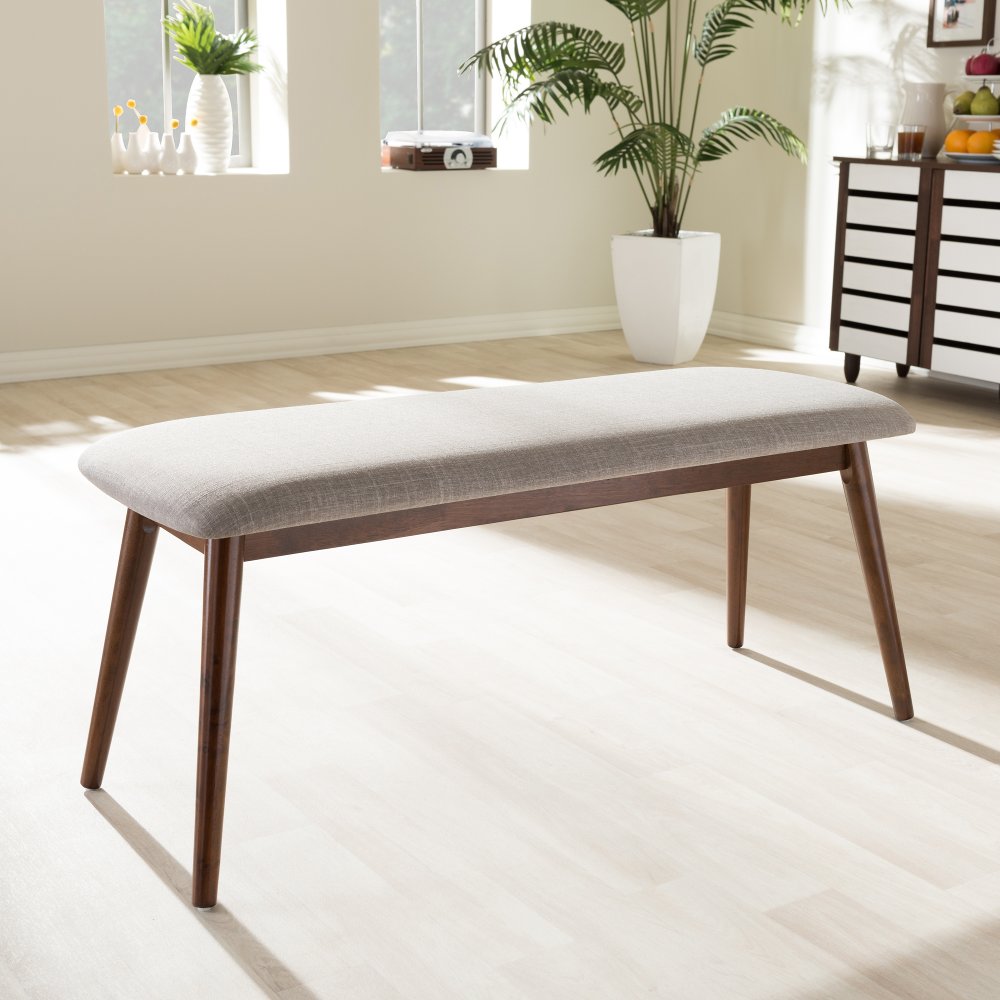
Transitional benches bring together the inviting details of traditional furniture and the clean, uncomplicated lines of modern design. That balance makes them especially easy to live with: a transitional bench can feel at home beside a classic wood table, beneath a contemporary console, or at the foot of a bed with layered bedding and soft accent pillows. Look for details such as gently curved legs, a tailored upholstered seat, subtle wood grain, neutral finishes, or simple turned accents. These features add warmth and personality without making the bench feel tied to one decorating era. Because transitional style works comfortably with many color palettes, it can help connect furniture you already own as your home evolves. A cream, gray, tan, brown, or softly patterned seat can complement changing accents through the seasons, while a deeper wood finish can add grounding contrast in a bright room. When comparing transitional benches, begin with the space where you plan to use one. Measure the available length, depth, and height, then leave enough room for people to walk around it and use nearby doors, drawers, or cabinets. A bench at the end of a bed should be a little narrower than the mattress so it feels proportionate and leaves the corners clear. In an entryway, choose a depth that allows comfortable seating without crowding the doorway. A hallway bench needs enough room for a person to sit and put on shoes, but a slimmer silhouette may be the better fit for a narrow passage. If the bench will sit beneath a window, check the window ledge and nearby trim before ordering. These small measurements can make the difference between a piece that looks thoughtfully placed and one that interrupts the flow of the room.
In an entryway, transitional benches offer a comfortable landing spot for the everyday routine. Someone can sit down to fasten boots, set down a tote, or gather belongings before heading out, and the bench can make the area feel more finished at the same time. A design with a lower shelf can keep frequently worn shoes close at hand, while baskets beneath the seat can hold scarves, gloves, pet leashes, or small accessories during the cooler months. A closed storage compartment creates a neater appearance when you prefer to keep daily clutter out of sight. In a bedroom, a transitional bench at the foot of the bed creates a useful place to fold laundry, arrange blankets, or pause while getting ready. Upholstered seating can soften a room filled with hard surfaces, while a wood or mixed-material frame brings structure and visual definition. In a dining area, a bench can provide flexible seating along one side of a table, making it easier to accommodate family meals, visiting friends, or a growing household. Consider seat height carefully so it pairs comfortably with the table, and make sure the bench can slide in far enough to preserve walking space when it is not in use. Transitional benches can also work beneath a living room window, along a wide wall, or in a dressing area where a compact seat is useful. If your home leans more relaxed and informal, explore Casual Benches for another versatile direction. No matter the room, think about how the bench will be used on an ordinary day. A beautiful seat becomes even more valuable when it supports the small rituals that make a home feel organized and welcoming.
The right construction and upholstery depend on the demands of your household. Solid wood and wood-look finishes can offer a warm, dependable appearance, while metal accents may add a lighter, more contemporary edge. Upholstered benches are comfortable for longer periods of sitting, particularly in bedrooms and dining spaces, but check the fabric type and care instructions before choosing one for a busy entryway. Performance fabrics, tightly woven textiles, and darker or patterned upholstery can be practical choices for homes with children, pets, or frequent guests. For a quieter, more tailored look, a smooth neutral fabric can blend easily with rugs, curtains, and bedding. Pay attention to the seat cushion as well. A firm cushion tends to hold its shape and provide steady support, while a softer cushion creates a more relaxed place to sit. Stable legs, even weight distribution, and a well-constructed frame matter when the bench will be used every day. Transitional benches also make thoughtful gifts for someone moving into a new home, furnishing a first apartment, refreshing a guest room, or creating a more welcoming entryway. They offer the recipient flexibility without requiring you to know every detail of the room’s style, and a versatile bench can grow with changing furniture and décor. During the cooler months, a bench near the door can make room for layers, winter footwear, and the pause between coming inside and settling in. With a sensible size, durable materials, and a finish that complements the surrounding furniture, a transitional bench can serve as seating, organization, and understated décor in one practical piece.
Read More