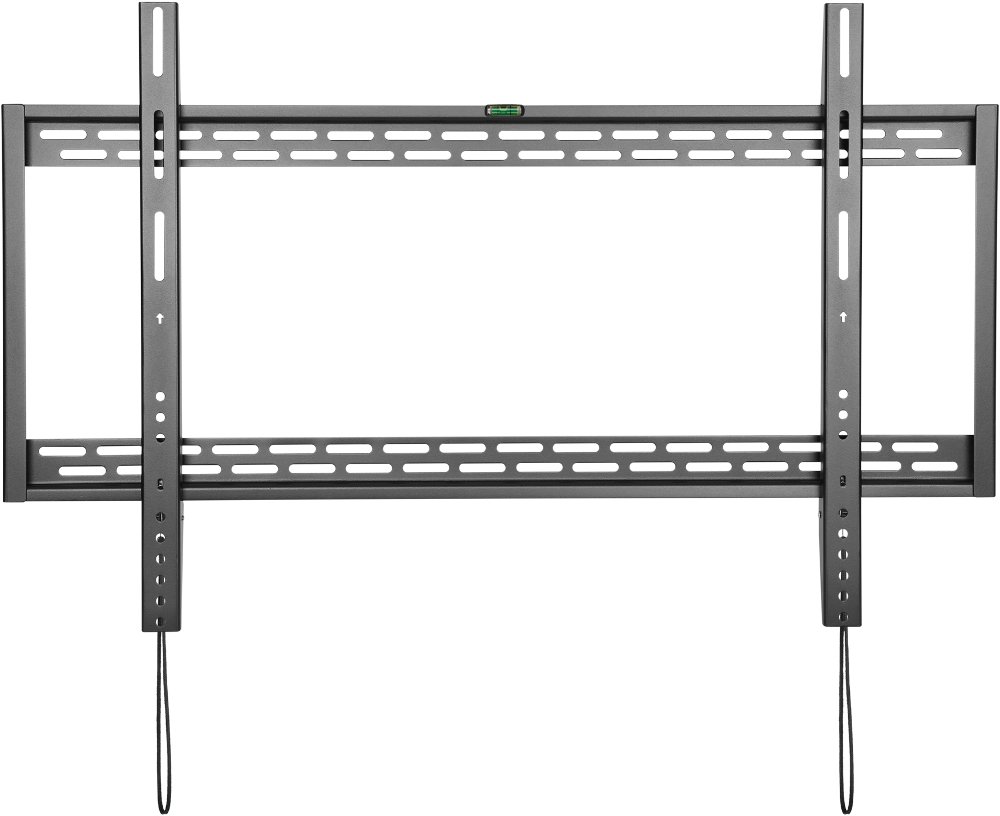
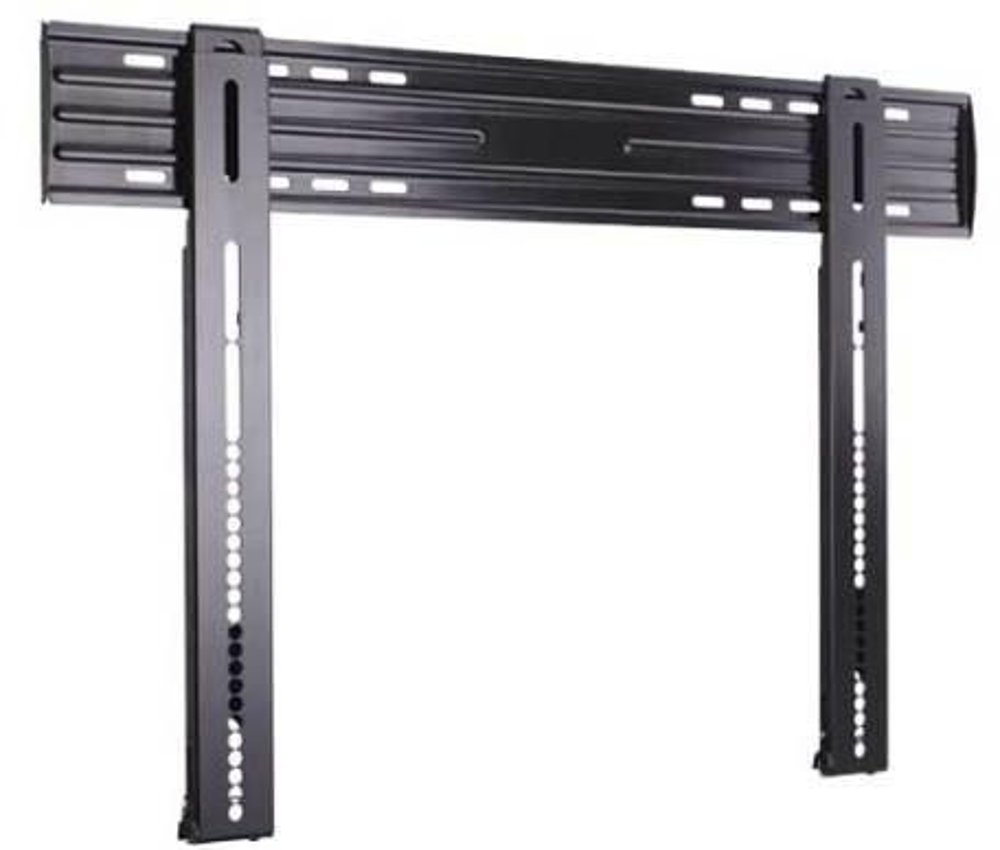
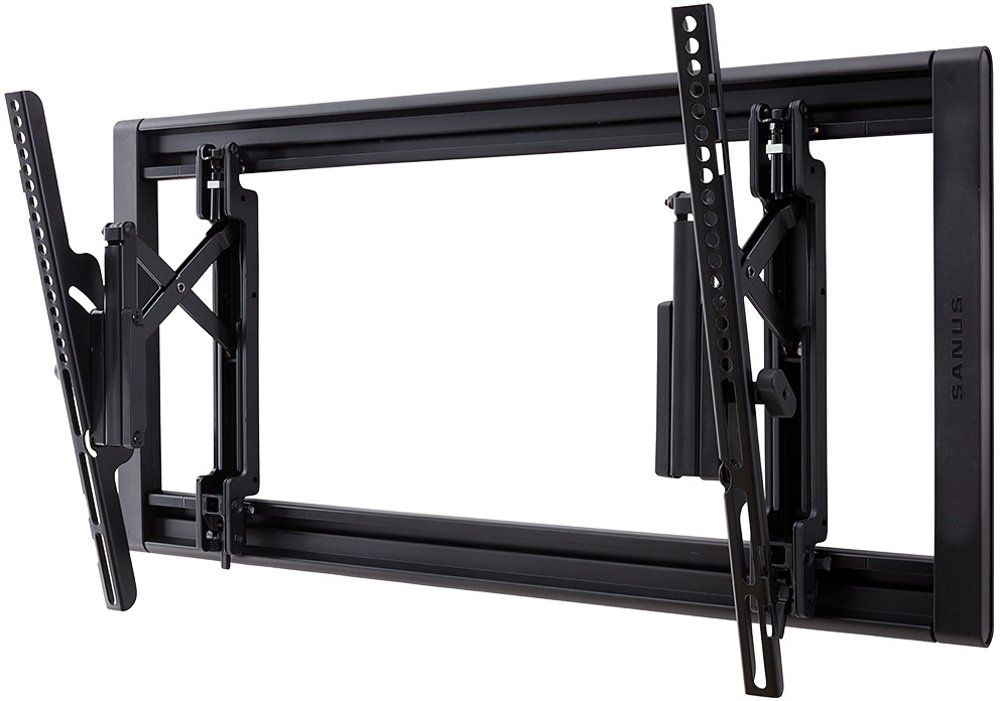
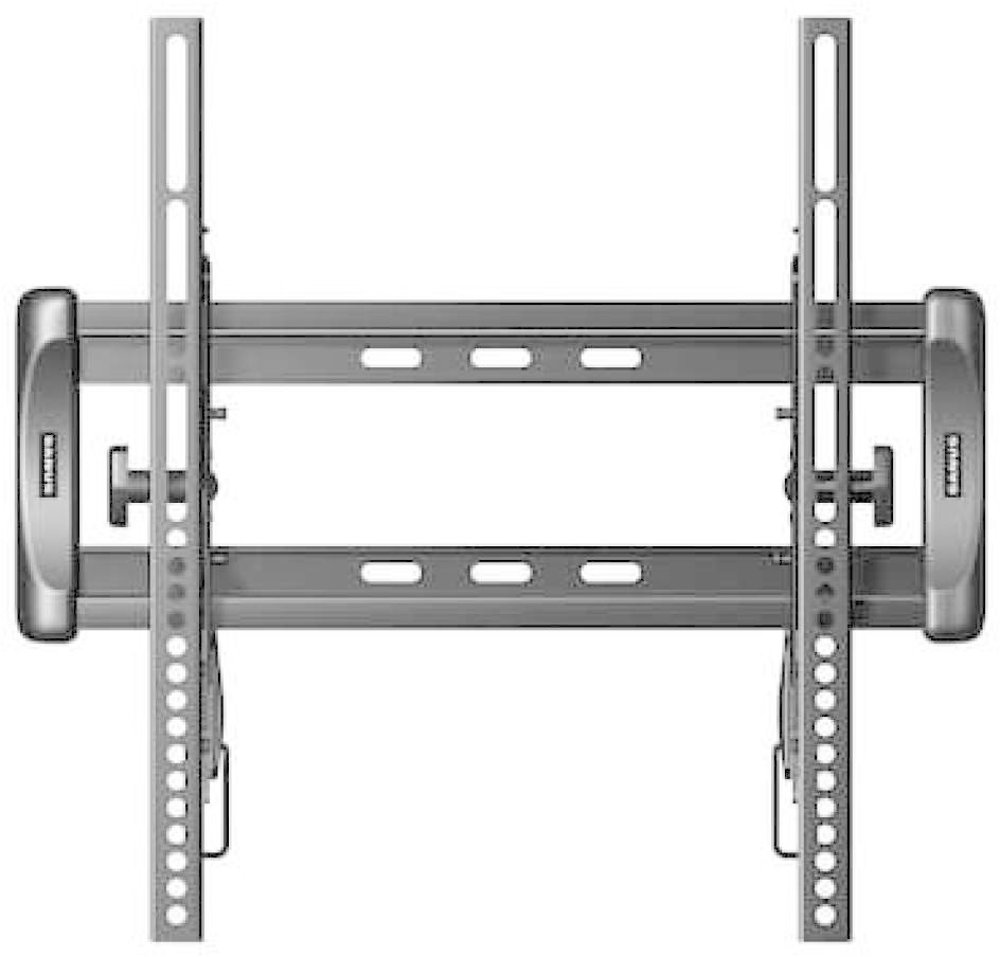
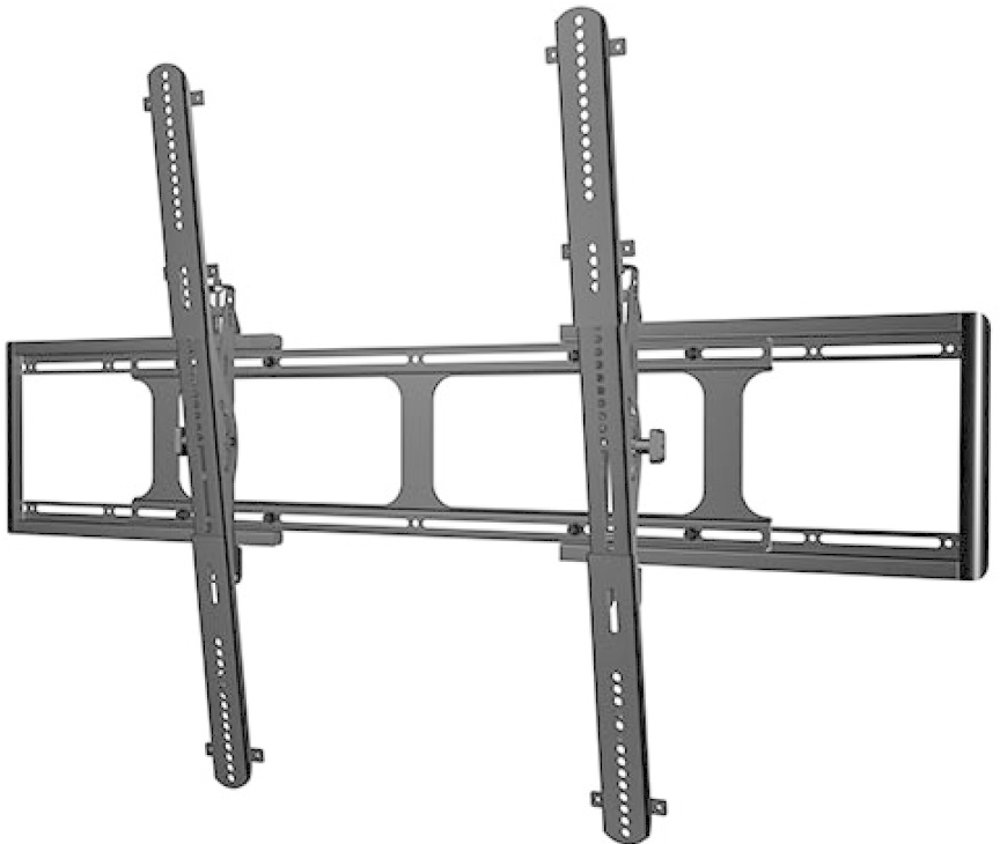
TV mounting hardware helps create a clean, comfortable entertainment setup while keeping your display securely connected to the wall. A complete mounting hardware selection may include the pieces that attach a mounting bracket to the back of the television, as well as the fasteners that secure the wall plate to the supporting surface. Common television screw sizes include M4, M5, M6, and M8, with the correct size depending on the display’s mounting holes, weight, and design. Smaller screens and monitors often use smaller metric screws, while larger displays typically require longer or heavier-duty fasteners. Washers help distribute pressure beneath the screw head, allowing the hardware to sit securely in the bracket slots instead of pulling through them. Spacers can be just as important, especially when the back of a television is curved, recessed, or has cables and connection ports positioned close to the mounting surface. They create the small amount of clearance needed for the bracket to rest evenly without pressing against the back panel. Before choosing replacement pieces or assembling a new setup, check the television manufacturer’s specifications, the bracket requirements, and the VESA mounting pattern—the horizontal and vertical spacing between the threaded holes on the back of the display. Matching those measurements helps ensure that the hardware fits properly and that the television sits level once mounted. If you’re refreshing a family room, setting up a guest space, or creating a more comfortable viewing area during the cooler months, the right mounting hardware can help turn a blank wall into a polished focal point without adding unnecessary bulk to the room. You’ll find additional options in our Mounting Hardware collection.
The hardware used to secure a wall-mounted television also needs to match the wall itself. For installation into wood studs, long, heavy-duty lag bolts are commonly used to anchor the wall plate into solid structural material. Finding the center of the studs matters because drywall alone usually cannot support the combined weight of a television and its mount. For brick, concrete, or another masonry surface, installation generally calls for masonry-rated anchors and bolts designed to expand or grip inside a properly drilled hole. The fasteners supplied with one mounting system may not be suitable for every wall type, so take a careful look at the surface, the mount’s weight rating, and the television’s weight before getting started. A stud finder, level, measuring tape, drill, and the correct driver or masonry bit can make the process more precise, while a second person can make lifting and positioning a large display much easier. It’s also worth planning for cable clearance before tightening everything down. A low-profile setup may look beautifully streamlined, but recessed ports or angled connectors can need extra space behind the screen. For renters, apartment dwellers, or anyone rearranging a room, mounting hardware can also be a thoughtful housewarming gift when paired with a new entertainment setup, provided the recipient knows their wall type and television specifications. Families may appreciate a more comfortable screen height for movie nights, while someone working from home may use compatible hardware to position a monitor or display at a more natural viewing angle. Taking a few minutes to confirm screw diameter, length, thread compatibility, washer size, spacer depth, anchor type, and weight capacity can help prevent loose connections, uneven mounting, or damage to the display. When the fasteners fit the television and the wall, the finished result feels simple: a steady screen at the right height, fewer cables competing for attention, and more room for the people, furniture, and moments that make the space feel like home.
Read More