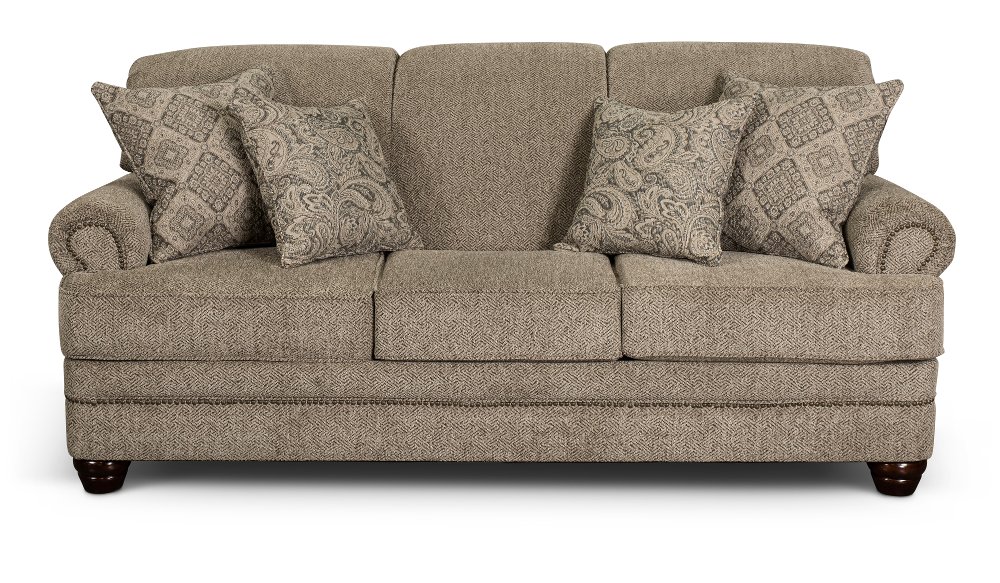
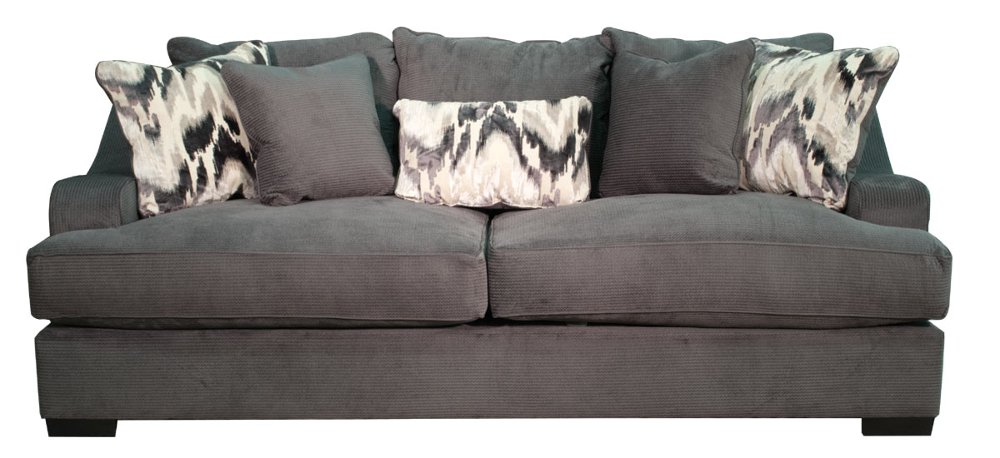
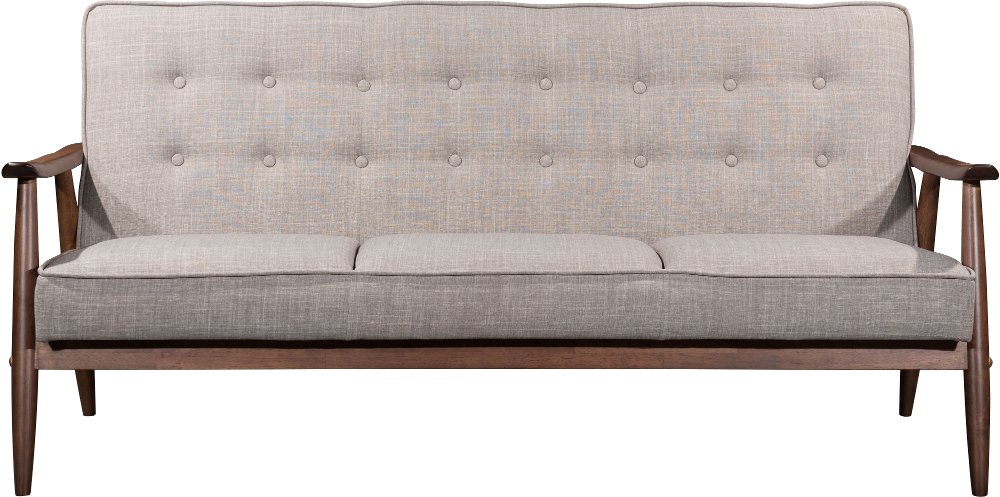
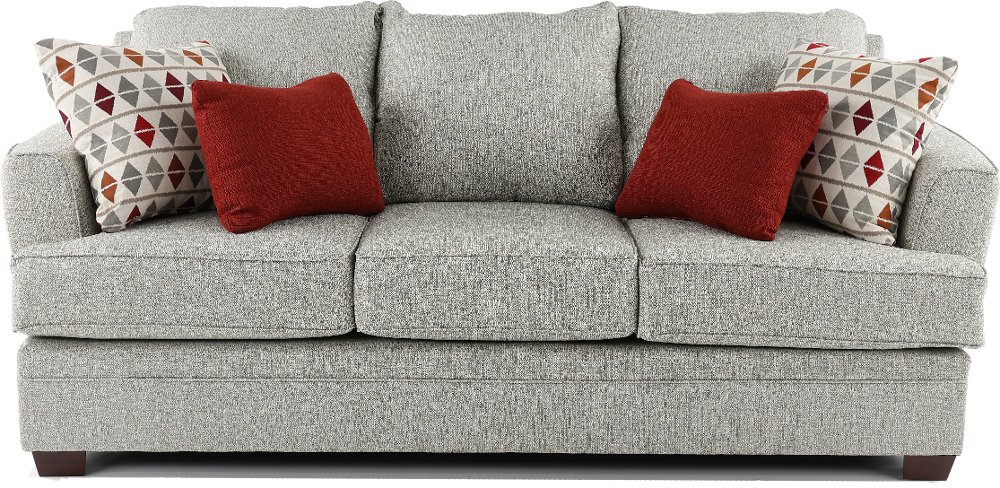
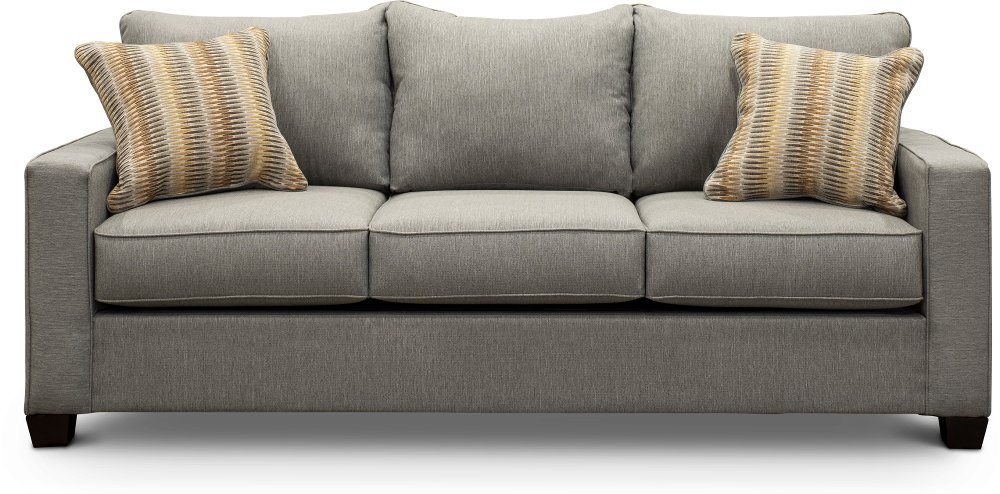
Urban sofas bring a city-inspired look to everyday living spaces through clean lines, practical proportions, and upholstery that feels comfortable rather than overly formal. The term describes a style, not one standard size or construction: an urban sofa might have slim track arms and tailored cushions, a low back with generous seating, or exposed legs that give the piece a lighter appearance. These details work naturally in apartments, lofts, condos, and larger homes where the living room shares space with a kitchen or dining area. The appeal is less about a particular address and more about furniture that fits the way you live. A streamlined couch can anchor a room with exposed brick and metal shelving just as easily as one with painted walls, warm wood floors, and a favorite reading lamp. Neutral upholstery in gray, cream, charcoal, or brown creates a flexible foundation, while a deeper color can give a simple silhouette more presence. Texture makes a difference, too. A softly woven fabric can soften the look of angular furniture, and leather can add richness without requiring extra pattern. Urban and contemporary sofas often overlap, but urban styling tends to feel especially at home alongside industrial accents, compact tables, and pieces chosen for more than one purpose. That doesn’t mean every urban sofa is small or firm. Some favor upright support for conversation, while others have deeper seats made for stretching out during a movie. A compact profile suits a first apartment or a secondary sitting area; a more generous sofa can become the main gathering spot in a shared household. For an open floor plan, the back and sides deserve as much attention as the front because the sofa may be visible from several directions. Tailored upholstery and balanced proportions help it look intentional from the dining table, the entryway, and the seat across from it. The strongest urban look leaves room for personal touches instead of making the whole space feel matched.
Fit involves more than whether a sofa fits against a wall. Overall width, arm thickness, seat depth, back height, and the space around nearby furniture all affect how comfortably it works in a room. Narrow arms can preserve more seating within a smaller footprint, while wider arms give a sofa a substantial look but take up space that might otherwise belong to the cushions. Raised legs expose more floor, which can make a compact living area feel less crowded; a low, solid base creates a more grounded appearance. In a studio apartment, a sofa can define the living area without a tall divider, provided there’s a comfortable path around it. In a family room, the same style may need enough clearance for a coffee table, frequent foot traffic, and people getting up without squeezing past one another. Measuring the room is only part of the process. Doorways, stair landings, elevator interiors, and tight turns along the delivery route matter, especially in older buildings. Removable legs or other detachable components can sometimes help with access, but those details need confirmation for the sofa being considered. Comfort is equally personal. Shallower seats often make it easier to sit with feet on the floor, while deeper seats give taller people and those who like to curl up more room. A low back keeps sightlines open but may offer less upper-back support than a taller design. Cushion firmness also changes the experience: a supportive seat can suit extended conversations or reading, while a softer cushion encourages lounging and may require more reshaping. A sofa used mainly for hosting friends has different demands than one that doubles as the household’s favorite place to nap. Modular configurations can offer layout flexibility, though their dimensions and connection points still need careful consideration. Thinking about those ordinary moments—the evening stretch-out, the weekend visit, the walk from the kitchen with a full tray—helps connect an appealing silhouette with a genuinely useful piece of furniture.
Upholstery and construction shape how an urban sofa feels and how it handles daily use. Woven fabrics offer a broad range of textures, from smooth, tightly structured surfaces to more pronounced yarns that add visual depth. Fiber content alone doesn’t tell the whole durability story; weave, backing, seams, and the quality of the finished upholstery matter as well. In homes with pets, a tight weave may be less inviting to claws than an open looped texture, though no fabric is completely snag-proof. Performance upholstery may offer added stain resistance or easier cleaning, but the specific treatment and care directions determine what that means in practice. Leather has a distinct feel and can develop character with use, although different finishes vary in their sensitivity to scratches, spills, and light. Protected leather and more minimally finished leather don’t necessarily need the same care. For any upholstery, the manufacturer’s cleaning instructions should guide stain treatment. Regular vacuuming with a suitable attachment removes crumbs and surface dust, and promptly blotting a spill rather than rubbing it helps limit spreading. Removable cushion covers aren’t automatically machine washable. Rotating or flipping cushions, when their design allows, can help distribute wear, while loose-fill cushions may need regular fluffing to maintain their shape. Beneath the upholstery, a well-built frame, secure joints, supportive suspension, and resilient cushioning all contribute to lasting comfort. A sturdy feel matters more than a substantial-looking arm or a fashionable leg finish. Intended use also sets the boundaries: indoor sofas belong in indoor living spaces unless expressly designed otherwise. For a coordinated look on a balcony or patio, urban outdoor furniture carries a similar streamlined style into seating made for outdoor use. Inside, a thoughtfully chosen urban sofa gives everyday routines a comfortable home base, with proportions that respect the room and materials that suit the people sharing it. The result can feel polished without being precious—a place to settle in, welcome company, and enjoy a space that feels like your own.
Read More