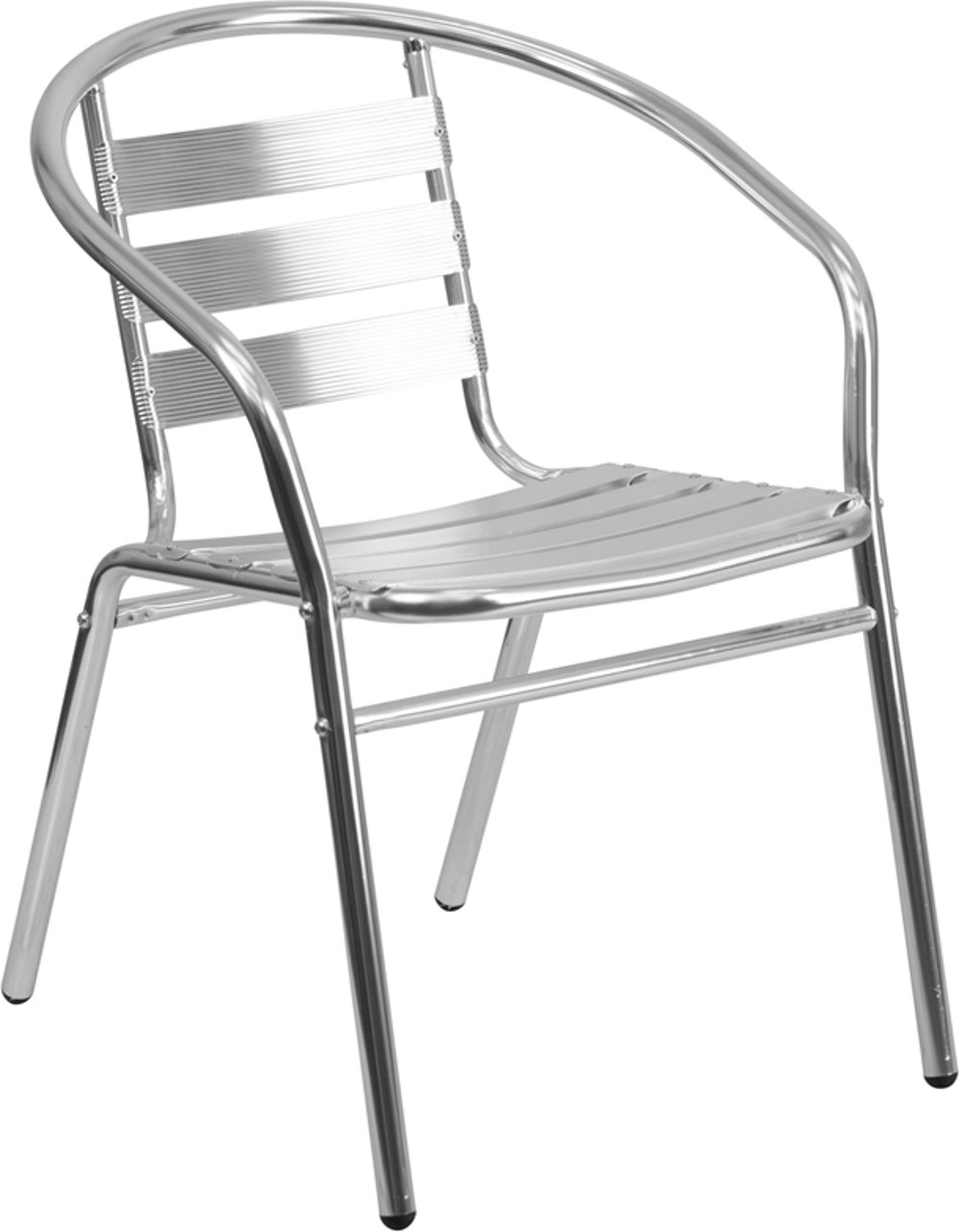
Visiting chairs, also called visitor chairs or guest chairs, give clients, coworkers, and guests a comfortable place to sit in an office, reception area, waiting room, or home workspace. Unlike a task chair designed for a full workday at a desk, a visitor chair typically supports shorter conversations, appointments, and meetings without requiring a range of adjustments. The right choice depends on how people will use the space. A pair of chairs across from a desk can make a private office feel welcoming, while a coordinated seating arrangement helps a reception area look organized and easy to navigate. For a home office, guest seating creates a place for a collaborator to review paperwork or a family member to stop in without borrowing the desk chair. Comfort starts with a supportive back, a stable base, and a seat that feels comfortable beyond the first few minutes. A gently rounded or waterfall-style front edge can help reduce pressure behind the knees, particularly when someone sits through a longer appointment. Armrests give visitors a place to rest their forearms and may help some people sit down and stand up, while armless chairs offer more freedom of movement and can fit more easily around a small table. Check the full chair dimensions rather than judging size by the seat alone. Arms, angled legs, and a curved back can extend beyond the sitting area and affect how much room the chair needs. Seat height should allow the intended user to rest their feet comfortably on the floor, and seat depth should support the thighs without pressing into the backs of the knees. When several people will share the same seating, look for dimensions that accommodate a range of body sizes and review the manufacturer’s weight capacity. Leave enough clearance for visitors to approach, turn, and sit without squeezing between furniture, especially when a desk, side table, or doorway sits nearby.
Materials influence how visiting chairs look, feel, and hold up to everyday use. Solid wood frames bring warmth to a traditional office or residential setting, while metal frames can create a clean, streamlined look and suit spaces where chairs move frequently. Neither material guarantees durability on its own; sturdy joints, secure fasteners, sound construction, and the chair’s intended use matter just as much. A chair used occasionally beside a home office desk faces different demands than seating that welcomes a steady flow of visitors throughout the day. For a busy reception area, look for upholstery and construction rated for the expected level of use, and check whether the manufacturer identifies the chair as suitable for commercial settings. Fabric upholstery offers a softer, more relaxed appearance, with textures that can make a professional space feel less formal. Tightly woven fabrics may be less prone to snagging than loose weaves, although stain resistance and cleaning methods depend on the specific material and finish. Synthetic upholstery can be practical for shared seating, but it’s still worth checking care requirements rather than assuming every fabric wipes clean. Genuine leather, bonded leather, and leather-look upholstery differ in composition, maintenance needs, and how they age. Genuine leather may develop visible character with use, while coated alternatives can offer a smooth surface with their own cleaning requirements; bonded materials may be more vulnerable to peeling as they wear. Mesh backs allow airflow and create a lighter visual profile, though the seat still needs enough support for the expected sitting time. Padding deserves attention, too. A thick cushion isn’t automatically more comfortable than a thinner one, and overly soft padding may compress enough to leave the sitter feeling the structure beneath it. Look for balanced cushioning, neatly finished seams, and upholstery that stays securely attached around corners and edges. Floor glides or protective feet also matter, helping limit scuffs when a guest shifts the chair or a room gets rearranged.
The best visiting chairs work with the room’s layout as naturally as they work with its style. Fixed-leg and sled-base designs provide stationary seating for conversations and waiting areas, while chairs with casters can make it easier to reposition seating in a flexible meeting space. A rolling chair needs a floor surface and caster type suited to its use, and stationary seating may be a better fit where unexpected movement would be inconvenient. Stackable chairs are useful when a room serves several purposes, such as a small business office that occasionally hosts a group meeting, but only stack chairs designed for that purpose and follow the recommended stacking limit. Consider where extra seating will go when it isn’t needed; a compact footprint helps only if there’s a practical storage spot. In an everyday office arrangement, repeating a frame finish or upholstery color can connect guest seating with a desk and storage cabinet without making every piece match. A warm wood frame can soften a room with metal shelving, while a simple upholstered chair can add comfort without competing with artwork or a patterned rug. For a living room, bedroom sitting area, or home office where the chair will serve a more decorative role, Occasional Chairs offer another seating category to consider alongside office-style visitor seating. Think about daily details as well as appearance: visitors need room for a bag, a clear path to the door, and a nearby surface if they’ll be handling documents or setting down a drink. Keeping chairs in good condition starts with the care instructions for their specific materials. Vacuum fabric with an appropriate upholstery attachment, blot spills promptly, and use only recommended cleaners after testing in an inconspicuous spot. Wipe frames as directed, inspect fasteners periodically, and replace worn floor protectors before they damage the surface beneath them. Thoughtful sizing, dependable construction, and manageable care help guest seating stay comfortable and welcoming through repeated visits.
Read More